How to Choose the Right Hair Dryer with a Ceramic Heating Element
Learn how to choose the best hair dryer with a ceramic heating element. Discover key features, benefits, and tips for matching a ceramic dryer to your hair type while reducing damage and frizz.
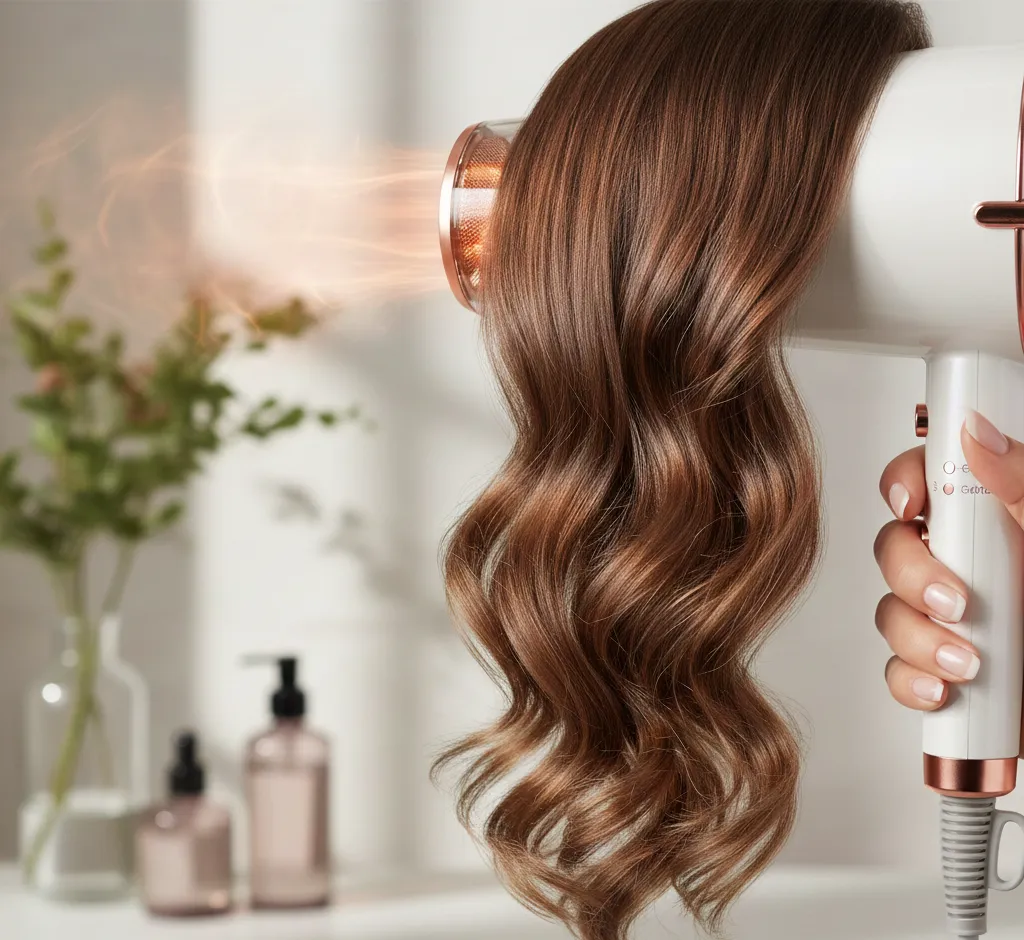
Choosing the right hair dryer is more important than many people think. A good dryer can protect your hair, speed up your routine, and give you a smoother, shinier finish. One of the smartest choices today is a hair dryer with a ceramic heating element. Ceramic technology is designed to distribute heat more evenly and gently, which helps reduce damage and frizz compared to traditional metal coils.
In this guide, you will learn what ceramic heating is, how it compares to other technologies, which features matter most, and how to pick the best ceramic hair dryer for your hair type, budget, and styling habits.
What Is a Ceramic Heating Element?
A ceramic heating element is made from ceramic materials (often coated onto internal components) instead of exposed metal coils. When the dryer is turned on, the ceramic material heats up and emits a steady, even heat that is less likely to create hot spots.
How Ceramic Differs from Traditional Metal Coils
- Even heat distribution: Ceramic spreads heat more uniformly, reducing the risk of overheating a single section of hair.
- Smoother airflow: Ceramic-coated components help maintain a stable airflow temperature, which is gentler on the cuticle.
- More consistent results: Because ceramic responds quickly to temperature changes, it helps keep your chosen heat setting more stable.
The result is a drying experience that is typically kinder to your hair, especially when combined with proper technique and heat protection.
Benefits of Ceramic Heating for Hair
- Reduced heat damage: Even heating lowers the risk of burning or frying fragile strands.
- Less frizz: Many ceramic dryers are paired with ionic technology, which helps reduce static and frizz for a sleeker finish.
- Shinier hair: Gentle, consistent heat helps keep the cuticle lying flat, which enhances shine and smoothness.
- Better moisture balance: Ceramic helps prevent extreme temperature spikes that can strip moisture from the hair shaft.
For everyday users, these benefits translate into healthier-looking hair, faster styling, and less need for excessive smoothing products afterward.
Ceramic vs. Ionic vs. Tourmaline vs. Titanium
When shopping for a hair dryer, you will often see multiple technologies listed on the box: ceramic, ionic, tourmaline, titanium, and more. Understanding how ceramic compares will help you choose the right combination for your needs.
Ceramic vs. Ionic
- Ceramic: Focuses on even, consistent heat. Best for protecting hair and avoiding hot spots.
- Ionic: Emits negative ions that help break up water molecules and reduce static. This can speed up drying and reduce frizz.
Many modern dryers combine both technologies, labeled as ceramic ionic hair dryers. If you want smoother, less frizzy results with reasonable protection, this is usually the best everyday option.
Ceramic vs. Tourmaline
- Tourmaline: A crystalline mineral that, when used in dryer components, naturally produces more negative ions and infrared heat.
- Ceramic-tourmaline: Combines even ceramic heat with enhanced ionic properties for ultra-smooth finishes.
Tourmaline-enhanced ceramic dryers tend to be slightly more expensive but are excellent for frizz-prone, thick, or curly hair because they provide very smooth, shiny results with good protection.
Ceramic vs. Titanium
- Titanium: Heats up very quickly and gets hotter than ceramic. It also maintains a very stable high temperature.
- Ceramic: Slightly gentler and more forgiving, making it safer for fine, damaged, or color-treated hair.
Titanium ceramic dryers are often favored by professionals for fast results on thick, coarse hair. However, for most home users who want lower risk of damage, a regular ceramic or ceramic-tourmaline dryer is the safer bet.
Key Features to Look For in a Ceramic Hair Dryer
Not all ceramic hair dryers are created equal. When comparing models, pay close attention to these essential features.
1. True Ceramic vs. Simple Coating
Some dryers have only a thin ceramic coating on internal parts, while higher-quality models use more substantial ceramic components and better construction.
- Look for descriptions like "infrared ceramic" or "full ceramic heating".
- A reputable brand with clear technical details is more likely to deliver real ceramic benefits.
If the product description is vague or only mentions "ceramic finish" without detail, it may provide less even heating over time.
2. Multiple Heat and Speed Settings
Having several heat and speed options lets you adapt the dryer to your hair type and styling needs.
- Heat settings: Ideally at least three (low, medium, high).
- Speed settings: Usually two (low and high) are sufficient for home use.
- Cool shot button: Essential for setting styles and sealing the cuticle for more shine.
For fine or damaged hair, you will mainly use low to medium heat; for thick or very curly hair, medium to high heat may be needed for efficient drying.
3. Wattage and Power
Wattage affects how powerful the airflow is and how quickly your hair dries.
- 1200–1600 W: Suitable for short hair or travel use, but slower for long or thick hair.
- 1800–2000+ W: Better for medium to long hair, especially if it is thick or dense.
A ceramic dryer with around 1800–2000 W offers a good balance between speed and control for most households.
4. Weight, Ergonomics, and Noise Level
Drying and styling can take several minutes, so comfort matters.
- Weight: Look for a dryer described as lightweight or under approximately 500–600 g for easier handling.
- Handle design: A comfortable, non-slip handle reduces hand fatigue.
- Noise level: Some models feature quieter motors (such as advanced DC or brushless motors), which can be a big plus for daily use.
Ergonomic shape and balanced weight distribution make it easier to reach the back of your head and create more precise styles.
5. Included Attachments
The right attachments can dramatically improve your styling results with a ceramic hair dryer.
- Concentrator nozzle: Narrows the airflow for targeted drying and smoother blowouts, especially useful with a round brush.
- Diffuser: Disperses airflow to enhance natural curls and waves without causing frizz or disrupting the curl pattern.
- Comb or pick attachment: Helpful for textured or coily hair when stretching and drying at the same time.
For maximum versatility, choose a dryer that includes at least one concentrator and one diffuser designed to fit securely on the nozzle.
6. Removable Filter and Maintenance
Proper airflow is essential for performance and safety. Over time, dust and hair can clog the air intake.
- Make sure your dryer has a removable rear filter you can clean regularly.
- Follow the manufacturer’s cleaning instructions to prevent overheating and extend motor life.
A clean, well-maintained ceramic dryer will perform more efficiently and last longer, giving you better value for your investment.
Matching a Ceramic Hair Dryer to Your Hair Type
Different hair types benefit from different combinations of features, even when all dryers use ceramic heating. Use this section as a quick matching guide.
Fine or Thin Hair
Fine hair is easily damaged and can go limp if over-dried. For this hair type, prioritize control and gentleness.
- Choose a ceramic or ceramic-ionic dryer with good low and medium heat options.
- A lower to mid-range wattage (around 1600–1800 W) is usually enough.
- Use a concentrator nozzle and keep the dryer moving to avoid overheating one spot.
Always finish with a cool shot to help lock in volume and reduce puffiness at the ends.
Thick, Coarse, or Very Curly Hair
Thicker hair types need more power and often benefit from extra ionic support to combat frizz.
- Look for ceramic-tourmaline or ceramic-ionic dryers with 1800–2000+ W.
- Use higher heat and speed at the beginning, then lower heat to refine the style.
- A diffuser attachment is very helpful for curls and coils to maintain definition.
Pair your dryer with heat protectant and curl-enhancing products to maximize shine and reduce frizz.
Color-Treated or Damaged Hair
Color-treated or chemically processed hair is more fragile and prone to dryness. Your priority should be minimizing additional heat damage.
- Stick to pure ceramic or ceramic-tourmaline with excellent temperature control.
- Use low to medium heat settings as often as possible.
- Dry hair about 70–80% before switching to cool air to finish and shape.
In this case, investing a bit more in a quality ceramic dryer can genuinely protect your color and reduce breakage over time.
Short Hair or Men’s Hair
Short styles dry faster, so you can often opt for a compact ceramic dryer or a lower-wattage model.
- Choose a lightweight ceramic dryer or travel model with at least two heat settings.
- A narrow concentrator is useful for precise styling and adding volume at the roots.
Even for short hair, ceramic helps prevent the scalp and ends from drying out, especially if you style daily.
How to Use a Ceramic Hair Dryer for Best Results
Owning a great ceramic dryer is only half the equation. Proper technique is essential for preserving hair health and achieving salon-like finishes.
Step 1: Prep Your Hair
- Towel-dry gently: Squeeze, do not rub, to avoid roughing up the cuticle.
- Apply heat protectant: Use a spray, cream, or serum compatible with your hair type.
- Detangle: Use a wide-tooth comb or detangling brush to remove knots before turning on the dryer.
Proper prep helps your ceramic dryer work more efficiently and reduces the amount of time your hair is exposed to heat.
Step 2: Rough Dry First
Start without attachments or with a wide concentrator to remove about 60–70% of the moisture.
- Use medium heat and high speed to speed up the process.
- Keep the dryer at least a few centimeters away from your hair and constantly move it.
This approach leverages the even heat of ceramic while keeping exposure time moderate.
Step 3: Style with Attachments
Once hair is partially dry, switch to the appropriate attachment for your desired style.
- For straight or smooth looks: Attach a concentrator, lower the heat if your hair is fine, and work in sections with a round or paddle brush.
- For curls or waves: Attach a diffuser, use low to medium heat, and cup sections of hair, holding them at the scalp for a few seconds at a time.
Let the ceramic heat do the work gently; avoid over-brushing, which can create frizz.
Step 4: Finish with Cool Air
Use the cool shot button over each section once it is fully dry and styled.
- This helps set the shape of curls or blowouts.
- It also seals the cuticle, boosting shine and longevity of the style.
Ending with cool air is particularly effective when used in combination with the controlled, even heat of a ceramic element.
Common Mistakes to Avoid with Ceramic Hair Dryers
Even a high-quality ceramic dryer can damage hair if used improperly. Avoid these frequent mistakes.
- Using maximum heat all the time: Save high heat for very thick or coarse hair and only when necessary.
- Holding the dryer too close: Keep a safe distance from the scalp and hair shaft to prevent hot spots.
- Skipping heat protectant: Ceramic reduces damage but does not eliminate it entirely.
- Drying soaking-wet hair: Always towel-dry first to reduce drying time and exposure.
- Not cleaning the filter: A clogged filter causes overheating and shortens the dryer’s lifespan.
Small adjustments in how you use your ceramic hair dryer can greatly extend both the life of the appliance and the health of your hair.
Price Ranges and When to Upgrade
Ceramic hair dryers are available in a wide range of prices. Understanding what you get at each level can help you shop more strategically.
Budget Ceramic Dryers
- Typically offer basic ceramic coating and a few heat/speed settings.
- Good as starter dryers or for occasional use.
- May be less durable and slightly less consistent in heat distribution.
If you dry your hair only a few times a week and have relatively healthy hair, a budget ceramic model can be sufficient as long as you follow good heat habits.
Mid-Range Ceramic and Ceramic-Ionic Dryers
- Often include stronger motors (around 1800–2000 W), ionic or tourmaline features, and more precise controls.
- Better build quality, ergonomics, and noise management.
- Usually include useful attachments like diffusers and multiple concentrators.
This range offers the best value for most users who dry their hair regularly and want a balance of performance, protection, and comfort.
Professional and High-End Ceramic Dryers
- Feature advanced motors (such as brushless or AC motors) for faster drying and longer lifespan.
- Provide extremely stable temperature control and enhanced ionic or tourmaline components.
- Designed for all-day salon use but also ideal for daily home use, especially for thick or demanding hair types.
Consider upgrading to a high-end ceramic dryer if you style your hair every day, have long or challenging hair, or want the fastest, most polished results with the least damage.
Final Thoughts: Is a Ceramic Hair Dryer Right for You?
A hair dryer with a ceramic heating element is one of the most balanced, hair-friendly tools you can add to your routine. It offers even, consistent heat that is far gentler than old-style metal coils, while still providing enough power to dry and style efficiently.
If you want to reduce damage, control frizz, and improve shine, a quality ceramic or ceramic-ionic dryer is a smart, long-term investment. Pay attention to wattage, heat and speed settings, attachments, and overall build quality, then match those features to your unique hair type and styling habits.
With the right ceramic hair dryer and good technique, you can enjoy smoother, healthier-looking hair every day, all from the comfort of your own home.