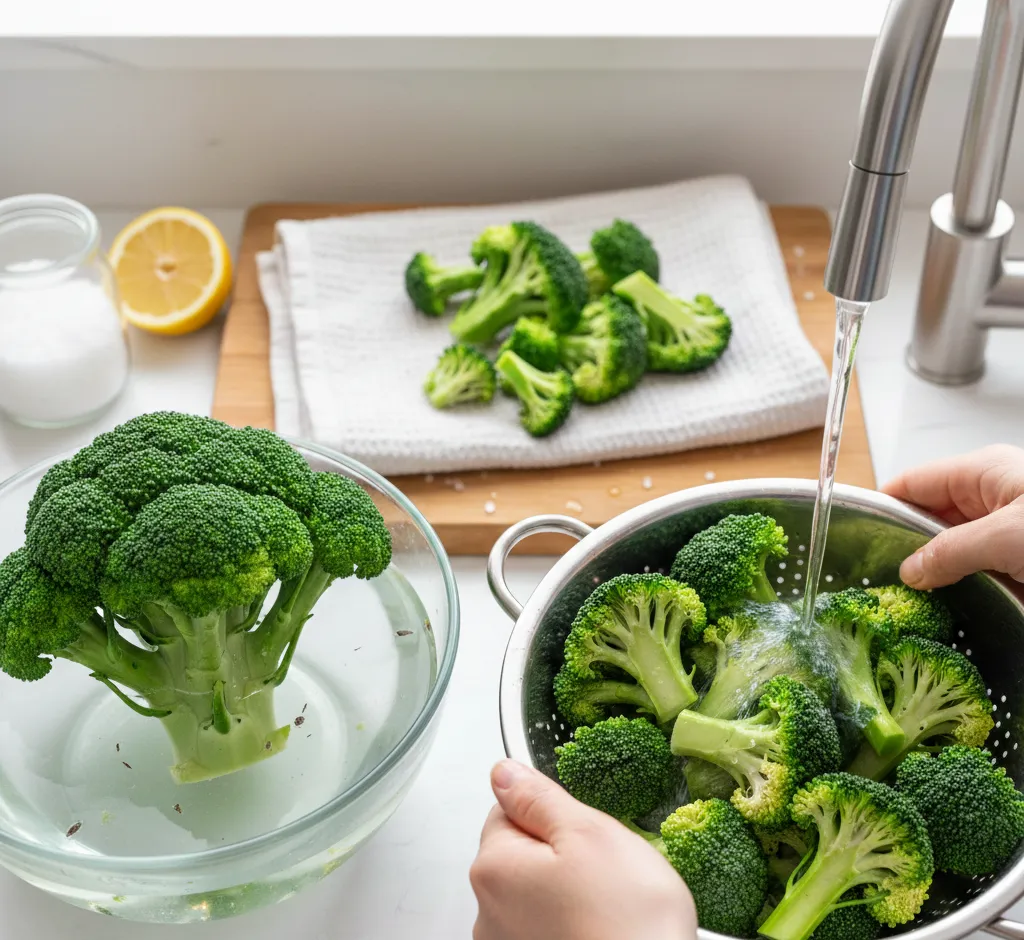
How to Remove Bugs from Cauliflower: A Complete Step‑by‑Step Guide
Learn how to remove bugs from cauliflower step by step using saltwater, vinegar, and other natural methods. Discover how to inspect, soak, rinse, and store cauliflower safely for clean, bug‑free meals.

Cauliflower is a nutritious and versatile vegetable, but its tightly packed florets create the perfect hiding place for tiny insects. Aphids, worms, beetles, and other pests can burrow deep inside the head, making them difficult to see and remove. Learning how to properly clean cauliflower is essential not only for food safety, but also for peace of mind in the kitchen.
In this guide, you will learn how to remove bugs from cauliflower safely and effectively using simple household ingredients and easy techniques. We will cover how to choose cleaner cauliflower at the store, different soaking and rinsing methods, how to check for hidden insects, and the best way to store cauliflower to minimize future pest problems.
Why Cauliflower Attracts Bugs
Cauliflower heads are made up of many tightly packed florets. These small gaps create dark, protected spaces where insects can hide. Even after harvesting, bugs may remain lodged between the florets or around the leaves and stem.
The most common pests you may find on cauliflower include:
- Aphids: Tiny, soft-bodied insects that may appear green, gray, black, or white. They often cluster on stems, underside of leaves, and between florets.
- Cabbage worms and loopers: Small green caterpillars that chew tiny holes and can curl up inside florets.
- Beetles and small flies: Dark specks or small beetles may be visible on the surface or near the base of the florets.
Because these bugs can be difficult to spot at first glance, it is important to follow a thorough cleaning process before cooking or eating cauliflower.
How to Choose Cleaner Cauliflower at the Store
Removing bugs starts before you ever turn on the faucet. Choosing high-quality cauliflower reduces the amount of cleaning required and lowers the risk of pest contamination.
Visual inspection tips
When buying cauliflower, inspect it carefully:
- Look for firm, compact heads with florets packed tightly together.
- Avoid heads with brown spots, mushy areas, or slimy patches, which may indicate rot or pest damage.
- Check the outer leaves. They should be green and crisp, not wilted or chewed.
- Turn the cauliflower over and inspect the base and stem area for insects, webbing, or frass (insect droppings).
Choosing between organic and conventional
Organic cauliflower may have a slightly higher chance of visible insects, since fewer synthetic pesticides are used. However, both organic and conventional cauliflower can host bugs. Regardless of your choice, you should follow the same thorough cleaning process.
Tools and Ingredients You Will Need
You do not need any special equipment to remove bugs from cauliflower. Most methods rely on common kitchen tools and basic ingredients.
- A large bowl or clean sink basin
- Cold or lukewarm water
- White vinegar or apple cider vinegar
- Salt (table salt or sea salt)
- A small knife for trimming
- A colander or strainer
- A clean kitchen towel or paper towels
Optional but helpful additions include lemon juice and a soft vegetable brush for cleaning the stem and exterior surfaces.
Step‑by‑Step: How to Remove Bugs from Cauliflower
The most effective way to remove bugs from cauliflower is to combine trimming, soaking, and thorough rinsing. Follow the steps below to make sure your cauliflower is clean and ready to cook.
Step 1: Remove the outer leaves and trim the stem
Start by preparing the cauliflower for washing:
- Place the cauliflower on a cutting board, stem side up.
- Peel off the outer green leaves and discard any that look severely damaged or chewed.
- Trim the stem down so the base is flat but still holds the head together.
- Inspect the underside closely for visible bugs, eggs, or dirt and remove any you see.
Step 2: Cut or break into florets (recommended)
While you can soak a whole cauliflower head, cutting it into smaller pieces makes it much easier to dislodge hidden insects.
- Use a small knife to cut around the stem from the underside.
- Gently pull the florets apart into bite‑sized pieces.
- For very tight florets, slice them in half to expose more of the inner surfaces.
Breaking the head into florets increases water circulation during soaking and rinsing, making it more effective at washing away bugs.
Step 3: Prepare a bug‑removing soak
A soaking solution helps loosen insects from the cauliflower. Two of the most popular and effective options are saltwater and vinegar water. You can use either method or combine them for extra cleaning power.
Saltwater soak
Saltwater helps draw out insects and can cause them to float to the surface.
- Fill a large bowl or clean sink with cold or lukewarm water.
- Add 2–3 tablespoons of salt per liter of water and stir to dissolve.
- Submerge the cauliflower florets completely, making sure they are fully covered.
- Let them soak for 15–20 minutes.
As the cauliflower soaks, any hidden bugs will begin to loosen and rise to the top of the water.
Vinegar water soak
Vinegar is a natural cleaner that helps dislodge insects and remove surface dirt and bacteria.
- Fill a bowl with water.
- Add 1–2 tablespoons of vinegar per liter of water.
- Submerge the cauliflower pieces and soak for 10–15 minutes.
Do not use undiluted vinegar, as it can alter the flavor too strongly. A weak vinegar solution is enough to help remove bugs without overpowering the taste.
Combining salt and vinegar
If your cauliflower appears heavily infested or very dirty, you can combine the two methods:
- Use the saltwater ratio above and add 1 tablespoon of vinegar per liter.
- Soak for 15–20 minutes, then rinse very thoroughly to remove any residual salt and vinegar taste.
Step 4: Agitate and inspect the water
While the cauliflower is soaking, gently move the florets around to help free trapped bugs.
- Use your hands to swirl and agitate the cauliflower in the water every few minutes.
- Look closely at the water surface. You may see tiny insects, specks, or debris floating up.
- If the water becomes very dirty or full of visible bugs, drain it and prepare a fresh soaking solution, then repeat the process.
This step is especially important if you noticed signs of pests when trimming the cauliflower.
Step 5: Rinse thoroughly under running water
After soaking, it is crucial to rinse away both the bugs and any salt or vinegar residue.
- Transfer the cauliflower florets to a colander or strainer.
- Rinse under cold running water, using your hands to rub and separate the florets so water reaches all surfaces.
- Pay special attention to any tight or large florets. Turn them upside down to let water flow through the spaces.
- Continue rinsing for 1–2 minutes until the water runs clear and no visible insects remain.
If you are cleaning a whole head of cauliflower rather than florets, hold it under running water, stem side up, and allow the water to flow into the center, gently rotating it to rinse all sides.
Step 6: Check for remaining insects
Once rinsed, perform a final inspection.
- Place the clean florets on a clean towel or tray.
- Visually check the surfaces and crevices for any remaining bugs or dark specks.
- If you find any, you can repeat a shorter soak (5–10 minutes) followed by another rinse.
Most of the time, one thorough soak and rinse is enough to remove all bugs from cauliflower.
Alternative Natural Methods to Remove Bugs
In addition to salt and vinegar, there are a few other gentle methods you can use to ensure your cauliflower is clean.
Lemon water soak
Lemon juice can help freshen the cauliflower and discourage insects.
- Fill a bowl with water and add the juice of half a lemon.
- Soak the cauliflower for 10–15 minutes.
- Rinse thoroughly afterward to remove any sour taste.
Blanching after cleaning
Blanching is not a primary method for removing bugs but can help if you are still concerned after washing.
- Bring a pot of water to a boil.
- Add the cleaned cauliflower florets and boil for 2–3 minutes.
- Remove and immediately transfer to a bowl of ice water to stop the cooking.
This step can kill any remaining microorganisms and further loosen any debris, but the main job of removing bugs should still be done by soaking and rinsing.
Common Mistakes to Avoid
Even when you know the right steps, a few common mistakes can make your cleaning less effective.
- Skipping the soak: Quickly rinsing under water is usually not enough to dislodge insects hiding deep between florets.
- Using very hot water: Hot water can begin cooking the cauliflower and affect its texture, while not necessarily improving bug removal.
- Using undiluted vinegar: Strong vinegar can give the cauliflower a harsh taste and is not necessary for effective cleaning.
- Not cutting large florets: Keeping cauliflower in very large chunks makes it harder for water to reach every crevice.
- Storing without drying: Putting wet cauliflower directly into an airtight container can encourage mold.
How to Store Cauliflower After Cleaning
Once your cauliflower is bug‑free and clean, storing it correctly helps maintain freshness and flavor.
Drying before storage
Before refrigerating, remove as much surface moisture as possible.
- Spread the cleaned florets on a clean kitchen towel or paper towels.
- Gently pat them dry to absorb excess water.
- Allow them to air‑dry for 10–15 minutes if you have time.
Refrigerating cleaned cauliflower
To store cauliflower after cleaning:
- Place the florets in an airtight container or a resealable bag.
- Line the bottom with a paper towel to absorb remaining moisture.
- Store in the refrigerator and use within 3–5 days for best quality.
You can also freeze cleaned, blanched cauliflower if you want to store it longer.
Frequently Asked Questions
Is it safe to eat cauliflower if I found bugs on it?
Finding bugs on cauliflower does not automatically make it unsafe, as long as you remove them and wash the vegetable thoroughly. Insects are common on many fresh, minimally processed vegetables. However, you should discard any parts that are heavily damaged, moldy, or rotten. When in doubt, cut away suspicious areas before cooking.
Can I use baking soda to clean cauliflower?
Yes, a mild baking soda solution can help clean cauliflower. Add about 1 teaspoon of baking soda per liter of water and soak the florets for 10–15 minutes, then rinse well. Baking soda can help loosen dirt and residues, though salt and vinegar are more commonly used for dislodging insects.
Do I need to wash frozen cauliflower?
Frozen cauliflower is usually blanched and cleaned before packaging, so additional washing is not strictly necessary. However, you can quickly rinse it if you prefer. For fresh cauliflower, a full cleaning process is always recommended.
How can I reduce bugs on home‑grown cauliflower?
If you grow your own cauliflower, consider using floating row covers, planting companion crops like herbs that repel pests, and regularly inspecting plants for early signs of infestation. Even with garden‑fresh cauliflower, you should still follow the same soaking and rinsing steps in the kitchen.
Key Takeaways
Cauliflower is a delicious and healthy vegetable, but its structure makes it a natural hiding place for insects. With the right approach, you can remove bugs from cauliflower easily and safely at home. The most effective method combines:
- Trimming the leaves and stem and breaking the head into florets.
- Soaking in a saltwater or vinegar water solution for 10–20 minutes.
- Agitating the florets and inspecting the water.
- Rinsing thoroughly under cold running water.
- Drying and storing properly to maintain freshness.
By following these simple steps, you can enjoy clean, bug‑free cauliflower in your favorite recipes, from roasted dishes to soups, stir‑fries, and salads, with total confidence.