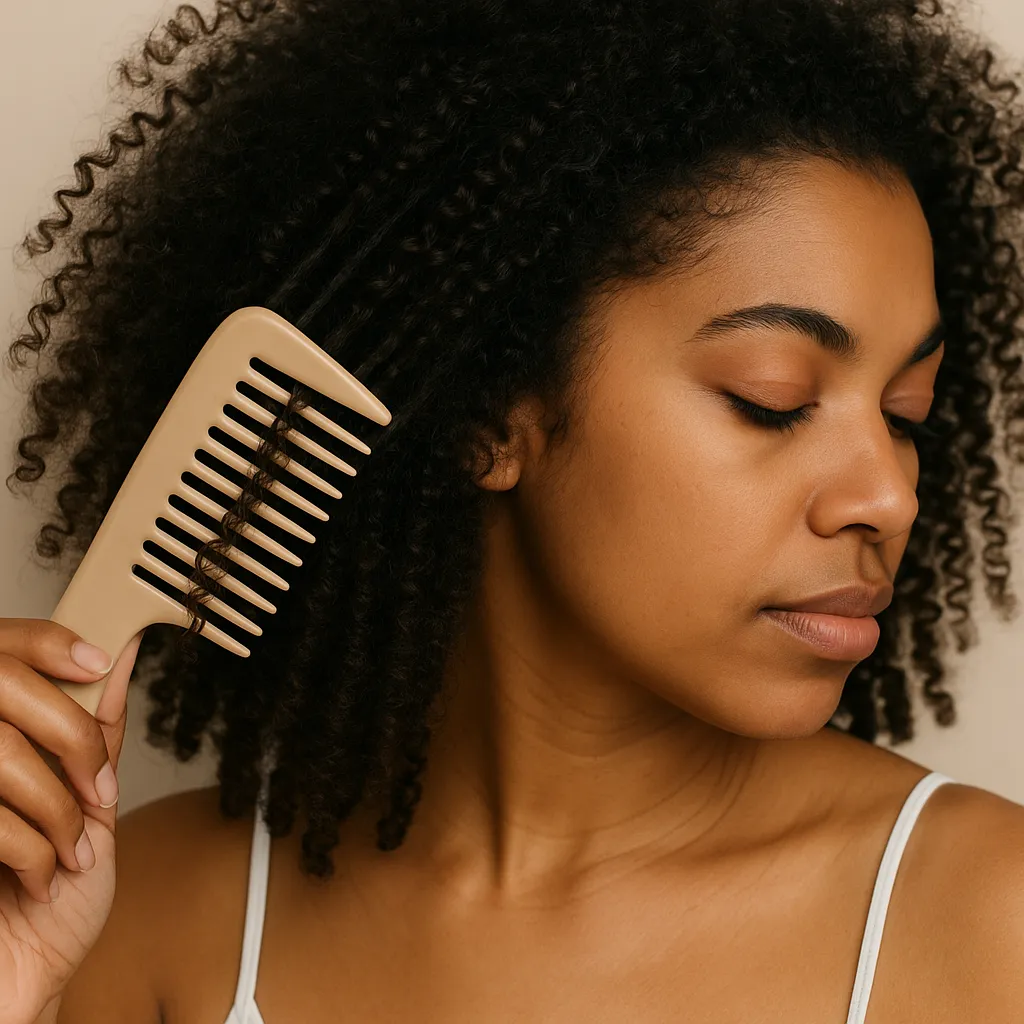
How to Select a Quiet Hair Dryer for Peaceful Early Mornings
Learn how to choose a quiet hair dryer for early mornings without waking the household. Discover noise levels, key features, hair-type tips, and buying checklists for a peaceful, efficient styling routine.
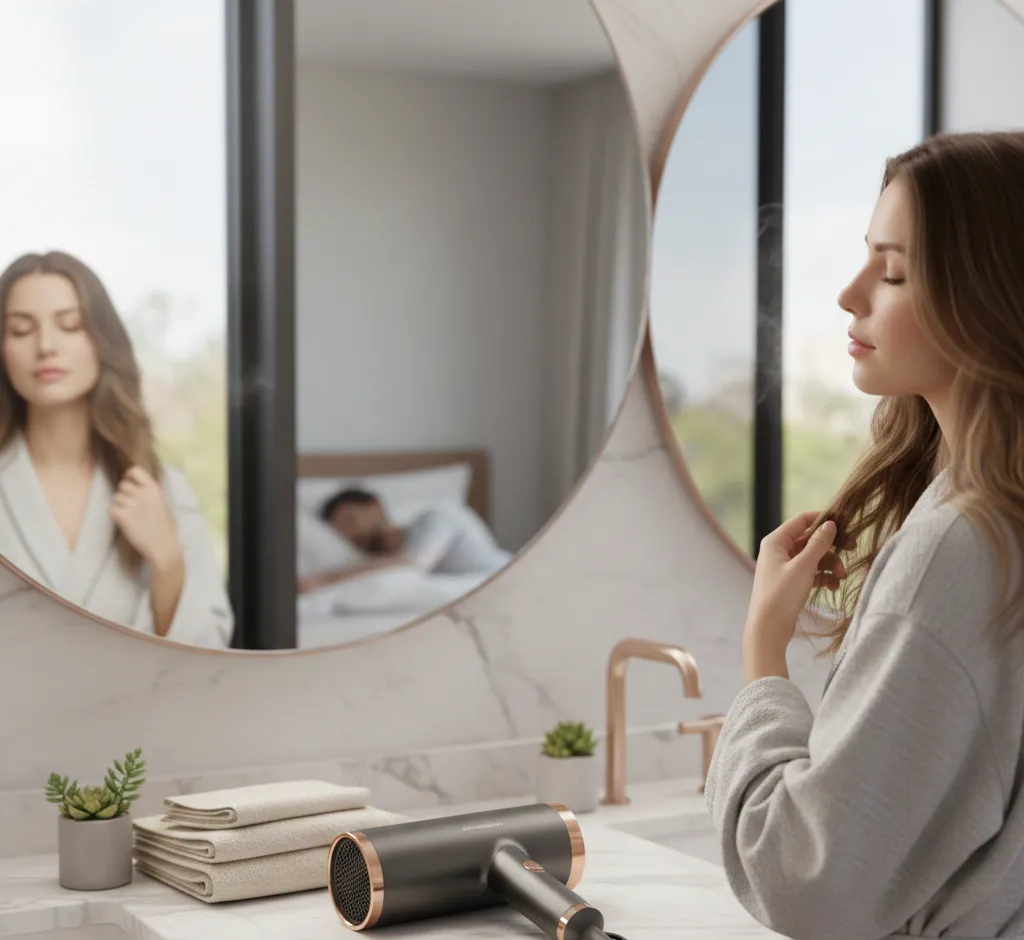
Early mornings often set the tone for your entire day. If you share a home with family, roommates, or light-sleeping partners, the shrill roar of a traditional hair dryer can feel like an alarm clock nobody asked for. That is why choosing a quiet-operation hair dryer is not just about comfort for you, but also about consideration for everyone around you.
This guide walks you through everything you need to know about selecting a quiet hair dryer for early mornings: what decibel levels to look for, which features really matter, and how to balance silence, performance, and price. By the end, you will be able to shop confidently and wake up your style—not the whole household.
Why Noise Level Matters in the Morning
Traditional hair dryers have powerful motors that push a lot of air—but often at the cost of loud, high-pitched noise. In a small apartment or a home with thin walls, that noise easily travels from the bathroom to bedrooms and living areas.
- Sleep disruption: Even short bursts of noise can wake light sleepers and children.
- Stress and tension: Repeated early-morning disruptions can create frustration and conflict at home.
- Your own comfort: High noise levels can feel overwhelming, especially when you are still waking up.
A quiet hair dryer minimizes these problems. While no dryer is completely silent, modern designs significantly reduce noise without sacrificing performance, making early-morning styling far more peaceful.
Understanding Hair Dryer Noise: Decibels Explained
To choose a quiet hair dryer, you need a basic understanding of noise levels, usually measured in decibels (dB). Decibels follow a logarithmic scale, which means that a small numerical increase can represent a significant jump in perceived loudness.
- 30 dB: Quiet library or soft whisper.
- 50 dB: Normal conversation at home.
- 70–80 dB: Typical standard hair dryer on high.
Many quiet-operation hair dryers aim for around 60–70 dB, depending on the setting. That may not sound dramatically different on paper, but in practice it can mean the difference between a jarring roar and a more comfortable hum.
What Noise Level Should You Aim For?
When shopping for a quiet hair dryer for early mornings, look for:
- Under 70 dB on low or medium settings for genuinely quiet operation.
- 60–65 dB or less on eco or whisper modes for ultra-sensitive environments.
Not all brands publish decibel ratings, but when they do, those numbers can be a helpful reference point.
Key Features of Quiet-Operation Hair Dryers
Noise reduction in hair dryers comes from a combination of motor design, airflow engineering, and vibration control. When you compare models, pay attention to these core features.
1. Motor Type and Technology
The motor is the heart of your hair dryer and a major source of noise. Different motor technologies impact both sound and performance.
- DC motors: Common in budget-friendly dryers. They tend to be lighter but can be noisier and less durable.
- AC motors: Often more powerful and durable, but sometimes louder. Some premium AC dryers use better engineering to keep noise down.
- Digital or brushless motors: Found in many high-end “quiet” dryers. They offer efficient, high-speed airflow with less friction, which often means lower noise and longer life.
If your priority is quiet operation, a high-quality digital or brushless motor is often worth the investment, especially for daily early-morning use.
2. Noise-Reduction Design
Beyond the motor, smart design choices help reduce noise:
- Optimized airflow paths: Smooth internal channels reduce turbulence, a major source of whooshing noise.
- Acoustic insulation: Internal dampening materials help absorb sound before it escapes.
- Vibration control: Rubber mounts and balanced fan blades reduce rattling and buzzing.
Look for brands that explicitly mention acoustic engineering, quiet technology, or low-noise design in their product descriptions.
3. Multiple Heat and Speed Settings
Quiet operation is not just about the device itself—it is also about how you use it. Having flexible settings lets you customize performance and noise.
- Low and medium settings: For early mornings, you can choose gentler modes that are naturally quieter.
- Separate heat and speed controls: This allows you to lower airflow noise while still using enough warmth to dry efficiently.
- Cool shot button: Useful for setting your style silently at the end of your routine.
A dryer that forces you to use only “high” for effective drying can be unnecessarily loud. More control equals more flexibility and quieter mornings.
4. Wattage and Power Balance
Higher wattage generally means more power, but not always more noise—especially in well-designed quiet dryers. Most household hair dryers range from about 1,200 to 2,000 watts.
- 1,200–1,400 W: Compact or travel dryers. Usually quieter but slower.
- 1,500–1,800 W: A good balance of speed and noise for everyday use.
- 1,800–2,000+ W: Salon-level power. May be noisier unless specifically engineered for quiet operation.
For early-morning use, aim for a mid-range wattage with a quiet motor and good airflow design. That way you do not trade all your speed for silence.
5. Ionic, Ceramic, and Tourmaline Technologies
While these technologies do not directly determine noise levels, they influence how long you need to use the dryer—and less drying time means less overall noise exposure.
- Ionic technology: Helps reduce frizz and speeds up drying by breaking water droplets into smaller particles.
- Ceramic heating elements: Provide even, consistent heat, reducing hot spots and potential heat damage.
- Tourmaline: Enhances ionic effects, smoothing hair and shortening drying time further.
If your goal is a quick, quiet routine, these technologies can help you get out the door faster while keeping noise to a minimum.
Choosing the Right Dryer for Your Hair Type
A quiet dryer is only truly helpful if it also works well for your specific hair. Matching the features to your hair type can improve results and shorten drying time.
Fine or Thin Hair
Fine hair dries quickly, so your biggest risks are over-drying and frizz.
- Look for lower heat settings and a gentle airflow mode.
- Choose ionic and ceramic technologies to protect shine.
- Use a concentrator nozzle for precise styling without blasting the whole head with high-speed air.
On fine hair, a quieter, lower-power setting is usually more than enough, which pairs well with early-morning noise concerns.
Thick or Coarse Hair
Thick hair needs more power to dry efficiently, but you can still prioritize quiet models.
- Choose a dryer with at least 1,600–1,800 W of power.
- Look for multiple speed settings so you can start on high then switch to medium when others are sleeping.
- Prioritize ionic and tourmaline options to cut down drying time.
Pairing a quiet, high-performance motor with the right settings will allow you to manage thick hair without a prolonged, noisy session.
Curly or Wavy Hair
Curly and wavy hair is prone to frizz, so gentle, controlled airflow is key.
- Make sure the dryer is diffuser-compatible or includes a diffuser attachment.
- Use low heat and low speed for minimal disturbance and frizz.
- Look for ceramic and ionic technology to maintain curl definition.
Because curls are usually dried on lower settings, a quiet-operation hair dryer can make your morning routine almost whisper-soft.
Practical Tips for Quieter Early-Morning Use
Your choice of dryer is only part of the noise equation. How and where you use it also matters. These practical habits can make a noticeable difference, even with a standard dryer.
1. Use Lower Settings When Possible
Noise typically increases dramatically at the highest speed and heat. For early mornings:
- Start on medium heat and speed to get most of the moisture out.
- Switch to low speed as you move into styling and finishing.
- Reserve high settings for emergencies when noise is less of a concern.
With a well-designed quiet dryer, low and medium modes often provide more than enough power for daily use.
2. Change Your Drying Routine
A few simple adjustments can shorten your drying time and therefore reduce overall noise.
- Pre-dry with a towel: Gently squeeze excess water out with a microfiber towel. Avoid rough rubbing, which causes frizz.
- Air-dry briefly: If time allows, let your hair air-dry for 5–10 minutes before you turn on the dryer.
- Section your hair: Dry in sections so you work more efficiently, avoiding repeated passes over the same areas.
The faster your hair reaches the “styling” stage, the less you need the dryer running at all.
3. Choose the Right Location
Where you stand while drying also affects perceived noise.
- Close the bathroom door to contain the sound.
- Avoid walls near bedrooms if you can switch to a different outlet.
- Use bathrooms with more soft surfaces (towels, rugs) that absorb sound rather than echo it.
Even a few meters of distance and one closed door can significantly reduce how loud the dryer sounds in nearby rooms.
4. Maintain Your Hair Dryer
Poor maintenance can make any dryer louder over time.
- Clean the filter regularly: A clogged filter forces the motor to work harder and can increase noise.
- Check for loose attachments: Rattling concentrators or diffusers can add unpleasant sounds.
- Inspect the cord: Damage can affect performance and safety—replace a compromised dryer promptly.
A clean, well-maintained dryer runs more smoothly and quietly, and it will last longer as well.
How to Compare Quiet Hair Dryer Models
With so many options on the market, it helps to compare dryers using a clear checklist. When you are reading product pages or reviews, pay attention to the following points.
1. Look for Published Decibel Ratings
If a brand provides decibel measurements, use them. Compare:
- Noise on low/medium: Critical for early-morning use.
- Noise on high: Helpful for understanding overall design quality.
When ratings are not available, look for reviewer comments about noise level, especially from people who mention using it around sleeping family members.
2. Read Real-World Reviews
User reviews can reveal details that specs do not mention.
- Search phrases like “very quiet,” “surprisingly quiet,” or “did not wake my partner”.
- Note consistent complaints about whining sounds, rattling, or high-pitched noise.
- Pay attention to feedback from users with similar hair types and living situations.
Patterns in reviews usually give you a reliable sense of whether a dryer will really be suitable for early-morning use.
3. Check the Weight and Ergonomics
Quiet operation should not come at the cost of comfort. Heavy, awkward dryers can make your routine more tiring.
- Choose a dryer that is light enough for you to hold comfortably for 10–15 minutes.
- Look for an ergonomic handle and balanced weight distribution.
- Check cord length—a longer cord gives you more flexibility to move away from sleeping areas.
Comfortable handling encourages you to keep using quieter settings because you are not rushing just to give your arm a break.
4. Evaluate Attachments and Accessories
The right attachments can improve both styling results and noise control.
- Concentrator nozzle: Focuses airflow, allowing you to work more efficiently—less time, less noise.
- Diffuser: Essential for curly hair and for reducing the sense of intense airflow on the scalp.
- Storage options: A protective case or heat-resistant mat helps prolong the life of your dryer.
Even simple attachments can make your early-morning routine smoother and quieter.
Price vs. Performance: Is a Quiet Dryer Worth It?
Quiet-operation hair dryers often sit at the mid to high end of the price range. It is natural to wonder whether the extra cost is justified.
When It Makes Sense to Invest
Spending more on a quiet dryer is especially worthwhile if:
- You routinely style your hair early while others are still asleep.
- You live in a small apartment or share walls with neighbors.
- You are noise-sensitive yourself and find loud appliances stressful.
- You want a long-lasting, efficient tool that protects your hair.
High-quality quiet dryers generally offer better motor technology, more precise heat control, and superior build quality—all of which contribute to both comfort and hair health.
Balancing Your Budget
If your budget is limited, you can still reduce noise without buying the most expensive model available.
- Look for mid-range options that highlight quiet design, even if they are not top-tier.
- Prioritize motor quality and noise claims over cosmetic extras like unusual colors or bonus accessories.
- Take advantage of sales and seasonal promotions, especially around holidays.
Even a modest upgrade from a very old, loud dryer to a newer mid-range model can make your mornings noticeably calmer.
Checklist Before You Buy
To make your decision easier, use this quick checklist when evaluating any hair dryer for quiet early-morning use:
- Noise level: Does the brand or reviewers mention low noise, quiet operation, or decibel ratings under about 70 dB?
- Motor type: Is it a high-quality AC, digital, or brushless motor designed for efficiency?
- Settings: Are there separate and adjustable heat and speed controls, including low and medium options?
- Power: Is the wattage appropriate for your hair type—enough to be effective but not excessively powerful and loud?
- Hair type compatibility: Does it suit fine, thick, or curly hair with the right attachments and technology?
- Comfort: Is it lightweight, ergonomic, and easy to hold?
- Technology: Does it include ionic, ceramic, or tourmaline features to shorten drying time?
- Reviews: Do real users confirm that it is quiet enough for shared living spaces?
- Budget: Does the price align with how often you will use it and how important silence is to you?
Creating a Peaceful Morning Hair Routine
Selecting a quiet hair dryer for early mornings is ultimately about improving your everyday quality of life. Instead of tiptoeing around your styling routine or feeling guilty about waking others, you can confidently get ready in peace.
By understanding decibel levels, motor types, and the features that matter most, you can choose a model that fits both your hair and your home. Combine that with smart habits—like using lower settings, pre-drying your hair, and closing doors—and your morning routine becomes calmer, more efficient, and more considerate.
With the right quiet-operation hair dryer, you do not have to choose between looking polished and keeping the household asleep. You can enjoy both: a polished style and a peaceful start to the day.