How to Select Breathable Mesh Laundry Bags: A Complete Buyer’s Guide
Learn how to select the best breathable mesh laundry bags for delicates, sportswear, and everyday clothing. Discover the ideal materials, mesh density, sizes, and features to protect your garments, improve washing results, and extend fabric life.
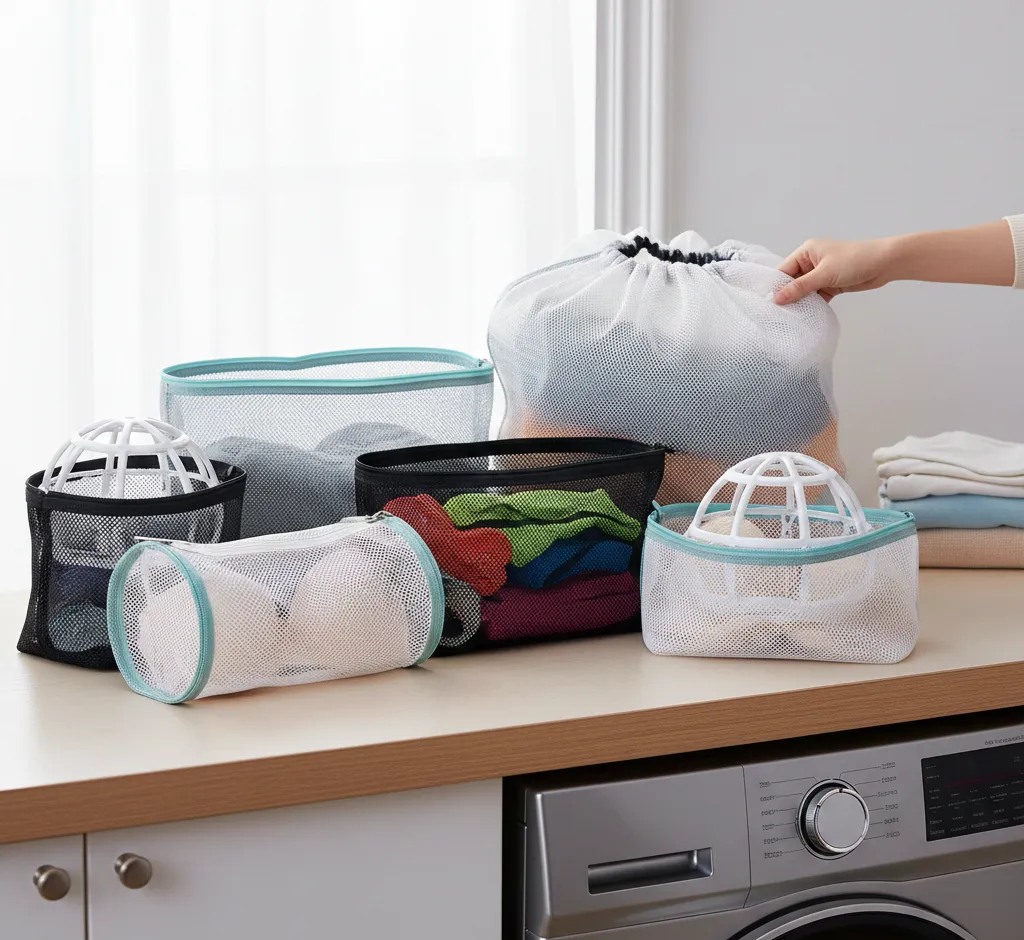
Breathable mesh laundry bags have become an essential laundry accessory for protecting delicate garments, organizing loads, and extending the life of your clothes. Whether you are washing lace underwear, sportswear, baby clothes, or simply trying to keep socks from disappearing, choosing the right mesh laundry bag makes a big difference in both washing performance and fabric care.
This complete guide explains what to look for when selecting breathable mesh laundry bags, how different materials and designs affect your laundry results, and which features matter most for durability, convenience, and hygiene.
What Is a Breathable Mesh Laundry Bag?
A breathable mesh laundry bag is a fabric bag made from a porous, net-like material that allows water and detergent to circulate freely while keeping garments contained and protected. The mesh structure ensures proper flow of water and air, which helps with thorough cleaning and faster drying, while the bag itself prevents stretching, snagging, tangling, and abrasion inside the washer or dryer.
These bags are commonly used for delicates, but they are also ideal for sportswear, baby items, swimwear, lingerie, and small accessories that could otherwise get lost or damaged.
Key Benefits of Using Mesh Laundry Bags
Before you choose the right bag, it is helpful to understand why breathable mesh laundry bags are worth using in the first place.
- Protection for delicate fabrics. Mesh bags create a protective barrier that reduces friction and direct contact with the washer drum or zipper teeth on other garments.
- Improved garment longevity. By preventing stretching, pilling, and snagging, they help your clothes maintain their shape, color, and texture longer.
- Better organization. It is easier to sort laundry by type, owner, or washing program when garments are grouped in separate, clearly visible bags.
- Loss prevention. Socks, baby items, and small accessories stay contained, eliminating the problem of missing pieces.
- Hygienic handling. Mesh bags make it simpler to handle soiled items, such as gym clothes or reusable cleaning cloths, reducing direct contact and cross-contamination.
- Travel and storage use. Many people also use mesh laundry bags for packing, storing seasonal clothes, or separating dirty laundry in a suitcase.
Why Breathability Matters
Not all laundry bags are equal. Breathability is one of the most important factors affecting both wash quality and garment care.
Water and Detergent Circulation
A breathable mesh allows water, detergent, and rinse water to move through the bag easily. This ensures that clothes inside the bag are cleaned as thoroughly as items outside it. If the mesh is too dense or poorly designed, detergent might not rinse out completely, leading to residue, stiffness, and potential skin irritation.
Airflow and Drying
High breathability supports better airflow during spin cycles and in the dryer, helping moisture escape quickly. This reduces drying time and lowers the risk of musty odors or mildew, especially if you leave items in the bag after washing or use the bag for storage when travelling.
Odor and Bacteria Control
Trapped moisture can encourage bacteria and odors to develop, particularly in sportswear, underwear, or reusable cleaning cloths. Breathable mesh reduces this risk by allowing more efficient drying and better air circulation, especially when you hang the bag open after use.
Choosing the Right Material
The material of a mesh laundry bag affects its durability, breathability, and how well it protects your clothes. The most common options are polyester and nylon, sometimes blended with elastane or other fibers.
Polyester Mesh
Polyester is the most widely used material for mesh laundry bags.
- Advantages: Resistant to shrinkage, maintains shape well, offers good abrasion resistance, and is generally affordable. It is also quick-drying and does not readily absorb water.
- Best for: Everyday laundry, delicates, mixed loads, and general household use.
Nylon Mesh
Nylon mesh is slightly softer and more flexible than polyester.
- Advantages: Very strong relative to its weight, often smoother to the touch, and can offer excellent breathability and stretch.
- Best for: Delicate lingerie, lace, hosiery, or garments that need extra gentle handling.
Natural Fiber Blends
Some specialty bags may use natural fibers such as cotton blends.
- Advantages: Softer feel and a more eco-friendly appeal.
- Drawbacks: Less durable in the long term, slow to dry, and typically less breathable than synthetic mesh when wet.
For most users, high-quality polyester or nylon mesh offers the best balance of strength, breathability, and quick drying.
Mesh Density and Hole Size
One of the most critical aspects of a breathable mesh laundry bag is the density of the mesh and the size of the holes. This directly affects both protection and wash performance.
Fine Mesh
Fine mesh has very small openings, creating a smoother surface.
- Pros: Provides maximum protection for delicate fabrics such as lace, silk, hosiery, and bras. Prevents hooks and embellishments from catching on other items.
- Cons: Slightly reduces water flow and may prolong drying time if the material is too thick.
- Ideal for: Lingerie, bras, stockings, silk garments, and items with embellishments or straps.
Medium Mesh
Medium mesh strikes a balance between protection and breathability.
- Pros: Allows excellent water and air circulation while still offering good protection.
- Cons: Less suitable for extremely delicate fabrics compared to fine mesh.
- Ideal for: T-shirts, sportswear, baby clothes, thin knitwear, and mixed loads.
Large Mesh
Large mesh has bigger openings and is most breathable.
- Pros: Maximizes water flow, detergent contact, and rinsing efficiency.
- Cons: Provides less physical protection, so thin fabrics may still rub against the drum or other garments.
- Ideal for: Heavier items such as jeans, towels, hoodies, and sports gear that mainly need containment rather than delicate protection.
For a versatile laundry setup, it is useful to own a mix of fine, medium, and large mesh bags and match the bag type to the garments you are washing.
Size and Shape: Matching the Bag to the Load
Breathable mesh laundry bags come in many sizes, from small pouches for lingerie to large sacks suitable for bedding. Choosing the right size and shape ensures effective cleaning and prevents overcrowding.
Common Bag Sizes
- Small bags: Perfect for underwear, socks, bras, and baby items.
- Medium bags: Ideal for t-shirts, sportswear, and lighter garments.
- Large bags: Designed for sweaters, jeans, towels, and larger items.
- Extra-large bags: Great for bedding, curtains, and bulk items, or for keeping an entire person’s weekly laundry together.
Shapes and Special Designs
- Flat rectangular bags: The most common; versatile and space-efficient.
- Cylindrical or dome-shaped bags: Especially useful for bras, structured sports bras, or padded items that need help maintaining shape.
- Drawstring sacks: Good for collecting dirty laundry, though zippers typically stay closed more securely during washing.
As a general rule, avoid overfilling the bag. Fill it to around half or two-thirds capacity so clothing has room to move, allowing water and detergent to circulate effectively.
Closures: Zipper vs Drawstring
The closure type affects convenience, durability, and how likely the bag is to open during the wash.
Zipper Closures
Zippers are the most popular closure for mesh laundry bags and are preferred for most users.
- Secure closure: Less likely to open during wash cycles when compared with simple drawstrings.
- Zipper guard: Look for bags with a fabric zipper cover or elastic tab that hides the zipper pull to prevent it from scratching the drum or snagging other clothes.
- Durable material: High-quality, rust-resistant zippers (often plastic or coated metal) are important for longevity.
Drawstring Closures
Drawstring bags are useful for storage or for gathering laundry, but are slightly less reliable in the machine.
- Flexible capacity: Can expand to hold a lot of laundry, making them useful for travel or sorting.
- Risk of opening: The string can loosen, and long cords may get tangled in the washer if not secured properly.
- Best use: Transporting laundry or washing larger, sturdy items where a slight opening will not damage fabrics.
For regular machine washing, especially of delicate items, zippered mesh bags with a zipper guard are the safest and most convenient choice.
Durability and Stitching Quality
Because mesh laundry bags undergo repeated spinning, rubbing, and exposure to hot water and detergent, construction quality is crucial.
Reinforced Seams
Choose bags with double-stitched or overlocked seams. Reinforced edges prevent the mesh from tearing and the bag from unraveling over time. Weak seams are often the first point of failure in cheaper bags.
Thick, Yet Breathable Mesh
Good mesh should feel sturdy in the hand without feeling stiff. Very thin mesh may tear easily or deform after a few cycles, while overly thick mesh may reduce breathability. Look for a balanced, robust mesh that still shows clear, open holes.
Quality of the Zipper
The zipper should glide smoothly without catching on the mesh. Check that the zipper is firmly sewn into the bag and that the pull tab does not feel loose or flimsy. Anti-rust and heat-resistant materials are important if you use hot water or the dryer regularly.
Size Sets and Color Coding
Most people benefit from buying sets of mesh laundry bags that include multiple sizes. This makes it easier to organize laundry and choose the right bag for each garment type.
Advantages of Bag Sets
- Versatility: You can wash lingerie, sportswear, and bulky items all in one load while keeping them separated.
- Cost-effective: Sets typically cost less per bag than buying individual pieces.
- Family organization: Assign different sizes or shapes to different family members or laundry categories.
Using Colors for Organization
Some mesh laundry bags come in different colors or have color-coded zippers and seams.
- Use one color for delicates, another for sportswear, and another for baby items.
- Assign each family member a color to keep their clothes separate from sorting to folding.
- Use darker colored bags for dark garments and light bags for whites to avoid dye transfer when sorting and loading.
Specialized Mesh Laundry Bags
Beyond standard rectangular bags, there are specialized designs tailored to specific types of garments.
Bra and Lingerie Bags
These bags are often cylindrical or dome-shaped with structured sides.
- Maintain the shape of padded and underwire bras.
- Prevent hooks from catching on other garments or the bag mesh.
- Reduce twisting and tangling of straps.
Shoe Laundry Bags
Special mesh bags for shoes are usually made from thicker mesh and may have reinforced panels.
- Allow you to wash sneakers or canvas shoes without them banging directly against the drum.
- Help protect both the shoes and the washing machine.
- Have sturdier zippers and seams to handle additional weight.
Baby and Sensitive Skin Laundry Bags
For baby clothes, cloth diapers, and items used by people with sensitive skin, look for bags that:
- Are made from soft, fine mesh to avoid fabric abrasion.
- Are easy to empty completely, with wide openings.
- Can be washed at higher temperatures for hygiene without deforming.
Eco-Friendly and Reusable Options
Reusable breathable mesh laundry bags already contribute to sustainability by reducing the need for disposable laundry products, but some bags go a step further.
- Long-lasting design: Durable stitching and quality mesh reduce how frequently you need to replace bags.
- Low microplastic shedding: Higher quality synthetic fabrics are often engineered to shed fewer microfibers than cheap materials.
- Multi-purpose use: Using your bags for storage and travel instead of single-use plastic bags helps reduce waste.
If sustainability is a key concern, look for brands that specify eco-conscious manufacturing practices or recycled materials, and avoid extremely low-cost options that may tear quickly and end up in landfill.
Practical Tips for Using Mesh Laundry Bags
Selecting the right breathable mesh bags is only half the story. Using them properly will maximize both garment protection and washing performance.
Do Not Overfill
Overstuffed bags prevent water and detergent from circulating. Aim to fill each bag no more than about two-thirds full. Clothes should move freely inside the bag when the drum spins.
Close Zippers Completely
Ensure the zipper is fully closed and tucked into its protective flap if one is provided. This prevents the bag from opening mid-cycle and stops the zipper from scratching surfaces.
Match Bag Type to Garment
- Use fine mesh for delicates, lace, silks, and hosiery.
- Use medium mesh for everyday cottons, synthetics, and baby clothes.
- Use large mesh or reinforced bags for jeans, hoodies, and sports gear.
Use Appropriate Wash Settings
Even with mesh bags, delicate items should still use gentle cycles and lower spin speeds. The bag protects against mechanical damage, but water temperature and chemical exposure still affect the fabric.
Dry and Store Bags Properly
After washing, shake out the bags to remove lint and hang them to dry fully. Storing damp bags can lead to mildew and bad odours. Many mesh bags are dryer-safe, but always check the care label.
How to Evaluate Mesh Laundry Bags Before Buying
When shopping online or in-store, use this simple checklist to choose breathable mesh laundry bags that will perform well and last.
Quick Buyer’s Checklist
- Material quality: Is the mesh made from sturdy polyester or nylon with a consistent pattern and no thin, weak spots?
- Mesh openness: Are the holes large enough to allow easy water flow while still matching the level of protection you need?
- Construction: Are seams double-stitched or reinforced, and does the overall bag feel solid rather than flimsy?
- Zipper design: Is there a zipper guard, and does the zipper close smoothly without catching?
- Size variety: Does the set include a smart range of sizes and shapes to cover different garment types?
- Heat resistance: Can the bags withstand the temperatures you typically use in your washer and dryer?
- User reviews: Do customers mention durability, tear resistance, and zippers that stay closed?
Frequently Asked Questions
Do breathable mesh laundry bags affect how clean clothes get?
When properly sized and not overfilled, breathable mesh bags should not reduce cleaning effectiveness. In fact, they can improve results for delicate items by allowing them to be washed thoroughly without damage. The key is choosing the correct mesh density and leaving enough space for water and detergent to circulate.
Can I use mesh laundry bags in the dryer?
Most polyester and nylon mesh bags are safe for low to medium dryer settings, but always check the manufacturer’s instructions. High heat can damage or warp some plastics and zippers. If in doubt, air-drying both the bag and its contents is the safest option.
How many times can I reuse a mesh laundry bag?
High-quality breathable mesh bags can last for hundreds of wash cycles if you avoid overloading them and keep them away from sharp objects. Inspect your bags regularly for holes, loose seams, or damaged zippers and replace them when they show significant wear.
Should I wash colored items in white mesh bags?
Yes, you can, as long as you keep following standard color-sorting rules (separate light and dark loads). The bag’s color itself usually does not cause dye transfer if it is colorfast and of good quality. However, using darker bags for dark garments and light bags for whites can make sorting and visual checks easier.
Conclusion: Selecting the Best Breathable Mesh Laundry Bags
Choosing the right breathable mesh laundry bags comes down to understanding your garments, laundry habits, and priorities for protection, convenience, and durability. Focus on high-quality synthetic mesh with good breathability, reinforced seams, reliable zippers with guards, and a mix of sizes tailored to your wardrobe.
With the right mesh bags in your laundry routine, you can keep delicate fabrics safe, reduce wear and tear, maintain better organization, and enjoy cleaner, fresher clothes for longer. A thoughtful one-time purchase of quality breathable mesh laundry bags quickly pays off in saved garments, fewer laundry problems, and a more efficient, stress-free wash day.