How to Select GOTS Certified Organic Textiles: A Practical Buyer’s Guide
Learn how to select genuine GOTS certified organic textiles. This practical guide explains labels, certification levels, verification steps, greenwashing red flags, and tips for choosing high-quality, ethical fabrics for clothing, bedding, and home.
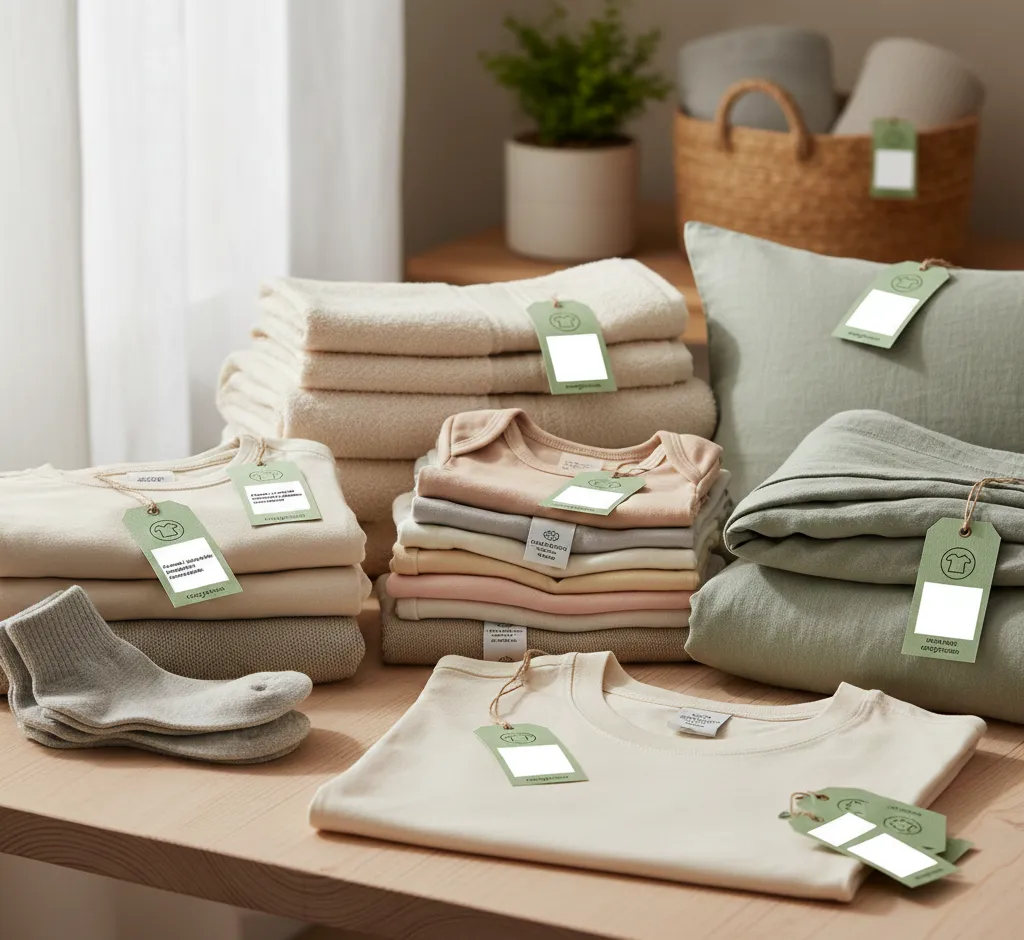
Choosing truly organic, ethically made textiles is not as simple as picking a product that says "natural" or "eco" on the label. Marketing terms are often vague or misleading. If you want verifiable organic standards from farm to finished product, the Global Organic Textile Standard (GOTS) is the most trusted benchmark worldwide.
This guide explains what GOTS certification really means, how to read a GOTS label, what to check before you buy, and how to avoid common greenwashing traps. Whether you are a consumer, a small brand, or a retailer, you will learn how to confidently select GOTS certified organic textiles that match your values, budget, and quality expectations.
What Is GOTS and Why It Matters
GOTS in a nutshell
The Global Organic Textile Standard (GOTS) is an independent, internationally recognized standard for processing organic fibers. It covers the entire textile supply chain, from the harvesting of organically grown raw materials to environmentally and socially responsible manufacturing and labeling.
Unlike many eco-labels that only look at one step, GOTS integrates fiber origin, processing, chemicals, social criteria, and traceability. That is why it is widely seen as the gold standard for organic textiles.
Key requirements of GOTS
- Certified organic fibers: The main fiber (such as cotton, wool, linen) must be organically grown and certified according to recognized organic farming standards.
- Restricted chemicals: Toxic heavy metals, formaldehyde, genetically modified organisms (GMOs), and many hazardous substances are banned. Only GOTS-approved dyes and auxiliaries are allowed.
- Wastewater treatment: Wet-processing units must have functional wastewater treatment systems to protect waterways and ecosystems.
- Social criteria: Facilities must follow key norms of the International Labour Organization (ILO): no child labor, safe working conditions, fair wages, and freedom of association.
- Independent certification: All stages are regularly inspected and certified by approved third-party organizations.
When you select GOTS certified organic products, you support cleaner soils and water, safer working conditions, and lower chemical impact on your skin and home.
Understanding GOTS Labels and Levels
"Organic" vs "Made with Organic"
GOTS distinguishes between two labeling grades based on the percentage of certified organic fibers in the final product:
- "Organic" (Grade 1): At least 95% of the fibers must be certified organic. Up to 5% can be non-organic natural or synthetic fibers if they are permitted by GOTS.
- "Made with organic materials" (Grade 2): 70%–94% of the fibers must be certified organic. The remaining percentage can be other permitted fibers.
If your priority is the highest organic content, always look for the word "organic" on the GOTS label, not just "made with organic." Both grades still meet strict environmental and social criteria, but the fiber content differs.
How a genuine GOTS label should look
A real GOTS label includes more than just the logo. Look for the following elements on the product tag or packaging:
- The GOTS logo (a white shirt shape inside a circular green icon).
- The wording "organic" or "made with organic materials", depending on the grade.
- The license number of the certified company or brand.
- The name of the certifier (for example: Control Union, ECOCERT, Soil Association, ICEA, etc.).
If any of these pieces are missing, or if the logo design looks off, treat the claim with caution and verify it before buying.
Step-by-Step: How to Select GOTS Certified Organic Products
1. Start with your priorities
Before you shop, clarify what matters most for you. This will help you quickly narrow down options and avoid decision fatigue.
- Health and skin sensitivity: Prioritize GOTS for items that touch your skin for long periods, such as bedding, underwear, baby clothes, and T-shirts.
- Environmental impact: Focus on high-fiber-use items like towels, duvets, and basics that you buy often.
- Ethical production: Look for GOTS when you want assurance of better working conditions and restricted chemicals across the supply chain.
- Budget: Decide beforehand whether you prefer fewer, high-quality GOTS pieces or a mix of GOTS and conventional items.
2. Check for explicit GOTS certification
Do not assume that "organic cotton" automatically means GOTS certified. Many products use organic fibers but are processed with conventional, potentially harmful chemicals.
Always look for:
- The GOTS logo and wording on product tags, descriptions, or packaging.
- The license or registration number linked to GOTS.
- The certifier name responsible for auditing the supply chain.
If you buy online, scroll down to the product details section or sustainability tab. Reputable brands will clearly state GOTS certification, not just "organic" as a generic term.
3. Verify certification on official databases
Whenever in doubt, you can cross-check manufacturer claims. GOTS maintains public databases of certified suppliers and products.
- Go to the official GOTS website.
- Use the public database or certified suppliers search tool.
- Enter the brand name, company name, or license number printed on the label.
- Confirm that the company is listed as certified for the relevant product category (for example: apparel, home textiles, yarns).
If you cannot find the company or the license number does not match, ask the seller for clarification or choose another product.
4. Read fiber composition carefully
Even when a product is GOTS certified, the fiber blend might not match your expectations. Always read the composition label or product description.
- For maximum organic content, aim for 95%+ organic fibers with only a small percentage of functional additions such as elastane.
- For products labeled "made with organic materials," expect 70%–94% organic fibers and decide if that is acceptable for your use case.
- Check what the non-organic portion is. Some items may mix organic cotton with recycled polyester to balance performance and sustainability.
If you are very sensitive or seeking fully natural materials, choose products with high organic fiber percentages and minimal synthetics.
5. Evaluate product quality and durability
GOTS certification does not automatically guarantee that you will like the feel, weight, or performance of a product. Always assess quality alongside certification.
- Fabric weight and density: Heavier per square meter (gsm) can indicate more durability for towels or bedding, while lighter fabrics may be better for summer clothing.
- Weave or knit structure: Tight weaves often feel smoother and last longer; open weaves may feel airier but can snag more easily.
- Stitching and finishing: Inspect seams, hems, and buttonholes. Neat, consistent stitching is a sign of better construction.
- Hand-feel: Touch the fabric when possible. Even among GOTS items, softness varies by fiber, yarn quality, and finishing techniques.
High-quality GOTS pieces may cost more upfront, but they often outlast cheaper alternatives, saving money and resources over time.
6. Compare price and value
GOTS certified products usually carry a premium, but the price difference has reasons: organic farming yields less per acre, safer chemical substitutes cost more, and audits add compliance costs.
When comparing products, consider:
- Cost per use: Durable, timeless designs you will use for years offer better value than cheaper, short-lived items.
- Where the product is made: Production in countries with stronger labor protections may come at a higher cost but aligns with ethical standards.
- Brand transparency: Brands that publish detailed information about sourcing, factories, and certifications typically invest more in responsible production.
Set a realistic budget and prioritize the categories where GOTS has the biggest impact for you—such as baby textiles, underwear, or bedding.
Spotting Greenwashing and Misleading Claims
Common red flags to watch for
Not every product that sounds eco-friendly meets the robust criteria of GOTS. Watch out for these warning signs:
- Vague wording: Phrases like "eco fabric," "green line," or "natural collection" without any recognized certifications.
- Missing certifier details: A logo or the word "GOTS" mentioned, but no license number, no certifier name, and no way to verify.
- Partial claims: Only the fabric roll is GOTS certified, but the final product is not certified and does not carry a proper GOTS label.
- Overuse of leaves and earthy colors: Visual design that tries to signal sustainability without substantive information behind it.
When in doubt, remember: if you cannot verify it, you cannot rely on it.
Questions to ask retailers and brands
Asking direct questions often reveals how serious a brand is about certification and transparency. Here are useful questions:
- "Is this finished product GOTS certified, or only some of the materials?"
- "Can you share the GOTS license number or a copy of the certificate?"
- "Which certification body audits your GOTS compliance?"
- "What percentage of the fibers in this product are certified organic?"
Reputable companies will answer clearly and often provide this information proactively on their websites or hangtags.
Choosing the Right GOTS Products for Different Uses
For babies and children
Babies have more delicate skin and spend many hours in direct contact with textiles. Prioritize GOTS certified items for:
- Onesies, bodysuits, pajamas, and socks
- Swaddles, blankets, and sleeping bags
- Crib sheets, mattress covers, and changing pad covers
Look for soft, breathable fabrics like organic cotton interlock or jersey and avoid unnecessary prints or heavy embellishments that add extra chemicals or stiff layers.
For bedding and home textiles
We spend a large portion of our lives in bed, so bedding is one of the most impactful categories for GOTS selection.
- Bed sheets and duvet covers: Choose GOTS certified organic cotton or linen in weaves you enjoy (percale for crispness, sateen for silkier feel).
- Pillowcases and protectors: Prioritize products that touch your face and head for long hours each night.
- Towels and bathrobes: Organic cotton with good gsm (500–700 for bath towels) offers both absorbency and durability.
Neutral colors or yarn-dyed fabrics often require fewer processing steps than bright, high-contrast prints, which can further reduce chemical load.
For clothing and fashion
In apparel, balance style, performance, and certification.
- Everyday basics: Underwear, T-shirts, leggings, and loungewear are good candidates for GOTS because you wear them often and close to the skin.
- Activewear: Some GOTS items blend organic fibers with elastane for stretch. Check that the organic content still meets your goals.
- Seasonal pieces: For outerwear or occasional garments, you might accept a lower organic percentage while still favoring GOTS where available.
Choose classic styles and colors you can combine easily. That way you maximize the use of each GOTS-certified piece and reduce overall consumption.
Care and Longevity of GOTS Organic Textiles
Washing and drying tips
Proper care extends the life of your textiles and protects the qualities that you paid for.
- Follow the care label exactly, especially temperature and drying instructions.
- Use mild, eco-friendly detergents free from optical brighteners, chlorine bleach, and synthetic fragrances whenever possible.
- Wash at lower temperatures when hygiene allows. This saves energy and preserves fibers and colors.
- Air-dry instead of tumble-dry when you can, or use a low-heat setting to minimize shrinkage and wear.
Since GOTS restricts harsh chemical finishes, fabrics may behave more naturally—small shrinkage on the first wash is normal. Check if the brand has pre-washed the fabric or accounted for shrinkage in sizing.
Repair, reuse, and end of life
One of the advantages of GOTS certified organic textiles is their higher potential for safe reuse and recycling compared with heavily treated synthetic fabrics.
- Repair small damages like loose seams or minor holes to extend product life.
- Repurpose worn textiles as cleaning cloths, cushion fillings, or DIY projects.
- Seek textile recycling programs or local initiatives that accept natural fibers when the item is no longer usable.
Treat each GOTS piece as a long-term investment rather than a disposable product. This mindset amplifies the environmental benefits of certified organic production.
Checklist: Before You Buy GOTS Certified Organic
Quick buyer’s checklist
Use this simple checklist to evaluate any textile you are considering:
- Does the product clearly display the GOTS logo and the wording "organic" or "made with organic materials"?
- Is there a license number and certifier name you can verify?
- Does the fiber composition match your preferences for organic content and performance?
- Is the quality (weight, stitching, feel) appropriate for how you plan to use it?
- Does the price make sense in relation to certification, quality, and brand transparency?
- Can you commit to caring for this product properly to maximize its lifespan?
If you can answer "yes" to most of these questions, you are likely making a strong, well-informed choice.
Conclusion: Make Confident, Conscious Choices
Selecting GOTS certified organic textiles is one of the most reliable ways to align everyday purchases with your health, environmental, and ethical values. By understanding what the GOTS label means, verifying certifications, comparing fiber content, and assessing quality, you move beyond marketing claims to evidence-based decisions.
You do not have to transform your entire wardrobe or home overnight. Start with the categories that matter most to you—perhaps baby products, bedding, or skin-contact basics—and gradually build a collection of GOTS certified pieces. Every informed purchase sends a clear signal to the market: transparent, certified, and genuinely organic textiles are not a niche luxury but the new standard we expect.