How to Select Quilted Mattress Protectors Correctly: Complete Buyer’s Guide
Learn how to select quilted mattress protectors correctly with this detailed buyer’s guide. Compare fabrics, waterproofing, fit, breathability, and care to protect your mattress and improve sleep comfort.
Choosing the right quilted mattress protector is one of the simplest and most effective ways to extend the life of your mattress, improve sleep comfort, and protect your investment. Yet with dozens of different materials, thicknesses, and features on the market, it can be surprisingly difficult to know which protector is truly right for you.
This guide explains how to select quilted mattress protectors correctly, step by step. You will learn what to look for in terms of fabric, filling, waterproofing, size, fit, breathability, and care, so you can buy confidently and sleep better for years to come.
What Is a Quilted Mattress Protector?
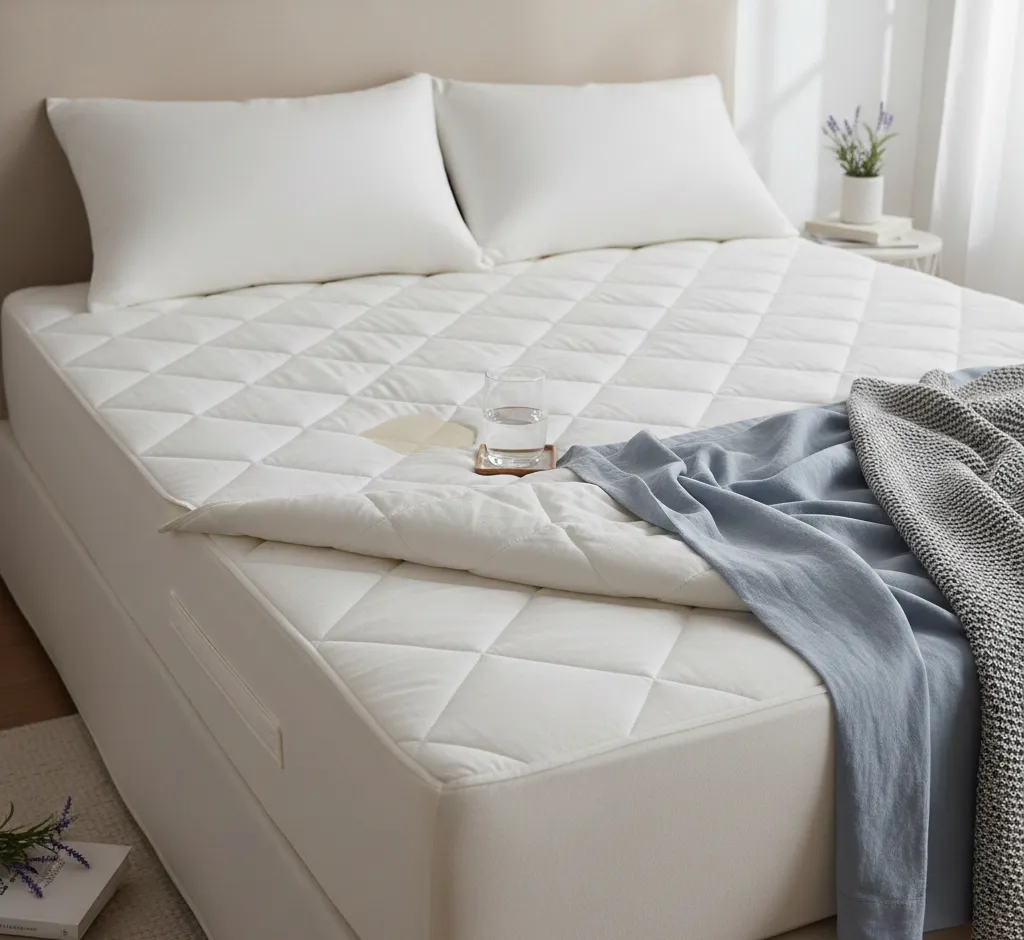
A quilted mattress protector is a removable, padded layer that fits over your mattress to protect it from wear, stains, moisture, dust, and allergens. Unlike a simple fitted sheet, it adds a thin layer of cushioning and insulation between you and the mattress surface.
The term quilted refers to the way the protector is constructed: multiple layers (typically a top fabric, a filling, and a backing) are stitched together in a pattern. This stitching keeps the filling evenly distributed so it doesn’t bunch up or form uncomfortable lumps while you sleep.
Key Functions of a Quilted Mattress Protector
- Protection from stains and spills. Helps shield your mattress from sweat, body oils, drinks, and accidents.
- Extended mattress lifespan. Reduces friction, abrasion, and moisture damage so the mattress retains its comfort for longer.
- Improved hygiene. Creates a washable barrier between your body and the mattress, limiting buildup of dust, dead skin cells, and allergens.
- Extra comfort. The quilted padding can slightly soften a firm mattress or smooth out minor surface imperfections.
- Allergy and asthma support. When combined with tight-weave fabrics, it can help reduce exposure to dust mites and other triggers.
Types of Quilted Mattress Protectors
Understanding the main types helps you quickly narrow down which models match your needs.
By Function: Standard vs. Waterproof
- Standard quilted protectors. These focus on comfort and light protection from everyday wear and minor stains. They usually breathe well and feel soft, but may not stop heavy spills.
- Waterproof quilted protectors. These combine a quilted top with a thin waterproof membrane (often polyurethane) on the underside. They are ideal for children, guests, people who sweat heavily, or anyone wanting maximum protection from liquids.
By Fit: Fitted, Elastic Skirt, or Encased
- Fitted style. Works like a deep fitted sheet with elastic around the corners. Easy to put on and remove, suitable for most users.
- Elastic skirt (fully fitted). Features an elastic skirt that wraps around the sides of the mattress, providing a more secure grip. Recommended for thick or pillow-top mattresses and restless sleepers.
- Encased (zippered) protectors. Enclose the mattress on all sides with a zipper. These are the best for allergy control and full protection but are a bit more complex to put on.
By Material: Natural vs. Synthetic
- Natural fibers. Cotton, bamboo-viscose blends, and sometimes wool are used for breathable, moisture-absorbing protectors. They tend to feel cooler and more comfortable for hot sleepers.
- Synthetic fibers. Polyester and microfiber dominate this category. They are durable, affordable, and wrinkle-resistant, but can trap more heat if not well ventilated.
- Blends. Many quilted protectors combine cotton and polyester to balance softness, strength, and affordability.
Key Factors When Selecting a Quilted Mattress Protector
To select a quilted mattress protector correctly, pay attention to the following criteria. Each one will influence your comfort, protection level, and how long the product lasts.
1. Size and Depth: Getting the Fit Right
The most common mistake is choosing the right length and width but ignoring mattress depth. A protector that is too shallow will slip off the corners and ride up during the night.
- Measure your mattress. Check length, width, and especially height (depth) from bottom to top, including any pillow-top layer.
- Compare with product specs. Look for details like “fits mattresses up to 30 cm” or “deep pocket 40 cm”. Always leave a small safety margin.
- Account for toppers. If you use a mattress topper, measure the combined height to ensure the protector will still fit securely.
A well-fitted quilted protector should hug the mattress snugly without overstretching, and the surface should remain flat and smooth.
2. Top Fabric: Comfort Against Your Skin
The top fabric is the part you will feel most directly under your sheet. Its texture and breathability have a big impact on perceived comfort.
- Cotton. Soft, breathable, and naturally absorbent. A good choice for sensitive skin and warm climates.
- Bamboo-viscose. Known for its silky feel and moisture management. Often marketed as cooling and eco-friendlier, though it is technically a regenerated fiber.
- Microfiber. Fine polyester fibers that feel smooth and often very soft. They dry quickly and resist wrinkles, but can trap more heat if not well ventilated.
- Jersey knit. T-shirt-like cotton or blends that stretch and adapt well to movement, providing a cozy feel.
If you sleep hot, prioritize natural or breathable blends with a smooth, not plastic-like, finish. For very sensitive or reactive skin, look for hypoallergenic labels and avoid heavy chemical finishes or strong synthetic odors.
3. Filling and Quilting: Thickness and Feel
Inside the quilted protector is a thin layer of padding, usually polyester or a fiber blend. This layer affects how plush or firm the surface feels.
- Light padding. Ideal if you like the feel of your current mattress and just want protection, not extra softness.
- Medium padding. Provides a noticeable comfort upgrade and is often the sweet spot for most sleepers.
- Thick padding. Adds a pillow-top feel. Good for firm mattresses that need softening, but may retain more heat.
The quilting pattern (diamonds, channels, or squares) keeps the filling from shifting. Smaller quilt patterns generally hold the filling in place better and wear more evenly over time.
4. Waterproof vs. Non-Waterproof Backing
One of the most important decisions is whether you need a waterproof quilted protector or if a standard version is enough.
When to Choose a Waterproof Protector
- You have young children or pets in the bed.
- You suffer from night sweats or hot flashes.
- You enjoy drinks in bed or have a high risk of spills.
- You rent out the room (e.g., Airbnb) and need robust protection.
Waterproof protectors typically use a thin polyurethane membrane on the underside. The best models remain breathable and quiet, so they don’t feel like sleeping on plastic.
What to Look For in Waterproof Designs
- Noiseless construction. Modern membranes should be soft and silent when you move.
- Breathability claims. Look for descriptions like “breathable waterproof layer” or technical fabric names, and check user reviews about heat buildup.
- Durable bonding. The membrane should be well bonded to the fabric so it doesn’t peel or crack after washing.
If you do not need full waterproofing and primarily want comfort and light daily protection, a non-waterproof quilted protector can feel more airy and natural.
5. Breathability and Temperature Regulation
Overheating is a common complaint with low-quality mattress protectors. Correct selection means balancing protection with airflow and moisture management.
- Choose breathable fabrics. Cotton tops or cotton-rich blends allow better air circulation than dense synthetic-only fabrics.
- Look for moisture-wicking properties. Bamboo-viscose and some technical polyester fabrics are designed to move moisture away from the skin so it can evaporate.
- Avoid overly thick padding if you sleep hot. Extra fill can trap heat. Opt for lighter quilting for a cooler sleep surface.
- Read user feedback. Real-world reviews often specifically mention if a protector sleeps hot or cool.
6. Allergy and Hygiene Considerations
Quilted mattress protectors can help create a cleaner sleep environment, especially if you are sensitive to allergens.
- Tight-weave fabrics. Finer weaves reduce the penetration of dust mites and pet dander.
- Zippered encasements. Fully encased, zippered protectors offer the most comprehensive barrier, particularly when combined with pillow protectors.
- Hypoallergenic labels. While not a guarantee, these indicate the materials are designed to minimize common irritants.
- Wash temperature. Models that can be washed at higher temperatures make it easier to remove allergens, sweat, and bacteria.
For people with asthma or severe allergies, pairing a high-quality encased protector with regular washing often makes a noticeable difference in symptoms.
7. Ease of Care and Durability
A protector only keeps your mattress hygienic if you actually wash it regularly. That is why care instructions matter as much as initial comfort.
- Machine washable. Prefer protectors that can be washed in a standard machine without special detergents.
- Dryer compatibility. Check whether tumble drying is allowed and at what temperature. Line drying will usually extend life further.
- Colorfastness and shrink-resistance. Better-quality fabrics maintain size and color after multiple washes.
- Stitch quality. Inspect or look for comments about stitches holding up. Loose threads and broken quilting lines shorten lifespan.
As a rule, a higher-quality quilted protector should withstand frequent washing without losing shape, thinning dramatically, or having the backing crack or peel.
8. Noise, Feel, and Movement
The “invisible” qualities of a mattress protector can make a big difference in how it feels during the night.
- Noise level. Rub the protector between your fingers or check reviews. It should be virtually silent with body movement.
- Surface feel. Decide whether you prefer a crisp, cool feel (percale-like) or a softer, cozier surface (jersey, brushed microfiber).
- Grip and stability. A protector that frequently shifts or bunches will disturb sleep. Deep pockets and strong elastic help keep it anchored.
Ideally, once the protector and fitted sheet are on, you should barely notice that there is an extra layer beneath you.
9. Certifications and Safety
Since you will spend a third of your life on this product, prioritize materials that are tested for safety and environmental standards where possible.
- Textile certifications. Look for well-known labels (for example, those that test for harmful substances in fabrics) to reduce exposure to unwanted chemicals.
- Clear labeling. Reputable brands disclose fabric composition, membrane materials, and care instructions clearly.
- Odor level. Strong chemical odors out of the package may indicate heavy treatments. If present, air the protector thoroughly before use.
10. Budget, Warranty, and Value
Price differences between quilted mattress protectors can be significant, but the cheapest option is not always the best value.
- Set realistic expectations. Very low-cost protectors may feel rough, be noisy, or degrade quickly after a few washes.
- Balance price and features. Decide which features matter most: waterproofing, natural fibers, deep pockets, or certifications, and invest accordingly.
- Check warranty or guarantee. Some brands offer satisfaction guarantees or multi-year warranties, which can reflect better construction quality.
Because a protector directly influences both mattress lifespan and sleep quality, it is often worth spending a little more for a well-reviewed, durable model.
Step-by-Step Checklist for Choosing Correctly
To simplify your decision, follow this practical checklist whenever you shop for a quilted mattress protector.
- Measure your mattress. Note the length, width, and depth (including any toppers).
- Decide on waterproofing. Honestly assess your need for liquid protection based on lifestyle, children, pets, and sweating.
- Choose top fabric and filling. Pick cotton or bamboo-rich tops for breathability, or microfiber for easy care and budget-friendliness. Select padding thickness based on how much extra softness you want.
- Select the fit style. Fitted, full elastic skirt, or zippered encasement depending on your mattress height and allergy needs.
- Evaluate breathability. If you sleep warm, prioritize light quilting, breathable fabrics, and user reviews mentioning cool sleep.
- Check care instructions. Ensure the protector fits your washing machine and that maintenance feels realistic for you.
- Review durability and safety. Look for strong stitching, reputable brands, clear material disclosures, and relevant safety or textile standards.
- Compare value, not just price. Consider expected lifespan, comfort, and mattress protection against the cost.
Common Mistakes to Avoid
Even informed shoppers sometimes overlook important details. Avoid these frequent errors when selecting a quilted mattress protector.
- Ignoring mattress depth. This leads to protectors that pop off the corners or do not fully cover the sides.
- Choosing the wrong warmth level. Thick, heavily padded protectors can cause overheating for warm sleepers.
- Overlooking noise. Some waterproof layers crinkle loudly until softened by multiple washes. Look for “noiseless” claims and real user feedback.
- Assuming “water-resistant” means waterproof. Read carefully: water-resistant may repel minor spills but fail to protect against larger accidents.
- Buying on price alone. The cheapest option can cost more in the long run if it needs frequent replacement or does not protect the mattress effectively.
How to Care for a Quilted Mattress Protector
Correct care not only keeps your protector fresh and hygienic but also preserves its structure and protective performance.
Before First Use
- Wash before sleeping on it. This removes factory residues and softens the fabric.
- Follow the label exactly. First wash is especially important for avoiding shrinkage or damage.
Ongoing Maintenance
- Wash every 4–8 weeks. Increase frequency during hot seasons or in case of allergies.
- Treat stains promptly. Gently pre-treat before washing to prevent permanent marks.
- Avoid harsh chemicals. Bleach and high-heat drying can degrade waterproof membranes and weaken fibers.
- Rotate with a spare. Having two protectors makes it easier to keep the bed protected while one is being washed.
By caring for your quilted mattress protector properly, you support a healthier sleep environment and ensure that your mattress stays in better condition for longer.
Final Thoughts: Matching the Protector to Your Sleep
Selecting a quilted mattress protector correctly is less about chasing the most expensive product and more about matching features to your real needs. Think practically about who uses the bed, how warm you sleep, whether liquids are a concern, and how often you are willing to wash the protector.
When you get the size, materials, waterproofing, and breathability right, a good quilted mattress protector becomes almost invisible in daily use—you simply enjoy a cleaner, more comfortable bed and a mattress that stays supportive and fresh for many years.