How to Select Reversible Duvet Covers: The Complete Buyer’s Guide
Learn how to select the best reversible duvet covers with this complete buyer’s guide. Discover the right fabrics, sizes, designs, and features for comfort, durability, and style.
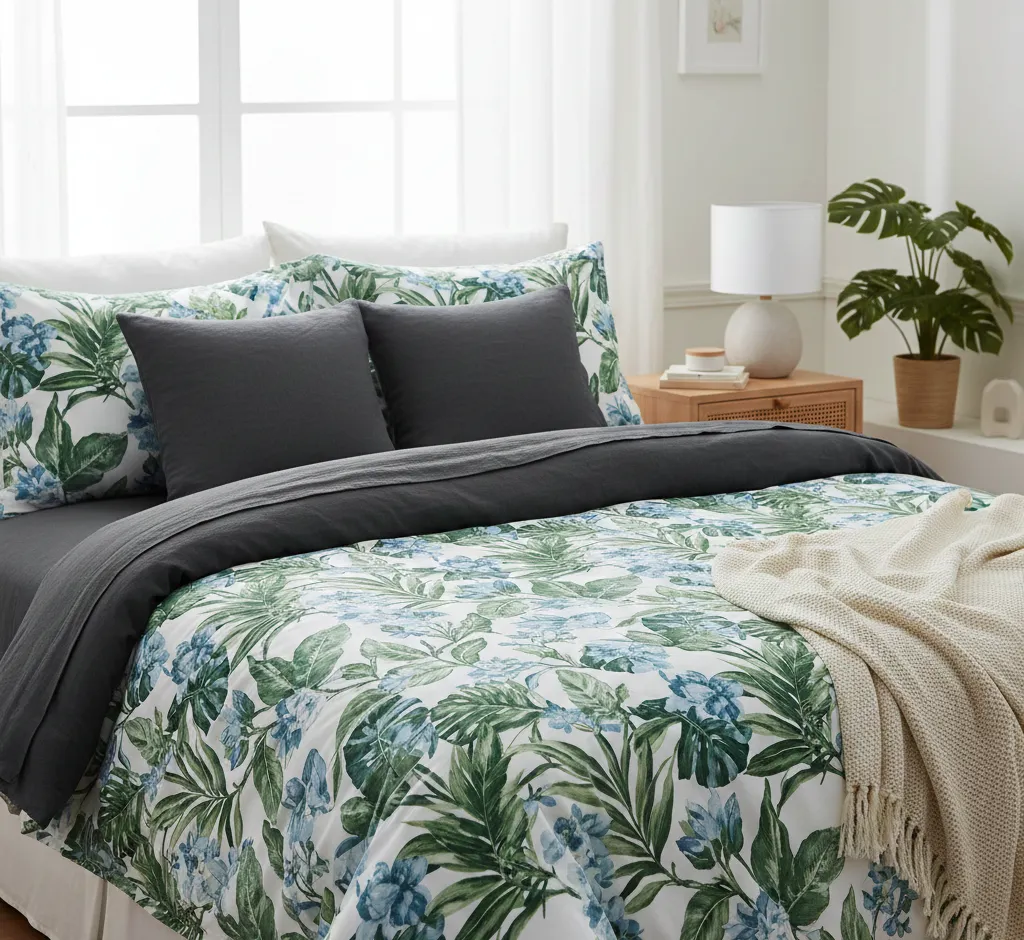
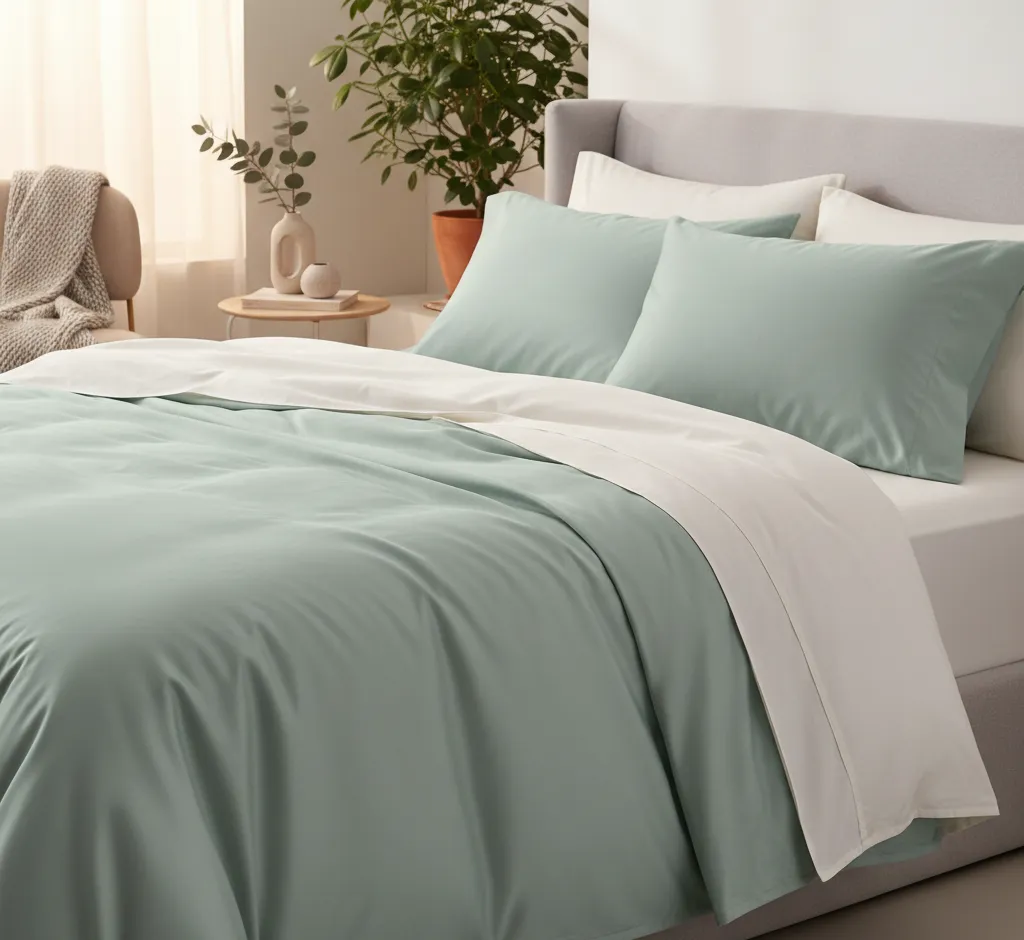
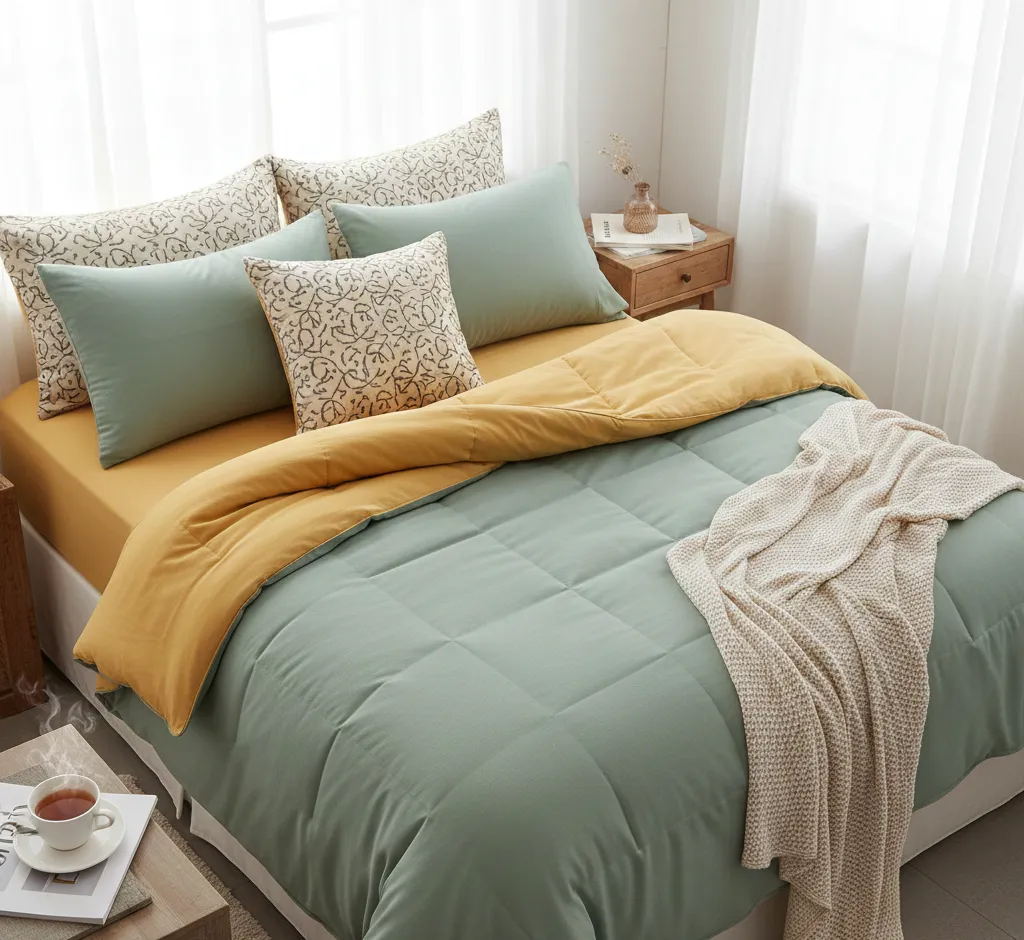
Reversible duvet covers are one of the easiest ways to refresh your bedroom without buying new bedding every season. With two distinct looks in a single cover, you can flip your duvet to match your mood, the time of year, or a new decor trend—often at a fraction of the cost of buying multiple sets.
However, not all reversible duvet covers are created equal. To make a smart, long-lasting purchase, you need to look beyond color and pattern. Fabric quality, construction, closure type, sizing, and even how the pattern is printed all influence how your duvet will look and feel over time.
What Is a Reversible Duvet Cover?
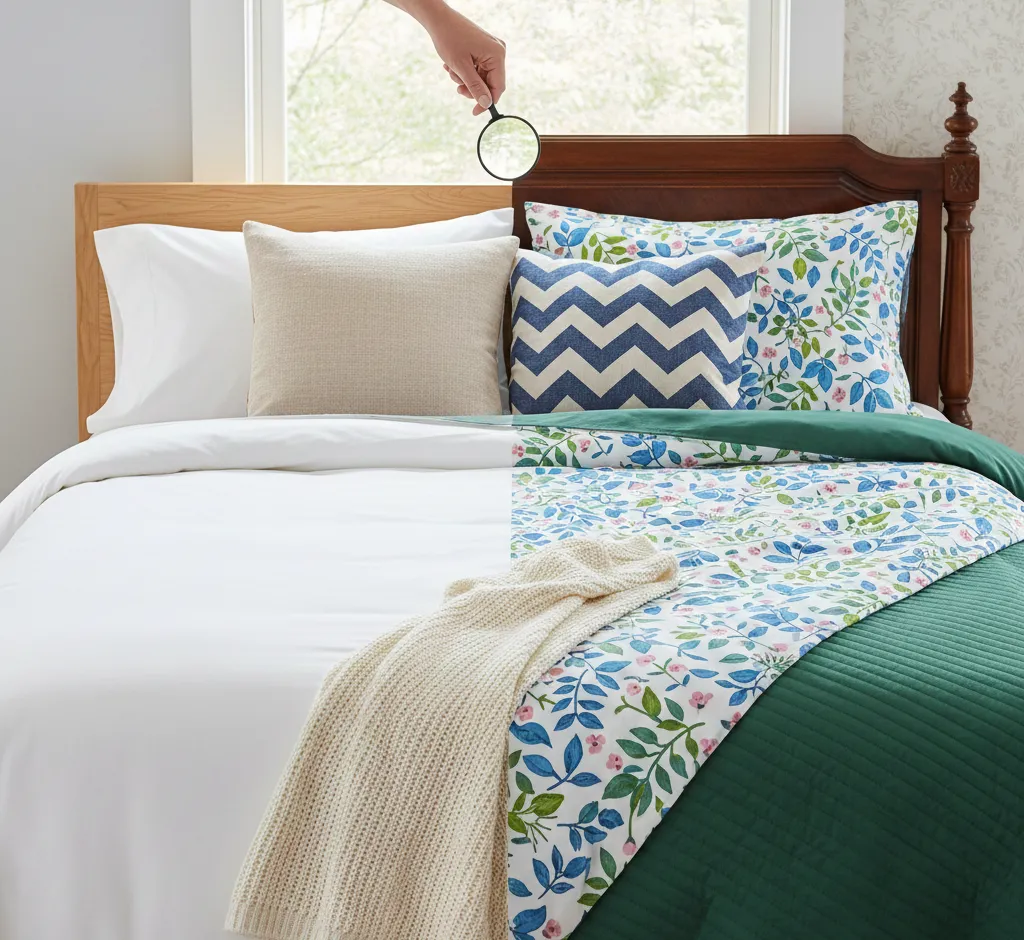
A reversible duvet cover is designed with two usable sides, each featuring a different color, pattern, or texture. Instead of having a plain underside, both faces are made to be seen and styled. You simply flip the duvet to reveal a new look, giving you instant variety without extra storage or expense.
Key benefits of reversible duvet covers
- Two looks in one: Easily switch between patterns or colors to freshen your space.
- Cost-effective: One cover replaces multiple sets, saving money and storage space.
- Seasonal flexibility: Use a brighter side in spring and summer, and a deeper, cozier side in fall and winter.
- Style experimentation: Try bolder prints on one side and something more neutral on the other.
When selecting a reversible duvet cover, think of it as choosing two covers that must both meet your standards for comfort, durability, and aesthetics.
Choosing the Right Fabric
Fabric is the foundation of any duvet cover. It determines how the cover feels against your skin, how warm or cool it sleeps, and how well it holds up to frequent washing and flipping.
Cotton: The versatile classic
Cotton is the most popular choice for reversible duvet covers thanks to its breathability, softness, and durability. It suits most climates and sleeping preferences.
- Pros: Breathable, widely available, easy to wash, suitable for sensitive skin (especially if certified organic).
- Cons: Can wrinkle; quality varies dramatically by weave and thread count.
Popular cotton weaves
- Percale: Crisp, cool, and matte. Ideal for hot sleepers and warmer climates. Look for 200–400 thread count for a good balance of softness and durability.
- Sateen: Smooth, silky, and slightly lustrous. Feels warmer and heavier than percale, making it great for cooler rooms.
- Jersey: T-shirt–like knit that feels cozy and stretchy. Perfect for casual, laid-back bedrooms and cold sleepers.
Linen: Relaxed and breathable luxury
Linen, made from flax, is prized for its breathability and naturally rumpled, relaxed look. It is ideal for warm climates and people who dislike feeling hot at night.
- Pros: Excellent airflow, moisture-wicking, becomes softer with each wash, timeless texture.
- Cons: Can feel rough initially, wrinkles easily, often more expensive than cotton.
Microfiber and polyester blends: Easy-care and budget-friendly
Microfiber and polyester blends are woven from synthetic fibers and are commonly used in affordable reversible duvet covers.
- Pros: Very soft out of the package, resistant to wrinkles, often more affordable, vibrant colors that resist fading.
- Cons: Less breathable than natural fibers, can trap heat, may pill over time, not ideal for very hot sleepers.
Bamboo and other eco-conscious options
Bamboo-derived fabrics (such as bamboo rayon or viscose) and other sustainable fibers are increasingly popular for reversible duvet covers.
- Pros: Typically soft, smooth, and breathable; often marketed as moisture-wicking and cooling.
- Cons: Quality varies; some bamboo fabrics can be delicate or require gentle care.
Fabric tips for reversible designs
- Make sure both sides use the same or similar quality fabric so one side does not feel noticeably rougher or thinner.
- If you sleep hot, prioritize breathable natural fibers like cotton percale or linen for both faces.
- Check care instructions; reversible covers need more frequent washing, so machine-washable fabric is best.
Understanding Thread Count and Weight
Thread count and fabric weight are often misunderstood. Higher numbers do not automatically mean better quality, especially for reversible duvet covers that must remain flexible and not overly heavy.
Thread count basics
Thread count refers to the number of threads woven into one square inch of fabric. For most cotton duvet covers, a thread count between 200 and 400 is ideal.
- Below 200: Fabric may feel rough or flimsy, and colors might show through between the two sides.
- 200–400: A balanced range that offers softness, strength, and good airflow.
- Above 400: Can be softer, but not always; sometimes achieved through multi-ply threads, which can create a heavier, less breathable fabric.
Considering fabric weight
Because reversible duvet covers essentially stack two layers of fabric, overall weight matters.
- If you prefer a lightweight feel, look for mid-range thread counts and lighter weaves like percale.
- If you want a cozier, more substantial feel, sateen or slightly heavier cotton can work well without becoming too hot.
- For children’s rooms or guest rooms where the duvet will be flipped often, a medium weight fabric is usually the most practical.
Design and Aesthetics: Two Looks, One Cover
The main appeal of reversible duvet covers is visual versatility. Each side should complement your bedroom while offering a distinct mood or style.
Coordinate with your existing decor
Before choosing a pattern, examine the colors and textures already in your bedroom: wall paint, curtains, rugs, and furniture. A reversible cover should harmonize with all of these from both sides.
- Pick one side that matches your core palette (neutrals or main color scheme).
- Use the other side to introduce accent colors or bolder patterns you can pick up in smaller decor items.
- Ensure both faces look good with your pillow shams and sheets.
Mixing prints and solids
A practical strategy is to choose one patterned side and one simpler side.
- Pattern + solid: Ideal if you want flexibility. The solid side works as a calm backdrop, while the pattern adds drama when you flip it.
- Two complementary patterns: Works well if one pattern is larger scale (like broad stripes or big florals) and the other is smaller scale (like dots or tiny geometrics).
- Two solids: Simple and minimal, great for modern spaces where you want quick color changes without busy prints.
Color strategy for year-round use
Use color intentionally so both sides feel seasonally appropriate.
- Choose lighter or brighter tones (whites, pastels, soft blues) for spring and summer.
- Choose richer, deeper hues (charcoal, navy, burgundy, forest green) for fall and winter.
- Consider a neutral base on at least one side so it never clashes with evolving decor.
Pattern alignment and quality
Look closely at product photos or the cover itself (if shopping in-store) to assess visual quality.
- Check that patterns align properly at seams and along the edges.
- Ensure colors look saturated and even on both sides, with no patchy or faded areas.
- Confirm that the reverse side is fully finished and not a faded version of the front.
Construction Quality and Durability
Because reversible duvet covers are turned and flipped often, they must be well made. Construction quality determines how long your cover will stay attractive and functional.
Seams and stitching
- Inspect the seams (or zoom in on online photos) for tight, even stitching without loose threads.
- Look for double stitching or reinforced seams, especially along the edges and at the corners.
- Check that the stitching does not pull or pucker the fabric on either side.
Closures: Buttons, zippers, and ties
The closure is a small detail with a big impact on daily use.
- Buttons: Classic and easy to repair, but can open during the night if spaced too far apart. Look for reinforced buttonholes.
- Zippers: Create a clean, secure finish. Make sure they are hidden or color-matched and have smooth operation so they do not catch fabric.
- Ties or envelope-style closures are less common but can work well in minimalist designs.
Corner ties and internal fasteners
To keep the duvet insert from bunching or shifting inside the cover, corner ties or loops are essential.
- Look for at least four internal ties (one at each corner).
- Some premium covers add side ties for extra stability, which is especially useful with slippery inserts.
- Ensure the ties are securely stitched and accessible from either side, since the cover will be flipped.
Size and Fit: Avoiding Gaps and Bunching
A beautiful reversible duvet cover will only look its best if it fits your insert properly. Too large, and it looks saggy; too small, and it feels stiff and overfilled.
Match the cover to your insert
- Check the exact dimensions of your duvet insert (length and width) and compare them to the cover, not just the size label (Twin, Full, Queen, King, etc.).
- Some brands intentionally make covers slightly smaller to create a loftier look; this can work well with thinner inserts.
- Aim for a difference of no more than 2–3 cm either way for a smooth, full appearance.
Consider insert thickness
Reversible covers with two heavier fabric layers may slightly reduce internal space, which matters if you have a very thick insert.
- If your duvet insert is extra lofty, avoid very heavy fabrics on both sides.
- For a thinner summer insert, a reversible cover can add just enough weight for a comfortable feel.
Comfort and Sleep Preferences
Your ideal reversible duvet cover should feel good in every season and under different sides. Consider your temperature preferences and skin sensitivity.
For hot sleepers
- Choose breathable fabrics like cotton percale or linen on both sides.
- Avoid heavy sateen or thick microfiber if you tend to overheat.
- Opt for lighter colors that reflect rather than absorb heat.
For cold sleepers
- Consider cotton sateen, jersey, or brushed fabrics that feel warm and cozy.
- Deeper, richer colors can enhance the feeling of warmth and comfort.
- Pair your reversible cover with a medium- to high-loft insert for extra insulation.
For sensitive skin
- Look for organic cotton or OEKO-TEX certified fabrics that are tested for harmful substances.
- Avoid rougher textures or heavily treated, stiff fabrics.
- Wash the duvet cover before first use to remove any residual finishes.
Care, Maintenance, and Longevity
Reversible duvet covers are flipped and washed more often than standard covers, so easy care is essential. Proper maintenance will keep both sides fresh and vibrant.
Check care labels
- Confirm the cover is machine-washable and note recommended temperature and cycle.
- For bright or dark colors, choose cold water washes to protect against fading on both sides.
- Use mild, gentle detergent and avoid excessive bleach or harsh chemicals.
Drying and ironing
- Tumble dry on low heat to minimize shrinkage and protect colors.
- Remove promptly from the dryer to reduce wrinkles, especially with cotton and linen.
- If you prefer a crisp look, lightly iron or steam the cover on both faces as needed.
Maintaining color and print quality
- Turn the cover inside out before washing to protect the printed surfaces.
- Wash with similar colors to avoid dye transfer.
- Rotate which side faces out from time to time so one face does not wear or fade faster than the other.
Special Features to Look For
Some reversible duvet covers include thoughtful extras that make them more comfortable, attractive, or easier to use.
Envelope-style pillow shams
Many duvet covers are sold as sets with matching shams. For reversible designs, check whether the pillow shams are also reversible and how they close.
- Look for envelope closures to keep pillows fully covered.
- Make sure patterns or colors on the shams match or complement both sides of the duvet.
Reversible edge finishes
Some covers use piping, embroidery, or decorative stitching along the edges.
- Ensure any decorative details look intentional on both sides and do not favor only one face.
- Check that embellishments are smooth and secure so they do not snag or feel uncomfortable.
Eco-certifications and transparency
If sustainability is important to you, pay attention to environmental and safety certifications.
- Look for labels like OEKO-TEX Standard 100, GOTS (Global Organic Textile Standard), or similar.
- Brands that share fabric composition, manufacturing location, and care details openly tend to prioritize quality.
Budgeting and Value for Money
Reversible duvet covers generally offer excellent value because you get two looks from one purchase. Still, it pays to balance price with long-term durability.
How much should you spend?
- Entry-level: Synthetic or cotton-poly blends are often the most affordable and can be great for guest rooms or short-term use.
- Mid-range: Quality cotton percale or sateen reversible covers provide the best balance of price, comfort, and durability.
- Premium: Linen, organic cotton, or designer prints cost more but can last for many years with proper care.
Evaluating value beyond price
- Judge value by fabric quality, construction, and versatility rather than price alone.
- A reversible cover that coordinates with multiple sheet sets and decor styles can effectively replace two or more standard covers.
- Read customer reviews focusing on color accuracy, feel, and long-term wear.
Step-by-Step Checklist for Selecting a Reversible Duvet Cover
To make your decision easier, use this quick checklist when comparing options online or in-store.
- Confirm your size: Measure your duvet insert and match dimensions, not just size labels.
- Choose a fabric: Decide between cotton, linen, microfiber, bamboo, or blends based on comfort and climate.
- Check thread count and weight: Aim for 200–400 thread count for cotton and a medium overall weight for comfort.
- Evaluate design on both sides: Make sure each side works with your bedroom’s color palette and style.
- Inspect construction: Look for even stitching, secure seams, and high-quality closures (buttons or zippers).
- Look for corner ties: Ensure there are internal ties or loops to keep your insert from shifting.
- Review care instructions: Confirm that the cover is machine-washable and easy to maintain.
- Consider certifications: If important to you, check for organic or safety certifications like OEKO-TEX.
- Compare price vs. longevity: Balance upfront cost with expected durability and style flexibility.
Final Thoughts
A well-chosen reversible duvet cover is more than just a decorative layer—it is a practical, flexible tool for transforming your bedroom as often as you like. By paying attention to fabric type, construction quality, design harmony, and fit, you can find a cover that feels luxurious, looks beautiful on both sides, and stands up to years of use.
Take your time, compare options, and imagine how each side of the duvet will look with your existing decor. With a thoughtful choice, you will enjoy the pleasure of a refreshed bedroom simply by flipping your duvet cover—no renovation or major shopping spree required.