How to Select the Perfect Down Alternative Comforter: A Complete Buyer’s Guide
Learn how to select the perfect down alternative comforter with this complete buyer’s guide. Compare fill types, warmth levels, fabrics, sizes, and care tips to find a hypoallergenic, cozy, and long-lasting option for every season.

Choosing the right down alternative comforter can transform your sleep, your allergies, and even the way your bedroom looks. With so many options on the market, it is easy to feel overwhelmed by technical terms like GSM, fill power alternatives, baffle box construction, and microfiber shells.
This comprehensive guide explains exactly how to select a down alternative comforter that matches your sleeping style, climate, budget, and ethical preferences. Use it as a checklist before you buy so you can enjoy long-lasting comfort and value.
What Is a Down Alternative Comforter?
A down alternative comforter is a comforter filled with synthetic or plant-based materials designed to mimic the loft, softness, and warmth of natural down, without using feathers. These comforters are usually made with polyester microfiber, recycled fibers, or natural fill alternatives like bamboo or eucalyptus.
Why Choose Down Alternative Instead of Down?
- Hypoallergenic: Many people are sensitive or allergic to natural down and feathers. Down alternative is often less likely to trigger allergies or asthma.
- Cruelty-free and vegan: Because there are no animal feathers, down alternative comforters are an ethical choice for shoppers avoiding animal-derived products.
- Easier to care for: Most down alternative comforters can be machine washed and dried at home, while many down comforters require special cleaning.
- More budget-friendly: Quality down is expensive. Down alternative typically offers a softer price point while still providing excellent warmth and comfort.
Key Factors to Consider Before You Buy
Before choosing a specific model, it helps to clarify what you actually need. The best down alternative comforter for you depends on how you sleep, the climate you live in, and how you plan to use and care for it.
1. Your Sleeping Temperature
One of the most important factors is whether you tend to sleep hot, cold, or somewhere in between.
- Hot sleepers: Look for lightweight or cooling down alternative comforters with breathable shells and moisture-wicking materials. Avoid very high GSM or ultra-thick comforters that trap heat.
- Cold sleepers: Choose a medium to heavy-weight comforter with higher fill weight and efficient construction that traps warm air.
- Mixed sleepers or couples: If one partner sleeps hot and the other cold, consider a medium-weight, all-season comforter or even two twin comforters on a larger bed for personalized comfort.
2. Your Climate and Season
Think about how you will use the comforter throughout the year. Many brands label their products as summer, winter, or all-season.
- Warm or humid climates: Opt for lightweight or cooling comforters made with breathable fabrics like cotton, bamboo, or Tencel shells combined with airy microfiber fill.
- Cold or dry climates: A medium-to-heavy-weight comforter with a denser fill is ideal for retaining warmth on chilly nights.
- Year-round use: An all-season comforter is designed to strike a balance between warmth and breathability, often the best choice for most households.
3. Allergies and Sensitivities
If you have allergies, asthma, or sensitive skin, the right materials and finishes matter.
- Hypoallergenic filling: Most down alternative fills are naturally hypoallergenic, but look for products explicitly labeled "hypoallergenic" or "allergy-friendly."
- Tight-weave shell: Fabrics with a tight weave help block dust mites and reduce allergen buildup.
- Free from harsh chemicals: Look for certifications such as OEKO-TEX Standard 100 that indicate the fabric has been tested for harmful substances.
Understanding Down Alternative Fill Materials
The fill is the heart of the comforter. It determines how soft, warm, and durable your comforter will be.
Common Synthetic Fills
- Polyester microfiber: The most common down alternative fill. Fine fibers create a soft, fluffy texture that mimics down, with varying levels of warmth depending on density.
- Clustered polyester: Small, down-like clusters that increase loft and resilience. These clusters can feel closer to natural down than standard polyester batting.
- Gel-infused fibers: Some down alternative comforters use gel-infused polyester to improve temperature regulation and reduce overheating.
Eco-Friendly and Natural Alternative Fills
- Recycled polyester: Made from recycled plastic bottles or fabric scraps, this option helps reduce environmental impact while offering similar performance to traditional polyester.
- Bamboo or eucalyptus blends: Natural-based fibers known for breathability, moisture-wicking, and a cool-to-the-touch feel, ideal for hot sleepers.
- Plant-based fibers: Some brands use corn, soy, or other plant-derived fibers as a sustainable alternative to traditional polyester.
How Much Fill Do You Need?
Down alternative comforters do not use fill power in exactly the same way as natural down, but they do vary in GSM (grams per square meter) or fill weight. Generally:
- Lightweight: Approximately 150–250 GSM. Best for summer or hot sleepers.
- Medium/all-season: Approximately 250–350 GSM. Suitable for most climates and sleepers.
- Heavy/winter: 350 GSM and above. Ideal for very cold climates or people who get cold easily.
If GSM is not listed, rely on how the brand describes the warmth level (lightweight, all-season, extra warm) and read customer reviews for real-world feedback.
Outer Fabric: Shell Materials and Weave
The outer shell affects not only the feel of your comforter against the skin but also its breathability, durability, and noise level.
Popular Shell Fabrics
- Cotton: Soft, breathable, and familiar. Long-staple cotton or cotton sateen feels smooth and luxurious, while percale offers a crisp, cool touch.
- Microfiber: A very fine polyester fabric that is soft and often more affordable, but may trap more heat and feel less breathable than natural fibers.
- Bamboo or Tencel (lyocell): Derived from plants, these fabrics are smooth, breathable, and excellent at wicking moisture away from the body.
Thread Count and Weave
Higher thread count does not always mean better, but it can affect softness and durability.
- Thread count 200–300: Generally breathable and durable enough for most sleepers.
- Thread count 300–500: Often softer and more luxurious, though very high thread counts can sometimes reduce breathability.
- Weave type: Percale is crisp and cool, sateen is silky with a slight sheen, and plain weaves sit in the middle.
If you are a hot sleeper, avoid extremely high thread counts and very dense weaves, as they may trap more heat.
Construction and Design Details That Matter
Two comforters with identical materials can feel very different because of how they are constructed. The stitching pattern, baffle design, and edge finishing all influence warmth and durability.
Baffle Box vs. Sewn-Through Construction
- Baffle-box construction: Uses internal fabric walls between the top and bottom layers to create individual chambers for the fill. This allows the fill to loft fully, offering more uniform warmth and reducing cold spots.
- Sewn-through construction: The top and bottom layers are stitched directly together. This is usually lighter and more affordable but can create areas with less fill and slight cold spots, especially in thicker comforters.
If you want a loftier, warmer comforter, especially for winter or cold climates, baffle-box construction is often the better choice. For lightweight, summer, or budget-friendly options, sewn-through can be perfectly adequate.
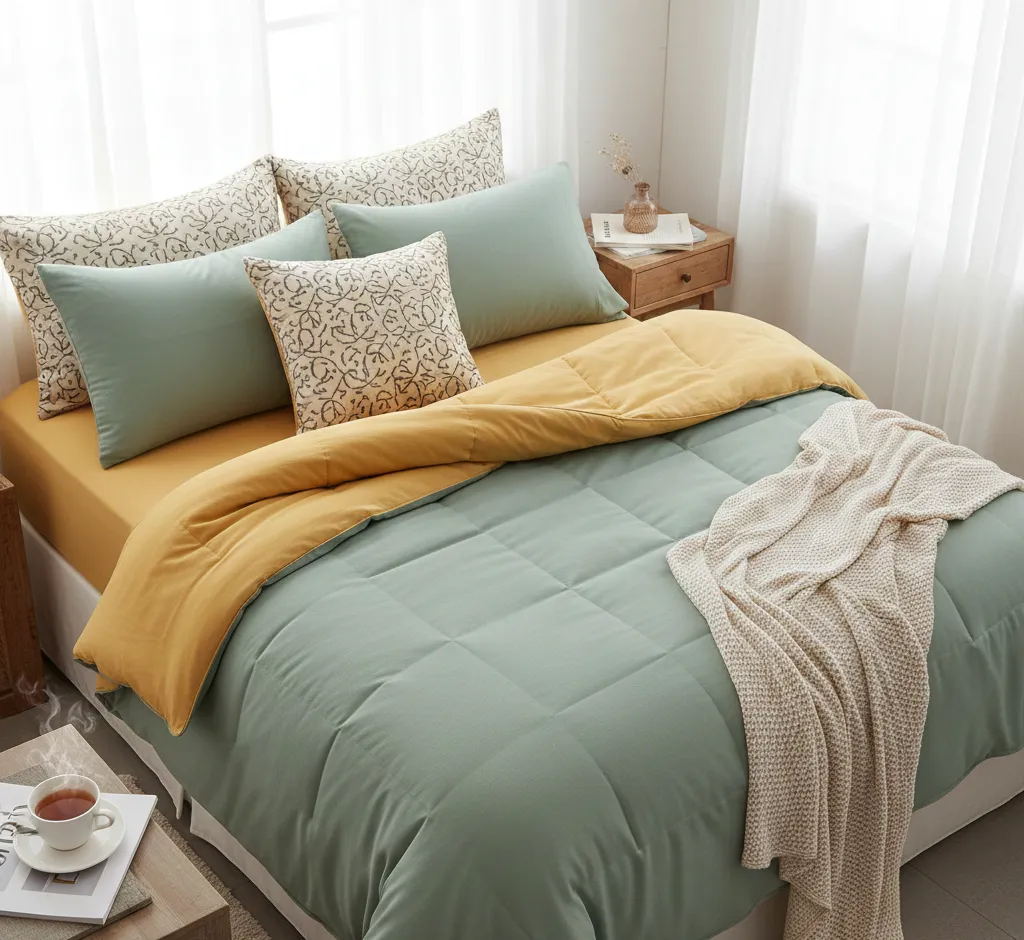
Box Size and Quilting Pattern
The size of each box or quilted section helps determine how evenly the fill stays in place.
- Smaller boxes (e.g., 8"–10"): Help prevent shifting and clumping, improving consistency.
- Larger boxes: Can feel fluffier but may allow fill to migrate over time.
- Specialty patterns: Diamond, wave, or channel quilting can add visual interest but should still keep the fill well-distributed.
Edge Finishing and Seams
Look for strong, double-stitched or piped edges. Quality seams help prevent down alternative fibers from escaping and improve overall durability, especially if you plan to wash the comforter regularly.
Size and Fit: Getting the Right Dimensions
A comforter that is too small will not provide enough coverage, while one that is too large can drag on the floor or feel bulky. Standard mattress sizes exist, but mattress thickness and bed frames vary widely.
Match Comforter Size to Your Bed
- Twin/Twin XL: Great for single sleepers, kids, or college dorm beds.
- Full/Double: Suitable for single sleepers who want more room or smaller guest beds.
- Queen: The most common size for couples. Consider oversized queen comforters for deeper mattresses.
- King/California King: Ideal for large beds and people who prefer generous coverage on all sides.
If you have a deep mattress, pillow-top layer, or use thick toppers, consider an oversized comforter for better drape and coverage.
Comforter Only vs. Using a Duvet Cover
Many down alternative comforters are designed to be used inside a duvet cover, while others function as standalone bed toppers.
- With a duvet cover: Choose a comforter with corner loops or ties so the cover stays in place. The cover protects your comforter and allows you to change the look of your bedding easily.
- Without a duvet cover: Consider a comforter with a decorative shell and stain-resistant finish, since it will be exposed and require more frequent washing.
Care, Maintenance, and Durability
Easy care is one of the biggest advantages of down alternative comforters. Still, paying attention to washing instructions and construction details will extend its lifespan.
Washing and Drying
- Check the care label: Most down alternative comforters are machine washable, but some may require a large front-loading machine or gentle cycle.
- Use mild detergent: Avoid bleach and fabric softener, which can break down fibers and reduce loft.
- Dry thoroughly: Tumble dry on low or medium heat with clean tennis balls or dryer balls to help restore loft and prevent clumping.
How Often to Clean
If you use a duvet cover, you may only need to wash the comforter itself a few times a year, while washing the cover more frequently. Without a cover, plan on washing the comforter more often to keep it fresh and hygienic.
Signs It Is Time to Replace
- Persistent flat or lumpy areas that do not recover after washing and drying.
- Tears, frayed edges, or leaking fibers through the shell.
- A change in smell or noticeable discoloration that does not wash out.
Ethical and Environmental Considerations
Down alternative comforters can be a more sustainable choice, but not all products are created equal. If eco-friendliness matters to you, look beyond marketing claims.
Look for Trusted Certifications
- OEKO-TEX Standard 100: Indicates that the fabric has been tested for harmful substances.
- Global Recycled Standard (GRS): Verifies the use and tracking of recycled materials.
- Certifications for bamboo or Tencel: Ensure that the plant-derived fibers are manufactured responsibly.
Sustainable Materials and Packaging
Eco-conscious brands may use recycled polyester, organic cotton shells, or plant-based fibers, as well as minimal or recyclable packaging. Reading product descriptions and reviews can help confirm whether a comforter aligns with your values.
Budget and Value: How Much Should You Spend?
Down alternative comforters are available at a wide range of price points. Higher price does not always mean better quality, but very cheap products may not last long or provide adequate comfort.
Price Ranges and What to Expect
- Budget: Often feature basic microfiber shells and standard polyester fill. Fine for guest rooms or short-term use.
- Mid-range: Typically includes better construction, higher-quality microfiber or cotton shells, and more durable filling.
- Premium: May offer eco-friendly materials, advanced cooling technologies, baffle-box construction, and superior stitching for a long-lasting, luxurious feel.
To get the best value, prioritize your top needs—such as warmth level, breathability, and ease of care—over purely aesthetic extras.
Quick Checklist for Choosing a Down Alternative Comforter
Use this simple checklist to narrow down your options when you are ready to buy:
- Decide whether you sleep hot, cold, or neutral.
- Choose a warmth level (lightweight, all-season, or extra warm) based on your climate.
- Select a fill type (standard polyester, recycled fibers, bamboo, or gel-infused) that matches your comfort and sustainability preferences.
- Pick a shell material (cotton, microfiber, bamboo, or Tencel) with the right feel and breathability.
- Look for quality construction—baffle-box or well-designed sewn-through stitching, strong edges, and evenly sized boxes.
- Check that the size suits your bed and whether you plan to use it with a duvet cover.
- Review the care instructions to ensure you can wash and dry it at home.
- Consider certifications and eco-friendly features if sustainability and low-chemical products are important to you.
Final Thoughts
The best down alternative comforter is one that suits your body temperature, fits your bed perfectly, and aligns with your lifestyle and values. By understanding fill types, shell fabrics, construction methods, and care requirements, you can shop with confidence instead of guessing.
Take a few minutes to identify what matters most for your sleep and home, compare a handful of well-reviewed options, and invest in a comforter that will keep you cozy and comfortable for years to come.