How to Wash Leafy Greens Properly: A Complete Safety and Freshness Guide
Learn exactly how to wash leafy greens properly for maximum safety and freshness. Step-by-step methods for lettuce, spinach, kale, herbs, and more, plus drying and storage tips.
Leafy greens like lettuce, spinach, kale, arugula, and herbs are among the healthiest foods you can eat. They are packed with vitamins, minerals, and fiber, and they fit beautifully into salads, smoothies, sandwiches, and cooked dishes. However, leafy greens can also carry dirt, sand, insects, and potentially harmful bacteria if they are not washed properly.
Learning how to wash leafy greens correctly protects your health, reduces food waste, and makes your dishes taste fresher and cleaner. This guide explains step by step how to wash different kinds of leafy greens, what to avoid, and how to store them for maximum freshness and safety.
Why Washing Leafy Greens Matters
Leafy greens grow close to the ground, which makes them more likely to pick up soil, sand, and microorganisms. Even when greens look clean, they may still carry:
- Dirt and grit that can be unpleasant to bite into.
- Insects and tiny pests that hide in folds and crevices.
- Bacteria such as E. coli, Salmonella, or Listeria, especially if the greens were exposed to contaminated water or soil.
- Pesticide residues from conventional farming (washing does not remove all residues but can reduce some of them).
Proper washing does not sterilize greens completely, but it significantly reduces surface contamination and makes your food safer to eat. Combined with safe handling and storage, it is one of the most effective ways to protect yourself and your family.
General Principles for Washing Leafy Greens
Before looking at different types of leafy greens, it helps to understand a few basic rules that apply to most varieties.
1. Wash greens just before using (or properly dry them)
Moisture is the enemy of freshness. If you wash leafy greens and then store them while wet, they spoil more quickly and can grow bacteria or mold. For best results:
- Wash leafy greens right before eating or cooking, or
- Wash, thoroughly dry, and then store them wrapped in paper towels or breathable cloth in the refrigerator.
2. Use cool, clean running water
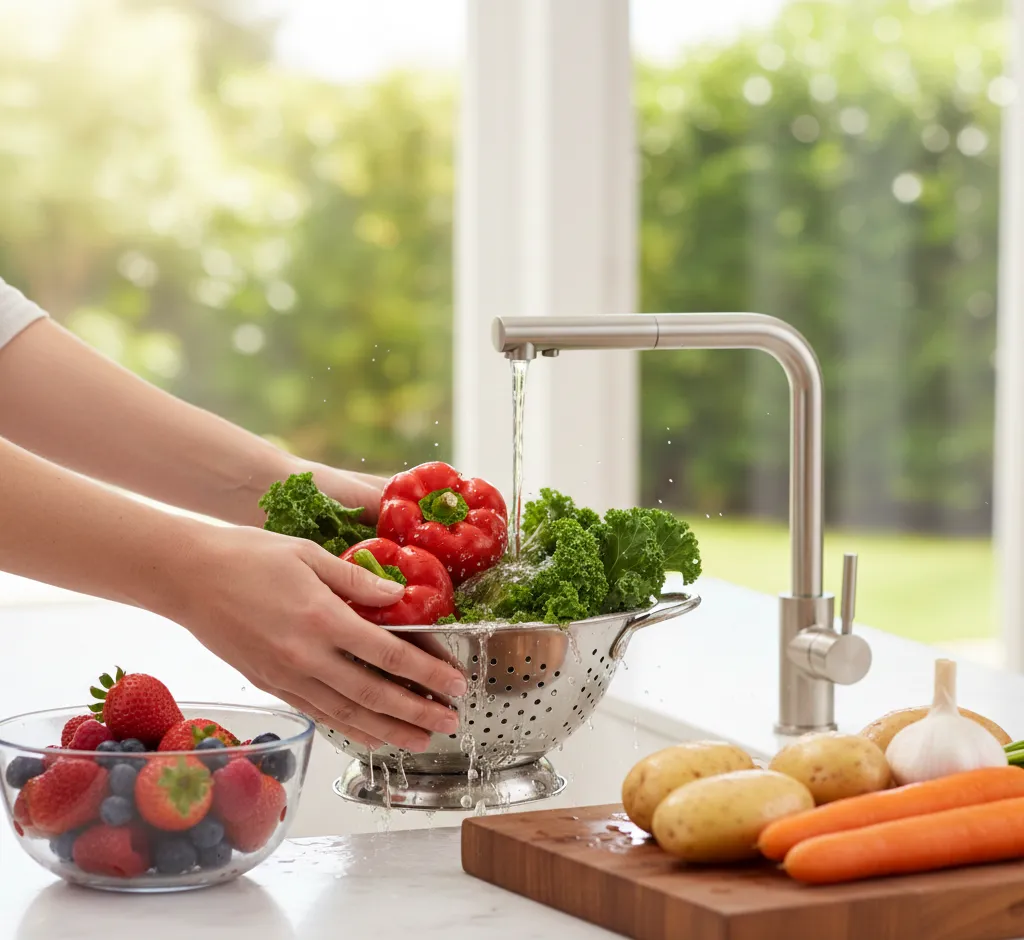
Cool water helps crisp up greens and wash away dirt and microorganisms. Lukewarm or hot water can cause wilting and may damage delicate leaves. Always use water that is safe to drink.
3. Avoid using soap, detergents, or bleach
Household cleaners are not safe for food and can leave residues that are harmful to ingest. Instead, rely on:
- Plenty of clean water and gentle agitation.
- Optional: a diluted vinegar bath (for extra cleaning and to reduce some microbes).
4. Handle gently to avoid bruising
Leafy greens bruise and tear easily. Bruised areas spoil faster and may harbor more bacteria. Wash greens by swishing them gently in water rather than scrubbing or squeezing.
5. Dry thoroughly after washing
Whether you use a salad spinner, clean kitchen towels, or paper towels, removing excess moisture is crucial. Dry greens:
- Stay crisper for longer.
- Are less likely to grow bacteria.
- Hold dressings better in salads.
How to Wash Whole-Head Lettuce (Romaine, Iceberg, Butterhead)
Whole-head lettuces, like romaine, iceberg, or butterhead (e.g., Bibb, Boston), trap dirt and insects between the leaves. Washing each layer properly is important.
Step-by-step method
- Remove damaged outer leaves. Peel off any wilted, slimy, or discolored leaves and discard them.
- Cut off the stem end. Use a clean knife to remove the core or stem. This will help the leaves separate easily.
- Separate the leaves. Gently pull the leaves apart so water can reach every surface and crevice.
- Rinse under cool running water. Hold a handful of leaves under running water, moving them gently so the water washes away dirt. Pay attention to the base of the leaves where soil often collects.
- Soak in a large bowl, if needed. For very dirty lettuce, fill a large bowl with cool water, submerge the leaves, and swish them gently. Let them sit for a minute so grit can sink to the bottom, then lift the leaves out (do not pour them out with the dirty water).
- Repeat if necessary. If you still see grit in the bowl or on the leaves, empty the bowl, refill with clean water, and repeat the soak.
- Dry thoroughly. Place the leaves in a salad spinner and spin until dry, or layer them between clean towels and pat gently. Avoid crushing the leaves.
Tips for whole-head lettuce
- For romaine hearts, pay special attention to the tightly packed inner leaves, where insects and dirt can hide.
- If preparing in advance, store washed and dried leaves in an airtight container lined with paper towels to absorb extra moisture.
How to Wash Loose Leaf Greens (Spring Mix, Baby Spinach, Arugula)
Loose leaf greens often come in bags or plastic clamshells. Labels like "pre-washed" or "triple washed" can be confusing, so knowing how to handle them safely is important.
If greens are labeled "pre-washed" or "ready-to-eat"
Food safety authorities generally state that pre-washed, ready-to-eat greens do not need to be washed again. Re-washing them in a home kitchen can sometimes increase the risk of cross-contamination from sinks, cutting boards, or dirty hands.
However, some people still prefer to rinse them for peace of mind. If you choose to do so, make sure that your sink, colander, and hands are very clean, and that you dry the greens thoroughly afterward.
If greens are not pre-washed
- Check for wilted or slimy leaves. Remove and discard any spoiled leaves before washing.
- Place greens in a large bowl or sink basin. Ensure the surface is cleaned and rinsed before use.
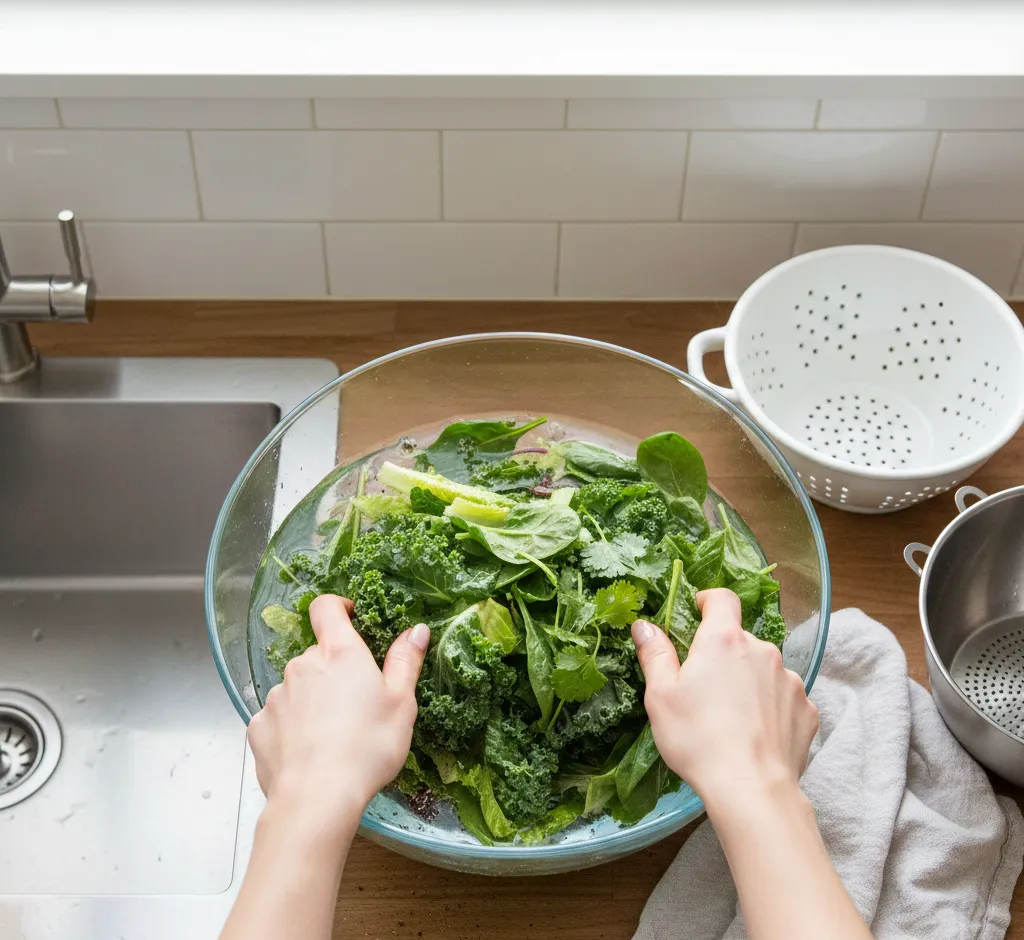
- Fill with cool water. Submerge the greens fully and gently separate any clumps.
- Swish gently. Move the leaves around with your hands so dirt and sand loosen and fall to the bottom.
- Lift, do not pour. Lift the greens out of the water and place them in a clean colander. This leaves the dirt behind in the bowl.
- Repeat if needed. If you see grit at the bottom of the bowl or on the greens, repeat the soak with fresh water.
- Dry completely. Use a salad spinner or lay greens out on clean towels to air dry. Pat gently if necessary.
Special note on baby greens
Baby spinach, baby kale, and delicate spring mixes tear easily. Avoid strong water pressure and limit soaking time to keep them from becoming waterlogged. Dry them carefully with low-speed spinning or gentle patting.
How to Wash Hearty Greens (Kale, Collard Greens, Swiss Chard)
Hearty greens tend to trap soil near the base of the stems and along the veins. They often require a more thorough cleaning than tender lettuces.
Cleaning hearty greens effectively
- Trim and inspect. Cut off tough stem ends and remove any yellow, brown, or slimy parts.
- Separate leaves from thick stems (optional). For kale and collards, strip the leaves off the central stem if you prefer a more tender texture.
- Fill a large bowl or sink with cool water. Add the leaves and press them down so they are fully submerged.
- Swish vigorously but gently. Hearty greens can handle a bit more agitation. Rub lightly along the stems and main veins where dirt accumulates.
- Let sit briefly. Allow the greens to rest for 1–2 minutes so dirt can sink to the bottom.
- Lift leaves out and inspect. Check both sides of the leaves for remaining grit or insects.
- Repeat as necessary. Very sandy greens might need two or three rinses.
- Dry thoroughly. Spin in a salad spinner or lay flat on clean towels until dry before storing or cooking.
How to Wash Fresh Herbs (Parsley, Cilantro, Basil, Mint)
Fresh herbs are technically leafy greens and often eaten raw. They can carry sand, soil, and small insects, especially when purchased in bunches.
Step-by-step herb washing
- Remove ties or bands. Separate the bunch slightly to allow water to reach all stems and leaves.
- Trim the stems. Cut off any dried or browned ends.
- Rinse under cool running water. Hold the bunch by the stems and rinse the leaves, gently fanning them out with your fingers.
- Soak, if needed. For very dirty herbs, fill a bowl with cool water, submerge the herb sprigs, swish, and let sit for a minute. Lift them out and repeat if needed.
- Dry delicately. Spread herbs on a clean kitchen towel or paper towels and gently pat dry. For sturdier herbs, a salad spinner on low speed works well.
Extra care for delicate herbs
Herbs like basil can bruise easily and turn black if handled roughly or chilled while wet. Make sure they are fully dry before refrigerating or adding to dishes.
Should You Use Vinegar or Other Washes?
Many home cooks wonder if they should use vinegar, lemon juice, or commercial vegetable washes. Here is what to consider.
Vinegar solution
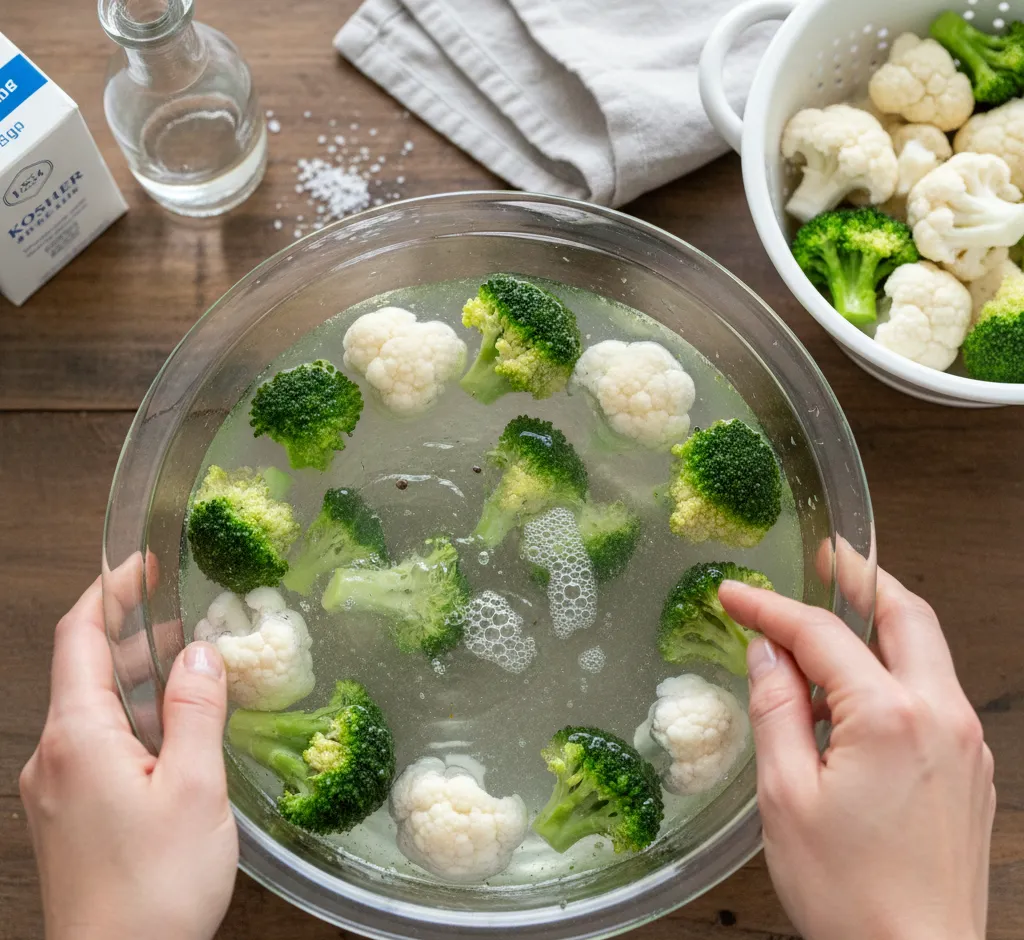
A mild vinegar solution can help reduce some bacteria and remove more dirt. To use it:
- Mix 1 part white vinegar with 3 parts water in a large bowl.
- Submerge greens for about 5–10 minutes, swishing occasionally.
- Rinse thoroughly under cool running water to remove any vinegar taste.
Vinegar is not a guarantee against all pathogens, but it can be a helpful extra step, especially for greens eaten raw.
Commercial produce washes
Studies suggest commercial produce washes are usually no more effective than clean running water when used properly. If you choose to use them, follow the instructions carefully and always rinse greens afterward.
What to avoid
- Soap or detergent: Not designed for food and can leave harmful residues.
- Bleach: Extremely dangerous to ingest, even in small amounts.
- Very hot water: Can damage leaves and does not make them significantly safer.
How to Clean Your Sink and Tools First
Washing leafy greens in a dirty environment defeats the purpose. Before you start, make sure your tools are clean.
Prepare a clean workspace
- Wash your hands with soap and warm water for at least 20 seconds.
- Clean the sink with hot soapy water, then rinse. If desired, sanitize with a mild bleach solution and rinse thoroughly.
- Use clean bowls, colanders, and knives that have been washed and dried.
- Keep raw meat, poultry, and seafood far away from the area where you wash and prep greens.
Drying Leafy Greens the Right Way
Drying is the final and often overlooked step. Properly dried greens taste better, hold up longer, and are safer to store.
Methods for drying greens
- Salad spinner: Place washed greens in the basket, spin until most water is removed, then spread them briefly on a towel to finish drying.
- Clean kitchen towels: Lay greens in a single layer on a dry towel, cover with another towel, and gently press to absorb moisture.
- Paper towels: Ideal for small amounts of greens; simply pat gently until leaves are mostly dry.
Avoid wringing or squeezing greens, which damages their structure and shortens their shelf life.
Storing Leafy Greens After Washing
Once greens are clean and dry, proper storage keeps them fresh and crisp for days instead of hours.
Best practices for storage
- Use breathable containers. Store greens in a container or bag that allows some airflow, not sealed so tightly that moisture is trapped.
- Add a paper towel or cloth. Place a clean paper towel or cotton cloth in the container to absorb excess moisture.
- Refrigerate promptly. Keep greens in the crisper drawer at a cool, consistent temperature.
- Check regularly. Remove any leaves that start to wilt or turn slimy to prevent them from spoiling the rest.
How long washed greens last
- Tender lettuces and mixes: Usually stay fresh for 3–5 days if well dried and stored properly.
- Hearty greens: Such as kale or collards can last up to a week.
- Fresh herbs: Typically keep 3–7 days, depending on the type and how dry they are.
Common Mistakes to Avoid
Even experienced home cooks sometimes make simple mistakes that can reduce the quality or safety of leafy greens. Here are some pitfalls to watch out for:
- Skipping the wash because greens “look clean”. Visual inspection alone cannot detect bacteria or tiny particles of dirt.
- Washing greens far in advance and storing them wet. This encourages spoilage and can increase food safety risks.
- Using a dirty sink or sponge. Contaminated surfaces can reintroduce germs to clean greens.
- Cross-contamination with raw meat or eggs. Always keep greens and their tools separate from raw animal products.
- Not drying thoroughly. Excess moisture is one of the leading reasons greens wilt and slime quickly.
Frequently Asked Questions
Do I really need to wash pre-washed salad mix?
Pre-washed or triple-washed salad mixes are processed in facilities designed to clean them thoroughly. Food safety guidelines usually say you do not need to wash these again. If you still choose to re-wash them, ensure that your sink, hands, and tools are very clean and that you dry the greens well afterward.
Can I wash leafy greens ahead of time for the week?
Yes, as long as you dry them very well and store them correctly. Many people wash and spin-dry greens, then store them in a container with paper towels. Replace the paper towels if they become damp. Use the greens within several days for best quality.
Is it safe to soak leafy greens in the sink?
It can be safe if the sink is properly cleaned and sanitized first. For many people, soaking in a large bowl is a safer and more controlled option. If you do use the sink, scrub and rinse it thoroughly before filling it with clean water, and avoid draining dirty water over other dishes or utensils.
Does washing leafy greens remove all pesticides?
Washing can reduce some pesticide residues and dirt but does not remove all of them. If you are concerned about pesticide exposure, consider buying organic greens when possible, vary your greens, and always wash them well under running water.
Do I need to wash frozen leafy greens?
Frozen spinach and other frozen leafy greens are usually blanched and cleaned before freezing and are intended to be cooked. You do not need to wash them, but you should follow package instructions for safe cooking.
Key Takeaways for Clean, Safe Leafy Greens
Washing leafy greens properly is a simple habit with big benefits. To recap:
- Always rinse greens under cool, clean water, and use gentle agitation to remove dirt and microorganisms.
- Avoid soap, detergents, or bleach; a mild vinegar solution is optional but must be rinsed off.
- Clean your hands, sink, and tools before washing greens to prevent cross-contamination.
- Dry greens thoroughly to keep them crisp and slow spoilage.
- Store washed greens in breathable containers with an absorbent towel in the refrigerator.
With a few extra minutes of care, your leafy greens will be cleaner, fresher, and safer, making it easier to enjoy salads, smoothies, and vegetable dishes with confidence.