How to Wash Peaches Without Damaging Them: A Complete Step‑by‑Step Guide
Learn how to wash peaches without damaging their delicate skin. Discover safe, gentle methods, what to avoid, and storage tips to keep peaches fresh, clean, and juicy.
Peaches are one of the most delicate and flavorful summer fruits, but their soft skin and fine fuzz make them surprisingly easy to bruise or damage during washing. Learning how to wash peaches without damaging them will help you keep their texture, flavor, and appearance at their best, whether you plan to eat them fresh, bake them into a dessert, or preserve them.
This guide explains exactly how to wash peaches gently and safely, which methods to avoid, and how to handle different situations like farmers’ market fruit, organic peaches, and peaches you want to peel or freeze. You will also learn about proper storage and common mistakes that can make peaches spoil faster.
Why Washing Peaches Correctly Matters
Peach skin is thin, tender, and covered with a natural fuzzy layer. While that fuzz helps protect the fruit, it also traps dust, soil, and other particles. On top of that, commercial peaches may carry pesticide residues, and all peaches can pick up bacteria during harvesting, handling, and transport.
- Safety: Proper washing helps remove dirt, bacteria, and some pesticide residues from the surface.
- Quality: Gentle washing keeps the skin intact, so the peach stays juicy and attractive.
- Shelf life: Rough handling can bruise the fruit, creating soft spots that spoil more quickly.
Because peaches bruise easily, the key is to clean them thoroughly while using minimal pressure and non‑aggressive methods.
When Should You Wash Peaches?
Only wash peaches right before you plan to eat or use them. Washing adds moisture to the surface, and any leftover water droplets can encourage mold and faster spoilage in storage.
- If you will eat them today: Wash just before serving.
- If you will cook or bake them: Wash just before slicing or peeling.
- If you plan to freeze them: Wash, dry, then slice and freeze immediately.
Do not wash peaches as soon as you bring them home unless you know you will use them the same day.
How to Check Peach Ripeness Before Washing
Very ripe peaches are more likely to bruise during washing. It helps to know exactly how ripe your fruit is before you start.
- Color: Look for a deep golden or warm yellow background color. Green patches usually mean the fruit is still underripe.
- Fragrance: Ripe peaches have a sweet, fragrant aroma, especially near the stem.
- Touch: Press gently near the stem with your fingertip. A ripe peach should give slightly but not feel mushy.
Tip: If your peaches are very soft, use extra care when washing, or wash them while supporting them with your palm instead of your fingertips.
Preparation: What You Need
You do not need any special tools to wash peaches safely. In fact, the simpler your setup, the better.
- Clean sink or large bowl
- Cool running water (potable, safe tap water)
- A soft, clean kitchen towel or paper towels
- Optional: a clean colander to hold multiple peaches
Avoid: Dish soap, hand soap, bleach, or chemical cleaners. These products are not safe to use on fruit and can leave residues.
Step‑by‑Step: How to Wash Peaches Without Damaging Them
Step 1: Wash Your Hands and Clean the Area
Before touching the peaches, wash your hands thoroughly with soap and water for at least 20 seconds. Rinse and dry them well.
Make sure your sink, bowl, and any tools you will use (such as knives or cutting boards) are clean. This prevents cross‑contamination from other foods.
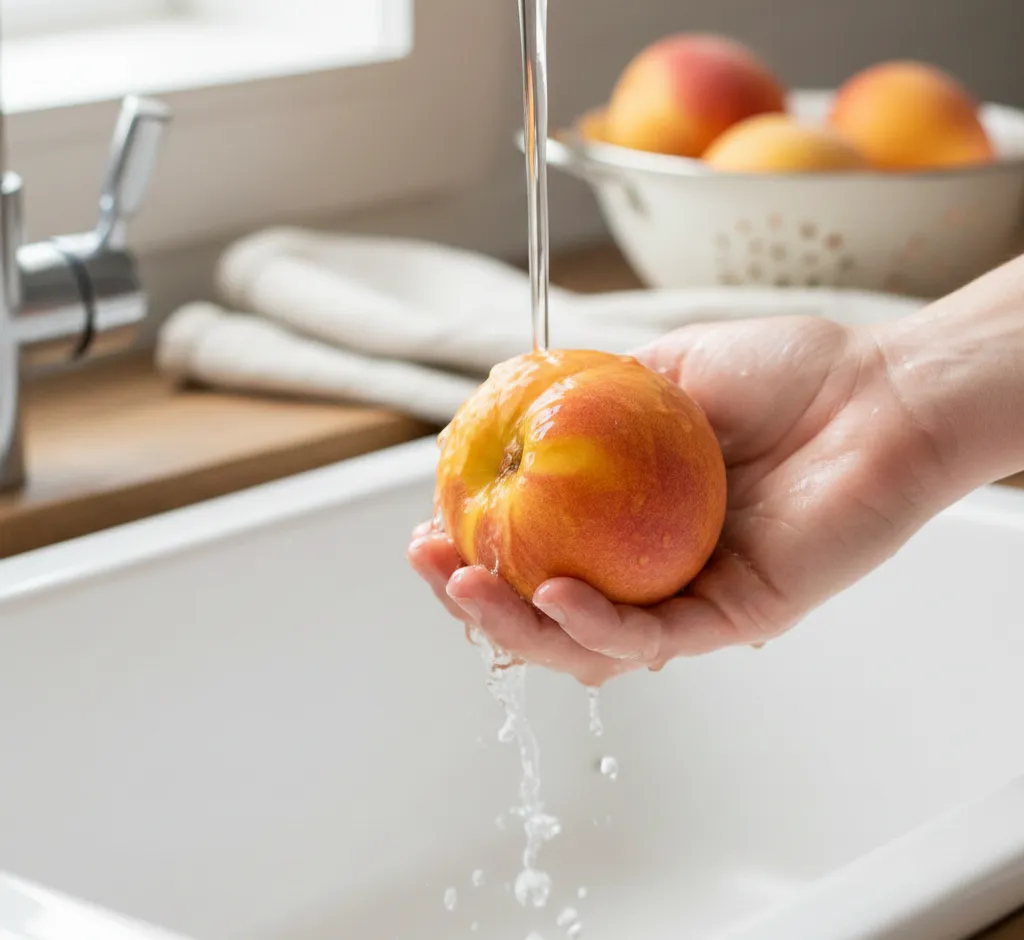
Step 2: Rinse Each Peach Under Cool Running Water
Set the water to a gentle stream that will not pound or dent the fruit. Very strong water pressure can bruise peaches or tear the skin.
- Hold one peach at a time in your hand.
- Use cool water, not hot. Hot water can soften the skin and affect texture.
- Rotate the peach slowly under the stream so water reaches the entire surface.
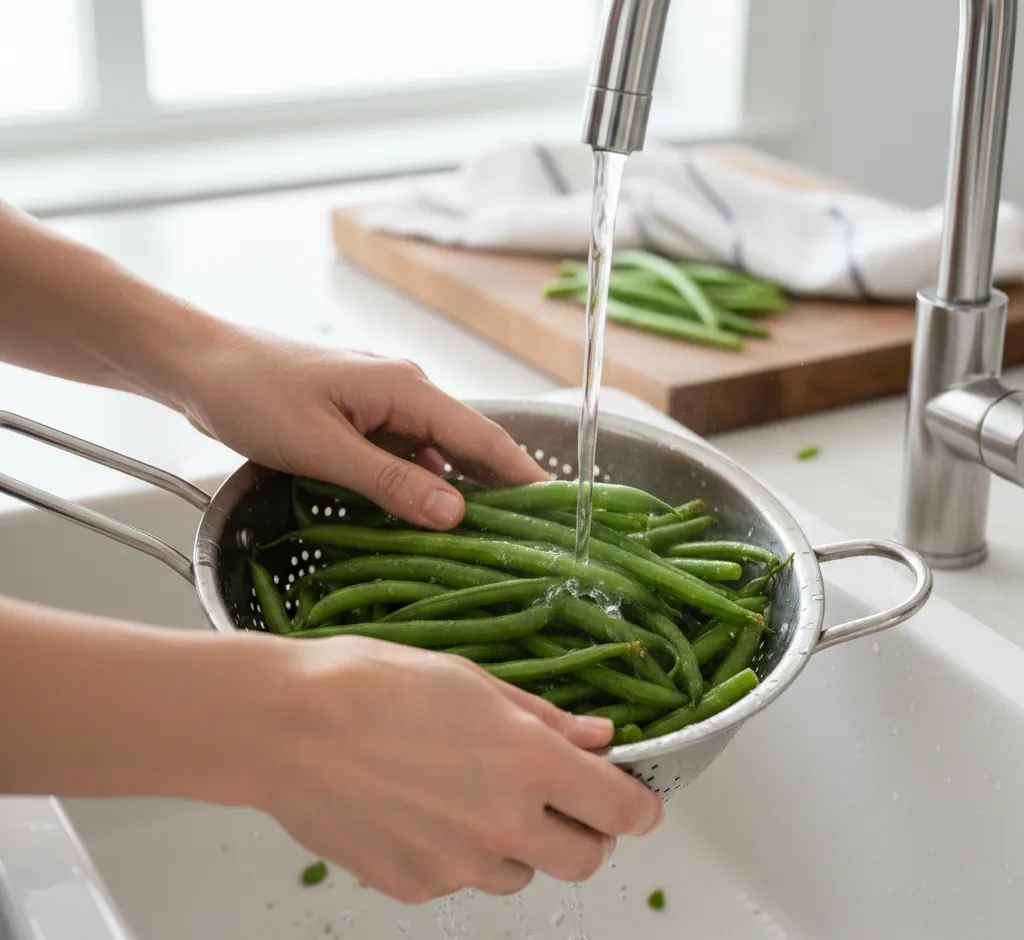
Tip: If you are washing multiple peaches, place them in a colander and let cool water run over them while you gently move them with your hands to change their position.
Step 3: Gently Rub to Remove Dirt and Residue
While the peach is under the water, use your fingertips to lightly rub the skin. The goal is to remove dirt and residues without scraping off the skin or bruising the flesh.
- Use a light, circular motion with your fingertips.
- Avoid using your nails or any sharp objects.
- Do not use abrasive brushes; their stiffness can tear the delicate skin.
You may notice some of the fuzz loosening; this is normal. Try not to be too aggressive. The peach does not need to be perfectly smooth to be clean.
Step 4: Optional Soak for Extra Dirty Peaches
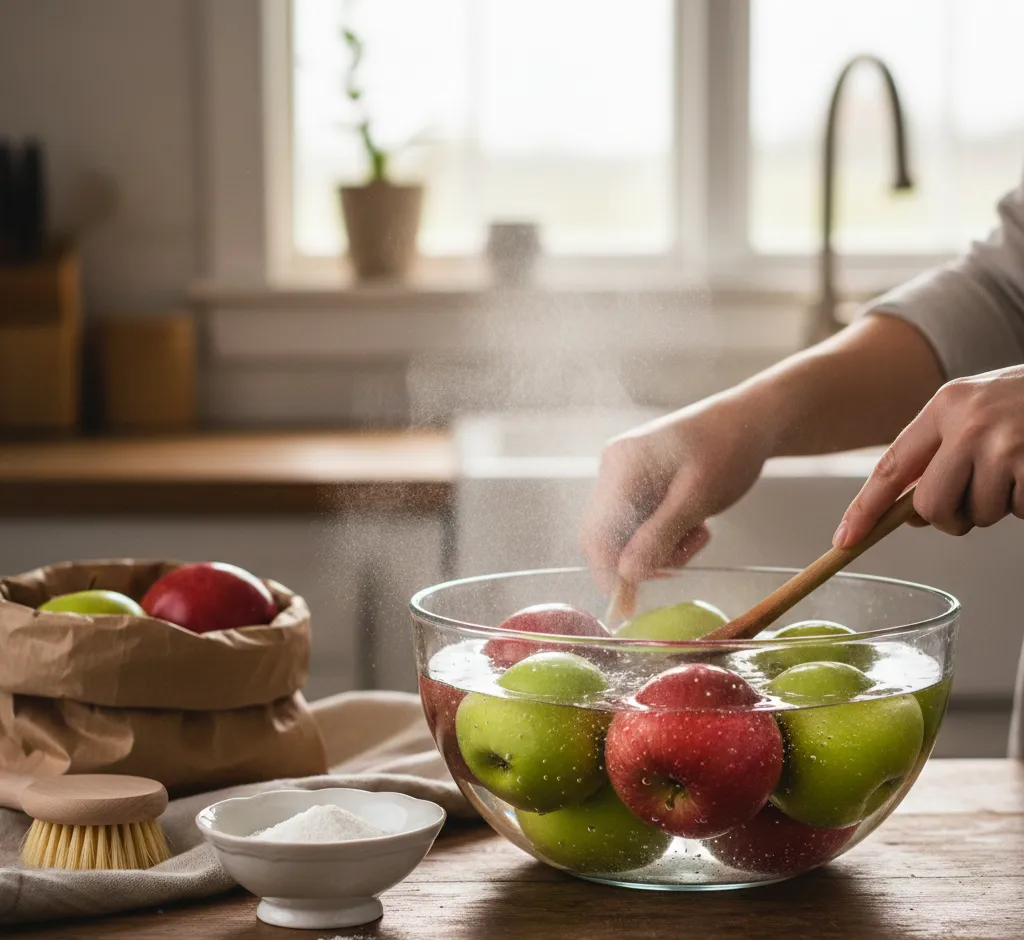
If your peaches are very dusty or came straight from the garden or farmers’ market, you can give them a brief soak before rinsing.
- Fill a clean bowl with cool water.
- Place a few peaches in the water; do not overcrowd the bowl.
- Let them soak for about 1–2 minutes.
- Swish them gently with your hands to help loosen dirt.
- Remove each peach and rinse again under a gentle stream of cool water.
Do not soak peaches for a long time. Extended soaking can soften the skin, encourage water absorption, and reduce flavor.
Step 5: Pat Dry Carefully
After rinsing, it is important to dry the peaches to remove excess moisture. This makes them more pleasant to eat and helps prevent them from becoming slippery or moldy if they will sit for a while before eating.
- Place peaches on a clean towel or paper towel.
- Use another towel or paper towel to gently pat the surface dry.
- Do not rub vigorously; rubbing can damage the skin and bruise the fruit.
Once dry, your peaches are ready to eat, slice, cook, or preserve.
Should You Use Vinegar or Baking Soda?
Many people wonder if they should use vinegar, baking soda, or other homemade solutions to wash fruit more thoroughly. For peaches, you can use a mild solution if necessary, but it is generally not required for everyday use.
Vinegar Rinse
A diluted vinegar solution may help reduce some surface bacteria and pesticide residues, but you must use it correctly and rinse well afterward.
- Mix 1 part white vinegar with 3 parts cool water in a clean bowl.
- Place peaches in the solution and let them sit for 30–60 seconds.
- Swish them gently with your hands to avoid bruising.
- Remove the peaches and rinse thoroughly under cool running water to remove the vinegar taste.
- Pat dry carefully with a clean towel.
Do not soak peaches in vinegar for long periods. Prolonged vinegar exposure can affect taste and soften the skin.
Baking Soda Rinse
Baking soda is sometimes recommended for washing fruits and vegetables. It can be used, but again, the key is gentle handling and proper rinsing.
- Fill a bowl with cool water.
- Add about 1 teaspoon of baking soda per liter of water and stir until dissolved.
- Place peaches in the solution for 1–2 minutes.
- Swish them very gently.
- Rinse thoroughly under cool running water to remove all residue.
- Pat dry with a clean towel.
Both methods can be useful if you are particularly concerned about residues, but for most situations, plain cool running water and gentle rubbing are enough.
What Not to Do When Washing Peaches
Because peaches are so delicate, certain common washing habits can actually make them less safe or damage the fruit.
- Do not use soap or detergent. These products are not intended for food and can leave harmful residues that are difficult to rinse away.
- Do not use bleach or household cleaners. Even diluted, they are unsafe for direct contact with fruit.
- Do not scrub with a stiff brush. This can tear the skin and press bacteria deeper into the flesh.
- Do not use very hot water. It can damage the skin and affect flavor and texture.
- Do not soak for long periods. Extended soaking can make peaches waterlogged and bland.
Special Cases: Organic, Homegrown, and Store‑Bought Peaches
Organic Peaches
Organic peaches are grown without synthetic pesticides, but they can still carry dirt and natural contaminants like bacteria.
- Wash organic peaches exactly as you would conventional peaches.
- Do not skip washing just because the fruit is organic.
Homegrown or Farmers’ Market Peaches
Peaches that come directly from trees or local farms can be dirtier than those from a supermarket but are also often more fragile and ripe.
- Use a brief soak in cool water if there is visible soil.
- Be extra gentle when rubbing the skin; these peaches may be softer.
- Inspect for insects, leaves, or stems stuck in the fuzz and remove them carefully.
Supermarket Peaches
Store‑bought peaches are typically firm when purchased and may be less fragile at first. However, they still need careful washing.
- Use cool running water and gentle rubbing.
- As they ripen at home, handle them more carefully during washing.
Washing Peaches Before Peeling, Slicing, or Cooking
Even if you plan to peel your peaches, you should always wash them first. When you use a knife, anything on the skin can be carried into the flesh.
Before Peeling
Wash the peach thoroughly, then dry it. Once it is dry, you can peel by hand or with a knife. If you will use a blanching method (briefly dipping peaches in hot water to loosen the skins), wash them before blanching.
Before Slicing
Wash and dry the peach, then transfer it to a clean cutting board dedicated to fruits or vegetables. Use a clean, sharp knife and avoid cutting on surfaces that were used for raw meat or other potentially contaminating foods.
Before Cooking or Baking
Even for recipes where peaches will be boiled or baked, washing is still important. Heat helps but does not always guarantee the removal of all contaminants. Cleaning the fruit ensures both safety and quality.
How to Store Peaches After Washing
Because moisture can speed up spoilage, it is best to wash peaches only just before use. However, if you need to wash them in advance, follow these steps to reduce the risk of mold and bruising.
- Pat each peach completely dry, removing all visible moisture.
- Store them in a single layer, not stacked, to avoid pressure bruises.
- Place them in the refrigerator if they are fully ripe and you will not eat them the same day.
- Check them daily for soft spots and use any very ripe fruit first.
Important: Never refrigerate unripe peaches before they soften at room temperature; cold storage can stop them from ripening properly and make their texture mealy.
How to Handle Extra‑Ripe or Bruised Peaches
Extra‑ripe peaches can be tricky to wash because even very light pressure can cause damage. If your peaches are extremely soft, try these tips.
- Hold the peach in the palm of your hand rather than pinching with your fingertips.
- Use the gentlest possible water stream.
- Limit rubbing to the areas that visibly need cleaning.
- If a bruise has broken the skin, cut away that section before eating.
Extra‑ripe peaches are ideal for smoothies, jams, sauces, or baking where appearance is less important, but washing is still necessary.
Frequently Asked Questions About Washing Peaches
Do I need a special fruit and vegetable wash?
No. Most food safety authorities agree that cool running water is enough for washing fruits like peaches. Commercial fruit washes are not necessary and may not significantly improve cleaning compared to water and gentle rubbing.
Is it safe to eat the fuzz on peaches?
Yes. The fuzz is completely natural and safe to eat after washing. If you find the texture unpleasant, you can rub more firmly (but gently) to remove some of the fuzz, peel the peach, or slice it and avoid the skin.
Can I wash peaches and then freeze them?
Yes. If you plan to freeze peaches, washing is essential. Wash them carefully, pat them completely dry, then slice and remove the pit. You can freeze slices on a baking sheet in a single layer before transferring them to a freezer bag or container. This helps prevent clumping.
What if my peach feels sticky even after washing?
Stickiness may come from natural sugars that surface as the peach ripens, or from handling during processing. Rinse again under cool water and gently rub the sticky area. If it remains sticky, it may simply be natural sugar; the fruit is still safe as long as there is no mold or off smell.
Key Takeaways for Washing Peaches Safely
- Wash peaches right before use, not when you first bring them home.
- Use cool running water and gentle fingertip rubbing to remove dirt and residues.
- Skip soap, detergent, bleach, and harsh chemicals; they are not safe for fruit.
- Use optional mild vinegar or baking soda soaks only briefly and rinse well afterward.
- Pat peaches dry to avoid excess moisture and bruising.
- Handle extra‑ripe peaches with extra care to prevent damage.
With a few simple techniques and a gentle touch, you can wash peaches thoroughly without damaging their delicate skin or juicy flesh. That means safer, tastier fruit every time you enjoy this classic summer favorite.