Humidity and Its Impact on Allergy Relief: How to Find Your Ideal Indoor Climate
Discover how indoor humidity levels affect allergies, asthma, mold, and dust mites. Learn the ideal humidity range and practical tips to use humidifiers and dehumidifiers for real allergy relief at home.

When you struggle with allergies, you probably think first about pollen, dust, pet dander, or mold. Yet one often-overlooked factor can quietly make your symptoms better or worse: humidity. The amount of moisture in the air plays a crucial role in how allergens behave, how easily they spread, and how your respiratory system responds.
Understanding the connection between humidity and allergies can help you create a healthier home environment, reduce symptoms, and even cut down on medication use. This guide explains how humidity affects allergies, what an ideal range looks like, and practical steps you can take to gain better control over your indoor air.
What Is Humidity and Why Does It Matter?
Humidity is the amount of water vapor present in the air. For allergy relief, the most important measure is relative humidity, usually expressed as a percentage. It tells you how much moisture is in the air compared to how much it could hold at that temperature.
Very dry air and very humid air can both worsen allergy symptoms, but for different reasons. The key is to aim for a balanced level that minimizes allergens while keeping your airways comfortable.
Common Allergy Triggers Affected by Humidity
- Dust mites: Microscopic creatures that thrive in warm, humid environments and live in bedding, carpets, and upholstery.
- Mold and mildew: Fungi that grow in damp areas such as bathrooms, basements, and around leaks.
- Pet dander: Tiny skin flakes shed by animals, which can cling to surfaces and circulate in the air.
- Pollen: Outdoor allergen that enters your home through open windows, on clothes, and on pets.
- Airborne irritants: Particles like dust and pollutants that can aggravate sensitive airways.
Humidity influences how these allergens grow, move, and interact with your respiratory system. That is why controlling moisture can be just as important as cleaning or taking antihistamines.
How Low Humidity Affects Allergies
You might assume that drier air is always better for allergy control because mold and dust mites like moisture. While it is true that very high humidity is a problem, air that is too dry can create its own set of issues.
Dry Air and Your Airways
When humidity drops too low, the air pulls moisture from your body, including from your nose, throat, and skin. This can lead to:
- Dry, irritated nasal passages that are more prone to inflammation.
- Cracked mucous membranes, which make it easier for allergens and viruses to enter your system.
- Scratchy throat and cough from dryness and irritation.
- Worsened asthma symptoms in some people, due to airway sensitivity.
The mucus lining in your nose acts as your first line of defense against allergens. When it dries out, it cannot trap and clear particles as effectively. As a result, even small amounts of pollen or dust may trigger stronger reactions.
Static, Dust, and Low Humidity
In very dry environments, you may also notice more static electricity. This can cause dust particles to cling to surfaces and fabrics, then become airborne when disturbed. While low humidity can limit mold and dust mite growth, it can also leave more loose dust circulating in the air you breathe.
How High Humidity Affects Allergies
On the other side of the spectrum, excessive humidity can turn your home into a breeding ground for common allergens. In many cases, this proves far more problematic than slightly dry air.
Dust Mites Love Humid Environments
Dust mites thrive when relative humidity stays above roughly 50–55%. They absorb water from the air through their bodies and rely on moisture to survive. When the indoor environment is consistently damp, dust mite populations can explode, leading to:
- Increased allergen levels in mattresses, pillows, carpets, and soft furniture.
- More frequent sneezing, congestion, and itchy or watery eyes.
- Nighttime symptoms that worsen when you lie in bed.
For people with dust mite allergies, simply reducing humidity can significantly lower allergen exposure.
Mold Growth in Damp Spaces
High humidity also fuels mold and mildew. Spores are always present in the air, but they need moisture to grow on surfaces. When relative humidity stays above about 60%, mold can form more easily on walls, windowsills, bathroom tiles, and in basements.
Mold exposure can cause:
- Nasal congestion and sinus pressure.
- Coughing and wheezing.
- Eye, skin, and throat irritation.
- Worsening asthma symptoms, especially in sensitive individuals.
In some people, prolonged mold exposure can trigger chronic sinus problems or more severe respiratory issues.
Warm, Humid Air and Breathing Comfort
When the air feels heavy and sticky, your body works harder to cool itself. Warm, humid conditions can make it feel like you are not getting enough air, especially if you already have asthma or seasonal allergies. You may notice:
- Shortness of breath with mild exertion.
- More frequent use of rescue inhalers if you have asthma.
- Persistent stuffiness or a feeling of “blocked” airways.
High humidity can also trap pollutants and allergens indoors, making it harder for them to disperse.
The Ideal Humidity Range for Allergy Relief
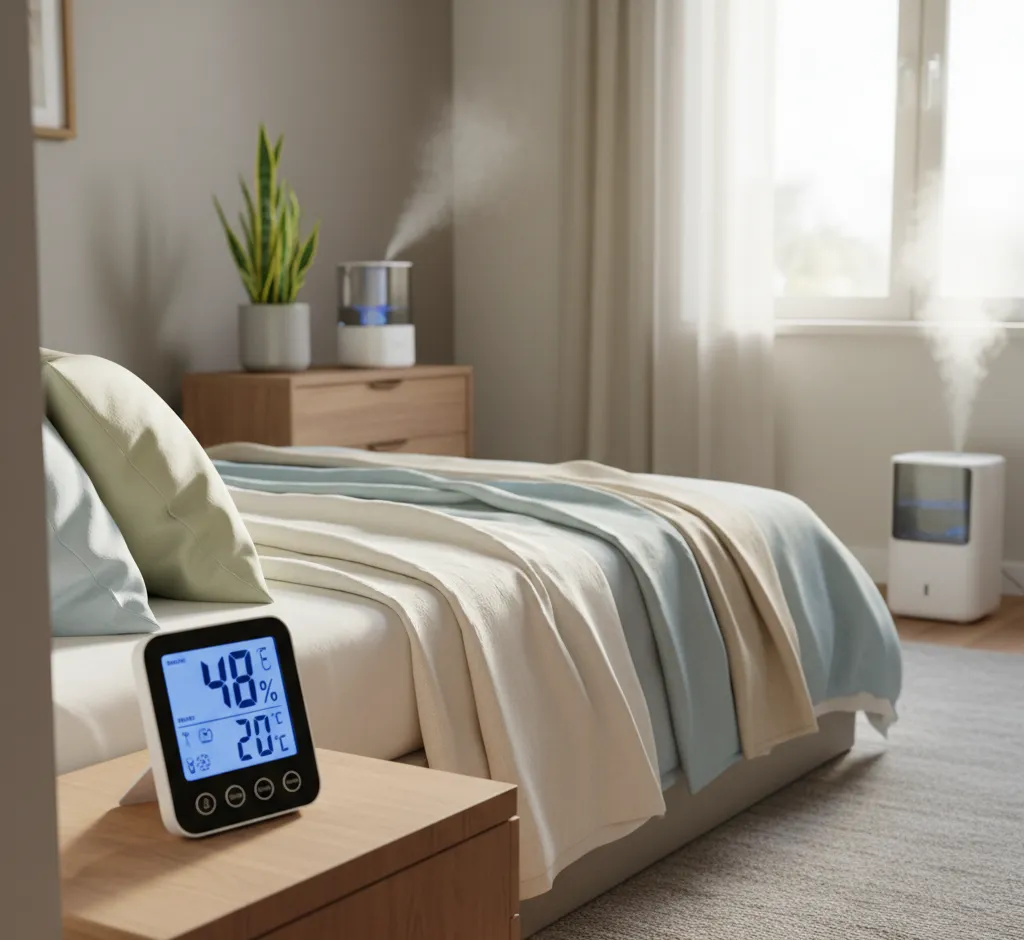
For most people, the ideal indoor humidity range is about 40–50%. This tends to offer a good compromise between comfort and allergen control:
- It is low enough to discourage mold and dust mite growth.
- It is high enough to prevent overly dry nasal passages and skin.
- It helps keep the air comfortable across seasons.
Some specialists recommend aiming for the lower half of this range if you are very sensitive to mold or dust mites. The best level for you may depend on your climate, the type of building you live in, and your specific triggers.
How to Measure Indoor Humidity
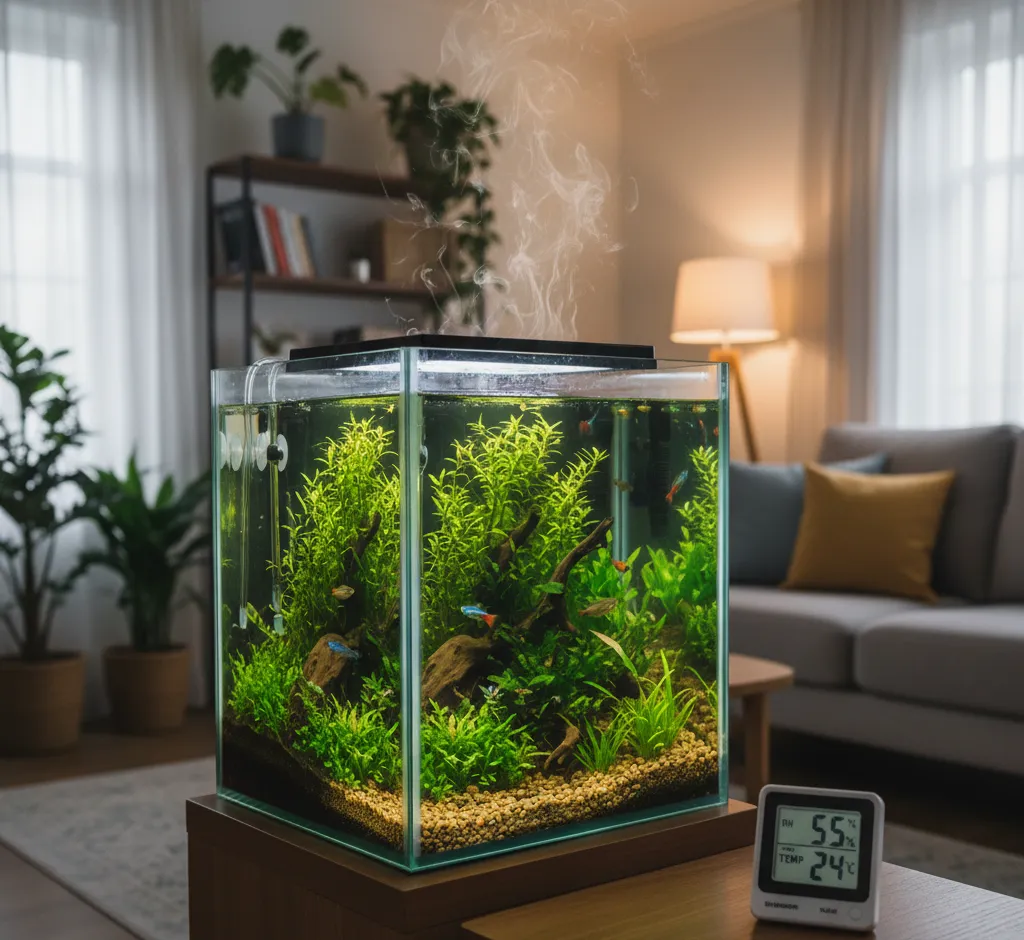
The easiest way to track humidity is with a hygrometer, a small device that displays the current relative humidity. Many modern thermostats and air purifiers have built-in humidity sensors, and stand-alone hygrometers are affordable and widely available.
Place the device in commonly used areas, such as your bedroom and living room. Check it at different times of day, since humidity often rises overnight and after activities like showering or cooking.
Using Humidifiers for Allergy Relief
When indoor air becomes too dry, especially in winter or in very arid climates, a humidifier can help bring moisture back into a healthy range. This may ease allergy-related discomfort, particularly if dryness causes much of your irritation.
Potential Benefits of a Humidifier
- Soothed nasal passages: Moist air may reduce dryness, burning, and crusting inside the nose.
- Improved mucus function: Adequate humidity helps mucus stay at the right consistency to trap and move allergens out of your airways.
- Less throat irritation: Humidified air can feel gentler on the throat, especially if you cough frequently.
- Better sleep quality: Some people sleep more comfortably when their nose and throat are not dried out by heating systems.
Risks of Over-Humidifying
While humidifiers can provide relief, using them incorrectly may worsen allergies instead of helping. The main risks include:
- Excess humidity: Running a humidifier too long can push indoor humidity past 50–60%, encouraging mold and dust mites.
- Dirty water tanks: If not cleaned regularly, humidifiers can harbor mold and bacteria, which are then released into the air.
- Mineral dust: Ultrasonic humidifiers can disperse white dust from hard tap water minerals unless you use distilled water or filters.
To keep humidity levels in a healthy range, always pair humidifier use with a hygrometer. Turn the device off or lower its setting once you reach your target humidity.
Best Practices for Humidifier Use
- Use distilled or demineralized water when possible to reduce mineral buildup and dust.
- Empty and dry the tank daily, especially in cool mist units.
- Clean the device thoroughly according to the manufacturer’s instructions, typically every 1–3 days.
- Position the humidifier so that mist does not collect on walls or furniture, which could create damp spots.
Using Dehumidifiers to Reduce Allergy Triggers
If your home tends to feel damp, or if your hygrometer frequently reads above 50–60%, a dehumidifier can be a powerful tool for allergy control. By removing excess moisture from the air, it helps limit dust mites and mold growth.
Signs You May Need a Dehumidifier
- Persistent condensation on windows, especially in cooler months.
- Musty odors in certain rooms, closets, or the basement.
- Visible mold or mildew on walls, ceilings, or bathroom grout.
- Feeling that your home is “clammy” or that fabrics never fully dry.
Dehumidifiers are especially helpful in basements, bathrooms without good ventilation, and homes in humid climates.
Dehumidifier Tips for Allergy Relief
- Set the target humidity to around 40–50% for living spaces, and slightly lower if mold is a significant issue.
- Empty and clean the water reservoir frequently to prevent mold buildup inside the unit.
- Ensure the room has some air circulation so the dehumidifier can work efficiently.
- Combine dehumidification with exhaust fans in bathrooms and kitchens to quickly remove steam.
Ventilation, Filtration, and Humidity Working Together
Humidity control does not work in isolation. For optimal allergy relief, combine moisture management with proper ventilation and air filtration.
Why Ventilation Matters
Good ventilation removes stale, humid air and replaces it with fresher outdoor air. This helps dilute indoor allergens and prevents moisture from building up in specific areas.
- Use exhaust fans when showering or cooking.
- Open windows when outdoor conditions allow, especially during low-pollen times.
- Consider heat recovery ventilators (HRVs) or energy recovery ventilators (ERVs) in airtight homes to maintain air exchange efficiently.
Air Filtration and Allergen Removal
Even with ideal humidity, allergens will still be present. Air filtration helps capture particles that humidity alone cannot control.
- Use a HEPA air purifier in key rooms, such as the bedroom and living room.
- Install high-quality furnace filters and replace them regularly.
- Vacuum with a HEPA-equipped vacuum cleaner to reduce dust and dander in carpets and upholstery.
Balanced humidity keeps allergens from multiplying, while filtration removes those already present from the air you breathe.
Practical Steps to Control Humidity for Allergy Relief
Putting everything together, here is how you can create an indoor environment that supports allergy relief:
Daily and Weekly Habits
- Monitor humidity: Check your hygrometer at different times of the day and in different rooms.
- Adjust as needed: Use humidifiers during very dry weather and dehumidifiers during humid seasons.
- Keep bathrooms dry: Run exhaust fans and wipe down wet surfaces after showers.
- Launder bedding regularly: Wash sheets and pillowcases in hot water to reduce dust mites.
- Address leaks quickly: Fix plumbing issues and seal window or roof leaks to prevent damp areas from forming.
Seasonal Adjustments
- Winter: Heating systems often dry out air, so you may need a humidifier to keep humidity from dropping too low.
- Summer: Warm, humid weather may require air conditioning and dehumidifiers to maintain comfortable levels.
- Allergy seasons: Keep windows closed during high pollen days and rely on filtered air and controlled humidity indoors.
When to Seek Professional Help
If you have taken steps to control humidity and still experience significant allergy or asthma symptoms, consider consulting a healthcare professional. They can help you:
- Identify specific triggers through allergy testing.
- Develop a personalized management plan that may include medications, immunotherapy, or additional environmental controls.
- Determine whether chronic sinus or respiratory issues are related to mold or other indoor air quality problems.
Key Takeaways: Humidity and Allergy Relief
Humidity plays a powerful, often underestimated role in allergy control. Too much moisture encourages mold and dust mites, while too little can dry out your airways and make them more sensitive. By aiming for an indoor relative humidity of around 40–50% and using tools like humidifiers, dehumidifiers, ventilation, and air filtration, you can create a home environment that supports easier breathing and fewer flare-ups.
While no single strategy will eliminate allergies completely, thoughtful humidity management is a practical, science-backed step that can make a noticeable difference in your daily comfort and overall respiratory health.