Hydration Apps to Track Your Daily Intake: Stay Hydrated, Healthy, and In Control
Discover how hydration apps can help you track your daily water intake, improve your health, and build sustainable hydration habits. Learn key features, benefits, and tips to choose the best app for your lifestyle.
Staying properly hydrated is one of the simplest, yet most overlooked, foundations of good health. Water affects everything from your energy levels and mood to your skin, digestion, and cognitive performance. However, many people either forget to drink enough water or simply have no idea how much they actually consume each day.
Hydration apps have emerged as a practical, user-friendly solution to this problem. By turning water intake into a measurable, trackable habit, these apps help you stay accountable and motivated. In this article, you will learn how hydration apps work, their key benefits and features, how to choose the best one for your lifestyle, and how to get the most out of your daily hydration tracking.
Why Daily Hydration Tracking Matters
Before diving into the specifics of hydration apps, it helps to understand why tracking your daily water intake is so important. Your body is made up of roughly 50–70% water, and even mild dehydration can affect your physical and mental performance.
Key benefits of proper hydration
- Better energy and focus: Dehydration can lead to fatigue, headaches, and difficulty concentrating. Staying hydrated supports stable energy and clearer thinking.
- Improved physical performance: For active people, water is crucial for muscle function, joint lubrication, and temperature regulation during workouts.
- Healthier skin: Adequate hydration can help maintain skin elasticity and support a healthy-looking complexion.
- Support for digestion and detoxification: Water aids digestion, nutrient absorption, and helps your kidneys flush out waste products.
- Better mood: Even slight dehydration has been linked to irritability and mood changes.
Despite these benefits, many people underestimate how much water they need or forget to drink regularly throughout the day. Hydration apps bridge this gap by making water intake visible, measurable, and easy to manage.
What Are Hydration Apps?
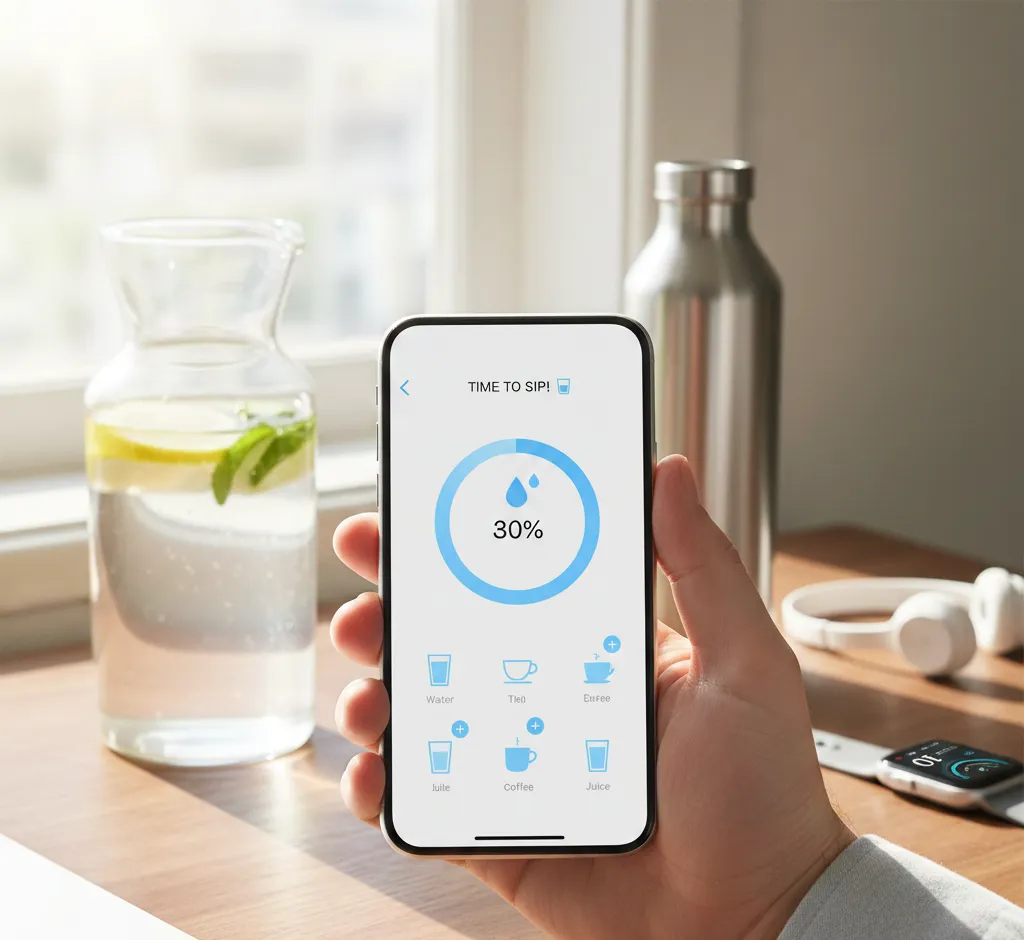
Hydration apps are mobile applications designed to help you monitor and optimize your daily fluid intake. They typically allow you to set a daily water goal, log your drinks, track progress in real time, and receive reminders when it is time to take a sip.
How hydration apps work
- Set a personalized goal: Many apps estimate your daily water needs based on factors like body weight, age, gender, activity level, and climate.
- Log your drinks: You record every glass, bottle, or cup of water (and sometimes other beverages). Some apps integrate with smart bottles or wearables to automate this process.
- Receive reminders: Customizable notifications remind you to drink at regular intervals, preventing long periods without water.
- Review your progress: Charts, graphs, and statistics help you see patterns, such as days when you consistently under-drink.
- Adjust and optimize: Over time, you can fine-tune your goal and behaviors based on how your body feels and how consistently you meet your targets.
Hydration apps can be simple or feature-rich, but their core purpose remains the same: to help you build a sustainable habit of drinking enough water every day.
Key Features to Look for in a Hydration App
Not all hydration apps are created equal. To choose one that truly supports your health goals, pay attention to the following features.
1. Personalized hydration goals
A good hydration app should calculate a tailored water intake goal rather than using a one-size-fits-all number. Look for apps that consider factors like:
- Body weight and height
- Age and sex
- Physical activity level
- Climate (hot or humid environments may require more fluids)
- Pregnancy or breastfeeding (if applicable)
Some apps even allow you to adjust your goal manually, which is helpful if you have specific medical advice from a healthcare professional.
2. Intuitive logging and drink presets
If logging your water is complicated, you are unlikely to stick with it. Look for apps that offer:
- One-tap logging: Add a glass or bottle with a single tap.
- Custom cup sizes: Save your usual glass, bottle, or tumbler sizes for fast entry.
- Multiple beverage types: Some apps let you log tea, coffee, juice, and more, adjusting for their actual water content.
The smoother the logging process, the more consistent your tracking will be.
3. Smart reminders and notifications
Reminders are the heart of any hydration app. Effective apps let you:
- Set reminder frequency (for example, every 30–60 minutes).
- Choose quiet hours so you are not disturbed at night or during meetings.
- Customize notification tone, vibration, or style.
- Enable context-aware reminders, such as extra alerts on hot days or after a workout.
Overly intrusive notifications can be annoying, but well-timed reminders can create a gentle, supportive nudge to drink regularly.
4. Progress charts and analytics
Visual feedback reinforces your habit. Look for hydration apps that provide:
- Daily progress circles or bars showing your goal percentage.
- Weekly and monthly charts to spot trends.
- Streaks, badges, or rewards for consistent hydration.
- Exportable data if you like reviewing your stats in detail.
Seeing your progress over time can quickly reveal patterns, such as weekends when you drink less or specific times of day when you tend to forget.
5. Integration with wearables and health apps
If you use fitness trackers or smartwatches, you may want a hydration app that integrates with:
- Apple Health or Google Fit for centralized health data.
- Wearable devices (smartwatches, smart bands) so you can log water directly from your wrist.
- Smart water bottles that automatically sync your intake.
These integrations reduce manual input and turn hydration into a seamless part of your overall wellness ecosystem.
6. Customization and user experience
A clean, intuitive interface makes daily use much more enjoyable. Helpful customization options include:
- Light and dark mode themes.
- Custom colors or icons for your bottles and cups.
- Language options and accessible design for different users.
- Widgets to see your daily progress directly on your home screen.
Because you will interact with the app multiple times per day, choosing one that feels visually appealing and easy to use can significantly improve your consistency.
How to Choose the Best Hydration App for You
The best hydration app depends on your goals, lifestyle, and personality. Here are a few guiding questions to help you decide.
Consider your primary goal
- Building a basic habit: If you simply want to remember to drink more water, a simple app with reminders and a daily goal may be enough.
- Optimizing athletic performance: If you are very active, look for apps that factor in workouts, sweat loss, and post-exercise rehydration.
- Holistic health tracking: If you track sleep, nutrition, and exercise, choose an app that integrates with your existing health ecosystem.
Decide how much data you want
Some users enjoy detailed analytics and long-term trends, while others prefer a minimalist approach. If you like data, choose an app with charts, weekly reports, and export options. If you prefer simplicity, focus on a clean interface with essential features only.
Check pricing and monetization
Many hydration apps offer a free version with optional premium upgrades. When evaluating cost, consider:
- Whether the free version covers your needs.
- What premium features are truly valuable (like advanced analytics or integrations).
- Subscription vs. one-time purchase options.
Choose an app that feels sustainable both in features and in price.
Best Practices for Using Hydration Apps Effectively
Downloading a hydration app is only the first step. To turn it into a powerful wellness tool, you need to use it consistently and thoughtfully. Here are practical strategies to make your hydration app truly work for you.
1. Start with a realistic goal
Instead of jumping to an ambitious number right away, start with a realistic daily target based on your current intake. If you currently drink about 1 liter per day, consider aiming for 1.5 liters first and increasing gradually. This reduces overwhelm and makes long-term success more likely.
2. Pair logging with existing habits
Habit stacking works exceptionally well with hydration tracking. Whenever you perform a routine action, attach a water-related step to it. For example:
- Drink a glass of water each time you brush your teeth.
- Take a sip before every meal and snack.
- Log your water intake immediately after finishing a glass or bottle.
By tying hydration to existing habits, you rely less on willpower and more on automatic routines.
3. Use reminders strategically, not excessively
Too many notifications can lead to notification fatigue, causing you to ignore all of them. Instead, set reminders at intervals that make sense for your schedule, such as every hour during working hours and less frequently in the evening. You can adjust the intensity over time based on how well you respond.
4. Keep water accessible
An app can remind you to drink, but if water is not nearby, you are likely to postpone or forget. Keep a reusable bottle on your desk, in your bag, or next to your bed. This physical cue pairs perfectly with digital reminders and logging.
5. Review your data weekly
Take a few minutes each week to look at your hydration trends. Ask yourself:
- Which days do I consistently miss my goal?
- Are there particular times when I drink less (mornings, afternoons, weekends)?
- How do my energy, mood, or workouts feel on days I meet or exceed my target?
This reflection helps you connect the numbers to how your body feels, reinforcing the importance of staying hydrated.
6. Adjust for seasons and lifestyle changes
Your hydration needs are not static. Hot weather, travel, illness, pregnancy, or changes in exercise routine can all affect how much water you need. Periodically revisit your goal and adjust it within the app to reflect your current circumstances.
Common Mistakes When Using Hydration Apps
Even with the best apps, a few common pitfalls can limit your progress. Being aware of them makes it easier to stay on track.
Relying only on the app, not your body
Hydration apps are helpful tools, but they are not perfect. They provide estimates based on general formulas. Always listen to your body's signals as well:
- Notice thirst, dry mouth, or dark yellow urine as signs you may need more fluids.
- Be mindful of overhydration, especially if you are forcing yourself to drink well beyond your comfort level.
The goal is to combine digital guidance with body awareness.
Ignoring other sources of hydration
Water is not the only source of hydration. Herbal teas, milk, some juices, and water-rich foods such as fruits and vegetables all contribute to your fluid intake. Some apps allow you to log these separately. Keeping a realistic view of your total hydration can prevent unnecessary worry about minor shortfalls in plain water intake.
Logging inconsistently
Inconsistent logging leads to inaccurate data, which can undermine your motivation. If you forget to log often, try:
- Setting a reminder specifically to log drinks, not just to drink them.
- Using a smart bottle or wearable integration if available.
- Creating a simple rule: "Whenever I put my bottle down, I log what I just drank."
The more consistent your entries, the more meaningful your insights will be.
Who Can Benefit Most from Hydration Apps?
While nearly everyone can benefit from tracking water intake for a while, certain groups may find hydration apps especially valuable.
Busy professionals and students
When your day is packed with meetings, classes, or deadlines, hydration is easy to overlook. A discreet notification and quick logging system can ensure you stay hydrated without disrupting your workflow.
Athletes and fitness enthusiasts
Whether you are training for a race or hitting the gym regularly, hydration directly impacts performance and recovery. Apps that account for workouts and sweat loss can help you tailor your intake to your training demands.
People with specific health goals
Those working on weight management, skin health, or digestion may find hydration apps a simple yet powerful tool in their wellness strategy. Drinking enough water can help manage hunger, support metabolic processes, and keep your body functioning efficiently.
Individuals prone to dehydration
If you frequently experience headaches, dry skin, or fatigue due to low fluid intake, a hydration app can act as a personalized coach, reminding you to drink before symptoms appear.
Frequently Asked Questions About Hydration Apps
Are hydration apps accurate?
Hydration apps rely on general guidelines and estimates, so they cannot perfectly calculate your exact needs. However, they offer a practical, structured way to improve your hydration habits and become more aware of your intake. Use them as guidance, not absolute rules.
Can you drink too much water using a hydration app?
Yes, it is possible to overhydrate, especially if you push yourself to drink far beyond what feels comfortable. Follow a reasonable target, pay attention to your body, and consult a healthcare professional if you have medical conditions that affect fluid balance.
How long should I use a hydration app?
Many people use hydration apps intensively for a few weeks or months to build the habit, then continue with less frequent logging. Others enjoy long-term tracking, especially if they like data. There is no strict rule; use the app as long as it supports your goals.
Do hydration apps track other beverages?
Some do, some do not. Many modern apps allow you to log coffee, tea, juice, and other drinks, sometimes adjusting the hydration value accordingly. If you consume a variety of beverages, look for an app with flexible drink options.
Turning Hydration Tracking Into a Sustainable Habit
Hydration apps are more than just digital water counters. When used thoughtfully, they can help you transform a neglected health behavior into a natural part of your daily routine. By combining personalized goals, smart reminders, intuitive logging, and meaningful data insights, these tools empower you to stay hydrated with less effort and more awareness.
Ultimately, the best hydration app is the one you enjoy using and can stick with. Start small, stay consistent, and adjust your approach as you learn what works for your schedule, body, and lifestyle. Over time, you may find that you no longer have to think about drinking water—your app and your habits will take care of it for you.