Hydration for Better Skin Elasticity: The Complete Science‑Backed Guide
Discover how proper hydration dramatically improves skin elasticity. Learn the science behind plumper, firmer skin plus practical routines, ingredients, and daily habits that keep your complexion smooth, supple, and youthful.
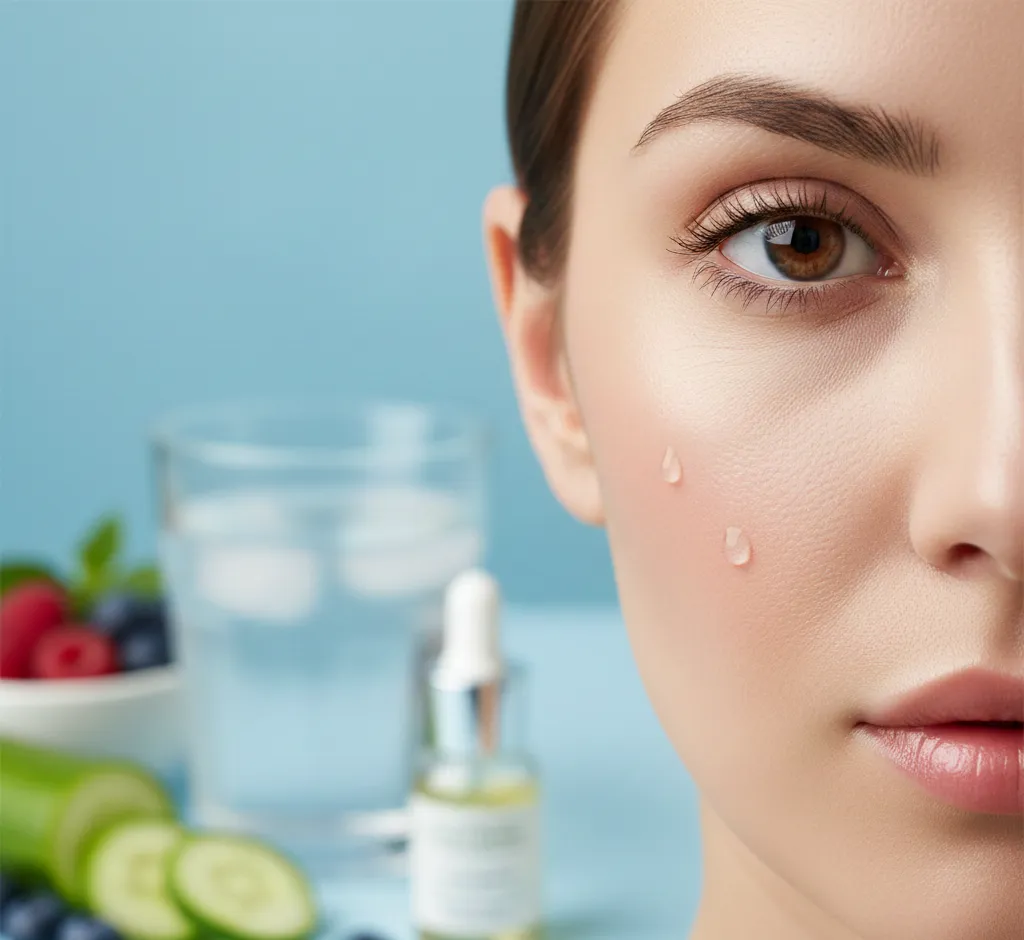
Healthy, youthful-looking skin is closely linked to how well it can stretch and bounce back — in other words, its elasticity. One of the most effective and often overlooked ways to support skin elasticity is proper hydration, both inside and out. When the skin is well hydrated, it looks plumper, smoother, and more resilient, while dehydration can make fine lines and sagging far more noticeable.
This in-depth guide explains how hydration affects skin elasticity, what really works (and what does not), and the daily habits you can adopt to get visible, long-lasting results.
What Is Skin Elasticity and Why It Matters
Skin elasticity is the ability of your skin to stretch and then return to its original shape. It is largely determined by structural proteins in the deeper layers of the skin, especially collagen and elastin, and by the skin’s moisture content.
High skin elasticity is usually associated with:
- A firmer, tighter look around the cheeks, jawline, and neck.
- Smoother texture with fewer visible fine lines and wrinkles.
- Better wound healing and overall skin resilience.
As we age, collagen and elastin production naturally slows down. Environmental factors like UV exposure, pollution, smoking, and chronic dehydration accelerate this decline. While we cannot stop aging, we can support skin elasticity by optimizing hydration and protecting existing collagen and elastin.
How Hydration Influences Skin Elasticity
Hydration supports elasticity in several interconnected ways. Think of it as the foundation that allows all other skin-care efforts to work better.
1. Water Content and Skin Plumpness
The outermost layer of the skin, the stratum corneum, acts like a protective barrier. When it has enough water, skin appears plump, smooth, and radiant. When it is dehydrated, tiny grooves deepen into visible fine lines and the skin loses bounce.
Hydrated skin cells are literally fuller. This natural plumping effect can soften the appearance of early wrinkles and improve overall elasticity, especially in areas prone to sagging such as the under-eye area and around the mouth.
2. Hydration and the Skin Barrier
Your skin barrier is made up of lipids (fats), proteins, and cells arranged a bit like bricks and mortar. Proper hydration keeps this barrier flexible and intact. A strong barrier helps the skin:
- Retain moisture, preventing transepidermal water loss (TEWL).
- Protect against irritants, allergens, and pollutants.
- Reduce chronic low-level inflammation that can break down collagen.
When the barrier is compromised — often through harsh cleansers, over-exfoliation, or dry environments — skin loses water more easily. Over time, this chronic dehydration weakens elasticity and can speed up visible aging.
3. Collagen, Elastin, and Hydrated Skin
Collagen and elastin form the support structure of the skin. Hydration does not replace these proteins, but it creates the environment they need to function well and stay protected.
- Well-hydrated skin is less prone to micro-tears and damage that trigger collagen breakdown.
- Hydration helps maintain the extracellular matrix, the “gel” that surrounds collagen and elastin fibers, keeping the whole structure more flexible.
- Chronically dehydrated skin is more vulnerable to oxidative stress, which accelerates collagen degradation.
This is why consistent hydration is considered a foundational step in any anti-aging or skin-firming routine.
Internal vs. External Hydration
For optimal skin elasticity, you need to hydrate your body and your skin. Focusing on only one side will limit your results.
Internal Hydration: What You Drink and Eat
Internal hydration fuels the entire body, including the skin. When you are dehydrated, your body prioritizes vital organs first, and your skin is one of the first places to show signs of lack of water.
Water intake basics
There is no one-size-fits-all number, but many experts suggest using your own body and lifestyle as a guide:
- Aim for clear to pale-yellow urine most of the day.
- Increase water intake in hot weather, during exercise, and in air-conditioned or heated indoor spaces.
- Sip water consistently throughout the day instead of drinking large amounts all at once.
Plain water is ideal, but herbal teas and water-rich foods also contribute to hydration.
Hydrating foods that support elasticity
Food can significantly support skin hydration and elasticity because it delivers both water and essential nutrients. Focus on:
- Water-rich fruits and vegetables: Cucumber, watermelon, berries, oranges, tomatoes, celery, and lettuce help hydrate from within while providing antioxidants.
- Healthy fats: Avocado, olive oil, nuts, seeds, and oily fish (like salmon or sardines) support the lipid barrier, helping skin retain moisture and stay supple.
- Protein sources: Eggs, legumes, lean meat, and tofu provide amino acids needed for collagen and elastin production.
- Collagen-supporting nutrients: Vitamin C (citrus, kiwis, bell peppers), zinc (pumpkin seeds, lentils), and copper (nuts, seeds) help the body build and maintain collagen.
External Hydration: Topical Skin Care
Topical products work on the skin’s surface and within the upper layers to attract, bind, and seal in moisture. For better elasticity, choose products that hydrate and protect the barrier at the same time.
Key hydrating ingredients
- Hyaluronic acid: A powerful humectant that attracts and holds water in the skin, instantly improving plumpness and fine lines.
- Glycerin: A gentle, effective humectant that pulls moisture into the skin and keeps it there.
- Aloe vera: Provides lightweight hydration and soothing benefits, useful for sensitive or irritated skin.
- Urea (low concentrations): Hydrates and gently softens rough or dry patches, improving texture and flexibility.
- Ceramides: Lipids that restore the skin barrier and reduce water loss, essential for long-term elasticity support.
The ideal routine for elasticity-focused hydration
For most skin types, a simple but consistent routine can significantly improve elasticity:
- Gentle cleansing: Use a mild, non-stripping cleanser to remove dirt and makeup without damaging the barrier.
- Hydrating toner or essence: Apply products with humectants like glycerin or hyaluronic acid on damp skin.
- Serum: Choose a hyaluronic acid or peptide serum to add extra hydration and support collagen.
- Moisturizer: Use creams with ceramides, fatty acids, and cholesterol to lock in hydration and support the barrier.
- SPF (morning): Finish with a broad-spectrum sunscreen to prevent UV damage, which is one of the biggest enemies of skin elasticity.
At night, you can add a richer moisturizer or an overnight hydrating mask to further support elasticity while the skin repairs itself.
Daily Habits to Hydrate for Better Skin Elasticity
Consistency matters more than quick fixes. The following habits help build a strong hydration foundation that supports elasticity over the long term.
1. Build a realistic water routine
Instead of obsessing over a fixed number of glasses, create simple cues that remind you to drink regularly:
- Keep a reusable water bottle at your desk and refill it several times a day.
- Drink a glass of water with each meal and snack.
- Have a small glass of water after coffee or alcohol to balance their dehydrating effects.
These small, sustainable habits are more effective than occasional “water challenges” that are hard to maintain.
2. Protect your skin barrier
A healthy barrier is essential for hydration and elasticity. To protect it:
- Avoid over-washing your face or using very hot water, which strips natural oils.
- Limit harsh exfoliants and high-percentage acids, especially if your skin feels tight or stings.
- Favor fragrance-free, alcohol-free formulas if your skin is sensitive or easily dehydrated.
- Apply moisturizer while your skin is still slightly damp to lock in more water.
3. Use targeted treatments wisely
Certain active ingredients can support collagen and elastin when used alongside a strong hydration routine:
- Retinoids (vitamin A derivatives): Encourage collagen production, but they can be drying. Always pair them with hydrating serums and barrier-supporting moisturizers.
- Peptides: Some peptides can signal the skin to produce more collagen and elastin. They work best on consistently hydrated skin.
- Antioxidants (vitamin C, E, niacinamide): Help protect collagen and elastin from environmental damage. Many antioxidant serums are also formulated with hydrating bases.
Introduce active ingredients slowly and patch-test to avoid irritation, which can undermine elasticity by damaging the barrier.
4. Adjust your environment
Your surroundings dramatically influence skin hydration and elasticity.
- Use a humidifier: In winter or in very dry climates, adding moisture to the air can reduce transepidermal water loss.
- Avoid direct blasts of hot or cold air: Heaters, air conditioners, and fans can dry out your skin.
- Limit extremely hot showers: Long, hot showers strip protective oils that help skin retain moisture.
5. Support hydration with lifestyle choices
Several lifestyle factors either enhance or sabotage your hydration and elasticity goals:
- Sleep: During deep sleep, your skin repairs itself and balances moisture levels. Aim for 7–9 hours per night.
- Stress management: Chronic stress can impair barrier function and drive behaviors (like poor diet or smoking) that worsen elasticity.
- Limit smoking and excessive alcohol: Both significantly dehydrate the skin and accelerate collagen breakdown.
Common Myths About Hydration and Skin Elasticity
Hydration is essential, but many popular claims are exaggerated or misleading. Understanding what is realistic helps you focus on what truly works.
Myth 1: Drinking huge amounts of water will erase wrinkles
Staying hydrated internally is important, but simply drinking more water than your body needs will not directly “fill in” wrinkles or dramatically reverse sagging. Once your body is adequately hydrated, extra water is excreted.
Visible improvements in elasticity come from a combination of factors: consistent internal hydration, a strong skin barrier, effective topical ingredients, sun protection, and collagen support.
Myth 2: Oily skin does not need hydration
Oil and water are not the same thing. Oily skin can still be dehydrated, which often shows up as tightness, dullness, or more prominent fine lines despite shine or breakouts.
Lightweight, non-comedogenic hydrating products (like gel creams and hyaluronic acid serums) help balance oily skin and support elasticity without clogging pores.
Myth 3: Only expensive products improve elasticity
Price does not guarantee results. Many affordable products contain proven hydrating and barrier-supporting ingredients like glycerin, ceramides, and hyaluronic acid. What matters most is the formula, consistency of use, and how well it suits your skin type.
How Long Until You See Results?
The timeline for visible improvement in skin elasticity depends on your starting point, age, and overall routine. However, many people notice changes fairly quickly when they commit to better hydration.
- Within a few days: Skin often feels less tight and looks more supple when you increase water intake and begin using hydrating products.
- After 2–4 weeks: Texture and plumpness usually improve, and fine dehydration lines may soften.
- After 3–6 months: With ongoing hydration, sun protection, and collagen-supporting actives, deeper improvements in elasticity and firmness may become noticeable.
Remember that elasticity is only one aspect of skin health. Hydration also helps with comfort, radiance, and resilience, even before dramatic visible changes appear.
Practical Sample Routine for Elasticity and Hydration
Here is a simple example of a daily routine that prioritizes hydration and elasticity, suitable for many skin types. Always adjust based on your specific needs and sensitivities.
Morning routine
- Cleanser: Gently cleanse with a low-foaming, pH-balanced cleanser.
- Hydrating toner/essence: Press into damp skin to add an initial layer of moisture.
- Serum: Use a hyaluronic acid serum, optionally combined with antioxidants like vitamin C.
- Moisturizer: Apply a lightweight or medium-weight cream with ceramides and glycerin.
- Sunscreen: Finish with a broad-spectrum SPF 30 or higher every day, even when it is cloudy.
Evening routine
- Cleanser: Remove makeup and sunscreen gently. Double cleanse if needed.
- Hydrating toner/essence: Replenish moisture after cleansing.
- Treatment: Apply a retinoid or peptide serum a few times per week, depending on tolerance.
- Moisturizer: Use a richer cream or a barrier-repair moisturizer with ceramides and fatty acids.
- Optional overnight mask: Once or twice a week, layer a hydrating mask over your moisturizer for extra plumpness.
When to See a Professional
If you have made consistent changes to your hydration and skincare routine for several months but still notice rapid loss of elasticity, it may be helpful to consult a dermatologist or qualified skin professional.
Seek professional advice if you experience:
- Sudden or severe sagging in localized areas.
- Persistent dryness, flaking, or irritation despite using gentle products.
- Skin conditions such as eczema, psoriasis, or rosacea that interfere with your ability to maintain hydration.
Professionals can recommend targeted treatments such as prescription topicals, in-clinic procedures that stimulate collagen, and tailored skincare plans that amplify the benefits of your daily hydration habits.
Key Takeaways: Hydration for Long-Lasting Elasticity
Improving skin elasticity is not about chasing miracle cures; it is about consistently giving your skin what it needs to stay strong, supple, and well supported. Hydration plays a central role in this process.
- Support elasticity from the inside with steady water intake and nutrient-dense, water-rich foods.
- Protect and hydrate the skin barrier using gentle cleansers, humectant-rich serums, and barrier-repair moisturizers.
- Combine hydration with sun protection, antioxidants, and collagen-supporting actives for the best long-term results.
- Focus on consistency. Small daily habits compound over time into visibly healthier, more elastic skin.
With a balanced approach to internal and external hydration, you can help your skin stay flexible, resilient, and radiant at any age.