Hydration Tracking Journals: How Simple Logs Create Powerful Health Habits
Discover how hydration tracking journals can help you drink more water, build healthier habits, boost energy, and support long-term wellness. Learn benefits, layouts, and practical tips.
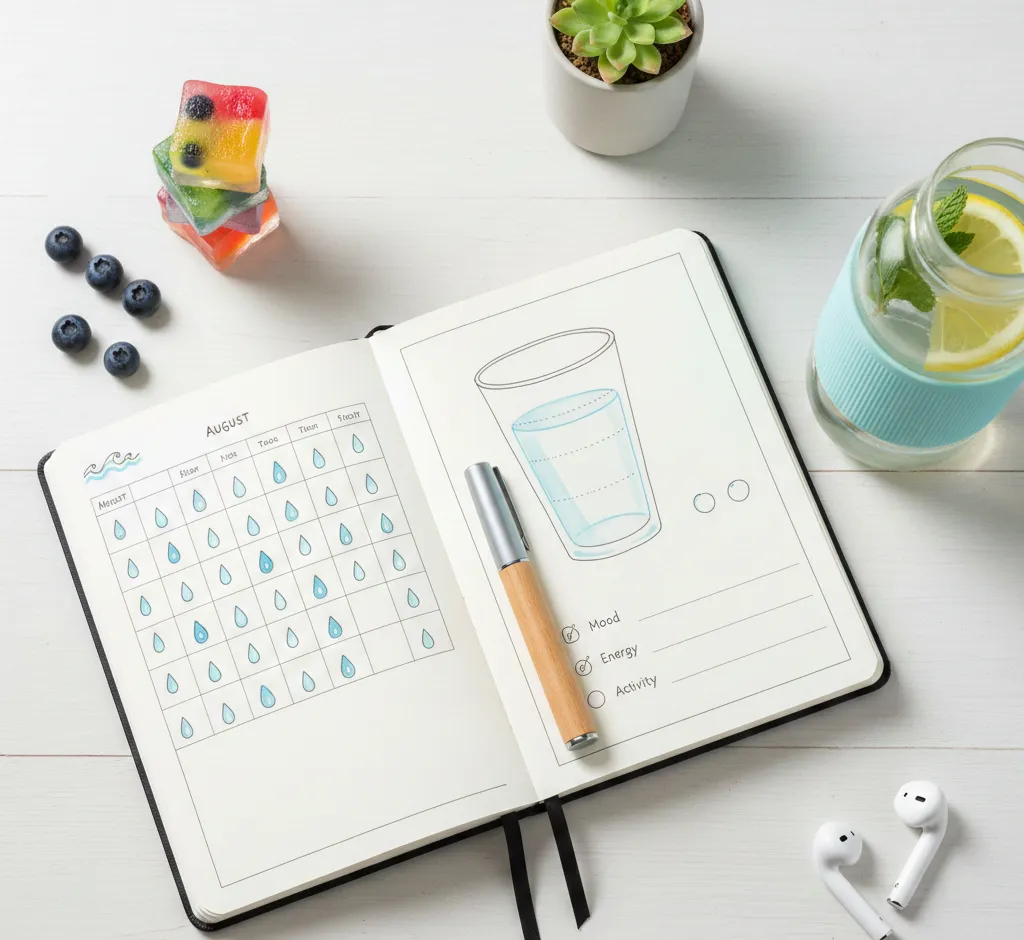
Staying hydrated sounds simple, yet many people struggle to drink enough water every day. Between busy schedules, endless distractions, and unclear guidelines, it is easy to forget your water bottle or underestimate how much you have actually had to drink. This is where hydration tracking journals can make a real difference.
A hydration tracking journal is more than a cute notebook or an app feature. It is a practical, visual system that helps you understand your drinking patterns, build consistent routines, and stay accountable to your wellness goals. Whether you are an athlete, a busy professional, or simply trying to feel better in your body, tracking your water intake can lead to noticeable physical and mental benefits.
What Is a Hydration Tracking Journal?
A hydration tracking journal is any dedicated place where you log your daily fluid intake. It can be:
- A paper notebook with daily water logs
- A printable hydration tracker inserted into a planner or binder
- A bullet journal spread designed specifically for tracking water
- A digital journal or note-taking app with hydration templates
The core idea is simple: you record what you drink, when you drink it, and sometimes how you feel. Over time, this creates a clear picture of your hydration habits and helps you make informed adjustments.
Why Hydration Matters More Than You Think
Before diving into the details of journaling, it helps to understand why hydration deserves this level of attention. Water is involved in almost every function in your body, from regulating temperature to supporting brain function and digestion.
Key roles of proper hydration
- Energy and focus: Even mild dehydration can cause fatigue, headaches, and difficulty concentrating.
- Digestive health: Adequate water supports digestion, nutrient absorption, and regular bowel movements.
- Skin and appearance: Well-hydrated skin often looks more plump, smooth, and radiant.
- Physical performance: Hydration affects strength, endurance, and recovery, especially during workouts.
- Temperature regulation: Water helps your body maintain a stable internal temperature.
Because thirst is not always an accurate early signal, many people walk around slightly dehydrated without realizing it. A hydration tracking journal helps you bridge the gap between how much you think you drink and how much you actually consume.
The Main Benefits of Hydration Tracking Journals
Using a hydration journal offers benefits that go beyond just “drinking more water.” It supports behavior change, self-awareness, and long-term health improvements.
1. Increased Awareness of Your True Intake
Most people guess their water intake—and those guesses are usually wrong. When you log every glass, bottle, or cup, you get an objective record. This improved awareness is the first and most powerful step toward change.
- You see patterns such as drinking nothing in the morning and overcompensating at night.
- You can identify days (travel, meetings, weekends) when your hydration consistently drops.
- You become more realistic about how much water your body actually needs.
Awareness turns vague intentions like “I should drink more water” into measurable actions and specific targets.
2. Building Consistent Hydration Habits
Hydration tracking journals help transform hydration from a random act into a structured habit. Every time you log a drink, you reinforce the behavior and create a mini moment of accountability.
Over time, you start to:
- Link water intake with existing routines (morning coffee, lunch, workout sessions).
- Plan ahead by refilling bottles or placing glasses of water in visible locations.
- Associate hydration with feeling better, which strengthens motivation.
Habit formation thrives on small, repeated actions. Your journal becomes a quiet coach reminding you to follow through.
3. Motivation and Visual Progress
One of the biggest advantages of hydration tracking journals is the visual feedback. Seeing your progress laid out on a page can be surprisingly motivating.
- Filling in circles, boxes, or water droplet icons gives a sense of achievement.
- Weekly or monthly overviews highlight improvement trends.
- Color-coding days when you hit your goal versus when you did not makes patterns easy to spot.
This visual element turns an invisible habit into something concrete, making it more enjoyable to maintain over the long term.
4. Better Connection Between Habits and How You Feel
Many hydration journals include space for notes about mood, energy levels, sleep, or physical symptoms such as headaches or cravings. This allows you to connect your hydration with your overall well-being.
Over time, you may notice relationships like:
- More water on workdays correlates with fewer afternoon energy crashes.
- Increased hydration reduces the frequency of headaches.
- Balanced fluid intake leads to better workout performance or recovery.
This type of self-discovery makes your water goals feel meaningful, not just arbitrary numbers.
5. Support for Specific Health and Fitness Goals
Hydration tracking journals are especially useful if you have targeted goals, such as:
- Weight management: Drinking water before meals can help some people manage appetite. Tracking ensures you apply the strategy consistently.
- Sports and fitness: Athletes and active individuals can log intake around training sessions to fine-tune hydration strategies.
- Skin and beauty goals: Those focusing on skin health can track water alongside skincare routines and note changes.
- Medical conditions: People advised by a professional to adjust their fluid intake (for kidney health, blood pressure, or other conditions) can use journals to stay compliant and informed.
In each case, a hydration journal turns recommendations into daily practice—and provides clear records if you want to discuss habits with a healthcare provider.
6. Reduced Reliance on Willpower Alone
Willpower is unreliable, especially on stressful days. A hydration tracking journal takes some of the pressure off your memory and self-control by externalizing the process.
Instead of constantly thinking “I should drink more water,” you:
- Follow a repeatable plan written in your journal.
- Set simple daily targets and check them off like a to-do list.
- Use structure and routine rather than motivation alone.
This approach is more sustainable and less mentally draining, which increases your chances of staying consistent.
Types of Hydration Tracking Journal Layouts
There is no one “right” way to design a hydration journal. The best layout is the one you will actually use consistently. Here are some popular formats and how they work.
Daily Log Pages
In a daily log format, each day gets its own section or page. You track:
- Total water goal for the day (for example, 2 liters or 8 glasses).
- Individual servings as you drink them (tick boxes, icons, or line entries).
- Optional notes about mood, sleep, exercise, or meals.
This layout works well if you enjoy journaling and want space to reflect in more detail.
Weekly or Monthly Overview Grids
Overview layouts display many days on a single page in a grid, allowing you to see patterns at a glance.
- Each column can represent a day, and each row a glass or a specific volume.
- You fill in boxes as you drink, building a visual graph of your week or month.
- This format is ideal for people who prefer quick tracking with minimal writing.
Grids are especially popular in bullet journals and printable habit trackers.
Habit Tracker with Multiple Wellness Metrics
Some people integrate hydration into a broader wellness habit tracker. On one page, you might track:
- Water intake
- Sleep hours
- Steps or physical activity
- Screen time limits
- Mindfulness or journaling sessions
Hydration becomes part of a bigger lifestyle picture, which can be motivating if you enjoy optimizing multiple habits at once.
How to Set a Personalized Hydration Goal
One of the most common questions is: “How much water should I aim for in my hydration tracking journal?” While the classic guideline is around 8 cups a day, the ideal amount depends on factors such as your size, climate, activity level, and health status.
General considerations for goal setting
- Body size: Larger bodies generally need more fluids than smaller ones.
- Activity level: If you exercise or sweat a lot, you will likely need extra water.
- Environment: Hot or high-altitude climates can increase fluid needs.
- Diet: High-salt, high-protein, or low-water-content diets may require more hydration.
- Medical advice: Always follow personalized guidance if a healthcare provider has given you specific fluid limits.
For many people, starting with a moderate, achievable goal and adjusting based on how you feel is more realistic than aiming for a perfect number on day one.
Practical goal-setting tips
- Begin by tracking your current, natural intake for a week without changing anything.
- Increase your daily target slowly (for example, by one extra glass at a time).
- Pay attention to signs like energy, digestion, and urine color as feedback.
- Reassess your goal monthly and adjust if it feels too low or too ambitious.
Your hydration tracking journal becomes a tool for calibration, not perfection.
What to Record in a Hydration Tracking Journal
You can keep your hydration journal extremely simple or more detailed, depending on your personality and goals. Here are elements you might include.
Core elements to track
- Date: To keep records organized and spot long-term patterns.
- Total fluid goal: Your target for the day, whether in cups, ounces, or milliliters.
- Individual drinks: Each glass, bottle, or mug, ideally with an approximate volume.
- Completion indicator: A check mark, star, or highlight when you hit your daily goal.
Optional, deeper insights
- Time of day: To see when you tend to drink most (morning, afternoon, evening).
- Type of beverage: Plain water, sparkling water, herbal tea, or other low-sugar drinks.
- Mood and energy: Short notes such as “felt focused,” “afternoon slump,” or “good workout.”
- Sleep quality: Especially helpful if you suspect evening hydration affects nighttime wake-ups.
Not every user needs to track all of these details. Start simple and add more data only if it genuinely helps you.
Paper vs. Digital Hydration Journals
Both paper and digital formats can work beautifully for hydration tracking. Your choice comes down to convenience, personality, and lifestyle.
Benefits of paper hydration journals
- Offers a tactile, mindful experience that encourages reflection.
- Limits screen time and reduces digital distractions.
- Easy to customize with your own layouts, colors, and creative designs.
- Pairs naturally with planners or bullet journals you already use.
Benefits of digital hydration journals and apps
- Can send reminders and notifications throughout the day.
- Automatically totals your intake and generates graphs or trends.
- Syncs across multiple devices, making it easy to log on the go.
- Often integrates with fitness trackers or smartwatches.
Some people choose a hybrid approach: they use an app for quick logging and then summarize weekly patterns in a paper journal for reflection and planning.
How to Start a Hydration Tracking Journal Step by Step
Starting a hydration journal does not have to be complicated. You can begin with tools and materials you already own.
Step 1: Choose Your Format
Decide between:
- A dedicated notebook
- An added section in your existing planner
- A bullet journal spread
- A digital note-taking app or habit-tracking app
Pick the format you are most likely to open and use daily.
Step 2: Design a Simple Layout
Start with a minimal structure so you can refine it later. For example, a basic daily layout might include:
- Today’s date
- Water goal
- Eight small circles to represent 8 glasses
- A short notes section (optional)
You can always add decorative elements like colors or icons once the basic habit feels solid.
Step 3: Track Without Judgment for a Week
For the first week, focus on honest recording, not perfection. Do not pressure yourself to hit a specific number every day yet. This “baseline week” shows your natural patterns and makes future improvements easier to plan.
Step 4: Set a Realistic Goal and Adjust
After one week, choose a goal slightly higher than your current average—enough to stretch you, but not so high that it feels impossible. Use your journal to:
- Plan approximate times for key glasses of water (morning, lunch, afternoon, evening).
- Note what helped you drink more (having a bottle at your desk, carrying water in the car).
- Track how your body responds as intake increases.
Step 5: Review and Reflect Regularly
Set aside time weekly or monthly to flip through your hydration tracking journal and reflect. Ask yourself:
- Which days were easiest and why?
- When did you struggle, and what got in the way?
- Do you notice any changes in energy, mood, skin, or digestion?
Use these reflections to refine your routines, adjust your goals, or simplify your tracking method if needed.
Practical Tips to Make Hydration Tracking Stick
A journal is a tool, but consistency comes from how you use it. Small, strategic changes can make your hydration habit feel more natural and less forced.
Connect Tracking with Existing Routines
Anchor your hydration logging to habits you already have, such as:
- Writing in your journal after brushing your teeth in the morning.
- Logging water at the same time you check your calendar.
- Marking your tracker after each meal or snack.
This approach reduces the mental load of remembering yet another task.
Keep Your Journal Visible
Out of sight often means out of mind. Place your hydration tracking journal:
- On your desk, next to your water bottle.
- By your nightstand, if you plan and review at the start or end of the day.
- In your bag, if you are often on the go.
Visual cues nudge you to log your intake and, by association, to drink more water.
Pair Your Journal with the Right Tools
Hydration tracking becomes easier when you standardize your drinking containers. For example:
- Use a bottle with known volume (e.g., 500 ml or 16 oz) so you can quickly calculate totals.
- Mark lines or time goals on your bottle (such as “9am,” “11am,” “1pm”) to guide your pace.
- Choose a favorite glass or mug at home to simplify tracking.
The more automatic your measuring system, the simpler your journaling process.
Common Mistakes to Avoid
Even a helpful tool like a hydration tracking journal can become frustrating if used in an unbalanced way. Here are common pitfalls to avoid.
Chasing Perfection Instead of Progress
Some people feel discouraged if they miss a day of logging or fall short of their target. Remember that your journal is a guide, not a test you must pass.
- View imperfect days as valuable data, not failures.
- Focus on long-term trends rather than one-off slip-ups.
- Use missed days to refine your system, not to give up entirely.
Ignoring How Your Body Feels
While numbers are useful, your body’s signals matter too. Overfocusing on a specific target can sometimes lead to unnecessary overdrinking, especially if you force yourself to drink when you already feel well-hydrated.
Use your hydration tracking journal alongside your body’s cues—thirst, urine color, and how you feel overall.
Making the System Too Complicated
Elaborate layouts and data points can be fun, but if the process feels overwhelming, you are less likely to stick with it. Start with a simple, quick method and only add layers of detail if they genuinely help you.
Who Can Benefit Most from Hydration Tracking Journals?
Almost anyone can gain something from tracking water intake, but some groups may find hydration journals especially valuable.
- Busy professionals: People who get absorbed in work and forget to drink until late in the day.
- Students: Those managing classes, study sessions, and screen time who want to support focus and energy.
- Fitness enthusiasts: Individuals training regularly who need to manage hydration before, during, and after workouts.
- People on wellness journeys: Anyone trying to improve sleep, digestion, or skin health as part of a broader lifestyle change.
- Those following medical advice: Individuals advised by healthcare professionals to monitor or adjust fluid intake.
Because hydration is such a universal need, a tracking journal is a low-cost, low-risk tool with high potential return.
Final Thoughts: Turning Simple Tracking into Lasting Change
Hydration tracking journals may look simple, but their power lies in consistency. By writing down what you drink, you transform an invisible habit into something you can see, measure, and improve.
Over weeks and months, those small check marks and filled-in icons add up to better energy, clearer thinking, smoother digestion, and a greater sense of control over your well-being. Whether you choose a minimalist tracker, a colorful bullet journal spread, or a digital log, the key is the same: keep it sustainable, stay curious, and let your hydration journal guide you toward a healthier, more hydrated life.