Importance of Tongue Cleaning in Daily Oral Hygiene
Discover why tongue cleaning is essential for fresh breath, better oral health, and overall hygiene. Learn benefits, tools, and step-by-step tips for a cleaner tongue.
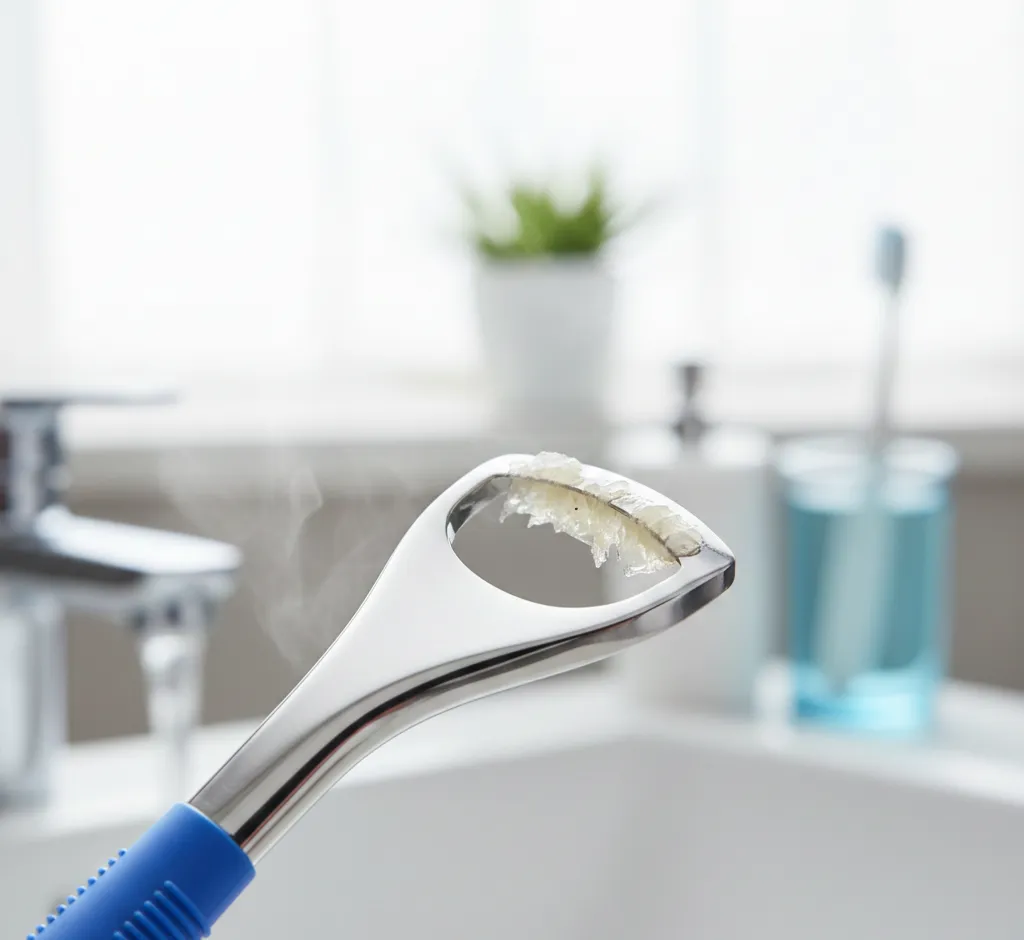
When most people think about oral hygiene, they immediately focus on brushing and flossing their teeth. Yet one crucial part of the mouth is often neglected: the tongue. Proper tongue cleaning plays a major role in maintaining fresh breath, preventing oral disease, and supporting overall health. Understanding why and how to clean the tongue can transform a basic hygiene routine into a truly effective one.
Why Tongue Cleaning Matters
The tongue is not just a passive muscle used for speaking and tasting food. Its surface is covered with tiny bumps and grooves, known as papillae, which easily trap food particles, dead cells, and bacteria. When not removed regularly, this build-up can lead to bad breath, changes in taste, and even contribute to gum disease and tooth decay.
Unlike teeth, which are relatively smooth, the textured surface of the tongue creates an ideal environment for bacteria to thrive. This biofilm on the tongue can be stubborn and is not always fully removed by simple rinsing or brushing teeth alone. That is why dedicated tongue cleaning is so important in a comprehensive oral hygiene routine.
Health Benefits of Tongue Cleaning
1. Reduces Bad Breath (Halitosis)
One of the most immediate and noticeable benefits of tongue cleaning is fresher breath. A significant portion of bad breath originates from the tongue, where bacteria break down proteins from food and saliva, releasing volatile sulfur compounds (VSCs). These compounds are responsible for the characteristic unpleasant odor of halitosis.
By removing the bacterial coating and debris, tongue cleaning helps reduce the production of these foul-smelling compounds. For many people, this simple habit can dramatically improve confidence in social and professional settings.
2. Improves Taste and Eating Experience
The tongue is covered with taste buds that allow the perception of sweetness, sourness, bitterness, saltiness, and umami. When a layer of plaque and debris coats the tongue, it can interfere with the ability to taste foods properly. Many people report that regularly cleaning their tongue makes flavors more vivid and enjoyable.
This improved sense of taste not only enhances the pleasure of eating but can also support mindful eating habits, making it easier to recognize when the body feels satisfied.
3. Supports Overall Oral Health
Bacteria do not stay confined to the tongue. They can spread to the teeth and gums, contributing to plaque formation, tooth decay, and gum inflammation. By reducing the bacterial load on the tongue, tongue cleaning indirectly supports healthier gums and teeth.
Combining tongue cleaning with regular brushing, flossing, and dental check-ups provides a more complete defense against cavities, gingivitis, and periodontal disease.
4. May Help Support General Health
Researchers increasingly recognize links between oral health and overall health. Conditions such as heart disease, diabetes, and respiratory infections have been associated with poor oral hygiene and chronic inflammation in the mouth. While tongue cleaning alone is not a cure or treatment, it contributes to a cleaner, healthier oral environment.
By keeping oral bacteria under better control, tongue cleaning plays a small but meaningful role in a holistic health routine.
Common Tongue Problems Related to Poor Hygiene
Coated Tongue
A white, yellowish, or brownish coating on the tongue is a common sign that bacteria, food debris, and dead cells have accumulated on the surface. While a coated tongue is often harmless, it can cause bad breath and an unpleasant taste in the mouth. In some cases, a persistent coating may indicate dehydration, smoking, poor diet, or underlying health issues.
Bad Breath and Social Discomfort
Chronic bad breath can be embarrassing and may affect personal relationships, job interviews, meetings, and everyday conversations. Many people try to mask the problem with mints or mouthwashes, but these only provide temporary relief if the tongue remains coated. Addressing the root cause with effective tongue cleaning can be a more reliable and long-lasting solution.
Increased Plaque and Gum Inflammation
When the tongue is not cleaned regularly, bacteria can migrate more easily to the gums and teeth. Over time, this can contribute to plaque build-up along the gumline, leading to inflammation, bleeding, and tenderness. Maintaining a clean tongue complements brushing and flossing, helping to control the bacteria that trigger these issues.
Tools for Cleaning the Tongue
Tongue cleaning does not have to be complicated or expensive. Several tools are available, and each has its own advantages. The most important thing is to use a method that feels comfortable and that can be maintained consistently.
Tongue Scraper
A tongue scraper is specifically designed to clean the tongue’s surface by gently scraping off the coating and debris. It is usually made from plastic, stainless steel, or copper and comes in various shapes. Many dental professionals recommend tongue scrapers because they are simple, effective, and easy to clean.
- Designed for the shape and texture of the tongue.
- Often more effective than a toothbrush at removing buildup.
- Quick and easy to use, usually taking less than a minute.
Toothbrush with Tongue Cleaner
Some toothbrushes include a textured surface on the back of the brush head designed for tongue cleaning. This can be a convenient option since it combines brushing and tongue cleaning into a single tool.
- Useful for people who prefer minimal tools.
- More effective than skipping tongue cleaning altogether.
- May not remove as much debris as a dedicated tongue scraper.
Regular Toothbrush
In the absence of a tongue scraper or specialized tool, a regular toothbrush can also be used to clean the tongue. While this is better than not cleaning at all, the bristles may not remove as much coating as a scraper and may trigger a stronger gag reflex.
- Easy to start if no other tools are available.
- Should be used gently to avoid irritation.
- Rinse thoroughly after cleaning the tongue.
How to Clean Your Tongue Correctly
Step-by-Step Guide
Adding tongue cleaning to a daily routine is simple and usually takes less than a minute. The key is to be gentle but thorough.
- Prepare your tool: Rinse your tongue scraper or toothbrush under running water to ensure it is clean before use.
- Open your mouth wide: Extend your tongue comfortably. Avoid pushing it out too far, which may cause strain or gagging.
- Start at the back: Place the tongue scraper or toothbrush near the back of the tongue. If you feel a gag reflex, move slightly forward until it becomes manageable.
- Scrape or brush forward: Gently pull the scraper from the back toward the tip of the tongue in a smooth motion. If using a toothbrush, brush with gentle strokes from back to front.
- Rinse and repeat: Rinse the scraper or brush under water after each pass to remove debris. Repeat this action several times until the tongue looks cleaner and the coating is reduced.
- Rinse your mouth: After finishing, rinse your mouth thoroughly with water or mouthwash to remove any remaining particles.
- Clean your tool: Finally, wash the tongue scraper or toothbrush well and store it in a clean, dry place.
How Often Should You Clean Your Tongue?
For most people, cleaning the tongue once or twice a day is sufficient. The best times are usually in the morning, to remove buildup that has accumulated overnight, and at night, before going to bed. Consistency is more important than intensity; gentle, regular cleaning yields better results than aggressive, occasional scrubbing.
Tips for Effective and Safe Tongue Cleaning
- Be gentle: The tongue is sensitive. Use light pressure to avoid irritation, redness, or soreness.
- Listen to your body: If tongue cleaning causes pain, bleeding, or persistent discomfort, stop and consult a dentist or doctor.
- Combine with other oral care habits: Tongue cleaning works best alongside brushing twice a day, flossing daily, and using mouthwash as recommended.
- Stay hydrated: Drinking enough water helps reduce dry mouth, which can promote bacterial growth and bad breath.
- Replace tools regularly: If using a plastic tongue scraper or toothbrush, replace it when it becomes worn or damaged.
Who Especially Benefits from Tongue Cleaning?
While everyone can benefit from tongue cleaning, some groups may notice particularly significant improvements.
People with Persistent Bad Breath
Those who struggle with chronic bad breath often find that regular tongue cleaning makes a meaningful difference. In combination with professional dental care, it can be an essential part of addressing halitosis.
Smokers and Tobacco Users
Smoking and using other tobacco products can lead to a heavily coated tongue, altered taste, and strong oral odors. Tongue cleaning can help remove some of this buildup and improve both appearance and breath, although quitting tobacco remains the most important step for oral and overall health.
People with Dry Mouth
Dry mouth reduces the natural cleansing effect of saliva, allowing bacteria to accumulate more easily on the tongue and other surfaces. Individuals with dry mouth, whether due to medications, medical conditions, or lifestyle factors, may see added benefits from a careful and consistent tongue cleaning routine.
Individuals with Orthodontic Appliances
Braces, retainers, and other orthodontic devices can make oral hygiene more challenging. Since more surfaces exist for plaque and food debris to cling to, keeping the tongue clean can help maintain better overall oral freshness and hygiene.
When to Seek Professional Advice
While a coated tongue is often related to hygiene, lifestyle, or diet, there are times when it may signal a medical issue. If the tongue’s color, texture, or coating changes suddenly, or if there is pain, burning, or persistent bad breath despite good hygiene, a dental or medical professional should evaluate the situation.
Conditions such as oral thrush, geographic tongue, anemia, vitamin deficiencies, or systemic diseases can sometimes manifest as changes on the tongue. Professional evaluation ensures that underlying problems are not overlooked and that the correct treatment is provided.
Making Tongue Cleaning a Daily Habit
Forming a new habit can be challenging, but integrating tongue cleaning into an existing oral care routine makes it much easier. A simple way to remember is to follow a consistent sequence every morning and evening.
Sample Routine
- Step 1: Brush your teeth thoroughly for two minutes.
- Step 2: Floss between all teeth to remove plaque and food particles.
- Step 3: Clean your tongue with a scraper or toothbrush.
- Step 4: Rinse your mouth with water or an appropriate mouthwash.
Placing the tongue scraper next to the toothbrush or keeping a reminder note on the bathroom mirror can help turn tongue cleaning into a natural, automatic part of daily self-care.
Conclusion: A Small Step with Big Benefits
Tongue cleaning is one of the simplest, quickest, and most overlooked ways to improve oral hygiene. By removing bacteria, dead cells, and food particles from the tongue’s surface, this habit helps reduce bad breath, enhance taste, support gum and tooth health, and contribute to overall well-being.
Incorporating tongue cleaning into a daily routine does not require much time or special skill, yet the benefits can be felt almost immediately. Whether using a tongue scraper, a toothbrush with a tongue cleaner, or a regular brush, dedicating just a few extra moments each day to cleaning the tongue is a smart investment in long-term oral health and confidence.