Integrating Carbon Dioxide Monitoring with Humidity Control for Optimal Indoor Air Quality
Learn why monitoring carbon dioxide with humidity control is essential for indoor air quality management. Discover the latest sensor technology, best practices for integration, and the health and energy benefits for homes, offices, and industrial spaces.
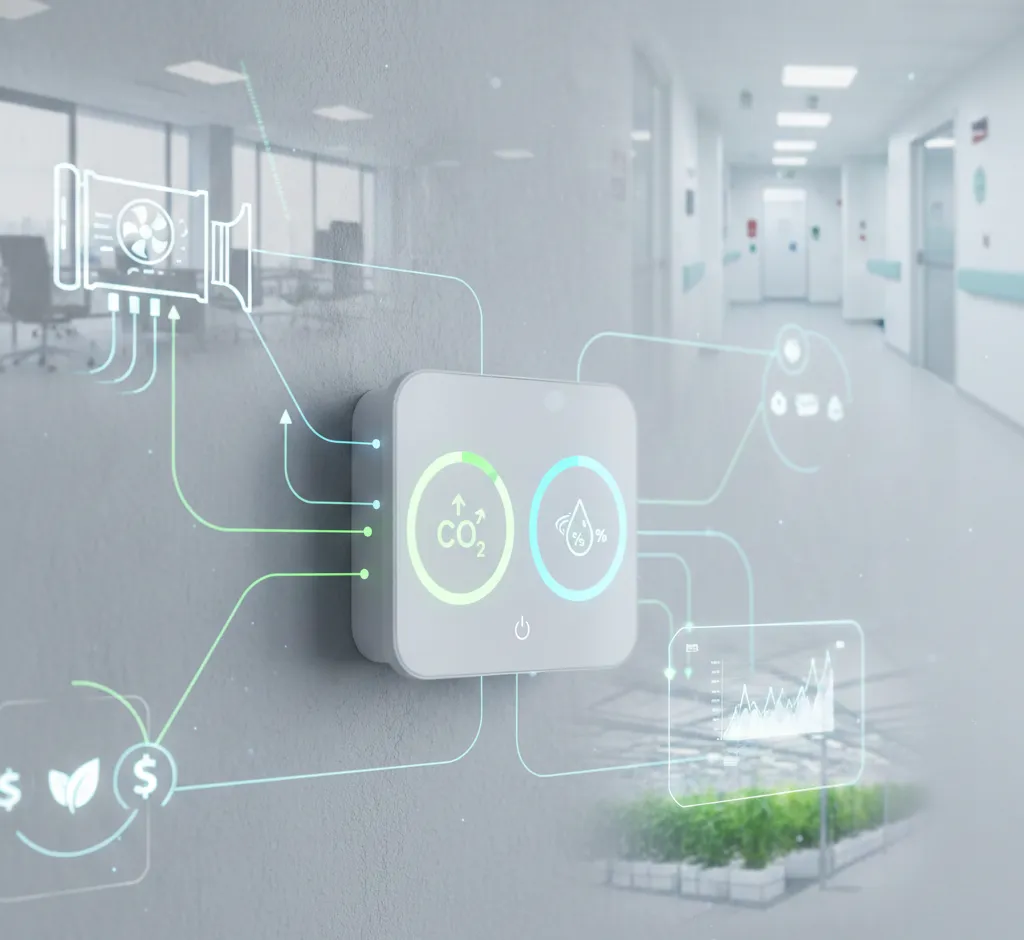
Ensuring healthy indoor air quality is essential for any environment, be it residential, commercial, or industrial. Among the primary indicators of air quality are carbon dioxide (CO₂) concentration and relative humidity, both of which affect human comfort, productivity, and overall well-being. Integrating CO₂ monitoring with humidity control has emerged as a best practice in advanced building management and HVAC systems for maintaining a safe and energy-efficient indoor environment.
Why Monitor Carbon Dioxide and Humidity Together?
Carbon dioxide levels in indoor spaces can rise quickly due to human occupancy, poor ventilation, and climate control measures. Elevated CO₂ concentrations lead to drowsiness, reduced cognitive function, and in severe cases, health risks. Simultaneously, improper humidity—whether too high or too low—can foster bacterial and mold growth, increase the transmission of airborne viruses, or cause discomfort and respiratory problems. By monitoring both parameters, facility managers can optimize mechanical ventilation rates, balance energy consumption, and directly influence occupant health and comfort.
Key benefits include:
- Early detection and prevention of poor air quality conditions.
- Improved decision-making for ventilation and dehumidification systems.
- Energy savings when demand-controlled ventilation is used.
- Reduction in maintenance costs and extended equipment lifespan.
How Modern Sensors Facilitate Combined Monitoring
State-of-the-art CO₂ and humidity sensors frequently incorporate multiple sensing technologies into a single device. Nondispersive infrared (NDIR) sensors are widely used for accurate CO₂ detection, while capacitive or polymer-based sensors handle precise humidity readings. Bundling these measures allows for real-time tracking and actionable insights for building automation or home IoT systems.
For example, wireless, solar-powered devices can transmit both CO₂ concentration and humidity data to central platforms or cloud-based dashboards, eliminating the need for complex wiring or frequent maintenance. Many models also monitor temperature, allowing for predictive control strategies that accommodate seasonal changes or dynamic schedules within buildings.
Device Features
- Combined CO₂ detection (e.g., 0-2550ppm with ±125ppm accuracy) and humidity measurement (0-100% relative humidity with ±5% accuracy).
- Automatic recalibration algorithms for long-term stability and reliable operation.
- Integration support for Modbus, BACnet, or IoT protocols.
- Alarm functions and data logging for regulatory compliance and diagnostics.
Applications and Use Cases
CO₂ and humidity monitoring is crucial in diverse settings:
- Commercial buildings and workplaces – Maintain employee health, comply with indoor air quality standards, and optimize energy costs through demand-control ventilation.
- Schools and educational facilities – Reduce the spread of airborne illnesses and support student focus by maintaining ideal CO₂ and humidity levels throughout the day.
- Healthcare centers – Control the indoor environment for vulnerable patients and prevent the proliferation of bacteria or viruses.
- Greenhouses and grow rooms – Fine-tune environmental conditions for plant growth and prevent diseases related to excess humidity or CO₂ fluctuations.
- Smart homes and IoT environments – Enable connected ventilation or HVAC systems to respond in real-time to occupancy and changing air quality.
Strategies for Effective Monitoring and Control
Implementing an effective system requires choosing the right sensor technology and developing strategies for interpretation and action:
- Select multi-parameter sensors featuring NDIR for CO₂, capacitive for humidity, and temperature sensing for accurate, comprehensive data. Wireless models offer ease of installation and low maintenance.
- Integrate sensors with building management systems (BMS) or IoT platforms to enable centralized monitoring, trend analysis, and automated response—such as opening dampers or activating dehumidifiers.
- Utilize alert settings to trigger visual, audio, or remote notifications when CO₂ or humidity exceeds preset thresholds, allowing prompt remedial action.
- Review and analyze logged data for long-term trends, optimizing system settings to reduce downtime, improve comfort, and minimize operational costs.
Technical Integration
- Data output via standardized protocols allows easy integration with HVAC or automation systems.
- Sensor calibration should be performed periodically or set to auto-calibrate for accuracy.
- Consider environmental variables such as external weather, occupancy patterns, or special zone requirements during system planning.
Challenges and Considerations
While integrated CO₂ and humidity measurement provides numerous benefits, several challenges must be addressed:
- Sensor Placement: Poor location can lead to inaccurate readings; avoid positions near windows, doors, vents, or direct sunlight for best results.
- Sensor Drift and Maintenance: Over time, even the best sensors can experience drift. Choose models with automatic calibration or schedule manual checks as part of facility maintenance.
- Integration Complexity: Some legacy building management platforms may lack support for the latest sensors—ensure compatibility during system planning.
Future Trends
The integration of CO₂ and humidity monitoring will continue to advance as smart building technology evolves. Improvements in sensor accuracy, longevity, and wireless connectivity will further streamline deployment and reduce overall cost while enhancing health and efficiency outcomes. Artificial intelligence and machine learning algorithms are already being deployed to predict air quality trends and automate corrective measures, creating a proactive approach to indoor environmental management.
Conclusion
Combining carbon dioxide monitoring with humidity control is a critical component in delivering healthy, comfortable, and efficient indoor spaces. As regulatory pressures and occupant expectations for indoor air quality continue to rise, adopting comprehensive sensing solutions becomes not just a best practice but a necessity. With proper implementation, these systems deliver measurable returns in health, productivity, and cost savings for any environment.