Joint Health with Essential Oils: Natural Support for Mobility and Comfort
Discover how essential oils like peppermint, ginger, eucalyptus, and frankincense can naturally support joint health, mobility, and comfort. Learn safe application methods, massage blends, and lifestyle tips for long-term joint care.
Joint health plays a crucial role in how freely and comfortably we move every day. Whether it is occasional stiffness after exercise, age-related changes, or long hours spent at a desk, many people look for natural ways to soothe discomfort and support healthy mobility. Essential oils are one of the most popular natural options used alongside a healthy lifestyle and, when needed, medical care.
This article explains how essential oils may support joint health, which oils are most often used, how to apply them safely, and how to combine them with other natural strategies for better long-term joint comfort. Always remember: essential oils do not replace professional medical treatment, but they can be a helpful complement when used wisely.
How Joint Health Affects Everyday Life
Joints are the connection points between bones that allow movement, absorb shock, and support body weight. When joints are healthy, movements like walking, bending, and lifting feel natural and easy. When joints become stiff, irritated, or painful, even simple daily tasks can feel challenging.
Common factors that affect joint health include:
- Age-related wear: Over time, cartilage can naturally thin, which may contribute to stiffness and reduced flexibility.
- Repetitive movements: Certain work or sports activities can place repeated stress on the same joints.
- Sedentary lifestyle: Long periods of sitting can weaken muscles that support the joints.
- Excess weight: Extra load increases stress on weight-bearing joints such as knees, hips, and the lower back.
- Previous injuries: Sprains, fractures, or sports injuries can affect joint function later on.
Because joint health depends on many factors, a holistic approach usually works best. This includes appropriate exercise, a balanced diet, weight management, good posture, and, when helpful, natural tools like essential oils to support comfort and relaxation.
What Are Essential Oils and How Do They Relate to Joint Health?
Essential oils are highly concentrated plant extracts obtained from leaves, flowers, bark, roots, or resins. They contain aromatic compounds that give plants their characteristic scent and many of their traditional uses in wellness practices. In the context of joint health, essential oils are mainly used for topical application and aromatherapy to support:
- Sensation of warmth or cooling in muscles and joints
- Relaxation after physical exertion
- A feeling of reduced tension and stiffness
- Overall comfort and a sense of well-being
Modern research is still evolving and often focuses on specific components found in certain essential oils. While essential oils are not a cure for joint diseases, many people report subjective benefits when using them as part of a broader self-care routine.
Best Essential Oils for Joint Comfort
Different essential oils offer different properties. Some are known for a warming effect, others for a cooling sensation, and some are valued for their relaxing aromas. Below are some of the most commonly used essential oils for supporting joint comfort.
1. Eucalyptus Essential Oil
Eucalyptus oil is often chosen for its refreshing, clearing aroma and cooling sensation on the skin when properly diluted. Topically, it may provide a sense of relief after physical activity and can be combined with massage techniques to promote comfort around the joints.
Because of its intensity, eucalyptus oil should always be diluted in a carrier oil and kept away from the face in children. Sensitive skin may react to strong concentrations, so a patch test is important.
2. Peppermint Essential Oil
Peppermint oil contains menthol, which gives a characteristic cooling and soothing sensation. When applied in a diluted form, it is often used to refresh tired muscles and joints after sports or a long day on the feet.
Many people like to blend peppermint oil with a warming oil, such as black pepper or ginger, to create an alternation of warm and cool sensations on the skin. Again, due to strength, only a small amount is needed in a carrier oil.
3. Lavender Essential Oil
Lavender oil is widely used for its calming aroma and gentle nature. While it is not specifically a warming or strong cooling oil, it is often added to joint blends to promote relaxation, relieve perceived tension, and support restful sleep when discomfort makes it hard to relax.
Lavender pairs well with many other essential oils and is often included in nighttime massage blends applied to knees, shoulders, or the lower back before bed.
4. Rosemary Essential Oil
Rosemary oil has a stimulating, herbal aroma and is traditionally used in massage oils aimed at supporting circulation and revitalization. For joints, it is often blended into warming massage oils that are used before exercise or physical work.
Due to its stimulating character, rosemary oil is usually recommended for daytime use rather than in the evening.
5. Ginger Essential Oil
Ginger essential oil is known for its warming properties. When diluted and massaged into the skin, many users experience a gentle feeling of warmth that can be pleasant on stiff or cold-feeling joints, especially in cooler weather.
Because it is quite potent, ginger oil should be used in low percentages in a carrier oil and avoided on broken or irritated skin.
6. Frankincense Essential Oil
Frankincense oil has a resinous, grounding aroma and is popular in meditative and relaxation practices. In the context of joint health, it is often included in blends for mature skin and joints, both for topical application and for aromatherapy diffusion during relaxation exercises.
Many joint-supporting blends combine frankincense with lavender or citrus oils to create a balanced, soothing scent profile.
7. Black Pepper Essential Oil
Black pepper oil provides a gentle warming sensation and is frequently used by massage therapists in blends aimed at supporting flexibility before movement. Applied correctly, it can create a pleasant, subtle heat over the area of application.
Because of its warming nature, it should be diluted well and applied gradually to see how the skin responds.
Safe Use of Essential Oils for Joints
Safety is crucial when working with essential oils, especially because they are highly concentrated substances. Used incorrectly, they can irritate the skin or cause unwanted reactions. Follow these key principles before applying essential oils to areas around your joints.
Always Dilute in a Carrier Oil
Never apply essential oils undiluted directly to the skin. Instead, mix them into a carrier oil such as:
- Sweet almond oil
- Jojoba oil
- Fractionated coconut oil
- Grapeseed oil
- Olive oil (for short-term, home use)
For joint massage, a typical dilution guideline is:
- Daily use: Around 1–2% essential oil (about 3–6 drops per 10 ml of carrier oil).
- Short-term, localized use for adults: Up to 3% (about 9 drops per 10 ml), depending on skin sensitivity.
Children, older adults, pregnant individuals, and those with sensitive skin usually need lower dilutions. Always consult a qualified professional in such cases.
Patch Test Before Wider Use
Before applying a new blend over a large area, do a patch test. Apply a small amount of the diluted oil on the inside of the forearm and wait 24 hours. If no redness, itching, or discomfort appears, the blend is more likely to be tolerated.
Know When to Avoid Essential Oils
In certain situations, essential oils may not be appropriate. Exercise caution or consult a healthcare professional if:
- You have chronic medical conditions or are taking regular medications.
- You are pregnant, breastfeeding, or creating blends for children.
- You have known allergies or very sensitive skin.
- The skin over the joints is broken, inflamed, or infected.
If joint pain is severe, persistent, accompanied by swelling, redness, or heat, professional medical evaluation is important. Essential oils can be supportive, but they are not a substitute for diagnosis or treatment.
How to Use Essential Oils for Joint Support
Essential oils can be used in several ways to support joint comfort. The most common methods are topical application, aromatherapy, and warm or cool compresses.
1. Topical Joint Massage
Gentle massage with an essential-oil-infused blend is one of the most direct ways to target the area around a joint. Massage can help increase local circulation, relax surrounding muscles, and support a feeling of flexibility.
Simple Joint Massage Blend (Example)
- 10 ml carrier oil (such as sweet almond or jojoba)
- 2 drops lavender essential oil
- 2 drops frankincense essential oil
- 1 drop ginger essential oil
Mix the ingredients in a clean glass bottle and shake gently. Apply a small amount to knees, wrists, or other joints and massage with circular, upward movements. Adjust the formula and dilution levels according to personal sensitivity.
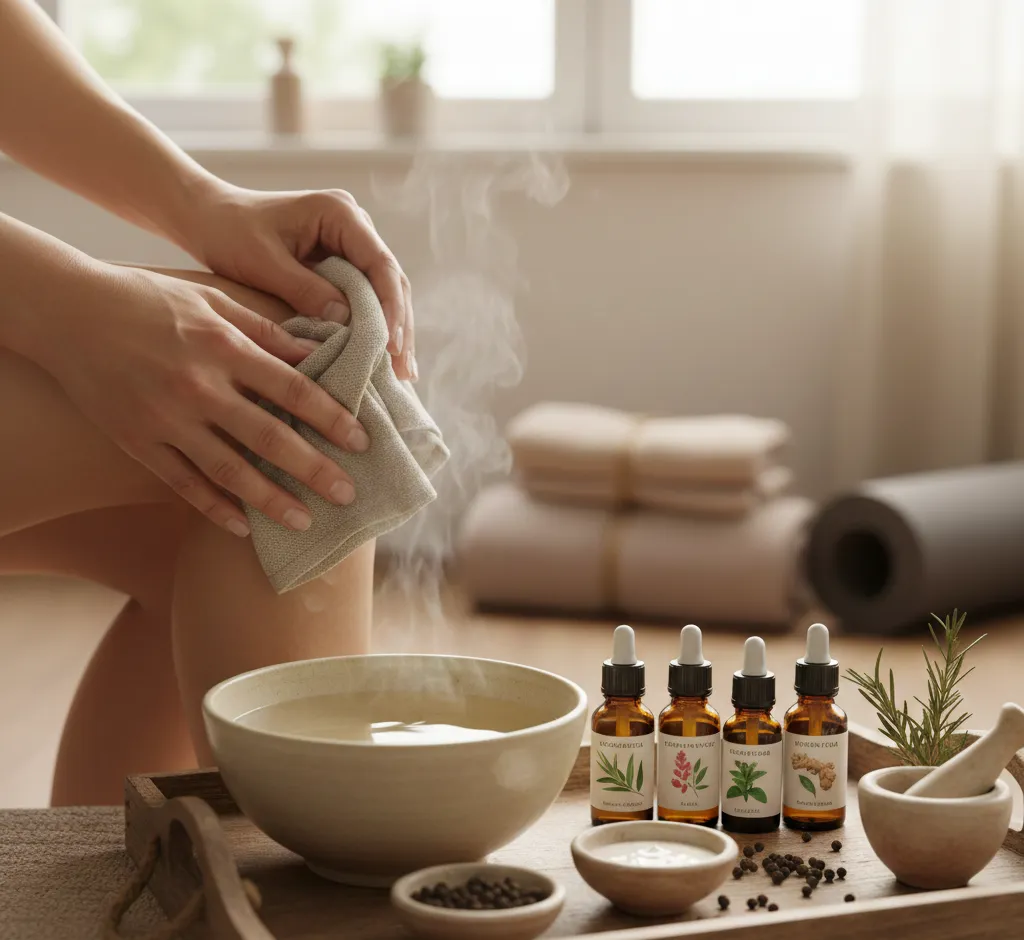
2. Warm Compresses with Essential Oils
Warm compresses can feel particularly soothing for joints that feel stiff or cold. To make a warm compress:
- Fill a bowl with comfortably warm (not hot) water.
- Add 2–4 drops of essential oil and mix well. For better dispersion, first dilute the essential oils in a teaspoon of carrier oil.
- Soak a clean cloth in the water, wring out the excess, and place it over the joint area.
- Cover with a dry towel to keep the warmth in and leave on for about 10–15 minutes.
Suitable oils for warm compresses include ginger, black pepper, frankincense, and lavender. Always check skin sensitivity and temperature to avoid irritation or burns.
3. Cooling Compresses After Activity
After intense activity or on very warm days, a cool compress may be more comfortable. Follow the same method as for a warm compress, but use cool or room-temperature water and oils such as peppermint or eucalyptus for a refreshing sensation.
4. Aromatherapy for Relaxation
Stress and muscle tension often aggravate joint discomfort. Diffusing essential oils in the room can create a calming atmosphere that supports relaxation and may indirectly help with joint comfort.
In a diffuser, try blends such as:
- Lavender + frankincense for evening relaxation.
- Rosemary + lemon for a fresh, daytime environment.
- Sweet orange + lavender for a balanced, gentle aroma.
Always follow the manufacturer’s instructions for your diffuser and ensure the room is well ventilated.
Lifestyle Habits That Complement Essential Oils
Essential oils work best as part of a wider joint-care routine. Making small, consistent lifestyle changes can significantly influence long-term joint comfort and function.
Stay Physically Active
Regular, moderate movement helps nourish the joints and maintain muscle strength around them. Activities such as walking, swimming, cycling, yoga, or Pilates are often recommended for joint-friendly fitness.
Applying an essential-oil massage blend before or after exercise can become a pleasant ritual that supports both physical and mental well-being.
Support Joints with Nutrition
A balanced diet with sufficient vitamins, minerals, healthy fats, and antioxidants helps the body maintain its structures, including joints. While specific nutritional needs depend on the individual, many joint-support strategies emphasize:
- Colorful vegetables and fruits.
- Sources of omega-3 fatty acids (such as fatty fish, flaxseed, or walnuts).
- High-quality proteins to support muscle maintenance.
- Limiting excessive sugar and highly processed foods.
Before adding supplements, it is wise to consult a healthcare professional, especially when combining them with regular medications.
Maintain a Healthy Body Weight
Every extra kilogram adds additional stress to weight-bearing joints like knees and hips. Gradual weight management through diet and movement is one of the most powerful ways to support long-term joint health.
Essential oils cannot change body weight, but they may make healthy habits more enjoyable—for example, using energizing aromas before a walk or calming blends after exercise.
Improve Posture and Ergonomics
Long hours at a desk with poor posture can strain the spine, neck, and shoulder joints. Simple changes such as adjusting chair height, using a supportive backrest, and taking short movement breaks can protect joints over time.
Many people like to keep a joint massage oil at their desk to use during short stretching breaks for the neck, shoulders, or wrists.
When to Seek Professional Help
While home care, including essential oils, can be helpful for mild, occasional discomfort, some symptoms require medical attention. Consult a healthcare professional if you notice:
- Persistent joint pain lasting more than a few weeks.
- Visible swelling, redness, or warmth around a joint.
- Significant restriction of movement or difficulty using the joint.
- Joint pain combined with fever or unexplained fatigue.
Early evaluation can help identify conditions that need specific treatment and guide you on which complementary methods, including essential oils, may be safely integrated into your care plan.
Integrating Essential Oils into a Joint-Care Routine
To get the most from essential oils for joint health, think of them as part of a daily or weekly self-care ritual rather than a quick fix. Consistency and mindfulness are key.
Step-by-Step Integration Plan
- Define your goal: Do you want post-exercise relief, support for everyday stiffness, or better relaxation in the evening?
- Choose 2–3 oils: Start with versatile options like lavender, peppermint, and frankincense.
- Create one simple blend: Make a small bottle of diluted joint massage oil and try it for at least one to two weeks.
- Track your response: Note how you feel before and after use, as well as any changes over time.
- Adjust as needed: Change oils, tweak dilutions, or add compresses or aromatherapy after observing your body’s response.
Over time, you may develop several favorite blends—one for warming up in the morning, one to refresh after movement, and another to unwind before bed.
Key Takeaways
Essential oils offer a natural, aromatic way to support joint comfort and mobility as part of a broader wellness plan. Oils such as eucalyptus, peppermint, ginger, frankincense, rosemary, lavender, and black pepper can be used in diluted form for massage, compresses, and relaxation rituals.
Safe use—including proper dilution, patch testing, and awareness of personal health conditions—is essential. Combined with movement, good nutrition, posture awareness, and professional guidance when needed, essential oils can become a valuable companion in long-term joint care.
As with any wellness practice, listen to your body, make gradual changes, and seek personalized advice from qualified professionals when you have medical questions or ongoing joint problems.