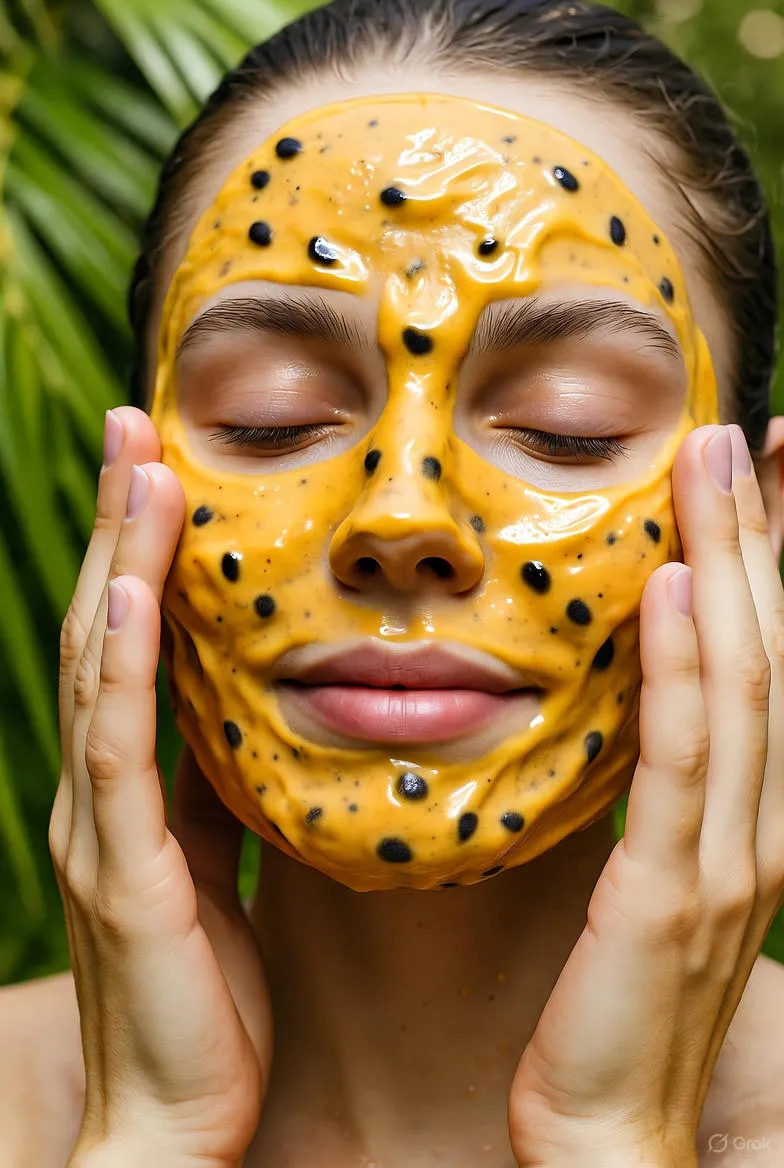
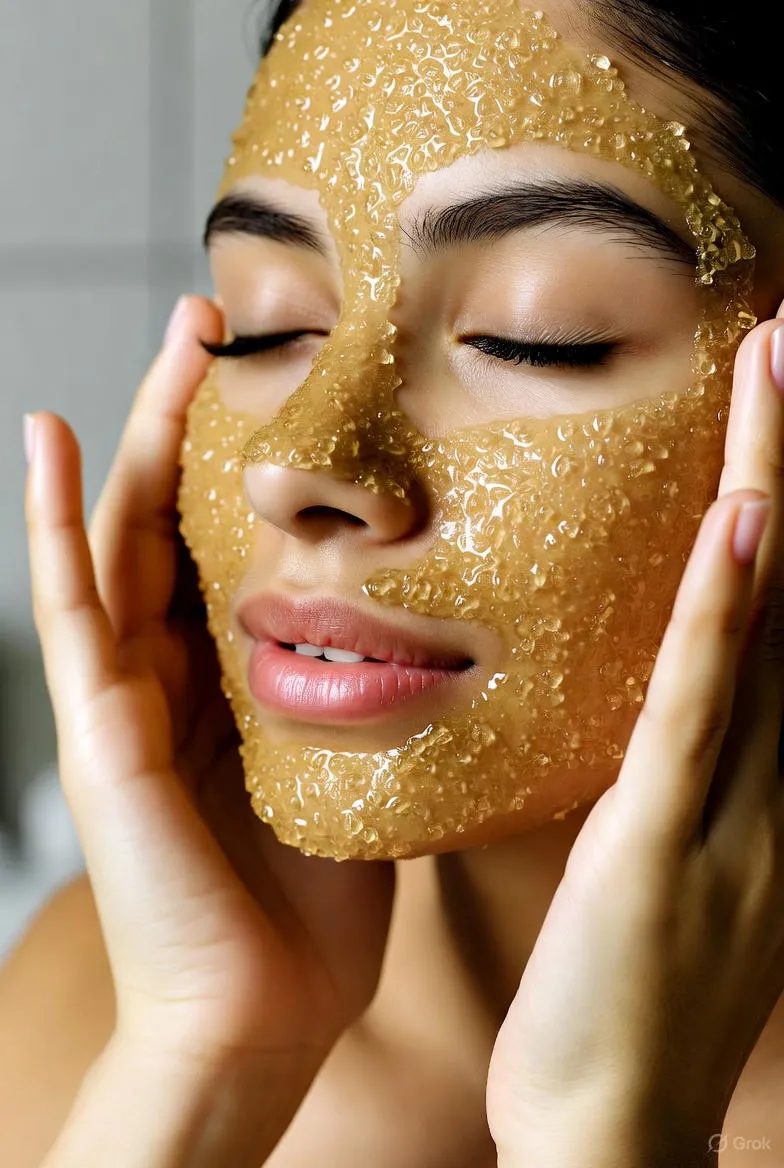
Kombucha in Cosmetics: How Fermentation Supercharges Skin Care
Discover how kombucha in cosmetics harnesses the power of fermentation to brighten, smooth, and protect your skin. Learn about kombucha ferments, key benefits, product types, and how to safely add this trending ingredient to your skin care routine.
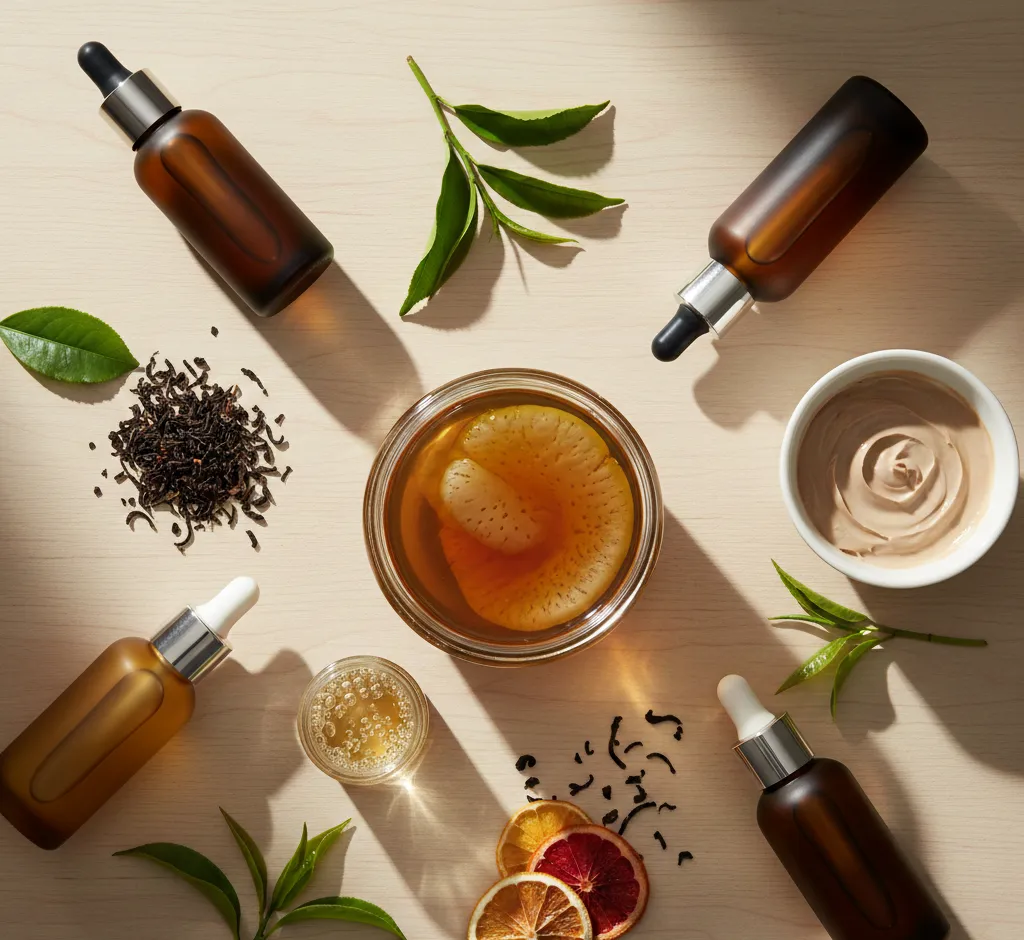
Kombucha has moved from kitchen counters and wellness cafés straight into cosmetic labs. This fermented tea, once known mainly as a gut-friendly drink, is now a rising star in skin care formulations. Thanks to its unique fermentation process, kombucha can offer powerful antioxidant, balancing, and skin-smoothing benefits that conventional ingredients often struggle to match.
In modern cosmetics, kombucha is usually used as a fermented active or in the form of kombucha extract. Formulators harness its natural acids, vitamins, and probiotic-derived compounds to support a healthier skin barrier, a more radiant complexion, and better tolerance to other active ingredients. Understanding how fermentation transforms simple tea into a high-performance cosmetic ingredient is the key to appreciating what kombucha can do for your skin.
What Is Kombucha and How Is It Made?
Kombucha is a fermented beverage made from sweetened black or green tea and a symbiotic culture of bacteria and yeast (often abbreviated as SCOBY). During fermentation, the microorganisms in the SCOBY consume sugar and produce a wide range of beneficial compounds that go far beyond what you would find in plain tea.
The fermentation process
- Base ingredients: Brewed tea (usually black or green) and sugar.
- SCOBY: A living culture that contains specific bacteria and yeasts.
- Time: Typically 7–21 days, depending on temperature and desired acidity.
As kombucha ferments, it develops:
- Organic acids such as acetic, gluconic, and lactic acids.
- B vitamins and other micronutrients.
- Polyphenols and antioxidants from tea, often in more bioavailable forms.
- Probiotic metabolites and cell fragments that can interact with the skin surface.
In cosmetics, manufacturers do not simply pour the drink into a cream. Instead, they usually standardize and purify the kombucha ferment, ensuring it is microbiologically safe, stable, and rich in specific active compounds suitable for topical use.
Why Fermentation Benefits the Skin
Fermentation is a biochemical transformation process that can significantly enhance the cosmetic value of raw ingredients. When applied to tea, as in kombucha, it can increase the availability of beneficial molecules and create new ones that support skin health.
Enhanced bioavailability of actives
During fermentation, large, complex molecules are often broken down into smaller fragments. These smaller compounds tend to be more bioavailable, meaning they are easier for the skin to recognize and utilize.
- Plant polyphenols may be converted into simpler, skin-friendly antioxidants.
- Proteins or polysaccharides can be broken into smaller peptides and sugars.
- Some compounds gain improved penetration through the skin's outer layers.
This increased bioavailability is one reason fermented ingredients like kombucha ferment can feel more effective than their non-fermented counterparts in similar formulations.
Natural acids for gentle exfoliation
Kombucha naturally contains alpha-hydroxy-like and other organic acids produced by fermentation. In well-formulated products, these acids can provide gentle chemical exfoliation, helping to remove dead skin cells from the surface.
- Smoother skin texture and refined pores with regular use.
- Brighter complexion as built-up dull cells are shed.
- Improved absorption of serums and moisturizers applied afterward.
Importantly, cosmetic chemists balance pH and acid concentration so that kombucha-based formulas are milder than many traditional peel products while still offering noticeable smoothing effects over time.
Antioxidant protection
Tea is naturally rich in polyphenols, potent antioxidant compounds. Fermentation can increase their effectiveness or transform them into new molecules with similar protective functions.
On the skin, kombucha-derived antioxidants help to:
- Neutralize free radicals generated by UV exposure and pollution.
- Support collagen and elastin by reducing oxidative stress.
- Contribute to a more even, luminous skin tone over time.
While kombucha in cosmetics is not a replacement for sunscreen, it can be a valuable supportive ingredient in anti-pollution and anti-aging routines.
Microbiome-friendly compounds
Modern skin care increasingly focuses on the skin microbiome—the community of bacteria, fungi, and other microorganisms that live on the skin surface. Healthy, balanced microbiota play a crucial role in barrier function and resilience.
Kombucha ferment can contribute to microbiome-friendly formulations in several ways:
- Fermentation metabolites may help support beneficial microorganisms on the skin.
- Some kombucha-derived ingredients are milder than harsh surfactants or preservatives, promoting less disruption of the microbiome.
- The presence of organic acids can help maintain a slightly acidic pH, favorable for healthy skin flora.
Most cosmetic kombucha extracts do not contain live probiotics in the traditional sense, but they often include postbiotics—beneficial bacterial by-products and cell wall fragments that can still positively influence skin health.
Key Skin Benefits of Kombucha in Cosmetics
By combining acids, antioxidants, and microbiome-supporting compounds, kombucha-based ingredients can offer several visible and long-term advantages for different skin types.
1. Brighter, more even skin tone
Thanks to its gentle exfoliating acids and antioxidant profile, kombucha ferment can help diminish dullness and promote radiance. Regular use of products containing kombucha may:
- Reduce the appearance of gray or sallow tones.
- Support a more even-looking complexion.
- Help fade the look of superficial discolorations over time when used alongside SPF.
For those who find classic AHAs like glycolic acid too harsh, kombucha-based toners, essences, or serums can offer a milder alternative.
2. Smoother texture and refined pores
Dead cell buildup can make skin feel rough and emphasize the appearance of enlarged pores. By promoting regular, gentle cell turnover, kombucha-containing formulas can visibly improve surface texture.
- Skin feels softer and more supple.
- Pores can appear less prominent as debris is reduced.
- Makeup may apply more evenly and smoothly.
Look for kombucha in leave-on products such as toners, essences, and light exfoliating lotions to maximize this benefit.
3. Strengthened skin barrier
The skin barrier is the outermost layer that helps retain moisture and defend against external stressors. Disruption of this barrier often leads to dryness, sensitivity, and visible redness. Kombucha ferments can indirectly support barrier health by:
- Helping maintain an optimal acidic pH level on the skin surface.
- Providing antioxidant protection that reduces environmental stress.
- Working synergistically with barrier-repair ingredients such as ceramides and fatty acids.
Barrier-friendly kombucha products are especially useful for urban lifestyles, where skin encounters pollution, temperature fluctuations, and indoor heating or air conditioning on a daily basis.
4. Anti-pollution and anti-aging support
Urban pollution can accelerate visible signs of aging, including fine lines, uneven tone, and loss of elasticity. Kombucha's unique cocktail of organic acids and polyphenols makes it a valuable ally in anti-pollution routines.
- Helps fight oxidative damage from particulate matter and ozone.
- Supports a smoother and more resilient skin surface.
- Complements retinoids, vitamin C, and peptides in comprehensive anti-aging regimes.
Many modern formulations market kombucha as a "fermented tea essence" or "ferment complex" in urban defense or anti-pollution product lines.
Common Kombucha-Based Cosmetic Products
As kombucha has gained popularity in skin care, a growing variety of product formats now feature this ingredient. Each type offers different benefits and may suit specific skin types or concerns.
Toners and essences
Kombucha is particularly well-suited to toners and essences, where its lightweight texture and gentle acids can shine.
- Provide a mild exfoliating and brightening step after cleansing.
- Prep the skin for better absorption of serums and moisturizers.
- Often combined with hydrating ingredients like glycerin and hyaluronic acid.
These products are ideal for daily use in both morning and evening routines, depending on skin sensitivity.
Serums and ampoules
In serums and ampoules, kombucha ferment is typically concentrated and paired with other actives to target specific concerns such as brightness, texture, or pollution-related damage.
- Higher active ingredient load for more visible results.
- Often combined with niacinamide, peptides, or vitamin C derivatives.
- Suitable for layered routines where users customize treatment steps.
When used consistently, kombucha serums can become a core step in maintaining a luminous and resilient complexion.
Creams and lotions
Kombucha is also incorporated into moisturizers, where it can work in tandem with occlusive and emollient ingredients to lock in hydration while supporting the barrier.
- Provide softening and smoothing benefits along with hydration.
- Suitable for normal, combination, and even some sensitive skin types.
- Can be used day and night, depending on the formulation richness.
These products often position kombucha as part of a holistic, wellness-inspired skin care approach.
Cleansers and masks
Some cleansers and face masks use kombucha ferment to add a gentle exfoliating and clarifying dimension to the cleansing or treatment step.
- Foaming or gel cleansers with kombucha can help remove impurities while respecting the skin barrier.
- Wash-off masks may use kombucha alongside clays or enzymes for a smoother, more refined finish.
Although contact time is shorter in these formats, they can still offer sensory and mild resurfacing benefits, especially when integrated into a regular routine.
How to Choose the Right Kombucha Skin Care
Not every kombucha product is created equal. To find an effective and safe formula for your skin, it helps to pay attention to composition, concentration, and overall formulation design.
Check the ingredient list
Kombucha in cosmetics often appears under INCI (International Nomenclature of Cosmetic Ingredients) names such as:
- Saccharomyces/Xylinum/Black Tea Ferment
- Camellia Sinensis Leaf Ferment Extract
- Black Tea Ferment
The closer the ferment is to the top of the ingredient list, the higher its relative concentration. That said, even lower concentrations can be effective when well-formulated and supported by other synergistic ingredients.
Consider your skin type and concerns
- Dry or sensitive skin: Look for kombucha in hydrating toners and creams with soothing ingredients like panthenol, ceramides, and centella asiatica.
- Oily or combination skin: Lightweight essences and gel serums with kombucha can gently refine texture without heavy oils.
- Dull or uneven tone: Choose products that combine kombucha with brightening agents such as niacinamide, licorice extract, or stabilized vitamin C.
- Urban or pollution-exposed skin: Opt for anti-pollution lines featuring kombucha alongside antioxidants like vitamin E and resveratrol.
Look for balanced formulations
Effective kombucha products balance acids, antioxidants, humectants, and emollients. A well-rounded formula might include:
- Humectants (glycerin, hyaluronic acid) to attract moisture.
- Barrier-supporting lipids (ceramides, squalane) to lock in hydration.
- Soothing agents (allantoin, panthenol) to calm potential irritation from acids.
This synergy can make kombucha ferments more comfortable for regular use, even in slightly more sensitive skin types.
How to Use Kombucha Products in Your Routine
Integrating kombucha into your routine does not require a complete overhaul of your existing products. With a few simple guidelines, you can layer kombucha-based cosmetics effectively and safely.
Step-by-step routine example
- Cleanser: Start with a gentle cleanser to remove impurities without stripping the barrier.
- Kombucha toner or essence: Apply to slightly damp skin with hands or a cotton pad, pressing in gently.
- Treatment serum: Layer targeted serums (for example, vitamin C in the morning or retinoids at night) after the essence.
- Kombucha moisturizer: Lock in hydration with a cream or lotion, ideally one that also contains kombucha or other barrier-supporting ingredients.
- SPF (morning only): Finish with broad-spectrum sunscreen of at least SPF 30 to protect the skin and enhance the benefits of kombucha and other actives.
This structure can be adapted to individual needs by adding or removing steps, but placing kombucha in the "liquid layers" early in the routine maximizes its ability to prep and condition the skin.
Frequency of use
- Daily use: Most kombucha toners, essences, and creams are designed for once- or twice-daily use.
- Exfoliating products: If kombucha is combined with stronger acids, consider starting with 2–3 times per week and increasing as tolerated.
- Combination with other actives: Pay attention to skin response when layering kombucha with retinoids, AHAs, or BHAs, especially on sensitive skin.
Listening to your skin is crucial. Mild tingling when first using a kombucha product can be normal, but persistent burning or redness is a sign to reduce frequency or switch to a gentler formula.
Safety, Sensitivity, and Myths
Kombucha ferments used in cosmetics are carefully controlled and tested, making them different from homemade kombucha in both composition and safety. Understanding the differences helps to avoid common misconceptions.
Is kombucha safe for all skin types?
Most people tolerate kombucha-based cosmetics well, especially when they are part of a professionally formulated product. However, as with any active ingredient, some precautions are wise:
- Patch test: Try a small amount on the inside of the forearm or behind the ear before applying to the face.
- Sensitive or reactive skin: Choose formulas marketed as gentle or for sensitive skin, and avoid combining too many exfoliating products at once.
- Compromised barrier: If the skin is acutely irritated, over-exfoliated, or damaged, focus on pure barrier repair before reintroducing kombucha or other actives.
Most cosmetic kombucha extracts are free of live, replicating microorganisms, which minimizes the risk of microbiological imbalance when used topically.
Can you apply homemade kombucha to your face?
Using homemade kombucha directly on the skin is not recommended. Unlike cosmetic-grade ferments, DIY kombucha:
- May contain unpredictable levels of acids, which can be too strong and cause burns.
- Is not microbiologically standardized or preserved, increasing the risk of contamination.
- Lacks compatibility testing with other cosmetic ingredients and skin types.
For safety and consistency, it is far better to rely on professional formulas that use purified, tested kombucha ferment designed specifically for skin use.
Allergic reactions and irritations
True allergy to kombucha ferment is rare but possible, as with any botanical or fermented ingredient. Signs may include persistent redness, itching, or small bumps. If symptoms occur:
- Discontinue use immediately.
- Simplify the routine to basic, fragrance-free barrier repair products.
- Consult a dermatologist if symptoms do not resolve quickly.
To minimize risk, choose products without unnecessary fragrances or potential irritants when first exploring kombucha-based cosmetics.
Kombucha and Sustainability in Skin Care
The rise of kombucha in cosmetics aligns with broader trends toward upcycling and sustainable formulation. Many manufacturers use tea leaves and fermentation by-products that might otherwise be discarded, transforming them into high-value actives for skin care.
From a sustainability perspective, kombucha ferments can:
- Reduce waste by giving a second life to agricultural or food-processing materials.
- Support low-energy fermentation processes compared with some synthetic production routes.
- Appeal to consumers seeking more natural and holistic approaches to skin health.
However, not every product marketed as "kombucha" is automatically eco-friendly. Looking for transparency about sourcing, manufacturing, and packaging is still essential for those prioritizing sustainability.
Future Outlook: Fermented Actives in Beauty
Kombucha is part of a broader movement in cosmetics that embraces fermented ingredients, including fermented rice, soy, and various plant extracts. These ferments often offer improved efficacy, stability, and skin compatibility compared with their non-fermented counterparts.
As research advances, expect to see:
- More sophisticated kombucha-derived complexes targeting specific concerns like pigmentation, elasticity, or sensitivity.
- Hybrid products that combine kombucha with advanced biotechnological actives.
- Greater emphasis on the relationship between the gut, diet, and skin health, where kombucha appears both in beverages and topical products as part of a holistic routine.
For now, kombucha already occupies a strong position as a versatile, fermentation-powered ingredient that can brighten, smooth, and support the skin with regular, thoughtful use.
Conclusion: Harnessing Fermentation for Healthier Skin
Kombucha in cosmetics showcases the power of fermentation to elevate simple ingredients into advanced skin care actives. By delivering a unique blend of organic acids, antioxidants, and microbiome-supporting compounds, kombucha ferments can help refine texture, boost radiance, and strengthen the skin barrier—all while aligning with modern preferences for more natural, science-backed formulations.
When choosing kombucha-based products, focus on well-balanced formulas that consider your skin type, existing routine, and lifestyle. With proper selection and consistent use, kombucha-infused toners, serums, and creams can become a valuable part of a comprehensive skin care strategy that respects both the skin and the planet.