Mouth Breathing and Your Teeth: Hidden Effects You Shouldn’t Ignore
Discover how chronic mouth breathing affects teeth, gums, bite alignment, and facial development. Learn the causes, warning signs, treatments, and prevention tips to protect your smile.
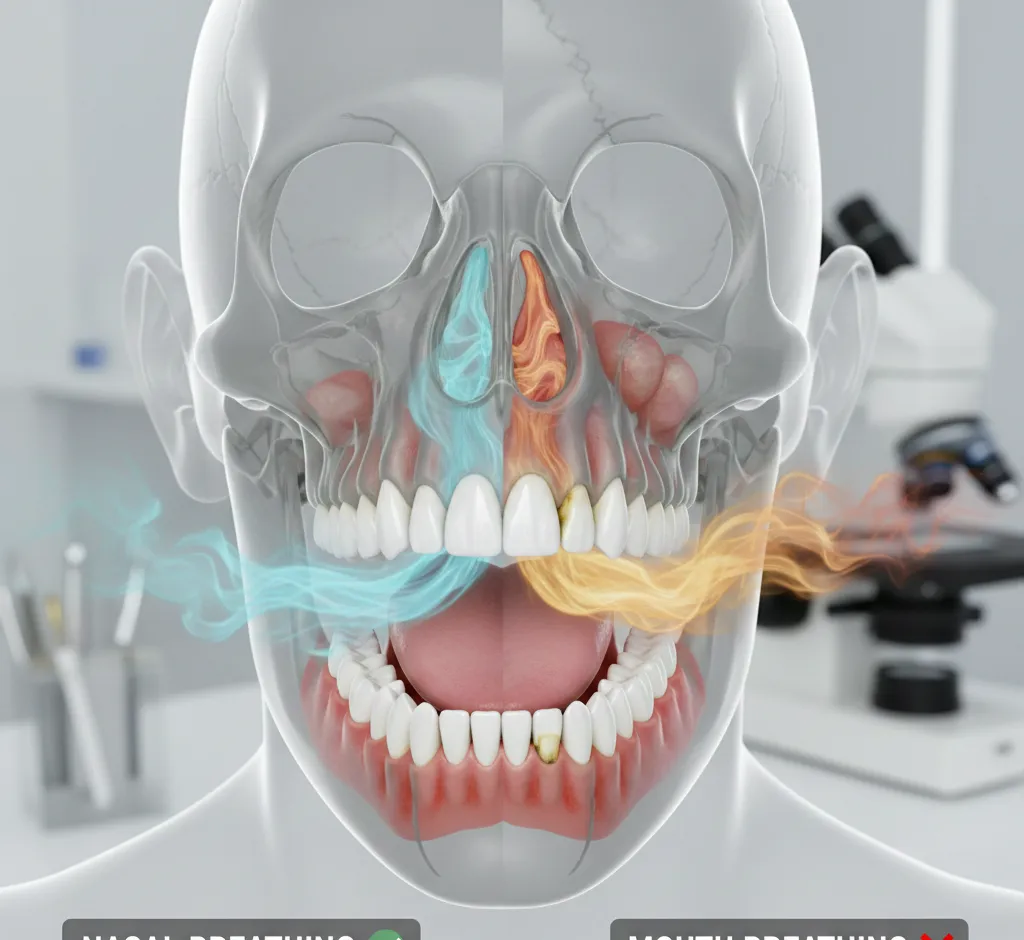
Mouth breathing is more common than many people think. Whether it is due to allergies, chronic nasal congestion, or simple habit, breathing through the mouth instead of the nose can have serious consequences for oral health. Over time, mouth breathing can negatively affect teeth, gums, jaw development, and even overall facial appearance.
Understanding how and why mouth breathing harms your teeth is the first step toward preventing long-term damage. In this article, we will explain what mouth breathing is, why it happens, how it affects teeth and bite alignment, and what you can do to protect your smile.
What Is Mouth Breathing?
Mouth breathing simply means that a person inhales and exhales primarily through the mouth instead of the nose. While it is normal to breathe through the mouth occasionally, such as during intense exercise or when you are temporarily congested, chronic mouth breathing is a different story.
When mouth breathing becomes a long-term habit, especially in children, it can disrupt normal development of the jaws and teeth. In adults, it can worsen existing dental issues, cause dry mouth, and increase the risk of tooth decay and gum disease.
Common Causes of Mouth Breathing
Mouth breathing is usually a sign that something is preventing normal nasal breathing. Some of the most frequent causes include:
- Chronic nasal congestion: Allergies, sinus infections, or chronic rhinitis can block airflow through the nose.
- Enlarged adenoids or tonsils: Common in children, this can obstruct the upper airway and force mouth breathing.
- Deviated nasal septum: A structural issue inside the nose that limits airflow.
- Asthma and respiratory conditions: Difficulty breathing may encourage compensatory mouth breathing.
- Habitual behavior: Some people continue to breathe through the mouth even after the original cause of congestion has improved.
No matter the cause, the constant flow of air through the mouth changes the environment inside the oral cavity. That is where the problems for your teeth begin.
How Mouth Breathing Affects Oral Health
The mouth is designed to work in a moist, protected environment. Nasal breathing helps maintain this balance by filtering, warming, and humidifying the air before it reaches the throat and lungs. Mouth breathing bypasses these natural processes and leads to a drier, less protected oral environment.
1. Dry Mouth and Reduced Saliva Protection
One of the most immediate effects of mouth breathing is dry mouth, also known as xerostomia. Saliva plays a crucial role in protecting your teeth and gums. It helps to:
- Wash away food particles and debris from the teeth.
- Neutralize acids produced by bacteria in dental plaque.
- Deliver minerals such as calcium and phosphate that help strengthen enamel.
When you breathe through your mouth, the constant airflow evaporates saliva more quickly. This means your teeth spend more time exposed to acid attacks and bacterial growth. Over time, this greatly increases the risk of:
- Tooth decay (cavities), especially near the gumline and between teeth.
- Enamel erosion due to prolonged acid exposure.
- Sensitivity to hot, cold, or sweet foods.
2. Higher Risk of Gum Disease
Gums are sensitive tissues that rely on a balanced oral environment. Mouth breathing can irritate and dry out the gums, especially in the front teeth area. This can lead to:
- Red, swollen gums that may bleed easily when brushing or flossing.
- Gingivitis, the earliest stage of gum disease.
- Periodontitis, a more severe form of gum disease that can damage the bone supporting the teeth.
People who breathe through their mouth often notice that their gums look inflamed and may even recede over time. Gum recession exposes the roots of the teeth, making them more sensitive and more vulnerable to decay.
3. Bad Breath (Halitosis)
Because mouth breathing dries out the mouth and encourages bacterial growth, it is strongly associated with bad breath. Bacteria that thrive in a dry environment can produce unpleasant-smelling sulfur compounds. Without enough saliva to rinse these away, bad breath can become persistent and difficult to manage with simple brushing or mouthwash alone.
4. Changes in Bite and Tooth Alignment
Mouth breathing does not just affect the surfaces of your teeth; it can also influence how your teeth and jaws grow, especially in children. When someone breathes through the mouth, the tongue often sits lower in the mouth instead of resting against the palate (roof of the mouth). This altered tongue posture can have serious consequences for facial and dental development.
Some bite and alignment issues commonly linked to chronic mouth breathing include:
- Long, narrow face and dental arches: The upper jaw may become narrower because the tongue is not supporting the palate from above.
- Crowded teeth: A narrow jaw provides less room for teeth to erupt properly, leading to overlapping or misaligned teeth.
- Open bite: The front teeth may not touch when the mouth is closed, making biting into foods more difficult.
- Overjet or overbite: The upper front teeth may protrude forward, sometimes called "buck teeth."
These changes can affect not only appearance but also how efficiently a person chews, speaks, and swallows. In many cases, orthodontic treatment (such as braces or clear aligners) is needed to correct the misalignment caused or worsened by mouth breathing.
5. Effects on Jaw Joints and Muscles
Chronic mouth breathing may also contribute to temporomandibular joint (TMJ) problems. When the jaws and teeth are misaligned, the jaw joints and surrounding muscles must work harder to achieve a functional bite. This can lead to:
- Jaw pain or clicking when opening and closing the mouth.
- Headaches, especially around the temples.
- Muscle fatigue or tightness in the face and neck.
Over time, these issues can affect quality of life and make everyday activities like eating, speaking, and even resting the jaw uncomfortable.
Mouth Breathing in Children vs. Adults
Mouth breathing can harm oral health at any age, but its impact is especially significant in children because their bones and teeth are still developing. Identifying and treating mouth breathing early can prevent many long-term problems.
Mouth Breathing in Children
In children, chronic mouth breathing is often linked to enlarged adenoids, allergies, or structural issues in the nose or throat. Some telltale signs in kids include:
- Sleeping with the mouth open or snoring loudly.
- Dry, cracked lips and frequent thirst at night.
- Daytime fatigue or difficulty concentrating.
- Long, narrow face and a slightly open mouth posture.
Because the facial bones are still growing, mouth breathing can shape how the upper and lower jaws develop. This is why dentists and orthodontists often stress early intervention. Correcting the breathing pattern can reduce the severity of future orthodontic problems and improve overall health, including sleep quality and behavior.
Mouth Breathing in Adults
In adults, mouth breathing often develops as a long-standing habit or as a result of chronic nasal issues that were never fully treated. Even though the facial bones are no longer growing, adults can still suffer from:
- Increased cavities and gum disease due to dry mouth.
- Worsening of existing misalignment or bite problems.
- Persistent bad breath and oral discomfort.
Adults may require a combination of medical, dental, and behavioral interventions to transition from mouth breathing back to nasal breathing, but the benefits for oral and overall health are substantial.
Long-Term Consequences for Teeth and Smile
If mouth breathing is left untreated, the cumulative damage to teeth and gums can be significant. Some of the long-term consequences include:
- Multiple fillings and restorations: Due to recurrent cavities and enamel erosion.
- Need for extensive orthodontic treatment: To correct severe crowding, open bite, or protruding teeth.
- Tooth wear and fractures: From an unstable bite and uneven chewing forces.
- Earlier tooth loss: As a result of advanced gum disease or bone loss.
Beyond the functional issues, mouth breathing can also affect the aesthetics of your smile and facial profile. A narrow upper jaw, crowded teeth, and protruding front teeth can make people feel self-conscious about their appearance, sometimes impacting self-esteem and social confidence.
How to Tell If You Are a Mouth Breather
Many people do not realize they breathe through their mouth, especially during sleep. If you are unsure, consider these common signs:
- Waking up with a dry mouth or sore throat.
- Cracked lips, especially in the morning.
- Snoring or sleeping with your mouth open.
- Frequent cavities despite good brushing habits.
- Chronic bad breath that does not improve with oral hygiene.
If you notice several of these symptoms, it is a good idea to discuss them with your dentist or doctor. They can help determine whether mouth breathing is a concern and what might be causing it.
Diagnosing the Cause of Mouth Breathing
Because mouth breathing often has multiple contributing factors, a proper diagnosis may involve several healthcare professionals. Common steps include:
- Dental examination: Your dentist evaluates the condition of your teeth, gums, and bite, looking for signs associated with dry mouth or mouth breathing.
- ENT (ear, nose, and throat) assessment: An ENT specialist can check for nasal obstructions, enlarged tonsils, adenoids, or structural issues like a deviated septum.
- Allergy testing: If seasonal or environmental allergies are suspected, allergy testing can help identify the triggers.
- Sleep evaluation: For patients who snore or suspect sleep apnea, a sleep study may be recommended.
Identifying the root cause is essential. Treating the teeth alone is not enough if the underlying breathing pattern remains unchanged.
Treatment Options and Preventive Strategies
The good news is that many effects of mouth breathing can be reduced or even reversed if addressed early. Treatment typically involves a combination of medical management, dental care, and behavioral changes.
1. Restoring Nasal Breathing
The primary goal is to re-establish nasal breathing whenever possible. Depending on the cause, this may include:
- Treating allergies: With antihistamines, nasal sprays, or allergen avoidance strategies.
- Managing chronic sinus problems: Through medication or, in some cases, surgery.
- Correcting structural issues: Surgery may be required for a deviated septum or enlarged adenoids and tonsils.
By clearing the nasal airway, patients are more likely to comfortably breathe through the nose both during the day and at night.
2. Dental and Orthodontic Treatment
Once the airway is addressed, dental professionals can focus on repairing damage and guiding proper jaw and tooth alignment. Possible treatments include:
- Fluoride treatments or remineralizing products: To strengthen enamel and reduce cavity risk in patients with a history of dry mouth.
- Fillings, crowns, or other restorations: To repair teeth damaged by decay or wear.
- Orthodontic treatment: Braces, clear aligners, or other appliances to widen narrow dental arches, correct crowding, and align the bite.
In growing children, early orthodontic intervention can help guide the jaws into a more favorable position and create enough space for permanent teeth to erupt properly.
3. Myofunctional Therapy and Habit Re-Training
Myofunctional therapy involves exercises that train the tongue, lips, and facial muscles to function properly. This type of therapy can help:
- Encourage correct tongue posture against the palate.
- Promote nasal breathing as the default pattern.
- Improve swallowing and speaking habits.
Myofunctional therapists often work alongside dentists, orthodontists, and ENT specialists to support long-term change in breathing and muscle habits.
4. Improving Daily Oral Hygiene
Because mouth breathing increases the risk of cavities and gum disease, consistent oral hygiene is critical. Basic steps include:
- Brushing teeth at least twice daily with fluoride toothpaste.
- Flossing once a day to remove plaque between teeth.
- Using an alcohol-free mouthwash if recommended by a dentist.
- Staying well hydrated to combat dryness.
In some cases, dentists may also suggest saliva substitutes, gels, or special mouth rinses to help keep the mouth moist, especially overnight.
Simple Steps You Can Take Today
If you suspect you or your child is a mouth breather, there are several practical steps you can start right away to protect your teeth and improve breathing patterns:
- Pay attention to your posture: Notice whether your lips are gently closed and your tongue rests lightly on the roof of your mouth when relaxed.
- Practice nasal breathing during the day: Consciously close your mouth and take slow, steady breaths through your nose whenever possible.
- Humidify your bedroom: Using a humidifier at night can reduce dryness in the mouth and throat.
- Avoid mouth-drying habits: Limit caffeine, alcohol, and tobacco, which can worsen dry mouth.
- Schedule regular dental checkups: Professional cleanings and early detection of problems are especially important for mouth breathers.
These actions do not replace medical or dental treatment, but they can support healthier breathing and a more balanced oral environment.
When to See a Professional
You should consider consulting a healthcare professional if you notice any of the following:
- Frequent dry mouth, even when you drink enough water.
- Recurrent cavities or gum problems despite good oral hygiene.
- Snoring, restless sleep, or waking up unrefreshed.
- Children with open-mouth posture, narrow jaws, or crowded teeth at a young age.
A dentist, orthodontist, or ENT specialist can help pinpoint whether mouth breathing is playing a role in these issues and recommend a personalized treatment plan.
Protecting Your Teeth from Mouth Breathing Damage
Mouth breathing does far more than simply dry out your lips. It alters the entire environment of the mouth, making teeth and gums more vulnerable to disease and changing how the jaws and teeth develop over time. The sooner the problem is recognized and treated, the easier it is to prevent permanent damage.
By addressing nasal blockages, improving oral habits, and working closely with dental and medical professionals, you can restore a healthier breathing pattern and protect your teeth for years to come. If you have noticed signs of mouth breathing in yourself or your child, now is the ideal time to take action and support a healthier smile.