Mouth Tape for Better Night Breathing: Benefits, Risks, and How to Use It Safely
Learn how mouth tape can promote nasal breathing, potentially reduce snoring, and support better sleep—plus key risks, safety tips, and when to avoid it.
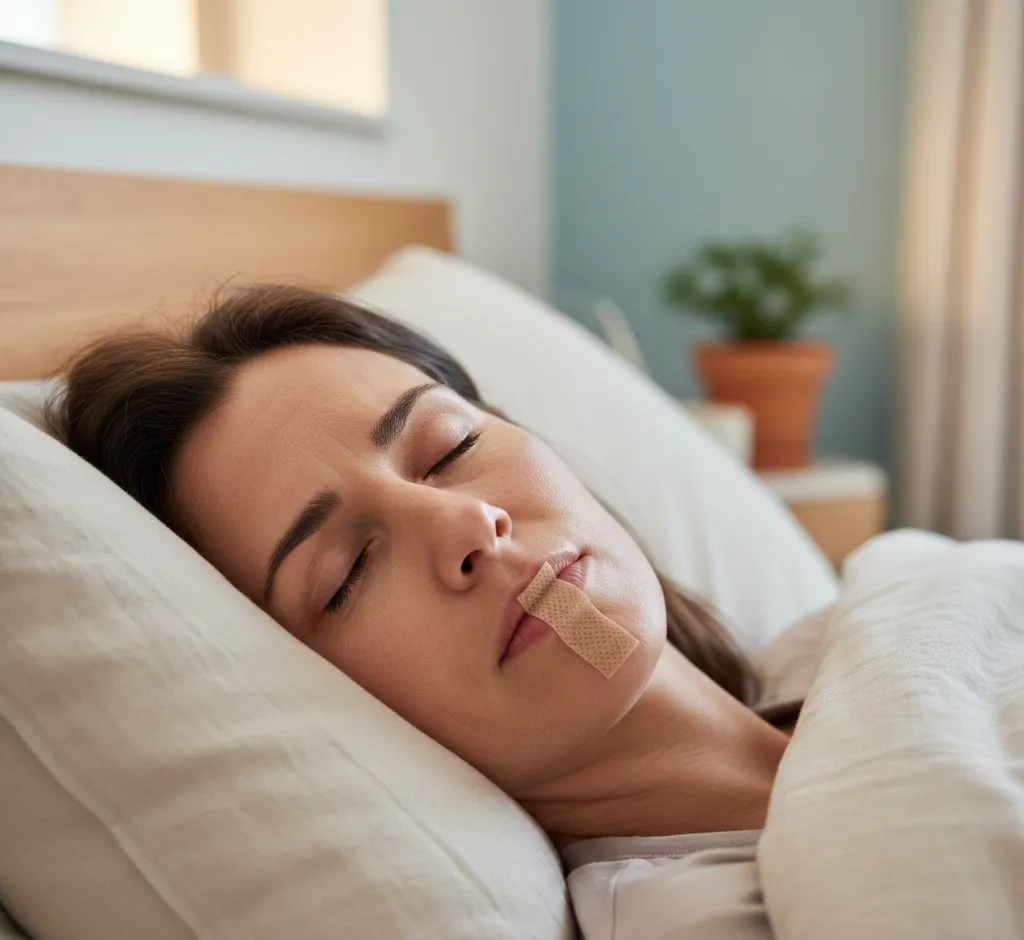
Mouth tape for sleep has become a popular trend among people who want to reduce snoring, prevent dry mouth, and wake up more refreshed. Many users place a small strip of skin-friendly tape over their lips to gently encourage nasal breathing at night, hoping for deeper, more restorative sleep. At the same time, medical experts emphasize that this technique is not suitable for everyone and may carry real risks, especially for people with underlying breathing or sleep disorders. [web:1][web:2][web:9]
What Is Mouth Tape and How Does It Work?
Mouth taping is the practice of placing porous, skin-safe tape across closed lips before bedtime so the mouth remains gently sealed during sleep. The goal is to shift breathing from the mouth to the nose, which may support healthier airflow and reduce some problems associated with chronic mouth breathing, such as snoring or morning dryness. [web:3][web:9]
Most products marketed as mouth tape are designed specifically for the delicate skin around the lips and are made to be easily removable, unlike household tapes. Some brands use strips that go directly over the lips, while others place an adhesive frame around the mouth to encourage lip closure without completely covering them. [web:3][web:7]
Why Nasal Breathing Matters at Night
Nasal breathing naturally filters, warms, and humidifies the air before it reaches the lungs, helping to remove dust, allergens, and some pollutants. This process can make breathing more comfortable and may support healthier airways during sleep. [web:9]
When air passes through the nose, it can also help activate the lower parts of the lungs and improve oxygen exchange, which may contribute to more stable breathing and better sleep quality. In contrast, habitual mouth breathing is associated with higher rates of snoring, dry mouth, and sometimes worsened sleep-disordered breathing. [web:5][web:9][web:11]
Potential Benefits of Mouth Tape
Although the scientific evidence is still limited, some small studies and user reports suggest several potential benefits for selected individuals who use mouth tape correctly. These possible advantages relate mainly to snoring reduction, fewer mouth-breathing symptoms, and better comfort for some CPAP users. [web:1][web:3][web:10][web:11]
Less Snoring and Milder Sleep Apnea Symptoms
One small clinical study in adults with mild obstructive sleep apnea found that mouth taping during sleep reduced the severity of apnea and snoring indices by about half, indicating a meaningful improvement for this specific group of mouth breathers. [web:10] Another small home-based study reported that a majority of participants experienced less snoring and fewer sleep apnea symptoms when using a specialized mouth tape over one week. [web:11]
These results suggest that, in selected mild cases where snoring and apnea are driven largely by open-mouth breathing, gently closing the mouth may stabilize airflow and reduce noisy vibrations in the upper airway. However, such findings do not apply to all types of snoring or to moderate and severe sleep apnea, where mouth tape can be ineffective or even risky without medical supervision. [web:4][web:9][web:16]
Reduced Dry Mouth and Better Oral Comfort
People who breathe through the mouth at night often wake with a parched throat, sticky saliva, and bad morning breath because continuous airflow dries out oral tissues. By keeping the lips lightly sealed, mouth tape may limit this overnight airflow across the gums, tongue, and palate, helping to preserve moisture. [web:5][web:15]
Some dental and wellness sources note that less dry mouth at night may support better oral health over time, because saliva helps protect teeth from cavities and gum disease. While more research is needed, users frequently report waking with a more comfortable mouth and fewer complaints of morning halitosis when mouth breathing is reduced. [web:5][web:9][web:15]
Support for CPAP Users
For people with sleep apnea who use CPAP, opening the mouth during sleep can allow pressurized air to escape, leading to mask leaks, noise, and reduced treatment effectiveness. Mouth tape may help these individuals keep their lips closed so that more of the therapeutic air pressure reaches the airway where it is needed. [web:4]
This approach is sometimes considered for patients who use nasal masks or nasal pillows rather than full-face masks, as long as a healthcare professional confirms that it is safe and appropriate. Reducing leaks can make CPAP therapy more comfortable, decrease dryness, and improve adherence, but it should never be used as a substitute for professional guidance or a properly fitted mask. [web:4][web:11]
Important Risks and Safety Concerns
Despite its popularity, mouth taping is not risk-free. Medical organizations have raised concerns that social media trends can encourage people with undiagnosed or poorly controlled sleep-disordered breathing to tape their mouths without understanding the possible dangers. [web:1][web:2][web:12][web:16]
The main worry is that forcing the mouth closed may interfere with the body’s natural protective reflexes in people who genuinely need to mouth-breathe because of nasal obstruction, allergies, or more serious airway problems. In such cases, taping the mouth could worsen oxygen levels, increase sleep disruptions, or aggravate sleep apnea. [web:1][web:2][web:9][web:16]
Who Should Avoid Mouth Tape
- People with diagnosed moderate or severe obstructive sleep apnea, unless explicitly cleared by a sleep specialist, because blocking a needed route for airflow can be dangerous. [web:9][web:16]
- Individuals with frequent nasal congestion, deviated septum, chronic sinus issues, or nasal polyps who cannot reliably breathe through their nose all night. [web:1][web:2][web:9]
- Anyone with respiratory, cardiovascular, or neuromuscular conditions that affect breathing or oxygenation, where any restriction of airflow must be evaluated by a physician. [web:2][web:9][web:16]
- Children, unless a pediatric professional specifically recommends and supervises it, because their airways and breathing patterns require special consideration. [web:7][web:12][web:16]
- People with anxiety, claustrophobia, or a history of panic attacks during sleep, since sealing the mouth can feel distressing and trigger panic. [web:1][web:2]
Possible Side Effects and Complications
Even in otherwise healthy adults, mouth taping can cause irritation of the lips or surrounding skin, especially if non-medical tapes or strong adhesives are used. Users sometimes report redness, itching, or small cuts on removal. [web:1][web:2]
There is also a potential for disrupted sleep if the tape feels uncomfortable, if the person repeatedly tries to open the mouth, or if nasal congestion worsens during the night. In rare but serious situations, taping could delay a person’s ability to respond quickly to choking, vomiting, or sudden nasal blockage, which is why practitioners stress that safety and medical screening are essential. [web:1][web:2][web:9][web:16]
What the Research Currently Shows
The evidence base for mouth taping is still small and consists mostly of limited clinical trials, observational reports, and case discussions. A study in mild sleep apnea patients showed improvements in apnea severity and snoring indices with nighttime mouth taping, but these findings cannot be generalized to more severe disease or to people with normal breathing. [web:10]
Recent systematic and narrative reviews highlight both the potential benefits and the possible harms, noting that social media has driven widespread use without enough high-quality data on safety and long-term outcomes. Experts consistently recommend more rigorous research and emphasize that mouth taping should not replace established evaluations or treatments for snoring and sleep-disordered breathing. [web:12][web:16]
How to Use Mouth Tape More Safely
For adults who have discussed the idea with a healthcare provider and received the go-ahead, thoughtful preparation and careful product choice can make mouth taping safer and more comfortable. The priority should always be maintaining unobstructed breathing and recognizing any signs that the technique is not suitable. [web:1][web:2][web:3][web:9]
Before starting, it is wise to address obvious nasal issues—such as unmanaged allergies, acute infections, or structural problems—as these can limit the ability to breathe comfortably through the nose. Working with a sleep physician, ENT specialist, or dentist familiar with sleep-disordered breathing can help identify whether underlying conditions need treatment first. [web:9][web:12][web:16]
Step-by-Step Guide for Beginners
- Consult a professional first. If there is any history of snoring, gasping, pauses in breathing, daytime sleepiness, or cardiovascular problems, obtain a formal evaluation before taping the mouth. [web:2][web:9]
- Choose the right product. Use mouth tapes designed for sleep that are hypoallergenic, porous, and made for facial skin, rather than generic tapes that may be harsh or non-breathable. [web:3][web:5][web:11]
- Test during the day. Apply a small piece for a short time while awake to ensure that nasal breathing feels easy and that the skin does not react to the adhesive. [web:1][web:2]
- Start with partial taping. Some beginners place tape vertically in the center of the lips or use designs that go around the mouth so that air can still escape if needed, rather than fully sealing the lips on the first night. [web:3][web:7]
- Sleep on your side if possible. Side sleeping often supports better airway stability compared with lying flat on the back, especially in people prone to snoring. [web:4][web:20]
- Monitor how you feel. If there is any sense of suffocation, severe dryness, morning headaches, chest discomfort, or unusual fatigue, stop using mouth tape and seek medical advice promptly. [web:1][web:2][web:9]
Choosing Between Different Mouth Tape Designs
The market now includes several styles of mouth tape, from simple horizontal strips to more complex shapes that frame the mouth. Products that go around the lips, rather than directly covering them, aim to encourage nasal breathing by activating the surrounding muscles while still allowing the lips to part in an emergency. [web:5][web:7]
Some brands design tapes specifically for people with facial hair or for use alongside nasal CPAP interfaces, using stronger yet skin-safe adhesives to stay in place all night. Others focus on easy removal and minimal residue for people with sensitive skin. Reading product instructions carefully and starting gradually can help users find an option that balances comfort and effectiveness. [web:4][web:5][web:7][web:11]
Alternatives and Complementary Strategies
Mouth tape is only one of many approaches aimed at improving nighttime breathing and sleep quality. For many people, addressing contributing factors such as excess weight, alcohol use, nasal congestion, or poor sleep posture can reduce snoring without taping the mouth. [web:4][web:9][web:20]
Other tools and habits sometimes recommended include nasal strips or dilators to open the nasal passages, saline rinses for congestion, myofunctional therapy to strengthen oral and tongue muscles, and structured sleep hygiene routines that support deeper rest. Individuals with suspected sleep apnea usually benefit more from formal diagnosis and evidence-based treatments such as CPAP, oral appliance therapy, or positional therapies rather than relying on mouth tape alone. [web:4][web:9][web:11][web:20]
Key Takeaways for Better Night Breathing
Mouth taping can, in specific circumstances, help habitual mouth breathers shift toward nasal breathing, which may reduce snoring, minimize dry mouth, and improve subjective sleep comfort. However, the technique carries important risks for people with undiagnosed or significant sleep-disordered breathing, and the current scientific evidence remains limited. [web:1][web:3][web:10][web:12][web:16]
Anyone considering mouth tape should first ensure that nasal breathing is comfortable, discuss the idea with a qualified healthcare professional, and remain attentive to any signs of worsened sleep or breathing. When used thoughtfully and as part of a broader, medically guided plan for healthy sleep, mouth tape may be a helpful tool for some adults—but it is never a one-size-fits-all solution. [web:1][web:2][web:4][web:9][web:16]