Muscle Pain and Essential Oils: Natural Relief Backed by Science
Discover how essential oils like peppermint, lavender, and eucalyptus can help soothe muscle pain naturally. Learn the best oils, safe dilution methods, and practical ways to use them for sore, tense, or tired muscles.
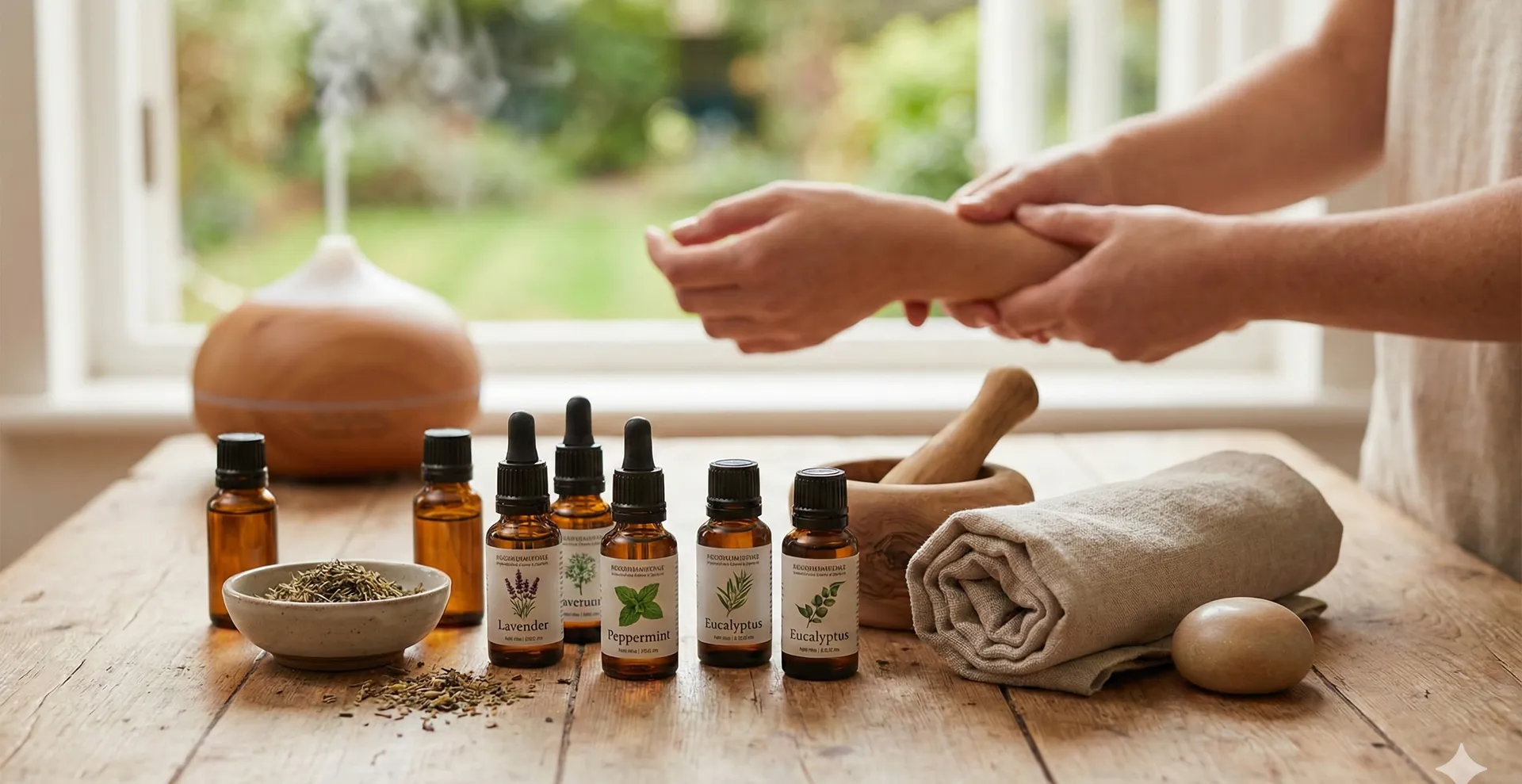
Muscle pain can strike after an intense workout, a long day at the desk, or even during periods of high stress. While over-the-counter painkillers are widely available, more people are looking for natural, holistic ways to soothe sore muscles, support recovery, and relax the body. Essential oils are among the most popular natural options, thanks to their pleasant aromas and potential therapeutic benefits.
This article explores how essential oils may help with muscle pain, which oils are best, how to use them safely, and what the science currently says. It is intended for educational purposes only and does not replace professional medical advice.
What Causes Muscle Pain?
To understand how essential oils can help, it is useful to know why muscles hurt in the first place. Muscle pain, also known as myalgia, can have many causes:
- Exercise and overuse: Intense or unfamiliar activity can lead to microscopic tears in muscle fibers, causing delayed onset muscle soreness (DOMS).
- Poor posture or ergonomics: Sitting for long hours, especially with poor posture, can lead to chronic tension in the neck, shoulders, and lower back.
- Stress and emotional tension: Mental and emotional stress often manifest physically as tight muscles, especially in the jaw, shoulders, and back.
- Injury or strain: Acute injuries, such as pulled muscles or sprains, can cause intense pain and inflammation.
- Underlying health conditions: Conditions like fibromyalgia, arthritis, or infections can also contribute to muscle pain.
Most everyday muscle pain stems from tension, minor injury, or overuse. In these cases, non-pharmaceutical methods such as stretching, massage, heat, and essential oils may provide supportive relief.
How Essential Oils May Help Muscle Pain
Essential oils are concentrated plant extracts rich in aromatic compounds. These components can have warming, cooling, soothing, or relaxing effects when properly diluted and applied to the skin, or inhaled through aromatherapy.
Key potential benefits
- Perceived pain relief: Certain oils create warming or cooling sensations on the skin, which may help distract from discomfort and support a sense of relief.
- Support for relaxation: The aromas of some essential oils can promote a feeling of calm, helping muscles release tension indirectly by reducing stress.
- Improved massage experience: When blended with carrier oils, essential oils enhance massage, which is itself beneficial for circulation, flexibility, and tension relief.
- Comfort around inflammation: Some essential oils contain compounds that have been studied for their anti-inflammatory potential, which may contribute to overall comfort.
While essential oils can be a valuable addition to a muscle care routine, they should be viewed as supportive tools, not cures. Individual responses can vary, and evidence is still emerging.
Best Essential Oils for Muscle Pain
Many essential oils are marketed for muscle pain, but a few are especially popular and better studied. Always dilute essential oils before applying them to the skin.
Peppermint essential oil
Peppermint (Mentha × piperita) oil contains menthol, which creates an immediate cooling sensation when applied topically. This cooling effect can help ease the perception of muscle soreness and tension.
- Often used in gels, balms, and roll-ons for sore muscles.
- Refreshing aroma that can also help clear the mind and support focus.
- Use at low dilutions (typically 1–2% in a carrier oil) to avoid skin irritation.
Lavender essential oil
Lavender (Lavandula angustifolia) is one of the most versatile and widely researched essential oils. It is best known for its relaxing and calming scent.
- May help soothe stress-related muscle tension, especially in the neck and shoulders.
- Gentle oil often used before sleep to promote relaxation.
- Suitable for massage blends and bath soaks when properly diluted.
Eucalyptus essential oil
Eucalyptus (Eucalyptus globulus or Eucalyptus radiata) offers a fresh, camphor-like aroma and a cooling sensation on the skin.
- Commonly used in sports rubs and muscle balms.
- Provides a feeling of openness and invigoration, which some people find helpful when tired or sore.
- Use sparingly and avoid on or near the face in young children.
Rosemary essential oil
Rosemary (Rosmarinus officinalis) is an energizing essential oil often used to support circulation and alertness.
- Popular in warming massage blends for stiff or tired muscles.
- Often combined with peppermint or lavender for a balanced aroma.
- Should be used with caution by people with certain medical conditions; consult a professional if unsure.
Ginger essential oil
Ginger (Zingiber officinale) essential oil brings a warming sensation, which many find comforting for tight, cold, or stiff muscles.
- Ideal for use before exercise in a warm-up massage blend.
- Blends well with citrus, lavender, or sweet orange for a more pleasant fragrance.
- Use at low dilution on sensitive skin due to its warming intensity.
Chamomile essential oil
Roman chamomile (Chamaemelum nobile) and German chamomile (Matricaria recutita) are both known for their soothing qualities.
- Gentle oils often chosen for sensitive or easily irritated skin.
- Helpful in blends aimed at stress-related tension or bedtime relaxation.
- Typically more expensive but a little goes a long way.
How to Use Essential Oils for Muscle Pain
There are several practical ways to incorporate essential oils into a muscle care routine. Proper dilution and safe practices are critical for avoiding irritation or adverse reactions.
1. Topical massage blends
Topical application is one of the most effective ways to use essential oils for muscle discomfort. Essential oils must always be mixed with a carrier oil before applying to the skin.
Choosing a carrier oil
- Sweet almond oil: Light texture, glides easily, popular for massage.
- Fractionated coconut oil: Non-greasy, long shelf life, absorbs well.
- Jojoba oil: Similar to the skin’s natural sebum, suitable for most skin types.
- Grapeseed oil: Lightweight option that works well for large areas of the body.
Safe dilution guidelines
For healthy adults, typical dilution ranges are:
- 1% dilution: About 1 drop of essential oil per 5 ml of carrier oil. Suitable for sensitive skin, regular use, or large areas.
- 2–3% dilution: About 2–3 drops per 5 ml of carrier oil. Often used for localized muscle soreness in short-term applications.
Always start with the lowest effective dilution, especially if you have sensitive skin or are new to essential oils.
Simple muscle relief blend (example)
- 30 ml sweet almond oil (carrier)
- 6 drops peppermint essential oil
- 4 drops lavender essential oil
- 2 drops eucalyptus essential oil
Combine ingredients in a clean, dark glass bottle, shake gently, and apply a small amount to sore areas with gentle massage. Perform a patch test first to check for sensitivity.
2. Bath soaks with essential oils
A warm bath can help muscles relax, and adding essential oils can turn it into a soothing ritual. However, essential oils should not be added directly to water, as oil and water do not mix.
How to safely add oils to a bath
- Choose 5–10 drops of essential oils suitable for relaxation, such as lavender, chamomile, or a small amount of peppermint.
- Mix the drops thoroughly into a dispersing medium, such as 1–2 tablespoons of carrier oil, unscented liquid soap, or a bath-specific solubilizer.
- Add the mixture to warm bathwater and swirl to distribute.
Soak for 15–20 minutes, focusing on deep breathing to enhance relaxation.
3. Compresses for localized pain
Warm or cool compresses can help target specific areas of muscle pain. Essential oils can be added to enhance the comforting effect.
Basic essential oil compress
- Fill a bowl with warm or cool water (depending on preference and type of pain).
- Add 2–4 drops of essential oil, such as lavender or chamomile, to a teaspoon of carrier oil or dispersing agent, then stir into the water.
- Soak a clean cloth in the mixture, wring out, and apply to the affected area.
- Leave on for 10–15 minutes and repeat as needed.
4. Aromatherapy for stress-related tension
For muscle pain linked to stress or emotional tension, inhalation of essential oils can be especially helpful. When the mind relaxes, the body often follows.
- Diffusers: Add a few drops of essential oil to a diffuser according to the manufacturer’s instructions to scent a room.
- Personal inhalers: Inhale essential oils from a personal inhaler or a cotton pad tucked into a pocket.
- Pillow or linen sprays: Lightly spray diluted essential oils onto linens to encourage relaxation before sleep (avoid direct skin contact with undiluted oils).
Popular choices for stress-related muscle tension include lavender, sweet orange, bergamot, and Roman chamomile.
Safety Considerations and Precautions
Essential oils are powerful, concentrated substances. For safe and effective use, it is important to follow basic guidelines and listen to your body.
General safety tips
- Always dilute: Never apply undiluted essential oils directly to the skin.
- Patch test first: Test a new blend on a small area of skin and wait 24 hours for any reaction.
- Avoid sensitive areas: Keep essential oils away from eyes, inside the ears, and mucous membranes.
- Use caution with certain groups: Pregnant or breastfeeding individuals, children, older adults, and people with chronic health conditions should consult a qualified professional before use.
- Respect sun sensitivity: Some citrus oils (such as cold-pressed lemon or bergamot) can increase sensitivity to the sun. Avoid UV exposure on skin where phototoxic oils have been applied.
When to seek medical advice
Essential oils are meant to complement, not replace, medical care. Contact a healthcare professional if you experience any of the following:
- Severe or sudden muscle pain after injury or accident.
- Muscle pain accompanied by high fever, rash, or shortness of breath.
- Persistent pain that does not improve with rest or self-care.
- Signs of an allergic reaction, such as hives, swelling, or difficulty breathing.
In these cases, prompt medical evaluation is essential.
Combining Essential Oils with Other Natural Approaches
Essential oils work best as part of a broader self-care strategy. Several simple lifestyle habits can significantly improve muscle health and recovery.
Stretching and gentle movement
Light stretching and gentle movement increase blood flow, support flexibility, and reduce stiffness. Applying an essential oil massage blend before or after stretching can enhance comfort and encourage consistency with a stretching routine.
Heat and cold therapy
- Heat: Warm showers, heating pads, or warm compresses can relax tight, stiff muscles.
- Cold: Cold packs or cool compresses can help immediately after minor injuries or intense exercise.
Essential oils can be incorporated into compresses to add a pleasant aromatic component to either heat or cold therapy, as long as they are properly diluted.
Hydration and nutrition
Staying hydrated and maintaining a balanced diet support overall muscle function and recovery. While essential oils cannot replace proper nutrition, they can form part of a wellness routine that also includes water, balanced meals, and adequate rest.
Evidence and Expectations: What Science Says
Research on essential oils and muscle pain is growing but still limited. Many studies focus on massage combined with aromatherapy, making it hard to separate the effects of touch, scent, and relaxation from the chemical properties of the oils themselves.
Some studies suggest that certain essential oils, such as lavender and peppermint, may help reduce perceived pain and improve comfort in various contexts. However, results vary, and more rigorous, large-scale research is needed. Because of this, essential oils should be viewed as supportive wellness tools rather than primary treatments.
Individual experiences may differ based on personal sensitivity, specific blends used, and how consistently they are applied. Keeping realistic expectations and paying attention to how your body responds will help you get the most from using essential oils responsibly.
Practical Tips for Getting Started
If you are new to using essential oils for muscle pain, starting simple is usually the best approach.
- Choose one or two oils: Begin with versatile oils like lavender and peppermint, which are widely available and popular for muscle comfort.
- Invest in quality: Look for reputable brands that provide clear labeling, botanical names, and, ideally, third-party testing information.
- Use proper dilution: Follow safe dilution guidelines and avoid the temptation to use more oil than recommended.
- Track your response: Notice how your body feels before and after use. Adjust blends, frequency, or techniques based on your observations.
- Combine with healthy habits: Pair essential oil use with stretching, adequate sleep, and regular movement for the best overall effect.
Conclusion: A Gentle, Natural Ally for Sore Muscles
Muscle pain is a common part of modern life, whether from exercise, stress, or daily activities. Essential oils offer a natural, aromatic way to support relaxation, ease tension, and enhance self-care rituals. When used safely and thoughtfully, they can be a comforting addition to your muscle care routine.
By choosing appropriate oils, respecting dilution guidelines, and combining essential oils with other healthy habits, you can create personalized rituals that help your muscles feel more comfortable and your body more at ease. Always remember that persistent or severe pain should be evaluated by a healthcare professional, and consider essential oils as one supportive tool among many for maintaining muscle health and overall well-being.