Natural Deodorants: Do They Really Work?
Curious if natural deodorants really work? Learn how they differ from antiperspirants, what ingredients matter, how to handle the transition period, and how to choose the best aluminum-free deodorant for your needs.
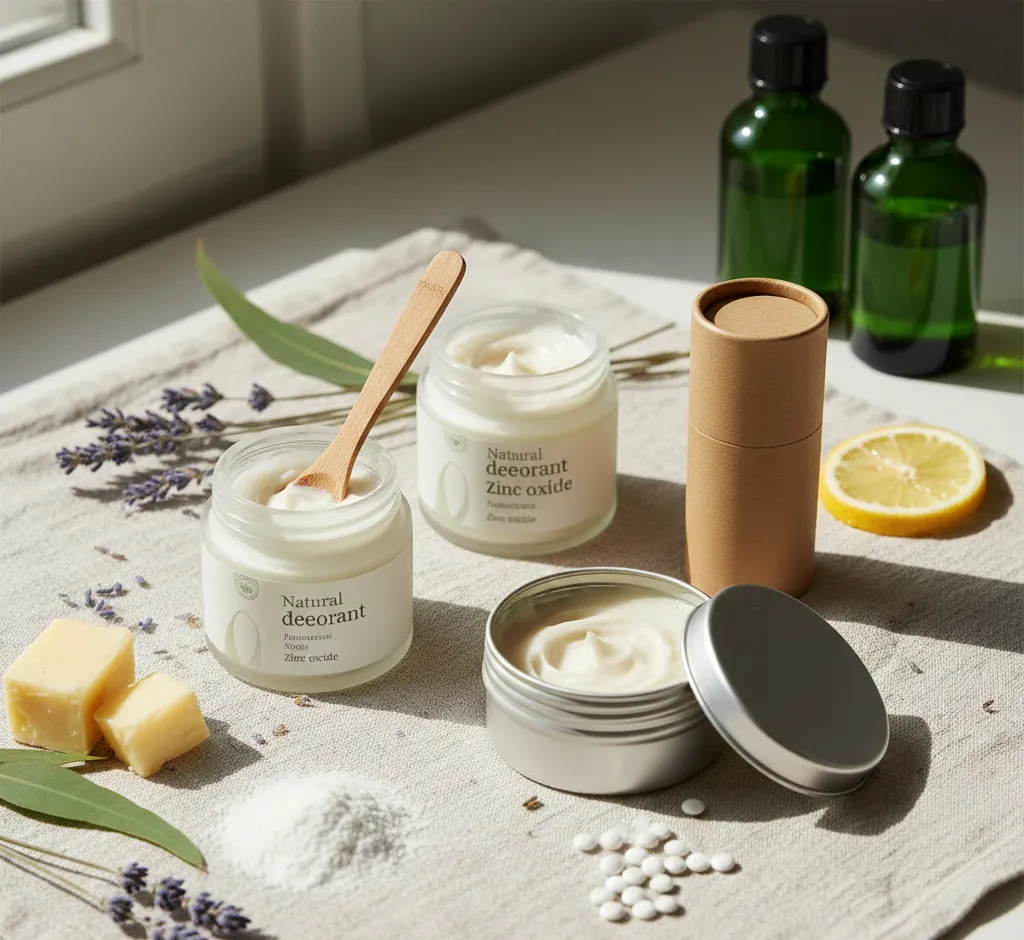
Natural deodorants have exploded in popularity over the last few years. From sleek glass jars to eco-friendly cardboard tubes, it feels like every brand now offers a "clean" alternative to conventional antiperspirants. But as more people make the switch, one big question keeps coming up: do natural deodorants really work?
In this article, we will break down how natural deodorants work, how they differ from regular antiperspirants, what ingredients to look for (and avoid), and how to switch with realistic expectations. By the end, you will know whether natural deodorant is a good fit for your lifestyle, body chemistry, and values.
Natural deodorant vs. antiperspirant: what is the difference?
Many people use the words deodorant and antiperspirant interchangeably, but they are not the same. Understanding the difference is the first step in deciding which option will work best for you.
What antiperspirants do
Conventional antiperspirants are designed to reduce or block sweating. They typically contain aluminum-based compounds, such as aluminum chlorohydrate or aluminum zirconium, which react with moisture on the skin to form temporary plugs in your sweat ducts. This reduces the amount of sweat that reaches the surface of your skin.
Less sweat often means less odor and fewer underarm stains, but your body is still trying to sweat; the sweat simply does not reach the surface in the same way. Antiperspirants are regulated as over-the-counter drugs in many countries because they change a bodily function: perspiration.
What natural deodorants do
Natural deodorants, on the other hand, usually do not contain aluminum and do not block sweat glands. Instead, they aim to:
- Neutralize odor by targeting the bacteria that cause body odor.
- Absorb moisture with ingredients like arrowroot, cornstarch, or clay.
- Mask scent with essential oils or naturally derived fragrances.
Because they do not stop sweat, you may still feel moist under your arms while using natural deodorant, especially in hot weather or during exercise. The goal is not to stop sweating but to keep you smelling fresh and feeling more comfortable.
How body odor actually works
To understand whether natural deodorants work, it helps to know where body odor comes from in the first place.
Sweat itself is mostly odorless
Your body has two main types of sweat glands: eccrine and apocrine.
- Eccrine glands are found all over the body and produce a watery sweat that helps regulate your temperature. This sweat is mostly water and salt and is generally odorless.
- Apocrine glands are concentrated in areas like your armpits and groin. They produce a thicker fluid that is rich in proteins and lipids.
On its own, sweat—even from apocrine glands—does not have a strong smell. Body odor happens when bacteria on your skin break down components of your sweat, creating volatile compounds that we recognize as BO.
Where deodorant fits in
Deodorants, including natural formulas, try to disrupt this process. They may do this by:
- Creating a less friendly environment for odor-causing bacteria.
- Absorbing moisture so bacteria have less to feed on.
- Adding pleasant scents to mask any remaining odor.
So the real question is not whether natural deodorants can stop sweat, but whether they can effectively control the bacteria and moisture that lead to odor.
Do natural deodorants really work?
The honest answer is: yes, they can work very well for many people, but the experience is highly individual. Your genetics, diet, stress levels, hormones, and even the types of fabrics you wear can influence how well a natural deodorant performs.
Factors that affect effectiveness
- Your unique body chemistry. Some people naturally produce less odor or have different skin bacteria, so they may find natural options incredibly effective, even with gentle formulations.
- Activity level. If you exercise intensely or have a physically demanding job, you may need a stronger formula or more frequent reapplication.
- Climate. Hot, humid environments increase sweat and bacteria activity, meaning any deodorant, natural or not, has to work harder.
- Clothing choices. Synthetic fabrics often trap sweat and odor, while natural fibers like cotton, linen, or bamboo tend to breathe better.
Many people report that once they go through an initial adjustment period, they find a natural deodorant that keeps them smelling fresh throughout the day. Others may need to try several formulas before landing on one that truly works for them.
What the science says
Research on natural deodorants specifically is still limited compared to conventional antiperspirants. However, there is evidence that certain ingredients commonly used in natural formulas—such as baking soda, zinc salts, and some plant-derived antimicrobials—can help reduce odor-causing bacteria on the skin.
Because natural deodorants are typically classified as cosmetics rather than drugs, they do not go through the same level of clinical testing as antiperspirants. That means the real-world results often come down to user experience and how well a particular formulation interacts with your skin.
The natural deodorant "transition period"
Many people notice that when they first switch from antiperspirant to natural deodorant, their odor seems to get worse for a while. This is often described as a detox period, but what is actually happening?
What is really going on?
When you stop using antiperspirant, the aluminum plugs in your sweat glands naturally dissipate over time. You begin to sweat more freely again, sometimes more than you are used to. This can make it feel like your new deodorant is failing, even if it is doing its job.
Additionally, your skin's bacterial ecosystem may shift as it adjusts to the new conditions under your arms. This change in microbiome can temporarily lead to stronger or unfamiliar odors until things stabilize.
How long does it last?
For most people, the transition period lasts anywhere from a few days to a few weeks. It is rarely permanent. During this time, you may need to:
- Shower or wash your underarms more frequently.
- Reapply deodorant once or twice during the day.
- Wear more breathable fabrics and lighter colors.
Once your body settles into a new rhythm, many people find that their natural deodorant works consistently throughout the day.
Key ingredients in natural deodorants (and what they do)
Not all natural deodorants are created equal. Their effectiveness depends heavily on the ingredients they use and how those ingredients are balanced. Here are some of the most common components and their roles.
Odor-fighting ingredients
- Baking soda (sodium bicarbonate). A powerful odor neutralizer that raises the pH of your skin, making it less hospitable to odor-causing bacteria. It is very effective for many people but can be irritating for those with sensitive skin.
- Zinc salts (like zinc ricinoleate or zinc oxide). These can bind odor molecules and help reduce odor without significantly altering skin pH. They are often better tolerated by sensitive skin than baking soda.
- Magnesium hydroxide. Another popular alternative to baking soda, designed to neutralize odor with a gentler profile for many users.
Moisture-absorbing ingredients
- Arrowroot powder. A lightweight starch that helps absorb moisture and can give a silky feel.
- Cornstarch. Also absorbs sweat, though it may not suit everyone, especially those with sensitivities.
- Clays (like kaolin or bentonite). Naturally absorbent and can help manage moisture and odor.
Soothing and conditioning ingredients
- Plant oils and butters. Ingredients like coconut oil, shea butter, cocoa butter, or jojoba oil help moisturize the skin and provide a creamy texture that glides on smoothly.
- Aloe vera. Known for its soothing and calming properties, making it a good choice for sensitive or freshly shaved skin.
Fragrances and essential oils
- Essential oils. Natural deodorants often rely on oils like lavender, tea tree, eucalyptus, lemon, or peppermint for scent and potential antimicrobial benefits.
- Fragrance blends. Some natural brands use naturally derived or phthalate-free fragrances for longer-lasting scent.
While these can make a deodorant smell amazing, they are also common triggers for irritation or allergic reactions. If you have sensitive skin, you may want to look for formulas labeled as fragrance-free or for sensitive skin.
Common problems with natural deodorants (and how to fix them)
Experiencing some trial and error with natural deodorants is normal. Here are some common challenges and practical solutions.
1. "I still smell by midday"
- Make sure you apply to clean, dry skin. Applying over yesterday's product or over sweat will reduce effectiveness.
- Consider a formula with stronger odor-control ingredients like zinc or magnesium if a very mild formula is not enough.
- Reapply once during the day, especially before exercise or a long day out.
- Check your clothing: synthetic fabrics can trap odor even after washing.
2. "My underarms are irritated or rashy"
- You may be reacting to baking soda or fragrance. Switch to a baking-soda-free or fragrance-free formula and see if symptoms improve.
- Avoid applying right after shaving, when skin is more vulnerable. Wait a few hours if possible.
- Use a thin layer rather than overapplying. More product does not always mean better performance.
3. "I feel too sweaty"
Remember that natural deodorants do not stop sweat. However, you can manage the feeling of wetness by:
- Choosing formulas with more absorbent powders like arrowroot or clay.
- Wearing breathable fabrics and looser-fitting tops.
- Using underarm pads or liners if you are concerned about visible sweat marks during important events.
Health and environmental considerations
Many people switch to natural deodorants for reasons beyond odor control. Health concerns and environmental impact often play a big role.
Concerns about aluminum and health
There has been public debate about whether aluminum in antiperspirants is linked to conditions such as breast cancer or Alzheimer's disease. Large health organizations and major research bodies have not established a clear, direct causal link between typical antiperspirant use and these diseases. However, some people prefer to avoid aluminum as a precaution or simply feel more comfortable with a more minimal ingredients list.
Natural deodorants offer an option for those who want to skip aluminum-based compounds while still managing odor.
Fewer synthetic additives
Natural deodorants often exclude certain controversial or unwanted ingredients, such as:
- Artificial fragrances containing phthalates.
- Some types of preservatives.
- Certain synthetic dyes or colorants.
Instead, they emphasize plant-based oils, waxes, and naturally derived ingredients. Always double-check the ingredient list, though—"natural" is not a regulated term in many countries, so products can vary widely in how truly natural they are.
Packaging and sustainability
Many natural deodorant brands also focus on eco-friendly packaging, such as:
- Recyclable or reusable glass jars.
- Cardboard tubes instead of plastic sticks.
- Refill systems that reduce overall waste.
If sustainability is important to you, look for brands that clearly communicate their packaging choices and environmental commitments.
How to choose the right natural deodorant
With so many options on the market, choosing a natural deodorant can feel overwhelming. Here are some steps to help you narrow it down.
1. Know your skin type
- Sensitive skin. Look for baking-soda-free, fragrance-free, or hypoallergenic formulas with soothing ingredients like aloe, shea butter, and oat extract.
- Normal skin. You can experiment more freely with different textures, scents, and active ingredients.
- Very reactive skin. Patch test first by applying a small amount to a small area and waiting 24 hours to monitor for redness or itching.
2. Decide what matters most
- If performance is your top priority, choose formulas with odor-fighting ingredients such as zinc, magnesium, or small amounts of baking soda.
- If comfort and gentleness matter most, opt for a creamier, low-baking-soda or baking-soda-free option.
- If scent is important, try a few different fragrance profiles, but remember that strong essential oil blends can be irritating for some people.
3. Be prepared to experiment
It is normal to try more than one brand before finding your ideal match. You might even notice that a product that works in cooler months needs to be swapped out for something stronger in the summer.
Think of it like skincare: sometimes it takes a few tries before you find the formula that fits your routine, your body, and your lifestyle.
Best practices for using natural deodorant
How you use natural deodorant affects how well it works. These simple habits can improve your results.
Apply to clean, dry skin
Always apply your deodorant to freshly washed, completely dry underarms. Moisture from water or sweat can dilute the product and reduce its effectiveness.
Use the right amount
With stick deodorants, a few gentle swipes are usually enough. For cream formulas in jars, a pea-sized amount per arm is often sufficient. Rub it in until it is fully absorbed and feels smooth rather than sticky.
Allow a little dry time
Give your deodorant a minute or two to settle into your skin before getting dressed. This helps prevent residue on clothing and can improve performance throughout the day.
Reapply when needed
Unlike some clinical-strength antiperspirants, natural deodorants are not always "set it and forget it" products. If you have a long day, a tough workout, or very hot weather, keep your deodorant handy for a quick refresh.
Who might benefit most from natural deodorant?
Natural deodorants can be a great choice for many people, especially if you:
- Prefer products with short, recognizable ingredient lists.
- Want to avoid aluminum-based antiperspirants.
- Have experienced irritation from conventional deodorants and want to explore gentler alternatives.
- Care about eco-friendly packaging and more sustainable personal care options.
However, if you struggle with excessive sweating (hyperhidrosis), natural deodorant alone may not be enough to manage your symptoms. In that case, you may want to talk to a healthcare professional about medical-grade antiperspirants or other treatments and potentially use natural deodorant as a complementary option.
So, do natural deodorants really work?
Natural deodorants do work for many people—but they work differently from conventional antiperspirants. Instead of blocking sweat, they focus on reducing odor and absorbing moisture while letting your body do what it is meant to do: sweat.
Whether they will work for you depends on your expectations and lifestyle. If you want completely dry underarms at all times, a natural deodorant may not fully deliver. But if your priorities include cleaner ingredients, aluminum-free formulas, and a more skin-friendly approach to odor control, natural deodorants can be an effective and satisfying choice.
The key is to approach the switch with realistic expectations, a little patience during the adjustment period, and a willingness to experiment until you find the right fit. With the right product and routine, you can stay fresh, feel confident, and align your personal care routine with your health and environmental values.