Natural Konjac Sponges: Gentle Cleansing That’s Proven to Work
Discover how natural konjac sponges provide gentle, proven cleansing for all skin types. Learn what they are, how they work, their benefits, and how to use and care for them for smoother, healthier-looking skin.
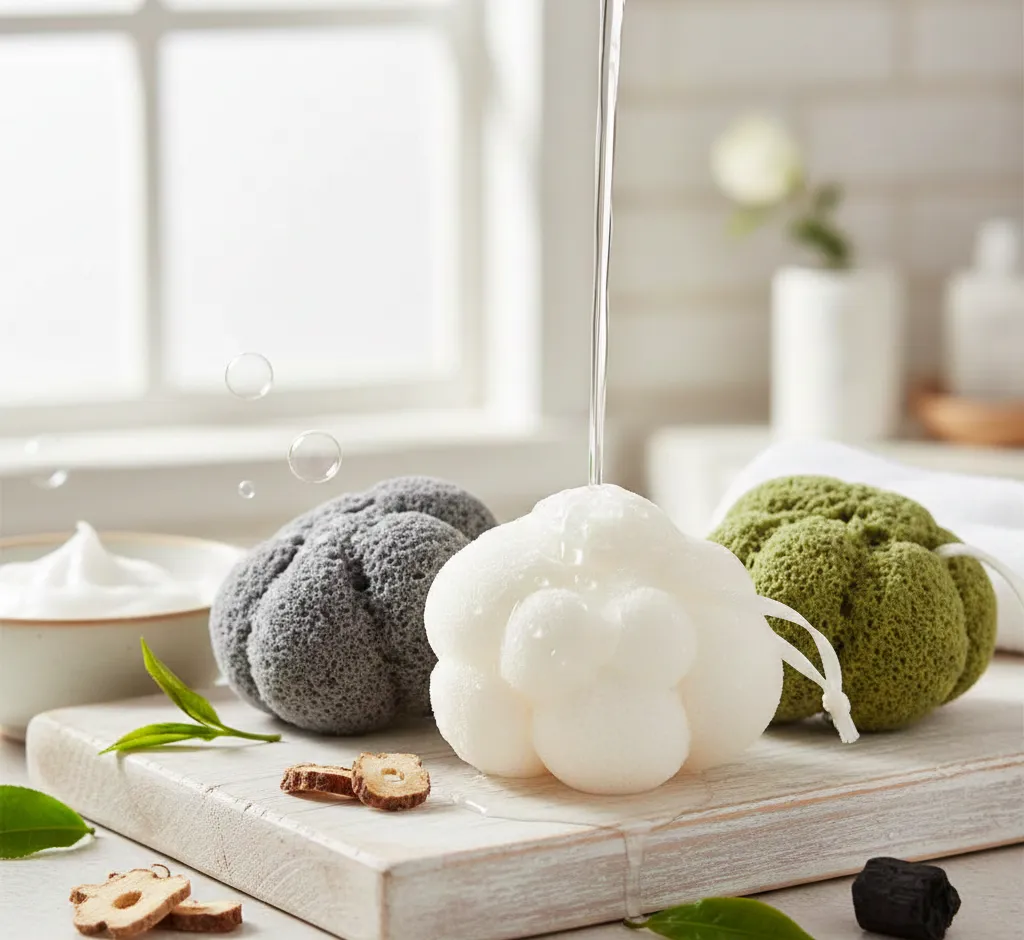
Natural konjac sponges have quietly become a favorite in skincare routines around the world. Made from the root of the konjac plant, these soft, bouncy sponges offer a uniquely gentle yet effective way to cleanse the skin without harsh chemicals or aggressive scrubbing. Whether you have sensitive, oily, dry, or combination skin, a konjac sponge can help you cleanse more thoroughly while respecting your skin’s natural barrier.
In this article, you will learn what konjac sponges are, how they work, why they are considered proven gentle cleansers, and how to choose and use them correctly for the best results. If you are looking for a natural, eco-conscious alternative to synthetic cleansing tools, konjac sponges might be exactly what your skincare routine needs.
What Is a Natural Konjac Sponge?
A natural konjac sponge is a facial or body cleansing sponge made from the Amorphophallus konjac plant, also known simply as konjac or konnyaku. This plant has been used for centuries in East Asia, mainly as a food ingredient and in traditional beauty rituals. When processed into a sponge, konjac root creates a soft, porous texture that is ideal for gentle exfoliation and daily cleansing.
Key characteristics of natural konjac sponges
- Plant-based: Made from natural konjac root fiber.
- Biodegradable: Breaks down naturally, unlike plastic-based cleansing tools.
- Soft and bouncy texture: When hydrated, the sponge becomes cushiony and cloud-like.
- Suitable for all skin types: Especially appreciated by people with sensitive or reactive skin.
- Often enriched with minerals: Some sponges include added ingredients like charcoal, green tea, or clay.
Because they are free from synthetic materials, natural konjac sponges appeal to people seeking cleaner beauty routines and lower environmental impact, while still delivering visible skin benefits.
How Konjac Sponges Work on Your Skin
At first glance, a dry konjac sponge looks hard and rough. However, once soaked in warm water for a few minutes, it expands and transforms into a soft, gel-like sponge with a surprisingly smooth feel. This unique texture is what makes konjac sponges so effective for gentle cleansing.
Physical exfoliation, done gently
The fine, flexible fibers of the konjac root create a delicate, micro-textured surface. As you massage the damp sponge in circular motions, it lifts away:
- Dead skin cells
- Excess oil and sebum
- Light makeup residue
- Pollution particles and impurities
Unlike harsh scrubs with large, irregular particles, konjac sponges exfoliate without scratching or irritating the skin. This helps keep the skin looking smooth and radiant while supporting a healthy skin barrier.
Balanced cleansing for every skin type
Konjac sponges are naturally slightly alkaline, which helps them interact with the skin’s surface oils and impurities. When used with water alone, they can cleanse lightly and refresh the skin. When combined with a small amount of your favorite cleanser, they can boost the effectiveness of your routine without stripping the skin.
Because of their gentleness, konjac sponges are commonly recommended for:
- Sensitive skin: Minimal abrasion and no harsh surfactants when used with water only.
- Dry or mature skin: Mild exfoliation that does not excessively disrupt the moisture barrier.
- Oily or acne-prone skin: Helps remove excess sebum and impurities, supporting clearer pores.
- Daily, consistent use: Gentle enough to use morning and night as part of a regular routine.
Why Konjac Sponges Are Considered Gentle and Proven
The reputation of konjac sponges as a proven gentle cleansing tool is built on both traditional use and modern user experience. While large-scale clinical trials specifically on konjac sponges are limited, the safety of konjac root itself and the observable results for many users support its popularity.
Centuries of traditional use
Konjac has a long history in Japan, Korea, and China, where it has been used not only as a food source but also in skincare, particularly for babies and individuals with very delicate skin. For generations, people have relied on konjac sponges to cleanse without causing irritation, which speaks to their safety and comfort when used correctly.
Modern skin-friendly benefits
From a modern skincare perspective, natural konjac sponges align with several principles of gentle cleansing:
- No harsh edges: The micro-fine texture glides smoothly across the skin, reducing friction and potential micro-tears.
- Minimal formulation: A pure konjac sponge can be entirely free from fragrances, dyes, and surfactants.
- Supports skin turnover: Mild daily exfoliation helps maintain a smoother, more even-looking complexion.
- Compatible with low-waste routines: They replace more abrasive tools and disposable wipes.
Many users report improvements such as softer skin, fewer dry patches, better makeup removal, and less congestion in the pores when incorporating a konjac sponge into their routine. While everyone’s skin is different, the overall pattern of positive experiences contributes to their “proven” status among skincare enthusiasts and professionals alike.
Types of Natural Konjac Sponges and Their Benefits
Not all konjac sponges are identical. Many brands offer variations with added natural ingredients to target specific skin concerns while maintaining the same gentle cleansing action.
Pure white konjac sponge
This is the most basic and universal version, made from 100% natural konjac fiber without any added ingredients. It is ideal for:
- Very sensitive or reactive skin
- Children and babies (when designed specifically for them)
- Anyone new to konjac sponges who wants a simple starting point
Konjac sponge with charcoal
Charcoal konjac sponges incorporate activated charcoal, which is known for its ability to bind to oils and impurities. These sponges are especially popular for:
- Oily or combination skin
- Acne-prone skin
- Urban environments with higher exposure to pollution
Konjac sponge with green tea or green clay
Some konjac sponges are infused with green tea, green clay, or other botanicals rich in antioxidants and minerals. These options can be helpful for:
- Dull or tired-looking skin
- Skin exposed to environmental stressors
- People seeking extra antioxidant support in their cleansing step
Konjac sponge for body cleansing
Larger konjac sponges designed for the body provide the same gentle exfoliation on a broader scale. They can help soften rough areas like elbows, knees, and heels, and are a great option for people with sensitive or dry body skin who find traditional body scrubs too harsh.
How to Use a Natural Konjac Sponge Correctly
Using a konjac sponge is simple, but a few key steps ensure you get the most out of it while keeping your skin and sponge in good condition.
Step-by-step guide
- Soak the sponge: Before each use, soak your dry konjac sponge in warm water for 2–3 minutes until it becomes fully soft, enlarged, and bouncy.
- Squeeze out excess water: Gently press the sponge between your palms to remove extra water. Do not twist or wring it, as this can damage the fibers.
- Cleanse with or without product: Use the sponge alone with water for an ultra-gentle cleanse, or add a small amount of your favorite cleanser directly onto the sponge.
- Massage the skin: Glide the sponge over your face or body using light, circular motions. Focus on areas prone to dryness, congestion, or makeup buildup, such as the T-zone, nose, and chin.
- Rinse thoroughly: After cleansing, rinse your skin with lukewarm water and pat dry with a clean towel.
- Rinse the sponge: Rinse the sponge under running water, gently squeezing until all cleanser and debris are removed.
- Air-dry completely: Hang the sponge by its string or place it in a well-ventilated spot to dry between uses. This helps prevent bacteria and mold growth.
How often to use a konjac sponge
Most people can use a konjac sponge once or twice daily without irritation, especially when using it with water or a mild cleanser. If your skin is very sensitive, you might prefer using it once a day or every other day while you observe how your skin responds.
Caring for Your Konjac Sponge
Proper care extends the life of your sponge and keeps it hygienic. While konjac sponges are naturally resistant to some microbial growth due to their structure, they still need regular maintenance because they are used in a moist environment.
Daily care tips
- Rinse well after each use: Make sure no cleanser, makeup, or debris remains trapped in the sponge fibers.
- Squeeze gently: Avoid twisting, pulling, or wringing to preserve the integrity of the sponge.
- Store in a dry place: Do not leave it in a puddle of water or in a sealed container. Hanging is usually best.
Deeper cleaning and replacement
To keep your sponge fresh, you can deep-clean it once a week:
- Soak the sponge briefly in very hot (not boiling) water to help kill bacteria.
- Let it cool, squeeze out the water gently, and allow it to dry completely.
Because konjac sponges are made from natural plant fibers, they are not meant to last forever. Most experts recommend replacing your sponge every 4–8 weeks, depending on how often you use it and how well you care for it. Signs that it is time to replace include:
- Visible cracks or crumbling
- Persistent odor even after cleaning
- Loss of softness or elasticity
When your sponge reaches the end of its life, you can typically dispose of it in your compost or organic waste, following local guidelines. This makes konjac sponges a more sustainable alternative to synthetic cleansing pads and plastic tools.
Choosing the Right Konjac Sponge for Your Skin
With so many options on the market, it helps to know what to look for when selecting a natural konjac sponge. Paying attention to ingredients, texture, and certifications can guide you toward a high-quality product.
Check the ingredients and formulation
A truly natural konjac sponge should list konjac root (glucomannan) as the main material. If other ingredients are included, such as charcoal, green tea, or clays, make sure they are clearly identified and ideally of natural origin. Avoid sponges that contain unnecessary synthetic dyes, fragrances, or preservatives if you prefer a cleaner formula.
Match the sponge to your skin type
- Very sensitive or reactive skin: Choose a pure white konjac sponge with no added botanicals or clays.
- Oily or acne-prone skin: Consider a charcoal or green clay konjac sponge to help absorb excess oil and impurities.
- Normal or combination skin: Most types will work, so you can choose based on preference and extra benefits like antioxidant-rich ingredients.
- Dry or mature skin: A soft, pure sponge used with a hydrating cleanser can provide gentle exfoliation without stripping the skin.
Look for ethical and sustainability certifications
Some brands offer konjac sponges certified as vegan, cruelty-free, or made with sustainable practices. If environmental impact is important to you, seek out brands that clearly communicate how they source and produce their sponges.
Integrating Konjac Sponges into Your Skincare Routine
Natural konjac sponges fit easily into most skincare routines and can enhance the performance of other products by preparing the skin properly.
Morning routine
In the morning, many people prefer a simple cleanse that refreshes the skin without over-stripping it. A damp konjac sponge used with water or a gentle cleanser can:
- Remove overnight sweat and oil
- Smooth the skin’s surface for better makeup application
- Provide a quick, relaxing mini-massage to wake up your complexion
Evening routine
In the evening, konjac sponges shine as part of a double-cleansing routine. After removing most of your makeup with an oil cleanser or micellar water, you can use a konjac sponge with a water-based cleanser to:
- Lift away remaining makeup and sunscreen
- Remove deep-seated impurities from the day
- Gently exfoliate so serums and moisturizers absorb more effectively
Pairing with other skincare products
Because konjac sponges exfoliate lightly, they pair best with a balanced routine that does not overload the skin with other strong exfoliants. If you use chemical exfoliants like AHAs or BHAs, retinoids, or scrubs, you may want to:
- Alternate nights between those treatments and the sponge.
- Monitor your skin for any signs of over-exfoliation, such as redness or tightness.
When used thoughtfully, konjac sponges can complement your routine rather than compete with other active ingredients.
Benefits Beyond the Skin: Eco-Friendly and Minimalist
Natural konjac sponges offer more than just cosmetic benefits. They also align with a more mindful, eco-conscious lifestyle, which increasingly matters to many skincare consumers.
Biodegradable and low-waste
Unlike plastic cleansing brushes or disposable cotton pads, konjac sponges are plant-based and biodegradable. This means they will break down over time rather than contributing to long-term plastic waste. By replacing disposable items with a reusable konjac sponge, you can reduce the environmental footprint of your daily skincare habits.
Minimalist beauty with maximum impact
A single konjac sponge can often replace multiple products in a routine, particularly for people who prefer simple, minimalist skincare. For example, some individuals use a konjac sponge with water only in the morning, skipping cleanser altogether. Others find they need fewer harsh exfoliating products once they introduce daily, gentle konjac exfoliation.
This minimalist approach can be beneficial not only for the environment but also for your skin, as fewer products often mean less risk of irritation and ingredient overload.
Are Konjac Sponges Right for You?
If you are seeking a cleansing tool that is gentle, natural, and proven by both tradition and modern users to be effective, natural konjac sponges are worth exploring. They offer a rare combination of softness and deep-cleansing performance, making them suitable for almost every skin type, from sensitive to oily.
By understanding how konjac sponges work, choosing the right type for your skin, and caring for them properly, you can enjoy smoother, clearer, and more radiant-looking skin while supporting a more sustainable skincare routine. As with any new product, introduce your sponge gradually, listen to your skin, and adjust frequency as needed. With consistent use, many people find that a natural konjac sponge becomes a simple yet powerful staple in their daily self-care ritual.