Natural Teeth Whitening with Strawberry Paste: A Sweet Path to a Brighter Smile
Explore natural teeth whitening using strawberry paste: learn the science, DIY recipes, benefits, risks, and tips for a brighter smile with this gentle, fruit-based method.
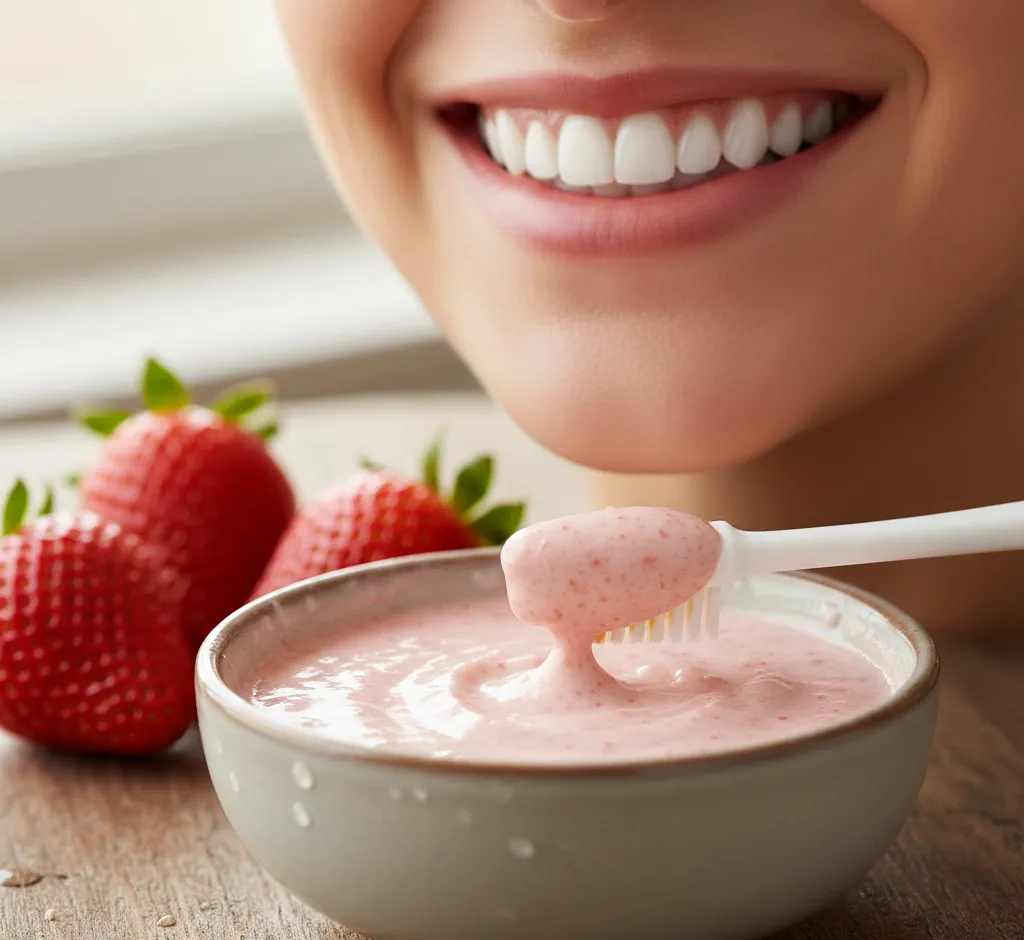
Discovering natural ways to enhance your smile can transform your daily routine into a delightful experience. Strawberry paste stands out as a popular, fruit-based remedy for teeth whitening, leveraging the power of nature's ingredients to gently remove surface stains. This method has gained traction among those seeking alternatives to chemical-heavy treatments, offering a fresh approach to oral care.
The Science Behind Strawberry's Whitening Power
Strawberries pack a punch when it comes to natural whitening due to their rich content of malic acid, a natural enzyme that acts as a mild astringent. This acid helps break down and dissolve surface stains caused by everyday culprits like coffee, tea, and red wine, without the harshness of synthetic bleaches. While the concentration of malic acid in strawberries is lower than in professional products, consistent use can lead to noticeable improvements in tooth brightness over time.
Research and anecdotal evidence suggest that malic acid not only exfoliates the enamel but also promotes a cleaner mouth environment by mildly inhibiting bacterial growth. Combined with other natural elements, such as baking soda, the paste creates a gentle abrasive action that polishes teeth effectively. However, it's essential to understand that this method targets extrinsic stains rather than intrinsic discoloration deep within the tooth structure.
Studies have explored fruit extracts like those from strawberries for their potential in dental bleaching, showing promising antimicrobial and stain-removing properties. This makes strawberry paste a multifaceted tool for oral health, appealing to eco-conscious individuals who prefer plant-based solutions.
How to Prepare and Use Strawberry Paste at Home
Creating your own strawberry paste is straightforward and requires minimal ingredients, turning your kitchen into a DIY spa. Start by selecting ripe, fresh strawberries to ensure maximum potency of the active compounds. The basic recipe involves mashing one or two strawberries into a pulp and mixing it with a half teaspoon of baking soda to form a smooth paste.
To apply, gently brush the paste onto your teeth using a soft toothbrush or your finger, covering all surfaces evenly. Leave it on for 5 to 10 minutes to allow the acids to work their magic, then rinse thoroughly with water and follow up with your regular toothpaste. This process can be done 1-2 times a week for optimal results without overexposure to acidity.
- Wash and hull fresh strawberries.
- Mash them in a small bowl until juicy.
- Add baking soda gradually while stirring to achieve paste consistency.
- Apply and wait, then rinse and brush as usual.
For variations, some incorporate a dash of coconut oil for added moisture or hydrogen peroxide for enhanced whitening, but always dilute to avoid irritation. Patience is key; visible changes may appear after a few applications, rewarding your efforts with a naturally brighter smile.
Benefits of Choosing Strawberry Paste for Whitening
One of the primary advantages of strawberry paste is its accessibility—strawberries are affordable, seasonal delights available at most grocery stores. This natural remedy avoids the potential side effects of over-the-counter whiteners, such as tooth sensitivity or gum irritation, making it suitable for sensitive teeth. The fruity flavor also turns whitening into an enjoyable ritual rather than a chore.
Beyond aesthetics, strawberries contribute vitamins like vitamin C, which supports gum health and overall oral hygiene. Regular use can complement your brushing routine, helping maintain a plaque-free surface that enhances the longevity of your whitening results. Users often report a fresher breath and a subtle polish that boosts confidence in social settings.
In comparison to professional treatments, strawberry paste offers a cost-effective entry point for those new to whitening. It's eco-friendly, reducing reliance on plastic-packaged products, and aligns with sustainable living practices. For families, it's a fun, educational activity that introduces children to natural health hacks early on.
Comparing Strawberry Paste to Other Natural Methods
| Method | Key Ingredient | Frequency | Pros | Cons |
|---|---|---|---|---|
| Strawberry Paste | Malic Acid + Baking Soda | 1-2 times/week | Gentle, tasty, affordable | Messy, temporary results |
| Baking Soda Alone | Sodium Bicarbonate | 2-3 times/week | Strong abrasive, easy | Dry texture, enamel risk |
| Oil Pulling | Coconut Oil | Daily | Detoxifying, no acidity | Time-consuming, subtle effects |
| Activated Charcoal | Charcoal Powder | 1 time/week | Absorbs stains quickly | Abrasive, staining risk |
As shown, strawberry paste strikes a balance between effectiveness and gentleness, making it a versatile choice in your oral care arsenal.
Potential Risks and Precautions
While natural, strawberry paste isn't without caveats; its acidity can erode enamel if overused, leading to increased sensitivity. Those with pre-existing dental issues, like cavities or receding gums, should consult a dentist before starting. Limit sessions to short durations and avoid daily application to protect your tooth structure.
The sugar content in strawberries might feed oral bacteria if not rinsed properly, potentially counteracting benefits. Always follow up with fluoride toothpaste to remineralize enamel. Pregnant individuals or those with allergies to berries should opt for alternatives to prevent adverse reactions.
Experts recommend combining this method with professional cleanings every six months for comprehensive care. Monitoring your teeth's response is crucial—discontinue if irritation occurs and seek professional advice. By respecting these limits, you harness the paste's perks safely.
Enhancing Results with Lifestyle Tips
To amplify the effects of strawberry paste, integrate habits that prevent new stains from forming. Limit consumption of staining foods and beverages, rinsing your mouth immediately after indulgence. Staying hydrated flushes away debris, while chewing sugar-free gum stimulates saliva production for natural cleansing.
Incorporate crunchy fruits and vegetables like apples and carrots into your diet; their fibrous texture scrubs teeth mechanically. Avoid smoking, as it accelerates discoloration and undermines any whitening efforts. Consistent oral hygiene—brushing twice daily, flossing, and using mouthwash—creates a solid foundation for lasting whiteness.
- Drink through a straw to minimize contact with teeth.
- Brush 30 minutes after acidic foods to protect enamel.
- Schedule dental check-ups for personalized advice.
- Consider natural supplements like calcium for stronger teeth.
These adjustments not only boost your paste's efficacy but also promote holistic dental health, ensuring your smile shines long-term.
Real Stories and Expert Insights
Many enthusiasts share success stories online, noting brighter teeth after weeks of use. One user described immediate polish after a single session, attributing it to the paste's exfoliating action. Dentists acknowledge its mild benefits for surface stains but stress it's no substitute for clinical treatments.
Experts like those from dental associations highlight the importance of moderation, viewing fruit-based remedies as supportive rather than primary solutions. Innovations in natural oral care, including strawberry-infused products, reflect growing interest in this trend. As awareness spreads, more research may validate its role in everyday routines.
Ultimately, strawberry paste embodies the charm of natural beauty—simple, effective, and rooted in wholesome ingredients. Embracing it thoughtfully can lead to a radiant smile that reflects your commitment to health and wellness.