Overcoming Taste Aversion to Plain Water: Practical Strategies That Really Work
Struggle to drink plain water because of its taste? Learn why water can taste bad, how to improve its flavor, retrain your palate, and build simple hydration habits that actually last.
Many people struggle to drink enough plain water, not because they forget, but because they simply do not like the taste. For some, water tastes bland, metallic, bitter or even slightly "off." If this sounds familiar, you are not alone. Taste aversion to plain water is surprisingly common and can have a real impact on your health, energy, and overall well-being.
The good news is that taste is flexible. With the right strategies, you can gradually retrain your palate, adjust your environment, and find ways to stay hydrated that feel natural and enjoyable. This guide explains why water sometimes tastes unpleasant and offers practical, science-informed tactics to help you overcome taste aversion to plain water.
Why Does Plain Water Taste So Bad to Some People?
Before you can change your relationship with water, it helps to understand why it might taste unappealing in the first place. Taste aversion is not a sign of weakness or laziness; it often has biological, environmental, and psychological roots.
1. Individual differences in taste perception
People experience taste differently. Some have more taste buds or are more sensitive to certain flavors, such as bitterness or metallic notes. These individuals, sometimes called "super-tasters," may find plain water unusually intense or unpleasant.
- Heightened sensitivity: Subtle mineral flavors in tap or bottled water can feel strong and off-putting.
- Genetic factors: The same genes that influence how you taste bitter foods like kale or coffee can affect how you perceive water.
2. The role of minerals and water source
Water is rarely just H2O. It usually contains minerals such as calcium, magnesium, iron, and sodium, as well as trace compounds from pipes or the local environment.
- Hard water: High levels of calcium and magnesium can give water a chalky or bitter taste.
- Chlorine and treatment chemicals: Municipal water may carry a swimming-pool-like flavor or smell.
- Pipes and plumbing: Older pipes can add metallic notes or other off-flavors.
Two glasses of water from different homes or cities can taste completely different, even if both are technically safe to drink.
3. Temperature and freshness
Temperature changes how we perceive flavor. Many people dislike room-temperature water but enjoy it when it is very cold. Stagnant or slightly warm water may intensify any unpleasant notes, especially if it has been sitting in a bottle for hours.
- Colder water: Often tastes crisper and masks minor off-flavors.
- Stale water: Water left in open containers can absorb odors from the air or surrounding environment.
4. Learned associations and past experiences
Taste aversion can also develop from negative experiences. If you once drank water that made you sick, or you associate plain water with discomfort (for example, forcing yourself to chug it during a strict diet), your brain may link that flavor with stress or nausea.
Over time, your body learns to "warn" you away from anything resembling that experience. This is a normal survival mechanism, but it can be unhelpful when applied to safe, everyday water.
5. Medications, health conditions, and hormones
Certain medications, medical treatments, and health conditions can distort taste or smell, making water taste metallic, bitter, or simply "wrong." Hormonal changes, pregnancy, or infections can have a similar effect.
- Medications: Some antidepressants, antibiotics, blood pressure drugs, and chemotherapy treatments affect taste.
- Oral health: Gum disease, dry mouth, or infections can change how water feels and tastes.
- Acid reflux: A sour taste in the mouth can clash with the taste of water.
If your taste aversion to water appears suddenly, is strong, or is accompanied by other symptoms, it is wise to speak with a healthcare professional.
Why Hydration Matters, Even If You Dislike Water
Understanding the importance of hydration can motivate you to keep experimenting until you find solutions that work. Your body relies on water to perform nearly every function.
- Regulating body temperature and sweating
- Supporting digestion and nutrient absorption
- Lubricating joints and protecting organs
- Maintaining blood volume and circulation
- Clearing waste products through the kidneys
Mild dehydration can cause headaches, fatigue, difficulty concentrating, and mood changes. Over time, chronic low-level dehydration can strain your kidneys and cardiovascular system.
The goal is not to drink endless glasses of plain water, but to maintain adequate hydration in ways that are sustainable for you. Plain water is usually the simplest, most accessible option, so making peace with it—or finding close alternatives—can make daily hydration far easier.
Step 1: Fix the Water Before You Fix Yourself
Sometimes the problem is not you; it is the water. Improving water quality and flavor can make a dramatic difference before you even start working on your taste habits.
Try different water sources
- Filtered water: Use a pitcher filter, faucet attachment, or under-sink system to reduce chlorine, sediment, and some minerals.
- Bottled water types: Experiment with spring, purified, or mineral water; each has a distinct taste profile.
- Public fountains vs. home: Water at work, the gym, or a café might taste better than your tap at home.
If you notice that one specific source tastes much better, prioritize that source when possible or look for a home filter that reproduces that style of water.
Adjust the temperature
For many people, temperature alone transforms their experience.
- Chilled water: Keep a jug in the fridge so water is always cold and ready.
- Ice cubes: Add ice to dilute stronger flavors and create a crisp mouthfeel.
- Slightly warm water: If cold water bothers your teeth or stomach, try warm or room-temperature water instead.
Make a small "experiment": pour three glasses at different temperatures and notice which one is most comfortable for you.
Use better containers
The bottle or cup you use can subtly change flavor and your emotional response.
- Avoid older plastic: Some plastics can absorb and release odors or flavors over time.
- Try glass or stainless steel: These materials tend to be neutral and preserve freshness.
- Close lids between sips: This keeps water from picking up smells from your environment.
Sometimes simply switching to a sturdy, attractive bottle that you enjoy using makes you more likely to sip regularly.
Step 2: Gently Flavor the Water (Without Overdoing It)
If your goal is to overcome taste aversion to plain water, you do not have to jump directly from zero flavor to completely unflavored. Gradual reduction in added flavors allows your palate to adjust while you stay hydrated.
Infused water with fruits, herbs, and vegetables
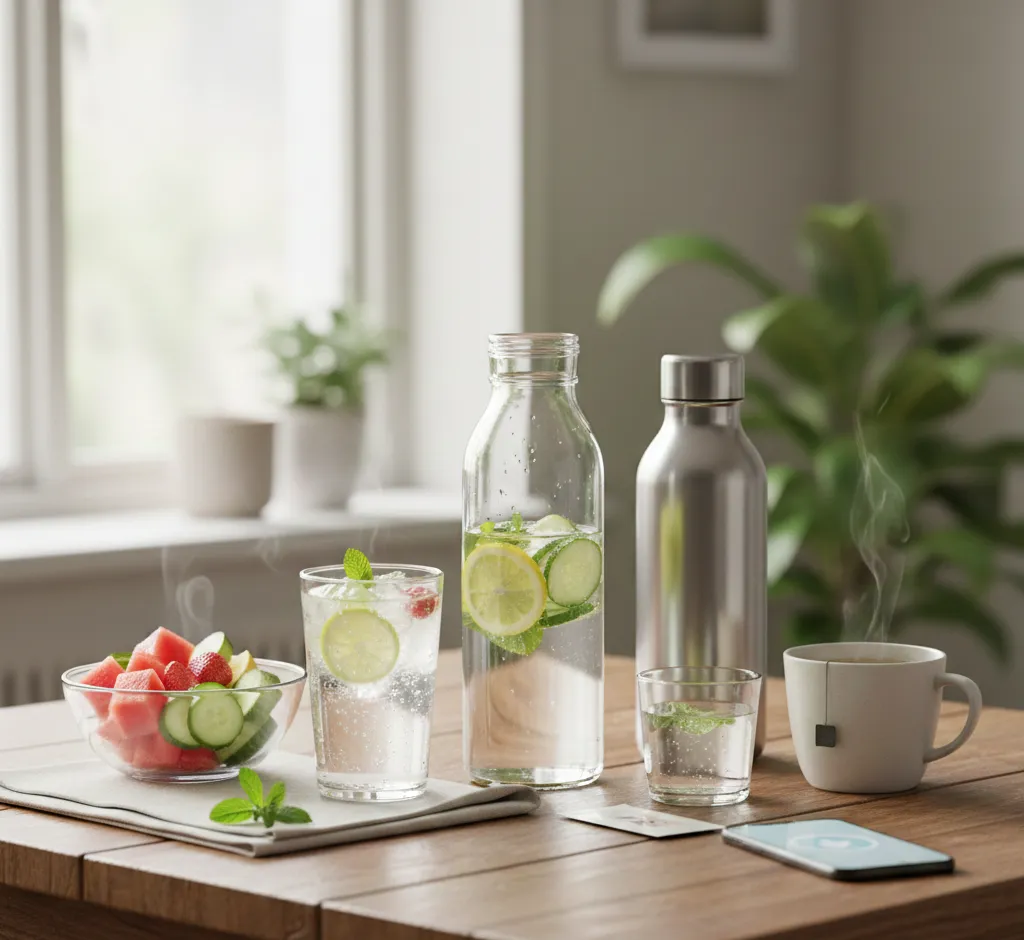
Infused water provides subtle, pleasant flavors without relying on sugar or artificial sweeteners.
- Citrus: Slices of lemon, lime, orange, or grapefruit add a refreshing tang.
- Fruits: Berries, apple slices, watermelon, or pineapple infuse gentle sweetness.
- Herbs: Mint, basil, rosemary, or thyme create a spa-like flavor.
- Vegetables: Cucumber, celery, or a small piece of ginger root give a cool, clean taste.
Start with obvious, recognizable flavors you already enjoy. You can combine options (such as lemon and mint or cucumber and lime) and let the mixture sit in the fridge for a few hours to strengthen the flavor.
Electrolyte and flavor packets (used wisely)
Low-sugar electrolyte powders or drops can improve both flavor and hydration, especially if you sweat a lot or exercise frequently. They should not replace all your plain water intake, but they can help you transition.
- Choose options with limited added sugar and low artificial coloring where possible.
- Use a smaller amount than recommended at first to create only a mild flavor.
- Gradually dilute more over time as you become more comfortable with less flavor.
Carbonated water as a bridge
For some, sparkling water is far more appealing than still water. The bubbles change both the mouthfeel and the perceived flavor.
- Flavored seltzer: Try unsweetened varieties with natural flavors like lime or berry.
- Half-sparkling, half-still: Mix them to soften the bubbles and the flavor intensity.
- Transition plan: Over weeks, slowly increase the proportion of still water if your goal is to enjoy plain water eventually.
If carbonation bothers your stomach or triggers bloating, keep portions small and drink slowly.
Step 3: Retrain Your Palate Gradually
Taste is not fixed. Just as people can learn to appreciate coffee without sugar or enjoy more bitter vegetables, you can train your taste buds to accept and eventually like plain water.
Use a step-down flavor approach
Think of this process as a series of small steps rather than a sudden change.
- Start with water that is comfortably flavored (infused, lightly sweetened, or with an electrolyte packet).
- Every few days, reduce the intensity of the flavor: fewer fruit slices, more water than juice, or less flavor powder.
- Notice when your tongue adapts; what tasted "weak" last week may taste normal now.
- Eventually, keep one or two glasses per day nearly plain, using flavor for the rest if needed.
Gentle progress works better than forcing yourself to drink large volumes of plain water you dislike; that can reinforce your aversion rather than reduce it.
Associate water with positive experiences
The brain links flavors and smells to context. If you only drink water when you feel miserable at the gym or during headaches, you may unconsciously connect it with discomfort. Instead, pair water with neutral or pleasant moments.
- Drink small sips while enjoying a favorite TV show or podcast.
- Keep a glass next to your bed and take a few sips upon waking, before other strong flavors.
- Take a water break during relaxing activities like reading or light stretching.
Over time, your mind can shift from "water equals struggle" to "water is part of my normal, comfortable routine."
Reset your taste environment
Strongly flavored drinks, especially very sweet beverages, can make plain water feel extra dull by comparison. If you constantly drink sodas, juices, energy drinks, or heavily sweetened coffee, your taste baseline may tilt toward intensity.
- Gradually reduce the sweetness of other drinks (less sugar or fewer sweetened beverages overall).
- Rinse your mouth with a sip of water after strong flavors like garlic, coffee, or alcohol.
- Try short "sweetness breaks" where you intentionally prefer water or unsweetened tea for a day or two.
As your palate becomes less accustomed to constant sweetness, water will start to taste cleaner and more refreshing.
Step 4: Make Hydration Practical and Automatic
Even if water starts to taste more acceptable, you still need habits that keep you drinking enough throughout the day. Simple systems often work better than willpower alone.
Set gentle, realistic goals
Many people have heard they "must" drink a specific number of glasses or liters per day. In practice, hydration needs vary by body size, activity level, and climate. Instead of fixating on a rigid number, aim to increase your current intake gradually.
- Add just one extra glass of water per day for a week.
- Once that feels easy, add a second or third glass at different times (morning, lunch, afternoon).
- Use the color of your urine as a rough guide; pale yellow usually signals adequate hydration.
Anchor water to existing routines
Link water to actions you already perform so you do not have to remember it separately.
- One glass after brushing your teeth in the morning and evening.
- A few sips before each meal and snack.
- A small refill each time you return from a bathroom break.
These anchors turn hydration into a natural part of your day instead of a chore.
Use visual and digital reminders
Even with improved taste, busy days can make you forget to drink.
- Keep a water bottle on your desk or in your bag where you can see it.
- Use smartphone reminders or hydration apps to prompt you every couple of hours.
- Mark lines on your bottle to show progress through the day (morning, midday, afternoon).
Celebrate small wins, such as finishing a bottle by lunchtime, to reinforce the habit.
Step 5: Consider Alternatives That Still Hydrate You
Plain water is not your only option. While it is usually the most convenient and calorie-free choice, several other beverages can support hydration when used thoughtfully.
Herbal teas and weakly brewed teas
Herbal teas are essentially flavored water and can be served hot or iced. They offer variety without adding sugar or caffeine.
- Choose gentle flavors like chamomile, peppermint, rooibos, or mild fruit blends.
- Brew them weakly if you are sensitive to strong tastes.
- Leave them unsweetened or barely sweetened to avoid retriggering a preference for intense sweetness.
Broths and light soups
Vegetable, chicken, or bone broth contributes to hydration while offering warmth and savory flavor, especially in colder seasons.
- Opt for low-sodium versions to avoid excess salt intake.
- Use broth as a complement, not a complete replacement for water.
Water-rich foods
Some of your fluid intake can come from foods that naturally contain a lot of water.
- Fruits such as watermelon, oranges, strawberries, and grapes
- Vegetables such as cucumbers, tomatoes, lettuce, and celery
- Plain yogurt or lightly flavored yogurt with minimal added sugar
While these do not replace the need for beverages entirely, they can make staying hydrated feel less dependent on drinking plain water.
When Taste Aversion to Water May Signal a Bigger Issue
Most of the time, disliking plain water is simply a matter of taste and habit, and the strategies above are enough to make progress. However, in some cases, persistent aversion can point to other issues.
Warning signs to watch for
- Sudden, strong aversion to water that appears without clear reason
- Changes in taste or smell for many foods, not just water
- Ongoing nausea, vomiting, or digestive problems
- Dry mouth that does not improve with drinking
- Signs of dehydration such as dizziness, confusion, or very dark urine
If you notice these symptoms, speak with a healthcare professional or dentist. They can check for underlying conditions, medication side effects, or oral health problems that might be affecting your taste.
Putting It All Together: A Sample One-Week Plan
To show how these ideas can work in real life, here is an example of a simple, gentle one-week plan for someone who dislikes plain water.
Day 1–2: Improve the starting point
- Switch to filtered, chilled water in a glass or stainless-steel bottle.
- Add slices of lemon and cucumber for light flavor.
- Aim for one extra glass per day, anchored after brushing your teeth.
Day 3–4: Begin reducing added flavor
- Use fewer lemon slices and more plain water.
- Replace one sweetened drink (such as soda or juice) with lightly flavored water or herbal tea.
- Take small sips of water during one enjoyable activity (like reading or watching a show).
Day 5–7: Introduce nearly plain water moments
- Choose one time per day (for example, right after waking) to drink a small glass of almost plain water, maybe with just a single citrus slice.
- Keep flavored options for the rest of the day so you do not feel deprived.
- Notice any changes: Does water taste slightly less unpleasant? Are you thinking about it with less resistance?
This is just a starting template. You can slow it down or repeat steps as needed. The key is consistent, low-pressure exposure rather than forcing yourself to gulp down water you hate.
Key Takeaways
- Taste aversion to plain water is common and can stem from genetics, water quality, temperature, past experiences, or health factors.
- Improving the water itself—through filtration, temperature, and better containers—often makes a noticeable difference.
- Gentile flavoring with fruits, herbs, or light electrolytes can help bridge the gap as you retrain your palate.
- Gradual habit-building, paired with positive associations, is more effective than strict rules or forcing large amounts.
- Alternative beverages and water-rich foods can support hydration while you work on your relationship with plain water.
- If aversion is sudden, severe, or accompanied by other symptoms, consult a healthcare professional.
Overcoming taste aversion to plain water is not about perfection. It is about making small, sustainable changes that fit your life, help you feel better, and support your health in the long term. With patience and experimentation, you can find a way to stay hydrated that feels comfortable and natural for you.