Precision Tip Soleplates: The Secret to Detailed Home Ironing
Discover how precision tip soleplates transform detailed home ironing, from crisp collars and cuffs to perfect pleats, with better steam control and fabric care.
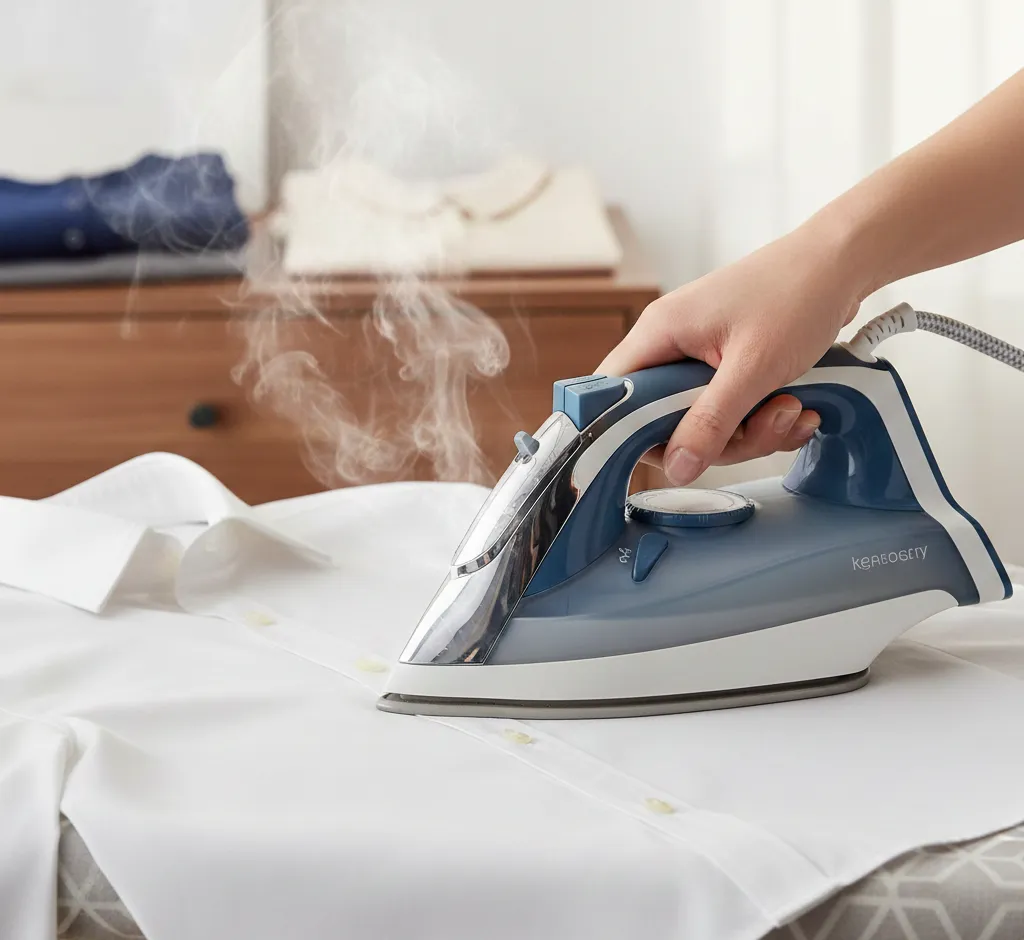
Precision tip soleplates have transformed everyday home ironing from a frustrating chore into a much more accurate and efficient fabric care task. These specially shaped iron tips are designed to reach tight spaces, follow complex seams, and smooth out wrinkles in areas that standard, blunt iron noses simply cannot reach. When combined with a high-quality soleplate material and effective steam distribution, a precision tip can dramatically improve how clothes, linens, and home textiles look after ironing.
For anyone who regularly irons shirts, dresses, children’s clothes, or detailed garments with pleats and ruffles, the difference between a basic iron and one with a precision tip soleplate is immediately noticeable. A targeted nose lets the iron glide neatly between buttons, around collars and cuffs, and along dart lines without dragging excess fabric or creating new creases. In this way, precision tip soleplates bring professional-style finishing to a typical home laundry routine and help garments maintain a crisp, polished look for longer.[web:1][web:3]
What Is a Precision Tip Soleplate?
A precision tip soleplate is an iron baseplate that narrows into a finely shaped, tapered front section. This pointed nose is engineered for improved control when working close to seams, edges, and other detailed areas that demand accuracy, instead of the wide, rounded front found on many basic irons. The rest of the soleplate can remain broad for fast coverage, but the refined tip adds an extra level of maneuverability during detailed work.[web:1][web:3]
In many modern steam irons, the precision tip is paired with carefully arranged steam holes that extend toward the front of the soleplate rather than stopping in the middle. By placing steam openings all the way up to the tip, manufacturers ensure that wrinkle-removing steam is available exactly where it is needed—at the edges of collars, between buttons, or along the folds of pleats. This combination of shape and steam design is what separates true precision tip soleplates from standard designs that only approximate fine control.[web:1][web:9]
Why Precision Tips Matter for Home Ironing
In a typical home, people rarely iron only flat, simple fabrics; instead, they tackle shirts with complex yokes, dresses with gathered waists, trousers with sharp creases, and delicate items that require special handling. A precision tip helps align the iron exactly where pressure and steam are needed while keeping the surrounding fabric relaxed and uncreased. This targeted approach minimizes the risk of imprinting seam allowances, folding extra layers unintentionally, or leaving faint shine marks along edges.[web:1][web:11]
Because the tip can slip neatly into tight spaces, overall ironing time often decreases. Rather than repositioning garments repeatedly to force a standard iron into an awkward angle, a precision tip can reach into corners and around details in a single smooth pass. Owners who switch from older, blunt-nosed irons often report that they can finish a pile of shirts more quickly and with fewer touch-up passes when using a tool that combines a tapered tip, even heat, and consistent steam distribution.[web:1][web:9]
Key Design Features of Precision Soleplates
Tapered Nose and Edge Contours
The most visible characteristic of a precision tip soleplate is the narrow, elongated nose. The front edges are usually refined and slightly raised or beveled so they glide over buttons and seams rather than catching on them. This shape is particularly valuable on plackets, pocket edges, and around decorative details where a bulkier iron edge would struggle.[web:1][web:3]
Some irons integrate subtle variations of the classic pointed shape, such as multi-directional designs or U-shaped contours that allow users to move the iron forward or backward with equal ease. These shapes expand the effective range of the precision tip, making it easier to iron in tight spaces without constantly lifting and turning the iron, which contributes to smoother fabric and fewer new wrinkles during handling.[web:1][web:4]
Soleplate Materials and Glide
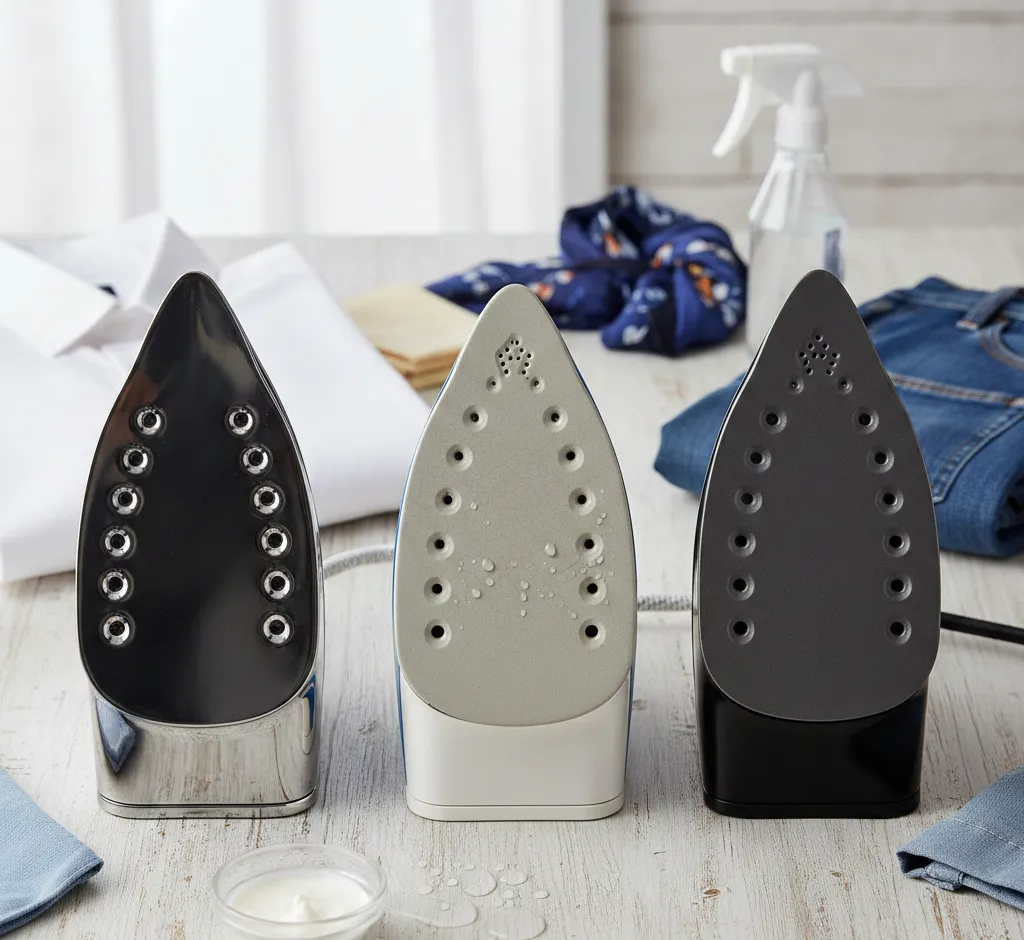
The effectiveness of a precision tip depends not only on its shape but also on the material and surface treatment of the soleplate. Common materials include stainless steel, ceramic-coated plates, and various non-stick finishes. Stainless steel plates are known for durability, fast heating, and excellent glide when properly maintained, which helps the narrow tip move smoothly without pulling fabric.[web:1][web:11]
Ceramic or specially coated plates can offer gentler contact with delicate fabrics and may reduce the risk of scorching or shine on sensitive fibers. Non-stick coatings are particularly beneficial when ironing synthetics or fabrics treated with stabilizers and adhesives, because they reduce the chance of residue bonding to the tip and compromising glide. Choosing the right material ensures that the precision tip delivers control without sacrificing smooth movement and even heat.[web:1][web:11]
Steam Hole Layout at the Tip
Steam delivery is a critical component of modern ironing, and precision tip soleplates typically use carefully placed steam holes near the nose to target small, stubborn creases. When steam holes extend all the way to the tip, the iron can relax fibers at the exact point of contact, allowing a gentle press to smooth areas that might otherwise require multiple passes or higher temperatures.[web:1][web:9]
Some high-end irons feature dense arrays of micro steam holes across the plate, including the precision tip, to promote uniform steam distribution and faster wrinkle removal. This design reduces the total time the fabric needs to remain under direct heat, lowering the chance of surface shine or damage. For home users, this translates into quicker ironing sessions and better results on both natural and synthetic fabrics.[web:1][web:9]
Benefits for Detailed Garment Care
Perfecting Collars, Cuffs, and Plackets
Collars and cuffs are often the first parts of a garment that other people notice, and they also tend to show wear and wrinkles more easily. A precision tip can slide under collar points, along the edge of cuffs, and between placket layers to create sharp, clean lines without flattening the entire area excessively. This helps shirts and blouses retain a tailored, professional appearance even after a full day of wear.[web:1][web:11]
On dress shirts, the narrow tip is especially helpful for ironing around button stitching and along the buttonholes themselves. Instead of pressing directly onto buttons, which can risk damage or cause indentations, the tip works between them to smooth fabric. As a result, pressing time for the front of a shirt decreases, and the finished look appears more consistent from top to bottom.[web:1][web:11]
Smoothing Seams, Darts, and Pleats
Garments with contoured shapes rely on darts, princess seams, pleats, and tucks to follow the body. These design lines demand precise pressing, especially during sewing or alterations, but they also matter in everyday garment maintenance. A precision tip soleplate allows users to press these areas from both sides, opening or setting seams and pleats without crushing surrounding fabric.
Because the tip can be positioned exactly on a seam or fold, it is easier to maintain crisp pleats on skirts, trousers, and uniforms. The user can press along a single line without accidentally softening adjacent pleats. Over time, this attention to detail helps garments maintain their intended shape and enhances the perceived quality of both casual and formal outfits.[web:1][web:11]
Caring for Delicate and Structured Fabrics
Precision tip soleplates are particularly useful on delicate fabrics such as silk, chiffon, and fine synthetics where broad, heavy contact can leave marks. By relying on the pointed nose and controlled steam instead of full-plate pressure, users can gently ease wrinkles out of sensitive areas while protecting the rest of the garment. This is especially valuable for clothing with lace trims, appliqués, or decorative stitching.
Structured garments such as blazers, tailored dresses, and school uniforms also benefit from pinpoint pressing. A precision tip can define lapel edges, shape pocket flaps, and sharpen center creases on trousers without flattening the entire panel. These subtle finishing touches give garments a cleaner silhouette that communicates care and professionalism.[web:1][web:11]
How to Use a Precision Tip Soleplate Effectively
Preparation and Setup
To get the most from a precision tip iron, begin by sorting garments according to fabric type and recommended temperature settings. Fill the water tank with clean water suitable for the manufacturer’s guidelines to support consistent steam production. Preheating the iron to the appropriate level ensures that both the broad soleplate and the narrow tip reach stable temperature, reducing the risk of uneven results.[web:4][web:11]
An ironing board with a stable, padded surface provides the necessary support for detailed work. When setting up, ensure that the garment is spread smoothly so the precision tip can navigate without catching on folds. Good lighting also helps, because it makes it easier to see seam lines, pleats, and fine details that need targeted attention.
Techniques for Detailed Areas
When working around buttons, guide the precision tip so it travels between them rather than over them, using small, controlled strokes. Allow steam from the tip area to relax the fibers, then apply light pressure to set the fabric in place. For collars and cuffs, press the underside first to smooth the base fabric, then refine the visible edge using the pointed nose to define sharp lines.[web:1][web:4]
For pleats and darts, use the precision tip to follow the exact fold line, moving from the base toward the edge in one continuous motion where possible. If the fabric is delicate, reduce temperature and rely more heavily on steam rather than weight. Working slowly and deliberately around structured seams ensures that the garment retains its intended shape without new wrinkles forming nearby.
Care and Maintenance of the Soleplate
Maintaining a clean, smooth soleplate is essential for preserving the advantages of a precision tip. Residue from starches, fusible interfacing, or synthetic fibers can accumulate on the tip and reduce glide, especially around tight corners and edges. Regularly wiping the cooled plate with a recommended cleaner or a soft cloth keeps the surface pristine and prevents fabric snags.[web:1][web:11]
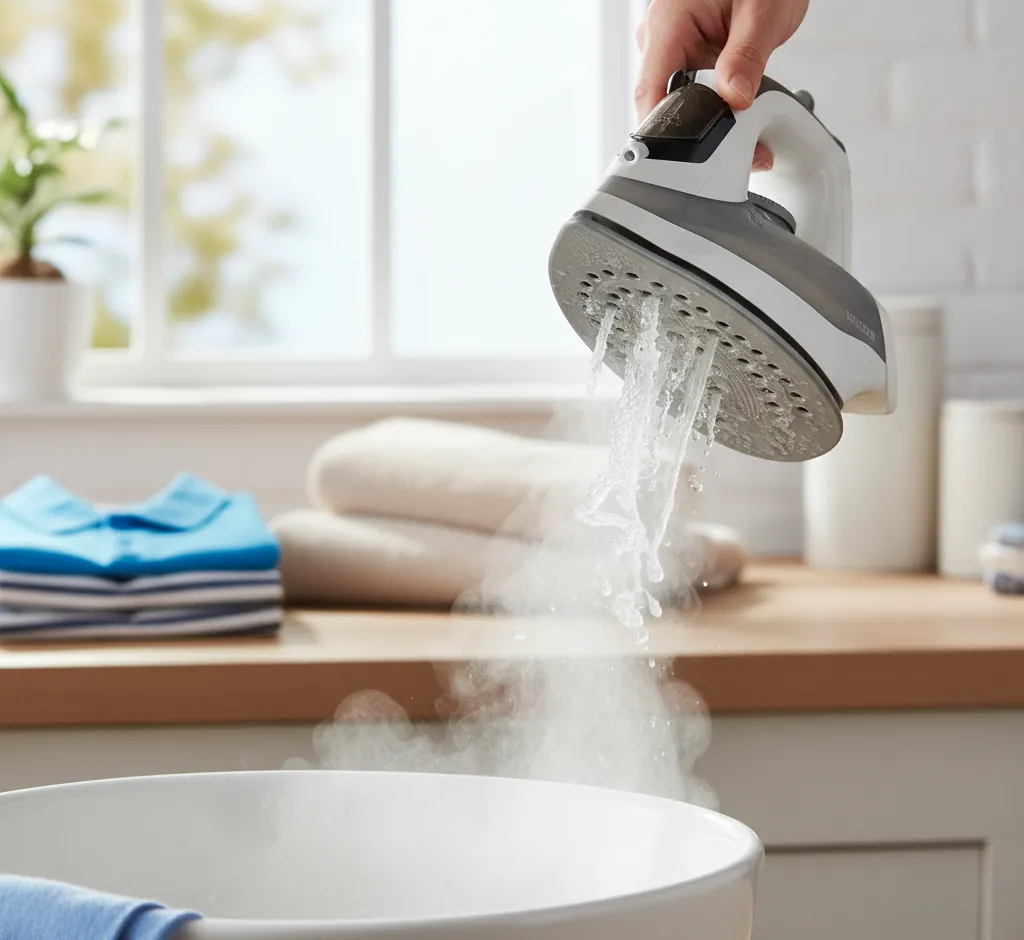
Many irons include self-cleaning functions or recommend periodic descaling to protect steam vents, including those near the tip. Keeping these openings clear allows steam to flow freely during detailed work. Using garments at the correct temperature and avoiding extended contact on sensitive fabrics also helps prevent discoloration or damage to the soleplate’s coating over time.[web:1][web:7]
Choosing the Right Precision Tip Iron for Your Home
Matching Soleplate Type to Your Fabrics
When selecting an iron with a precision tip soleplate, consider the fabrics you iron most frequently. For households that handle a wide mix of cotton, linen, and denim, a durable stainless steel plate with strong steam output and a sharp nose can be a practical choice, delivering both speed and control. For wardrobes dominated by delicate or synthetic items, a ceramic or non-stick coated soleplate may provide gentler contact and reduced risk of shine.[web:1][web:11]
It is also helpful to evaluate how the precision tip feels in actual use. Some users prefer a very slender, elongated nose for intricate garment details, while others favor a slightly broader tip that balances fine control with faster coverage. Reading product specifications about soleplate shape, steam hole layout, and total wattage can provide clues about how an iron will perform in a particular home setting.[web:3][web:7]
Additional Features That Complement Precision Soleplates
Several additional features enhance the usefulness of a precision tip soleplate in everyday ironing. Consistent high steam output, vertical steaming capability, and an effective anti-drip system all help maintain smooth, mark-free results, especially at lower temperatures. Auto shut-off functions offer peace of mind by turning the iron off after periods of inactivity, which is valuable when focusing on detailed work that might involve frequent pauses.[web:3][web:7]
Comfort features like an ergonomic handle, balanced weight, and a long, flexible cord or cordless design also influence how easy it is to maneuver the precision tip around complex garment shapes. Large, clearly labeled controls for temperature and steam levels make it simpler to adjust settings as you move from heavy fabrics to lightweight pieces. When combined with a well-designed precision soleplate, these elements contribute to a smoother, safer, and more satisfying ironing experience at home.[web:4][web:9]
Integrating Precision Tip Ironing into Your Routine
Once accustomed to using a precision tip soleplate, many people find that they naturally change the order in which they iron garments. Instead of starting with broad panels, they often begin with detailed areas—collars, cuffs, plackets, seams—and then finish with larger sections using the full plate. This sequence takes full advantage of the precision tip’s ability to manage complex zones so that the final passes over larger areas do not disturb previously polished details.[web:1][web:11]
Over time, the consistency delivered by a precision tip can extend the life of garments by reducing repeated, aggressive pressing and minimizing accidental damage to delicate parts. Clothing looks more refined, uniforms remain crisp, and special outfits maintain their structure and appeal. For many households, investing in a quality iron with a well-designed precision tip soleplate proves to be one of the most effective ways to elevate everyday fabric care without requiring advanced skills or professional equipment.[web:1][web:9]