Preventing Cavities with Proper Brushing Habits: A Complete Guide
Learn how to prevent cavities with proper brushing habits. Discover the best techniques, tools, and daily routines to protect your teeth, strengthen enamel, and maintain a healthy smile.
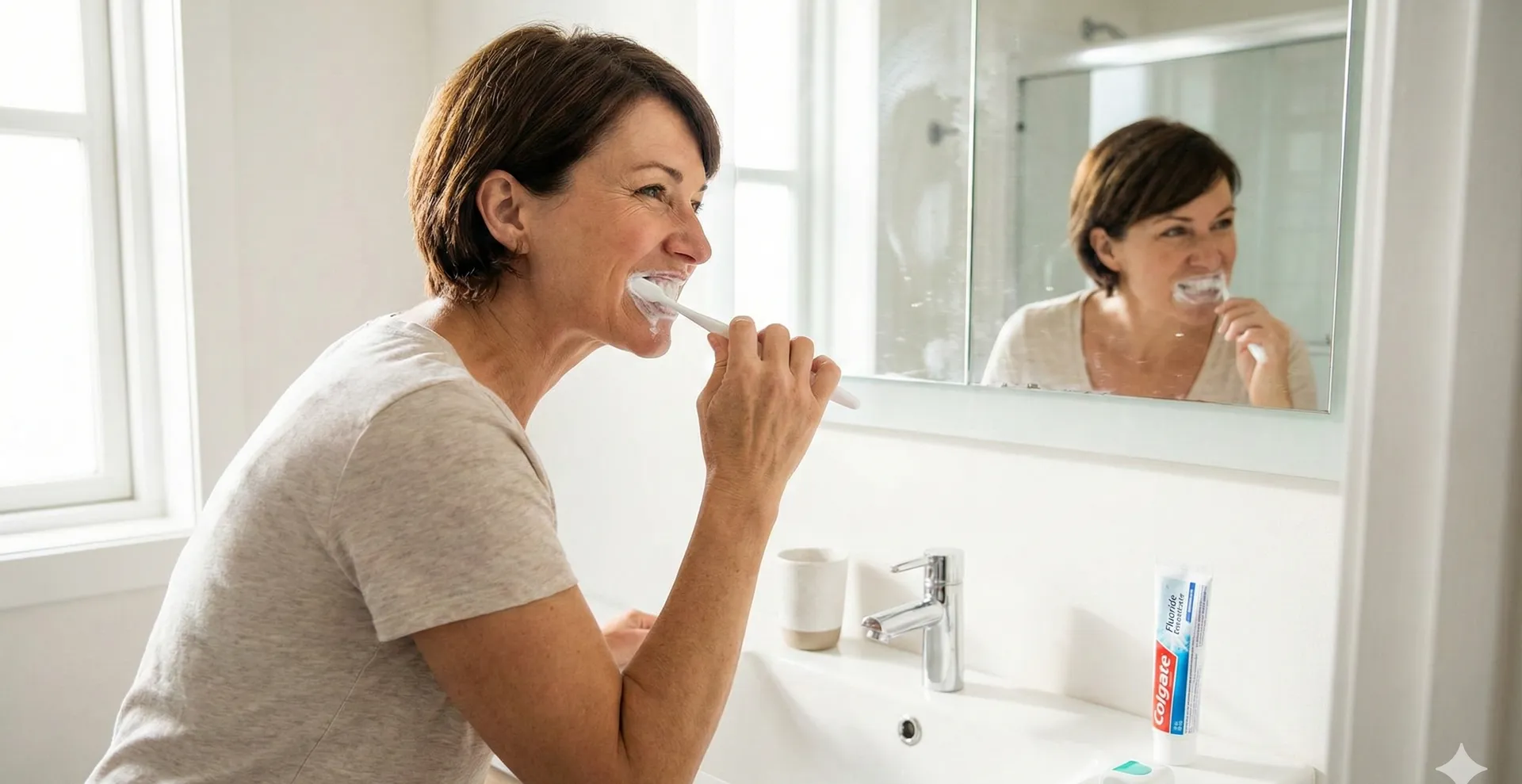
Tooth decay is one of the most common chronic health problems in the world, yet it is also one of the most preventable. While diet and regular dental visits matter, your daily brushing habits are the foundation of strong, healthy teeth. Brushing is more than just a quick swipe with a toothbrush—it is a technique, a routine, and a set of small decisions that together determine whether cavities develop or not.
This guide explains how cavities form, how proper brushing habits can prevent them, and what exactly you should do every day to protect your smile. Whether you want to improve your own oral hygiene or teach your children the right way to brush, the evidence-based tips below will help you build a cavity-fighting routine that actually works.
How Cavities Form and Why Brushing Matters
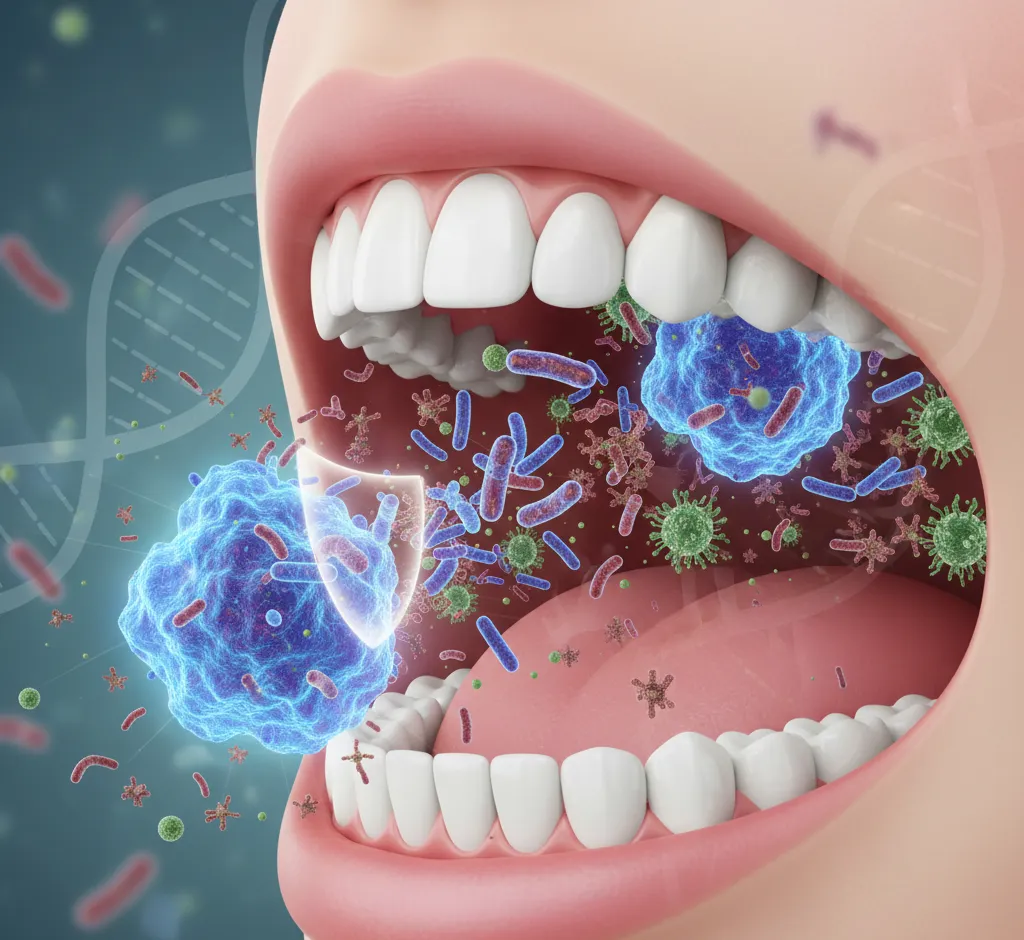
Cavities, also known as dental caries, develop when the hard surface of a tooth is damaged by acids. These acids come from bacteria that live in dental plaque—a sticky, colorless film that constantly forms on teeth. When you eat sugary or starchy foods, the bacteria in plaque use those carbohydrates as fuel and produce acids as a byproduct.
Over time, repeated acid attacks weaken the enamel, the outer protective layer of the tooth. If not interrupted, the process continues into the deeper layers, eventually creating a hole or cavity. At this point, professional dental treatment is required to restore the tooth.
Proper brushing habits disrupt this process in several ways:
- Removing plaque: Brushing physically removes the plaque where cavity-causing bacteria live.
- Delivering fluoride: Fluoride toothpaste strengthens enamel, making it more resistant to acid attacks.
- Reducing bacteria: Thorough cleaning lowers the number of harmful bacteria in the mouth.
- Protecting gum health: Clean teeth support healthy gums, which help protect the roots of your teeth.
In short, effective brushing interrupts the chain of events that leads from plaque to acid to cavities.
The Foundations of Proper Brushing Habits
Good brushing is not just about the tools you use; it is about how consistently and correctly you use them. These fundamentals form the basis of an effective cavity-prevention routine.
Brush at least twice a day
The widely recommended standard is to brush your teeth at least twice a day—once in the morning and once before bed. Night-time brushing is especially important because saliva flow decreases while you sleep. Saliva helps neutralize acids and wash away food particles; without it, your teeth are more vulnerable to decay.
For people at higher risk of cavities (for example, those with frequent snacking habits, dry mouth, or orthodontic appliances), brushing a third time during the day may offer extra protection.
Brush for a full two minutes
Many people underestimate how long they actually brush. A quick 30-second scrub is rarely enough to remove plaque from all tooth surfaces. Aim for a full two minutes each time you brush.
A simple way to stay on track is to divide your mouth into four sections (upper right, upper left, lower right, lower left) and spend about 30 seconds on each. Some electric toothbrushes include built-in timers and quadrant alerts to help you keep pace.
Use a fluoride toothpaste
Fluoride is one of the most effective ingredients for preventing cavities. It strengthens enamel, helps repair early damage, and makes teeth more resistant to future acid attacks.
- Choose a toothpaste that clearly states it contains fluoride.
- For adults, a standard fluoride concentration is typically sufficient, unless a dentist recommends a higher-strength prescription toothpaste.
- For children, follow age-specific fluoride recommendations and use a smaller amount of toothpaste.
Choosing the Right Toothbrush
The toothbrush you use matters. The wrong type can be less effective or even damage your gums and enamel over time.
Soft bristles are best
Always choose a toothbrush with soft bristles. Hard or even medium bristles can wear down enamel and irritate gums, especially when combined with aggressive brushing. Soft bristles are gentle but effective at removing plaque when used with proper technique.
Manual vs. electric toothbrushes
Both manual and electric toothbrushes can be effective, but electric models offer some advantages, especially for people who find it difficult to brush thoroughly.
- Manual toothbrushes: Affordable, widely available, and perfectly capable of cleaning teeth when used with good technique.
- Electric toothbrushes: Often more efficient at plaque removal, especially those with oscillating-rotating or sonic movements. They typically include timers and may be easier for children, older adults, or people with limited dexterity.
The best choice is the toothbrush you will use consistently and correctly. If unsure, ask your dentist or hygienist for personalized recommendations.
Toothbrush size and handle design
The head of the toothbrush should be small enough to reach all areas of the mouth, including the back molars. A compact head is usually more maneuverable than an oversized one. The handle should feel comfortable in your hand and offer a non-slip grip, particularly for children or anyone with reduced hand strength.
Step-by-Step Brushing Technique
Using the right technique is just as important as brushing for the right amount of time. This step-by-step method is recommended by many dental professionals and is designed to clean all surfaces while protecting enamel and gums.
1. Position the toothbrush correctly
Place the toothbrush at a 45-degree angle to the gumline. This angle helps the bristles reach slightly under the gums where plaque tends to accumulate.
2. Use small, gentle motions
Instead of scrubbing back and forth aggressively, use short, gentle strokes or tiny circular motions. Focus on a few teeth at a time, gradually moving around the mouth.
- Outer surfaces: Clean the front-facing surfaces of your upper and lower teeth.
- Inner surfaces: Tilt the brush vertically behind the front teeth and make up-and-down strokes to reach the inner surfaces.
- Chewing surfaces: Use a gentle scrubbing motion on the biting surfaces of molars and premolars.
3. Cover every area systematically
A structured routine helps ensure no area is missed. For example, start with the upper right outer surfaces, move to the upper front and left, then switch to the lower teeth, and finish with the inner surfaces and chewing surfaces.
Pay special attention to the gumline, the back teeth (where cavities often develop first), and any teeth that are crooked or crowded.
4. Do not forget the tongue and cheeks
Bacteria also live on the tongue and inside cheeks. Gently brushing your tongue and the inside of your cheeks can help reduce the overall bacterial load and improve breath. Some toothbrushes have a tongue-cleaning surface on the back of the head, or you can use a dedicated tongue scraper.
5. Rinse strategically
After brushing, many people rinse vigorously with water. However, this can wash away much of the fluoride left by the toothpaste. For better cavity protection, you can:
- Spit out the foam but avoid rinsing with large amounts of water.
- Alternatively, rinse with a fluoride mouthwash instead of plain water, if recommended by your dentist.
How Much Toothpaste Should You Use?
The amount of toothpaste matters more than many people realize, especially for children.
- Adults and teenagers: Use a pea-sized amount of fluoride toothpaste.
- Children aged 3–6 years: Use a pea-sized amount and supervise brushing to ensure they spit it out.
- Children under 3 years: Use only a smear or rice-grain-sized amount, and ask your pediatric dentist for guidance.
Using more toothpaste does not clean teeth better; it simply creates more foam and increases the risk of swallowing too much fluoride, particularly in younger children.
Brushing Habits That Can Damage Teeth
Some common brushing habits can actually harm teeth and gums, even if they are well-intentioned. Avoiding these mistakes helps you get the benefits of brushing without unwanted side effects.
Brushing too hard
Pressing too firmly or using a harsh scrubbing motion can wear down enamel and cause gum recession over time. Signs of overbrushing include sensitivity near the gumline, notches at the necks of teeth, and receding gums.
Think of brushing as a gentle massage rather than heavy scrubbing. Let the bristles do the work; you only need light pressure.
Brushing immediately after acidic foods or drinks
Acidic foods and drinks, such as citrus fruits, sports drinks, and fizzy sodas, temporarily soften the enamel. Brushing immediately afterward can remove the softened layer more easily, gradually thinning the enamel.
It is best to wait about 30 minutes after consuming acidic items before brushing. During this time, drink water, rinse your mouth, or chew sugar-free gum to help neutralize acids and stimulate saliva.
Using an old, worn toothbrush
Frayed or flattened bristles cannot effectively remove plaque and may be harsher on gums. Replace your toothbrush—or the head of your electric toothbrush—every three to four months, or sooner if the bristles look worn.
Integrating Brushing into a Complete Cavity-Prevention Routine
Brushing is essential, but it works best as part of a broader oral care routine. Combining proper brushing habits with other simple steps multiplies the protective effect.
Flossing daily to clean between teeth
Toothbrush bristles cannot fully reach the tight spaces between teeth, where plaque frequently accumulates and cavities often form. Flossing removes plaque and food debris from these areas, protecting both teeth and gums.
- Use traditional floss, floss picks, or interdental brushes—whichever you are most likely to use consistently.
- Floss once a day, ideally before brushing at night so fluoride can reach freshly cleaned surfaces.
Using fluoride or antibacterial mouthwash
A fluoride mouthwash can provide additional enamel protection, while some mouthwashes contain antibacterial agents that help reduce plaque. Not everyone needs mouthwash, but it can be especially helpful for people at higher risk of cavities or gum disease.
Always follow the directions on the label and speak with your dentist before adding a new mouth rinse, particularly for children.
Limiting sugary and acidic foods and drinks
Diet and brushing are closely linked. Even perfect brushing habits cannot fully offset a highly sugary or acidic diet. To reduce cavity risk:
- Limit frequent snacking, especially on sweets, dried fruit, crackers, and chips.
- Reduce sugary drinks such as soda, energy drinks, sweetened teas, and juices.
- Drink water regularly, particularly fluoridated tap water if available in your area.
- Have sweets with meals rather than as constant snacks throughout the day.
Seeing your dentist regularly
Regular checkups and professional cleanings allow your dental team to detect early signs of cavities, remove hardened plaque (tartar), and provide personalized preventive advice. Even with excellent home care, most people benefit from dental visits every six months, or more frequently if recommended.
Teaching Children Proper Brushing Habits
Establishing good brushing habits early helps children avoid cavities and sets them up for a lifetime of healthier teeth. Young children need supervision and support as they develop the coordination and understanding needed for effective brushing.
Start early
Oral hygiene begins before the first tooth appears. Caregivers can gently clean a baby’s gums with a soft, damp cloth once or twice a day. Once the first tooth erupts, switch to a small, soft-bristled toothbrush designed for infants.
Supervise and assist brushing
Children usually need help or supervision with brushing until around age 7 or 8, when they can reliably clean all areas of the mouth on their own. During this learning period:
- Demonstrate proper technique and have children mimic your motions.
- Guide their hand on the toothbrush to help them feel the right pressure and movements.
- Use a timer or a two-minute song to make sure brushing lasts long enough.
Make brushing fun and engaging
Brushing does not have to be a chore. Turning it into a positive habit increases the chances that children stick with it as they grow. You can:
- Let children choose a toothbrush with their favorite color or character (as long as it has soft bristles).
- Use a reward chart to celebrate consistent brushing, especially morning and night.
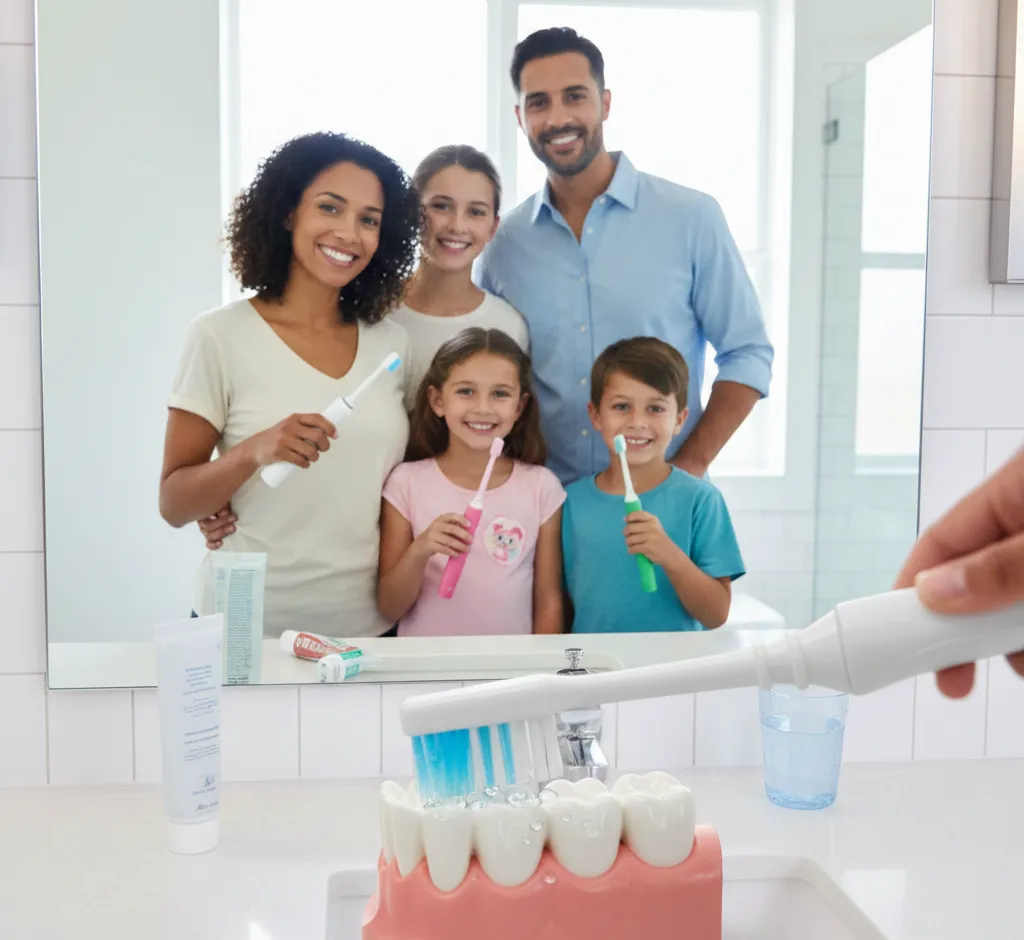
- Brush together as a family so children see positive role models in action.
Special Considerations for Higher-Risk Groups
Some people face a greater risk of cavities due to health conditions, medications, or lifestyle factors. Proper brushing habits are even more critical for these groups, often requiring a few extra adjustments.
Dry mouth (xerostomia)
Saliva helps neutralize acids, wash away food particles, and supply minerals that protect enamel. When saliva flow is reduced—due to certain medications, medical treatments, or health conditions—cavity risk increases significantly.
For people with dry mouth:
- Brush gently but thoroughly with fluoride toothpaste at least twice daily.
- Ask your dentist about high-fluoride toothpaste or fluoride varnish treatments.
- Sip water frequently and consider saliva substitutes or sugar-free gum to stimulate saliva.
Braces and orthodontic appliances
Braces and other fixed appliances create many small spaces where plaque and food particles can become trapped. This makes meticulous oral hygiene essential.
- Use an orthodontic or electric toothbrush to help clean around brackets and wires.
- Consider interdental brushes, floss threaders, or water flossers for cleaning between teeth and around brackets.
- Brush after every meal, if possible, to prevent plaque buildup around orthodontic hardware.
Limited dexterity or mobility
For older adults or anyone with limited hand strength or coordination, electric toothbrushes can make effective brushing easier. Larger-handled brushes, grip aids, or custom adaptations may also help.
Caregivers may need to assist with brushing, especially in nursing home settings or for anyone who cannot manage oral hygiene independently. In these cases, gentle technique and consistent routines are critical for cavity prevention and overall comfort.
Putting It All Together: A Simple Daily Brushing Routine
Preventing cavities with proper brushing habits does not have to be complicated. Here is an example of a straightforward daily routine that integrates all the key points discussed above:
- Morning:
- Brush for two minutes with a soft-bristled toothbrush and fluoride toothpaste.
- Use gentle, small motions at a 45-degree angle to the gums, covering all surfaces.
- Gently brush the tongue and spit out the toothpaste without excessive rinsing.
- Daytime:
- Rinse with water after meals, especially after sugary or acidic foods.
- Chew sugar-free gum if recommended, to stimulate saliva.
- Evening:
- Floss between all teeth to remove plaque and food debris from tight spaces.
- Brush again for two minutes with fluoride toothpaste, using proper technique.
- Consider using a fluoride mouthwash, if advised by your dentist, and avoid eating or drinking afterward.
Over time, these habits become automatic. The reward is fewer cavities, healthier gums, fresher breath, and a more confident smile.
Conclusion: Small Habits, Big Results
Cavities rarely appear overnight. They develop gradually through a combination of plaque buildup, frequent sugar exposure, and inadequate cleaning. The good news is that the same gradual process works in your favor when you adopt proper brushing habits. Every careful, two-minute brushing session removes plaque, delivers fluoride, and protects your teeth from the next acid attack.
By choosing the right toothbrush, using fluoride toothpaste, brushing gently and thoroughly twice a day, and combining these habits with flossing, smart food choices, and regular dental visits, you can dramatically lower your risk of cavities. Small, consistent actions add up—and your smile will reflect the care you invest in it.