Preventing Cracked Lips with Bedroom Humidifiers: A Complete Guide
Learn how bedroom humidifiers can help prevent dry, cracked lips overnight. Discover the ideal humidity range, best humidifier types, placement tips, and lip care habits for softer, healthier lips all year round.
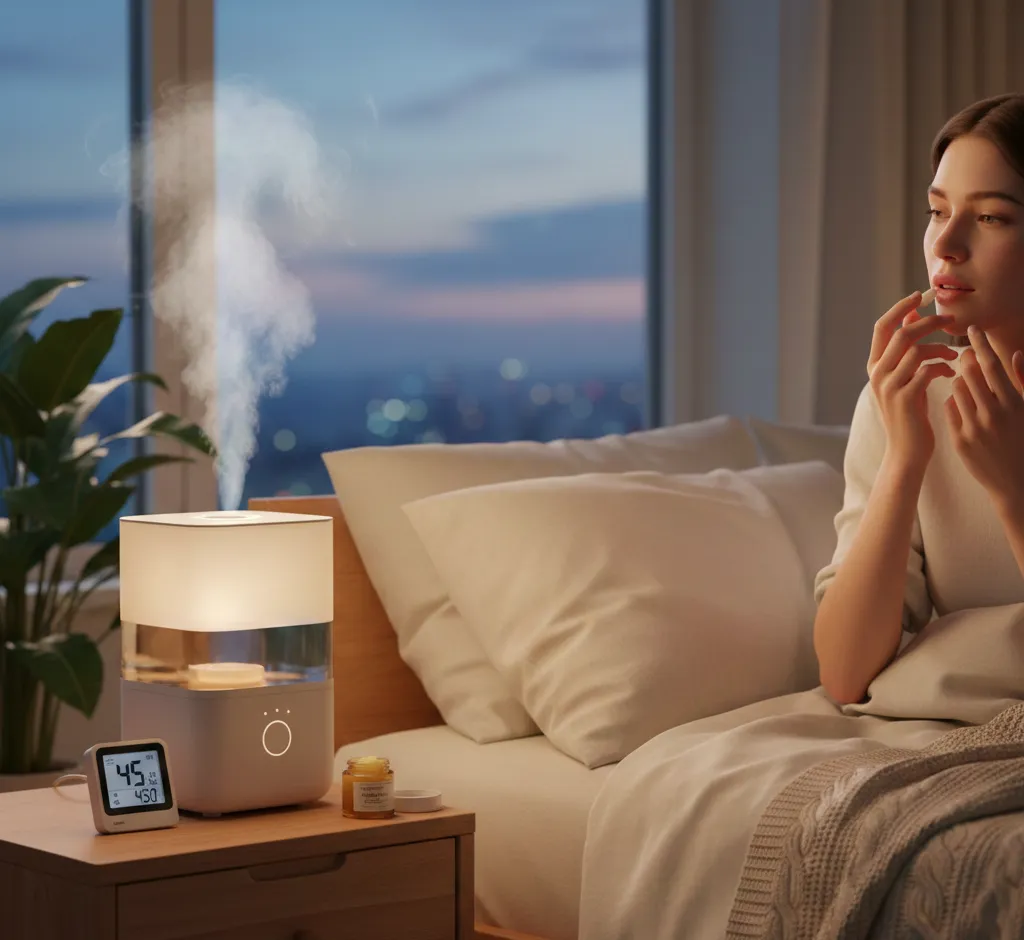
Waking up with dry, cracked lips can be painful, frustrating, and surprisingly hard to fix. Lip balms help, but if your bedroom air is dry all night long, you are fighting an uphill battle. One of the most effective, long‑term ways to prevent cracked lips is to improve the humidity level in the room where you sleep – and that is exactly where a bedroom humidifier shines.
This guide explains how dry air damages your lips, how bedroom humidifiers work, which type to choose, and how to use and maintain them safely and effectively. By the end, you will know how to create a lip‑friendly sleep environment that keeps your lips soft, comfortable, and healthy.
Why Do Lips Crack in the First Place?
Your lips are more vulnerable to dryness than most other parts of your skin. Understanding why they crack makes it easier to see how a humidifier can help.
The unique structure of lip skin
- Thinner skin: The skin on your lips is much thinner than the skin on your arms or face, so it loses moisture more easily.
- No oil glands: Lips lack sebaceous (oil) glands, which means they do not have the natural oily barrier that helps the rest of your skin stay hydrated.
- High exposure: Lips are constantly exposed to air, temperature changes, talking, breathing, and in many cases, mouth breathing at night.
Because of these factors, lips are extremely sensitive to changes in the air, especially low humidity.
How dry air leads to cracked lips
When the air is dry, it pulls moisture from wherever it can – including your skin and lips. This process is called transepidermal water loss. The lower the humidity, the faster moisture escapes, leaving your lips dry, tight, and prone to cracking.
Several everyday situations make this worse:
- Winter heating: Indoor heating systems can drop humidity levels below 30%, far below what your skin prefers.
- Air conditioning: AC units dry the air as they cool it, which can dehydrate your lips, especially in summer.
- Sleeping with your mouth open: Mouth breathing exposes your lips to constant airflow for hours, accelerating moisture loss.
Add wind, cold weather, dehydration, or irritating lip products, and your lips can quickly become chapped, peeling, and painful.
How Bedroom Humidifiers Help Prevent Cracked Lips
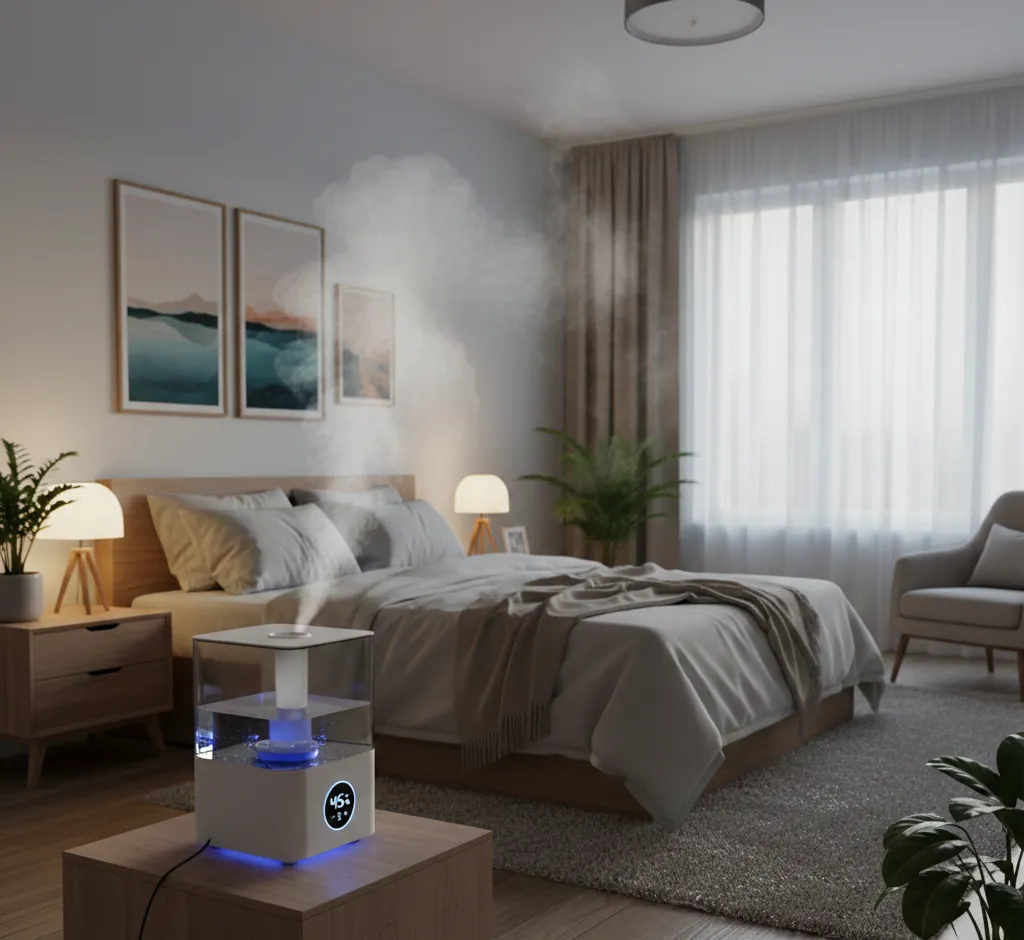
Humidifiers work by adding moisture to the air. When used correctly in the bedroom, they create a gentler environment for your lips and skin overnight.
The ideal humidity range for healthy lips
Most dermatologists and indoor air experts recommend keeping indoor humidity between 40% and 60%. Within this range:
- Your lips lose moisture more slowly.
- Your skin barrier functions better overall.
- Your nose and throat feel less dry, which may reduce the urge to breathe through your mouth.
When humidity drops too low (below about 30%), the air pulls water out of your skin and lips more aggressively, leading to dryness and cracking. A properly sized humidifier helps keep humidity in the comfort zone while you sleep.
Benefits of using a humidifier for your lips
- Reduced overnight moisture loss: Adequate humidity slows down how quickly water evaporates from the surface of your lips.
- Softer, more flexible lip skin: When lips stay hydrated, they are less likely to split or tear, even in cold or windy conditions.
- Better results from lip balms: Occlusive lip products (like petroleum jelly) work best when there is moisture to seal in. A humidified bedroom provides that moisture.
- Improved comfort for other dry areas: Many people notice less dry skin, fewer nosebleeds, and less throat irritation alongside healthier lips.
While a humidifier will not replace good lip care, it greatly increases the effectiveness of your other efforts.
Types of Bedroom Humidifiers: Which Is Best for Preventing Cracked Lips?
All humidifiers add moisture to the air, but they do it in different ways. Choosing the right type for your bedroom affects comfort, maintenance, and safety.
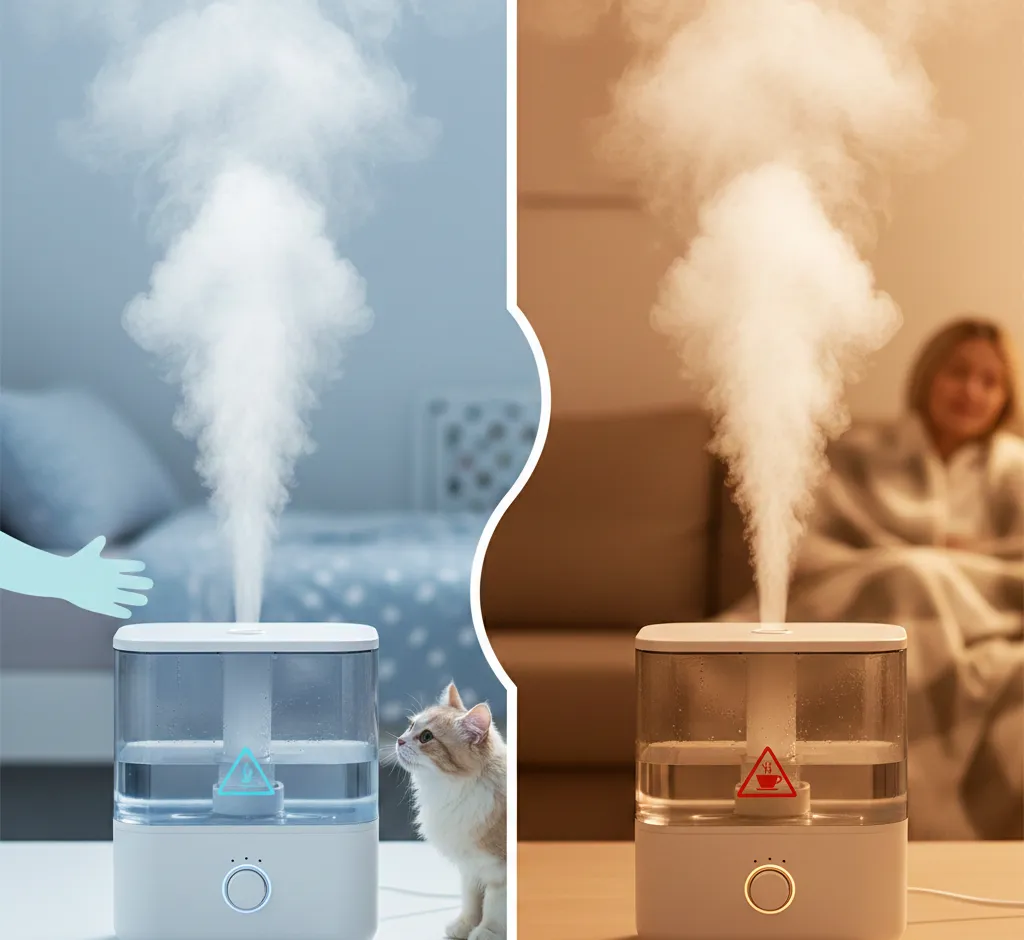
Cool mist vs. warm mist
Cool mist humidifiers
- How they work: Typically use ultrasonic vibration or a fan-based evaporative system to release a fine cool mist.
- Pros: Energy efficient, safer for homes with children or pets (no hot surfaces), and widely available in compact bedroom-friendly sizes.
- Cons: Ultrasonic models can leave a fine white mineral dust if you use hard tap water, and they require regular cleaning.
Warm mist humidifiers
- How they work: Boil water to create warm steam, which then cools slightly before entering the room.
- Pros: The heating process can kill many microbes in the water, and some people find warm mist more soothing in cold climates.
- Cons: Higher energy use, risk of burns if tipped over, and more mineral buildup in the tank and heating element.
For most bedrooms, a cool mist ultrasonic or evaporative humidifier is the safest and most practical option, especially if you are primarily focused on preventing cracked lips rather than warming the air.
Ultrasonic vs. evaporative humidifiers
Ultrasonic humidifiers
- Use high-frequency vibration to create a fine mist.
- Usually very quiet – ideal for light sleepers.
- Compact and easy to place on a nightstand or dresser.
- Work best with distilled or filtered water to reduce mineral dust.
Evaporative humidifiers
- Use a wick filter and a fan to evaporate water naturally into the air.
- Less likely to over-humidify because evaporation slows as humidity rises.
- May be slightly louder due to the fan, but the sound can be a pleasant white noise for some people.
- Require regular filter changes.
Both types can help prevent cracked lips effectively. If you are sensitive to noise, choose a quiet ultrasonic model. If you want lower risk of over-humidifying and do not mind a gentle fan sound, an evaporative model is a smart pick.
Key features to look for in a bedroom humidifier
- Built-in humidistat: Allows the unit to maintain a target humidity (e.g., 45%) automatically.
- Adjustable mist output: Helps fine-tune humidity if your room size or climate changes.
- Night mode or dim lights: Prevents bright indicator lights from disturbing your sleep.
- Quiet operation: Essential if you are a light sleeper.
- Easy-to-clean design: Wide tank openings and simple parts make routine cleaning less of a chore.
How to Use a Bedroom Humidifier to Protect Your Lips
Simply running a humidifier is not enough. Smart placement, settings, and routine can make the difference between a comfortable, lip-friendly environment and a damp or mold-prone room.
Step 1: Measure your bedroom humidity
Before making changes, it helps to know your starting point. A small, inexpensive device called a hygrometer measures relative humidity. Place it in your bedroom away from windows and direct airflow, and check readings over a few days.
If your humidity regularly falls below 35%, especially at night or during heating season, a humidifier will likely make a noticeable difference for your lips and skin.
Step 2: Place the humidifier correctly
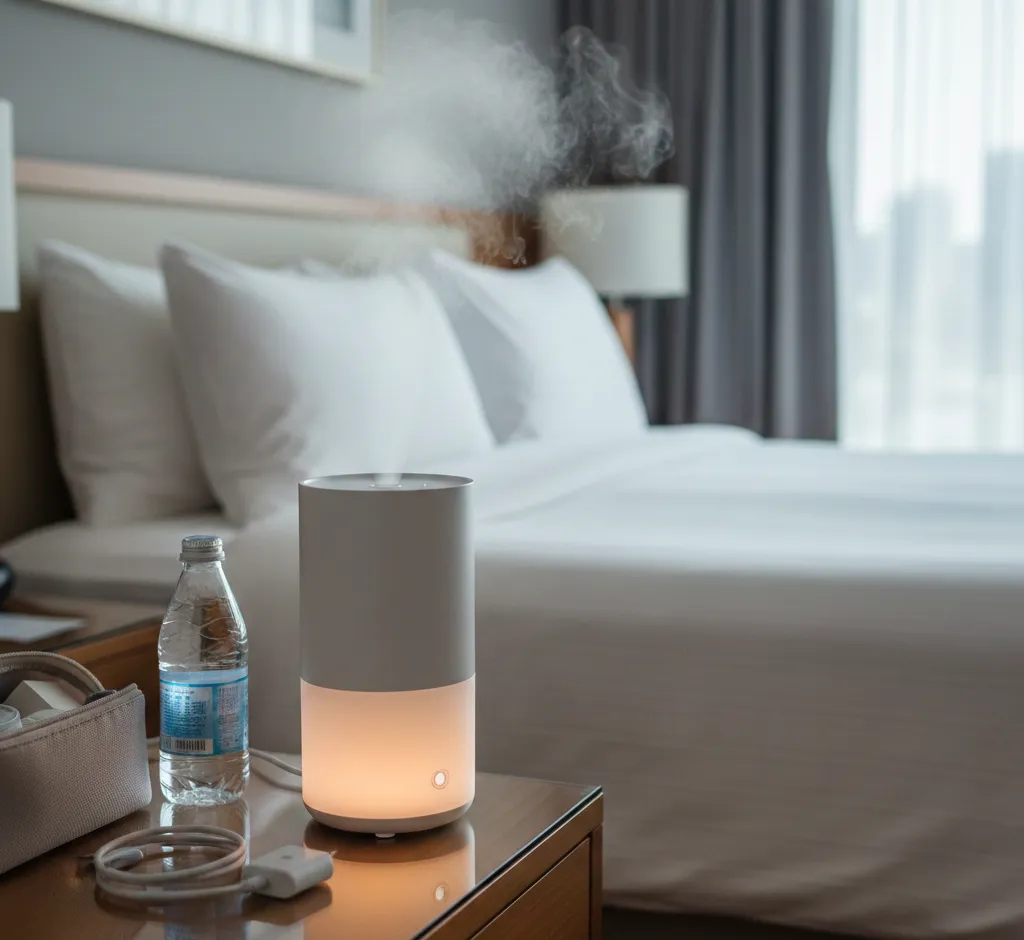
- Distance from the bed: Position the humidifier 1–2 meters away from where you sleep, so mist can disperse evenly without blowing directly on your face.
- Elevated surface: Place it on a stable, water-resistant table or stand, not directly on carpet or hardwood.
- Away from walls and electronics: Leave some space around the unit to prevent condensation on walls and damage to devices.
Correct placement helps maintain consistent humidity and protects your bedroom surfaces.
Step 3: Set the right humidity level
Aim for a nighttime humidity between 40% and 50%. This range is usually comfortable and lip-friendly while still limiting the risk of mold growth.
- If your humidifier has a humidistat, set the desired level and let it adjust automatically.
- If it does not, use your hygrometer to monitor humidity and adjust the mist output manually over a few nights.
If you notice condensation on windows, walls, or furniture, your humidity is likely too high. Turn down the output or run the humidifier for fewer hours.
Step 4: Combine humidification with a smart lip care routine
To maximize the benefits for your lips, pair your humidifier with a simple nighttime lip care habit.
- Gently exfoliate (1–2 times per week): Use a soft toothbrush or a mild lip scrub to remove loose, flaky skin. Avoid aggressive scrubbing, which can worsen cracks.
- Apply a hydrating layer: Choose a lip balm with humectants like glycerin, hyaluronic acid, or aloe vera to attract moisture.
- Seal with an occlusive: Layer a more occlusive product (such as petrolatum, lanolin, or shea butter) on top to lock in moisture.
- Run your humidifier overnight: With humidity in a healthy range, your products can work more effectively instead of fighting dry air.
This routine helps you wake up with lips that feel comfortable and soft, not tight and cracked.
Maintenance and Safety: Keeping Your Humidifier Healthy
A poorly maintained humidifier can spread microbes, odors, or mineral dust, which is the opposite of what you want in a restful bedroom. Proper care protects both your lips and your lungs.
Use the right water
- Distilled or demineralized water: Best choice for ultrasonic humidifiers, as it reduces mineral buildup and white dust.
- Filtered water: A good compromise if distilled water is not practical, especially in areas with hard tap water.
- Treated tap water: Use only if the manufacturer approves it, and be prepared to clean more often.
Using cleaner water means fewer deposits in your machine and less particle residue in your bedroom air.
Clean regularly to prevent mold and bacteria
Most manufacturers recommend a basic routine like this:
- Daily: Empty the tank, rinse with clean water, and let it air dry before refilling.
- Every 3–7 days: Disinfect the tank and base following the instructions in your manual. This often involves using a mild solution of white vinegar or another recommended cleaner.
- As needed: Replace filters or cartridges according to the schedule in the product manual.
Regular cleaning prevents slimy buildup, bad smells, and potential irritation for your respiratory system.
Avoid over-humidifying your bedroom
Too much humidity can cause new problems, including dust mites, mold growth, and musty odors. To keep things balanced:
- Use a hygrometer to monitor humidity regularly.
- Keep windows and doors slightly open occasionally if humidity climbs above 60%.
- Turn off or reduce output if you see moisture accumulating on surfaces.
Remember, more humidity is not always better. The goal is a balanced and comfortable environment, not a damp one.
Other Lifestyle Tips to Prevent Cracked Lips
A bedroom humidifier is a powerful tool, but it works best as part of a broader routine. These simple habits add extra protection for your lips, day and night.
Stay hydrated from within
When your body is dehydrated, it prioritizes essential organs, and your skin and lips are often the first to look and feel dry. Drinking enough water throughout the day supports your skin barrier and helps your lips stay plumper and more supple.
While there is no exact number that fits everyone, most adults benefit from regularly sipping water and limiting very dehydrating drinks, such as excessive alcohol.
Choose gentle lip products
Some lipsticks, glosses, and flavored balms contain ingredients that can irritate or dry your lips further. Try to:
- Avoid strong fragrances, menthol, and cinnamon in lip products if you are prone to dryness.
- Look for balms that contain ceramides, shea butter, beeswax, or plant oils.
- Use SPF lip balm during the day to protect against sun damage, which also contributes to chronic dryness.
At night, choose a simple, rich, fragrance-free formula that focuses on moisture and barrier support.
Protect lips from harsh environments
Even with a humidifier at night, cold wind or dry office air can undo some of your progress. To protect your lips:
- Apply a protective balm before going outside in winter or windy conditions.
- Avoid licking your lips, which briefly adds moisture but ultimately dries them out more as saliva evaporates.
- Use a humidifier or at least keep a hydrating lip balm at work if your office air is particularly dry.
When to See a Professional About Cracked Lips
Most cases of dry, cracked lips improve with better humidity, good lip care, and hydration. However, sometimes persistent problems signal something more.
Consider talking to a healthcare provider or dermatologist if:
- Your lips remain severely cracked or painful despite consistent self-care for several weeks.
- You notice persistent redness, scaling at the corners of your mouth, or bleeding that does not heal.
- You suspect an allergic reaction to a lip product.
- You have other symptoms such as fatigue, skin changes, or frequent infections.
Conditions like nutritional deficiencies, contact dermatitis, infections, or autoimmune issues can affect your lips, and professional guidance can help you find the right treatment.
Putting It All Together
Cracked lips are not just a cosmetic annoyance – they can hurt, bleed, and make everyday activities like eating, smiling, or talking uncomfortable. Because lips have no oil glands and very thin skin, they are especially sensitive to dry indoor air, particularly while you sleep.
A thoughtfully chosen and well-maintained bedroom humidifier can transform your nighttime environment. By keeping humidity in the ideal 40–50% range, it slows moisture loss from your lips, enhances the effectiveness of your lip balms, and supports overall skin and respiratory comfort.
Pair your humidifier with smart habits – gentle exfoliation, nourishing lip products, adequate water intake, and protection from harsh weather – and you will give your lips the best chance to stay soft, smooth, and comfortable all year long.
Start by measuring your bedroom humidity, choose a humidifier that fits your room and lifestyle, and build a simple nightly routine. Your lips will thank you every morning.