Propolis Benefits for Oral Wounds: Natural Healing for Mouth Ulcers, Gums, and More
Discover the science-backed benefits of propolis for oral wounds. Learn how this bee product may support healing of mouth ulcers, gum injuries, and post-dental surgery sites, plus how to use it safely and effectively.
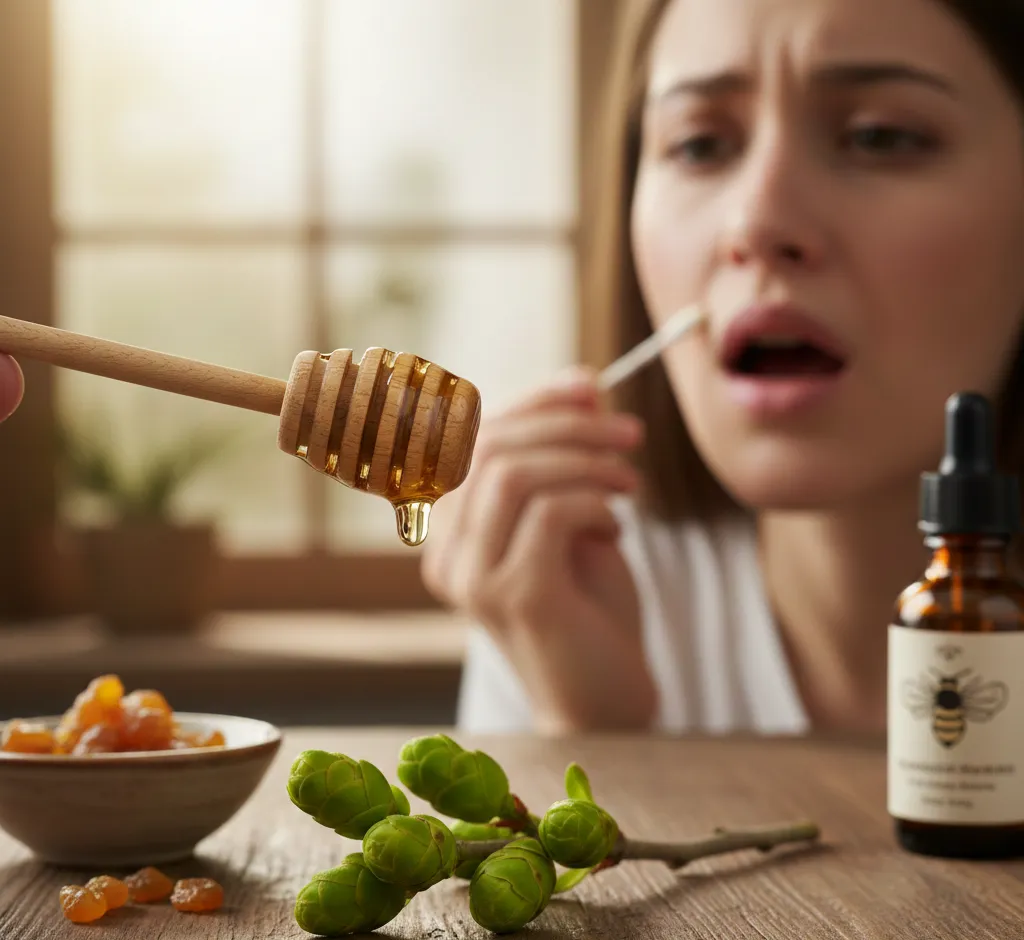
Propolis has been used in traditional medicine for centuries, especially for treating wounds and infections. In recent years, scientific research has begun to confirm what beekeepers and natural health practitioners have long observed: propolis may significantly support the healing of oral wounds, from mouth ulcers and gum injuries to post-dental surgery sites.
In this article, you will learn how propolis works in the mouth, what benefits it offers for different types of oral wounds, how to use it safely, and what to look for when choosing a propolis product. This information is for educational purposes and should not replace professional medical or dental advice.
What Is Propolis?
Propolis is a resin-like substance produced by bees. They collect sap from tree buds and plants, then mix it with beeswax, pollen, and their own enzymes. The result is a sticky, aromatic material that bees use to seal, disinfect, and protect their hives.
Propolis contains a complex mixture of biologically active compounds, including:
- Flavonoids (such as pinocembrin, galangin, quercetin)
- Phenolic acids (like caffeic acid and ferulic acid)
- Esters (notably caffeic acid phenethyl ester, often called CAPE)
- Essential oils and aromatic compounds
- Trace minerals and vitamins
These components give propolis strong antimicrobial, anti-inflammatory, and antioxidant properties, which explain much of its potential value in oral care and wound healing.
Why Propolis Is Useful for Oral Wounds
The oral environment presents special challenges for wound healing. The mouth is constantly exposed to bacteria, mechanical irritation (chewing, speaking, dental appliances), saliva, and changes in temperature and pH. Propolis may help overcome many of these challenges thanks to several key properties.
1. Antimicrobial protection
One of the most important benefits of propolis for oral wounds is its ability to inhibit the growth of harmful microorganisms. Studies show that propolis extracts can act against:
- Oral bacteria involved in cavities and gum disease, such as Streptococcus mutans and Porphyromonas gingivalis
- Fungi such as Candida albicans, which can cause oral thrush
- Certain viruses, depending on the type of propolis and its chemical profile
By reducing the microbial load around a wound, propolis may help prevent infection and allow natural healing processes to proceed more smoothly.
2. Anti-inflammatory action
Inflammation is a natural part of wound healing, but excessive or prolonged inflammation can increase pain and slow tissue repair. Propolis contains flavonoids and phenolic compounds that can help regulate inflammatory pathways.
Research suggests that propolis may:
- Reduce the production of pro-inflammatory molecules
- Limit tissue swelling and redness
- Support more comfortable healing in sensitive oral areas
This anti-inflammatory effect is particularly important for painful conditions such as aphthous ulcers (canker sores) and post-surgical wounds.
3. Antioxidant and tissue-repair support
Oxidative stress can damage cells and slow wound closure. Propolis is rich in antioxidants, which help neutralize free radicals and protect delicate oral tissues.
Some laboratory and animal studies indicate that propolis may:
- Promote fibroblast activity (cells involved in wound repair)
- Support collagen formation and tissue regeneration
- Encourage faster re-epithelialization (closure of the wound surface)
While more human clinical trials are still needed, these findings support the traditional use of propolis to accelerate wound healing.
4. Potential pain relief
Many people report that topical propolis products provide a soothing effect on oral wounds. This may be due to:
- Reduced inflammation in the affected area
- A mild anesthetic-like effect seen in some preparations
- Protective coating of the wound surface, reducing irritation from food, drink, or speaking
Although the degree of pain relief varies from person to person, this soothing property can be especially valuable for ulcers, burns, and orthodontic-related injuries.
Types of Oral Wounds Propolis May Help
Propolis is not a cure-all, but it may support healing and comfort in a range of common oral wound situations when used as part of a broader care plan.
1. Mouth ulcers (aphthous stomatitis)
Mouth ulcers, often called canker sores, are small but painful lesions that appear on the inner cheeks, lips, tongue, or soft palate. They can be triggered by stress, nutrient deficiencies, minor injuries, or other factors.
Studies examining propolis-based gels and mouthwashes have found potential benefits such as:
- Reduced ulcer size
- Decreased pain intensity
- Faster healing time compared with some control treatments
Using a propolis gel or tincture directly on the ulcer, or rinsing with a diluted propolis solution, may help support comfort while the lesion heals.
2. Gum injuries and gingivitis-related wounds
The gums can be damaged by hard foods, aggressive brushing, dental tools, or underlying gum disease. When the gum tissue is inflamed and weakened, it is more vulnerable to injury.
Propolis has been studied as a supportive therapy for gingivitis and periodontitis, with reported benefits such as reduced bleeding, plaque, and inflammation. For minor gum injuries, its antimicrobial and anti-inflammatory properties may help:
- Limit the growth of plaque-forming bacteria
- Reduce swelling and tenderness
- Encourage healthier gum tissue regeneration
Some mouthwashes and toothpastes now include propolis as an active ingredient for this reason.
3. Post-dental surgery and extractions
After procedures like tooth extractions, implants, or periodontal surgery, the mouth needs time to form stable clots, close the wound, and rebuild tissue. Infection control and gentle care are essential.
Some clinical research suggests that propolis-based gels, dressings, or mouth rinses may:
- Support faster wound healing
- Reduce local infection risk
- Improve overall comfort during recovery
However, you should never self-prescribe propolis after a dental surgery. Always consult your dentist or oral surgeon before using any product on a surgical site, because timing, dosage, and specific product type are critical.
4. Orthodontic and denture-related wounds
Braces, aligners, and dentures can create pressure points or friction that lead to sores on the cheeks, tongue, or gums. While proper adjustment of the appliance is the main solution, propolis may provide temporary support while the tissues heal.
Topical propolis in gel, spray, or tincture form can form a protective layer over the wound, helping to:
- Reduce irritation from contact with metal or acrylic surfaces
- Maintain a cleaner environment around the lesion
- Support tissue repair alongside mechanical adjustments
5. Minor burns and irritations in the mouth
Hot drinks, spicy foods, or accidental bites can all cause minor burns or irritations. Propolis can help calm the area and protect it while the mouth’s naturally fast healing takes place.
Because the mouth is constantly moving and moist, using a product that adheres well to the mucosa (such as a gel or thick tincture) is often more practical than a thin solution.
How to Use Propolis for Oral Wounds
There are many different forms of propolis available. Choosing the right one and using it correctly can make a significant difference in effectiveness and safety.
Common forms of propolis for oral use
- Propolis tincture (alcohol or water-based): Concentrated extract; may be applied with a cotton swab or diluted in water as a rinse.
- Propolis gel or oral paste: Designed for mucosal application; adheres to wounds and forms a protective film.
- Propolis mouthwash: Ready-made or diluted tincture; swished in the mouth and then spat out.
- Propolis lozenges or pastilles: Slowly dissolve in the mouth, bathing tissues in low concentrations of propolis.
- Toothpaste and oral sprays with propolis: Mainly for daily oral hygiene and mild irritations.
General usage guidelines
- Clean the area first. Rinse your mouth gently with water or a non-irritating mouthwash to remove food debris.
- Apply a small amount. For tinctures or gels, use a clean cotton swab or fingertip to place a thin layer directly on the wound.
- Allow contact time. Avoid eating or drinking for at least 15–30 minutes after application so the propolis can stay in place.
- Follow product instructions. Respect the recommended frequency, usually 2–4 times per day, unless your healthcare provider advises otherwise.
- Monitor your response. If irritation, swelling, or other unusual symptoms worsen, stop using the product and seek professional advice.
People who are new to propolis should start with a low concentration or a test patch on a small area to check for sensitivity.
Safety, Side Effects, and Precautions
While propolis is considered safe for many people, it is still a biologically active substance and can cause reactions in some individuals.
Possible side effects
- Allergic reactions: Itching, redness, swelling, burning, or rash in the mouth. In rare cases, more serious reactions can occur.
- Sensitivity in people allergic to bee products: Those with a history of allergy to bees, bee stings, honey, royal jelly, or pollen may have a higher risk of reacting to propolis.
- Staining: Some dark propolis preparations can temporarily stain teeth, tongue, or dental appliances.
If you experience any signs of an allergic reaction or worsening of your oral condition, discontinue use immediately and contact a healthcare professional.
Who should be cautious?
- People with known allergies to bee products: Use only under medical supervision, or avoid entirely.
- Pregnant or breastfeeding women: Safety data are limited; consult a doctor or dentist before using concentrated extracts.
- Children: Talk to a pediatric dentist or doctor about safe forms and dosages for children.
- People on multiple medications: Although interactions are not well documented, it is wise to mention propolis use to your healthcare provider.
Remember that “natural” does not automatically mean “risk-free.” Careful, informed use is essential.
How to Choose a Quality Propolis Product
Not all propolis products are the same. Their composition depends on the plants available to the bees, the region, and the extraction method used by the manufacturer.
Key factors to consider
- Standardization: Look for products that specify the percentage of propolis or active compounds (such as flavonoids).
- Source and origin: Some regions produce propolis with higher concentrations of certain beneficial compounds. Transparent sourcing is a good sign.
- Extraction method: Alcohol-based tinctures are common, but water or glycerin extracts may be better for people sensitive to alcohol.
- Purity and testing: Reputable brands test for contaminants such as heavy metals or pesticide residues and clearly label ingredients.
- Formulation for oral use: Choose products specifically designed for the mouth, with appropriate excipients and pH.
If you are using propolis to support healing after a dental procedure, ask your dentist to recommend a specific brand or formulation that fits your situation.
Integrating Propolis into a Holistic Oral Care Routine
Propolis can be a helpful addition to your oral health strategy, but it should not replace proven hygiene practices or professional dental care.
Best practices for oral health
- Brush your teeth at least twice a day with a soft-bristled brush and fluoride-containing toothpaste (with or without propolis).
- Clean between teeth daily using floss, interdental brushes, or water flossers.
- Limit sugary foods and acidic drinks that can irritate wounds and promote decay.
- Avoid tobacco and reduce alcohol consumption, as both slow wound healing.
- Visit your dentist regularly for check-ups and professional cleanings.
Propolis products can complement these habits, especially during times when the mouth is more vulnerable, such as after an injury, dental work, or during high stress.
When to See a Dentist or Doctor
Although many minor oral wounds heal on their own within 7–14 days, certain signs mean you should seek professional help rather than relying on home remedies alone, including propolis.
Warning signs not to ignore
- Oral wounds that do not improve within two weeks
- Ulcers that keep returning in the same place
- Severe pain, spreading redness, or swelling
- Fever, difficulty swallowing, or swollen lymph nodes
- White or red patches that persist and do not heal
These symptoms can indicate infections, systemic conditions, or in rare cases, precancerous or cancerous changes. Early evaluation is always better than waiting too long.
Conclusion: Propolis as a Natural Ally for Oral Wound Healing
Propolis offers a unique combination of antimicrobial, anti-inflammatory, and antioxidant effects that make it particularly interesting for supporting oral wound healing. From mouth ulcers and gum injuries to minor burns and post-dental surgery care, it may help reduce discomfort, protect against infection, and promote tissue repair when used correctly.
However, propolis is not a substitute for professional dental or medical care, and its use should be tailored to individual needs and sensitivities. If you decide to include propolis in your oral care routine, choose a high-quality product, follow expert guidance, and pay attention to how your body responds.
With a balanced approach, propolis can become a valuable natural ally in keeping your mouth comfortable, resilient, and better equipped to heal from everyday wounds and irritations.