Quick Heat-Up Times: Saving Minutes in Busy Households
Discover how quick heat-up times in appliances and home heating can save precious minutes in busy households, boosting comfort, cutting stress, and improving energy efficiency.
In a busy household, every saved minute counts. Quick heat-up times from home appliances and heating systems can turn hectic mornings and rushed evenings into smoother, more predictable routines. By choosing faster technologies and using them smartly, families reduce stress, cut energy waste, and gain back valuable time that can be spent on what truly matters.
Why Quick Heat-Up Times Matter
Quick heat-up times directly influence how efficiently a household can move through everyday tasks like cooking, bathing, and getting ready for work or school. When water, air, and cooking surfaces reach the desired temperature faster, there is less waiting around, fewer bottlenecks in shared spaces, and a more relaxed pace even when schedules are tight.
Beyond comfort, speed often translates into better energy management. Shorter warm-up phases can mean less overall power usage, reduced standby losses, and more precise control of when and where energy is consumed. This combination of comfort and efficiency makes quick heat-up technologies especially attractive for time-poor families who also want to keep bills and environmental impact under control.
Everyday Tasks That Benefit from Faster Heating
Quick heat-up times show their value most clearly in routine activities that repeat daily. When these tasks become faster and more predictable, the entire household rhythm improves.
- Morning routines: Hot water ready for showers, a warm kitchen, and quickly brewed coffee set a positive tone for the day.
- Meal preparation: Ovens, hobs, kettles, and small appliances that heat quickly reduce the time between planning a meal and serving it.
- Laundry and cleaning: Appliances that reach optimal temperature fast help complete chores during short time windows between work, school, and activities.
Because these activities repeat day after day, even small time savings compound into meaningful hours over weeks and months. A few saved minutes in the morning and evening can reclaim entire days of free time over the course of a year.
Kitchen Appliances with Quick Heat-Up Advantages
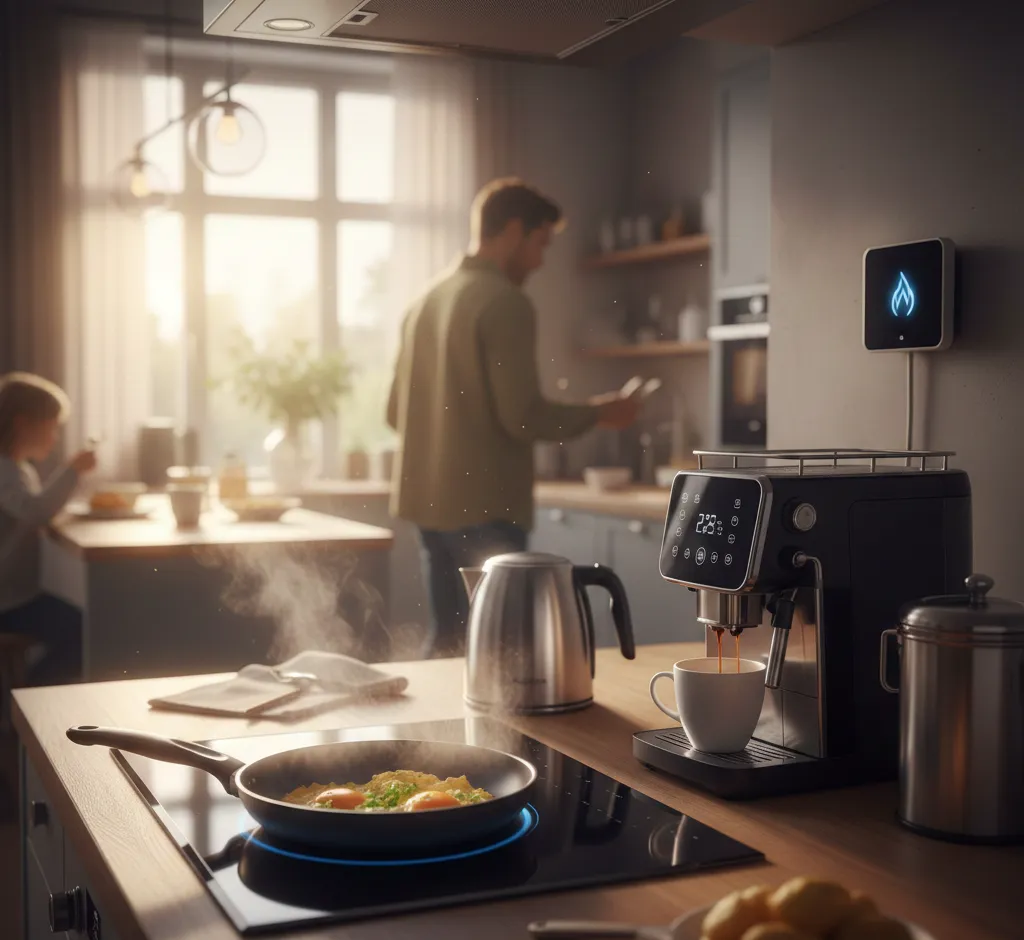
The kitchen is often the busiest room in a home, and it is also where quick heat-up times can have the most visible impact. Modern cooking appliances come with features designed specifically to reduce waiting and streamline meal preparation.
- Induction cooktops: These use electromagnetic energy to heat pans directly, allowing them to reach cooking temperature in seconds rather than minutes. This is ideal for boiling water, searing meat, and making quick weeknight meals.
- Convection and high-speed ovens: Fans and efficient heating elements help ovens reach set temperatures faster and cook more evenly, turning frozen or fresh ingredients into ready-to-serve dishes in less time.
- Fast-boiling kettles: High‑wattage kettles bring water to a boil quickly for tea, coffee, or instant meals, cutting the idle time many people spend waiting near the counter.
- Multi-cookers and air fryers: Compact internal spaces and efficient heating allow these appliances to reach working temperature quickly and cook food faster than many traditional methods.
Choosing appliances with clearly specified preheat times, powerful yet efficient heating elements, and smart controls helps align kitchen performance with the demands of a busy schedule. When devices are ready when needed, it becomes easier to commit to home-cooked meals instead of defaulting to takeout.
Home Heating Systems and Warm Rooms Faster
Quick heat-up times matter just as much for home comfort as they do for cooking. No one wants to wake up to a cold bedroom or spend the evening in a chilly living room while the heating slowly catches up.
Systems designed for rapid response help create comfortable spaces right on time:
- Programmable and smart thermostats: By scheduling heating to start 20–30 minutes before wake-up or arrival, rooms feel warm exactly when they are needed, eliminating the temptation to overheat the home just to compensate for slow warm‑up.
- Low water content radiators and fast-response panels: Models made from materials like aluminium heat up and cool down quickly, delivering more precise temperature control.
- Zoned heating: By heating only frequently used rooms at specific times, households avoid wasting energy on spaces that do not need to be warm yet.
These features combine to create heating routines that support comfort and punctuality without requiring constant manual adjustments. A home that reaches the right temperature quickly lets everyone move through their morning and evening schedules with less disruption.
Hot Water on Demand
Hot water availability is another area where quick heat-up times significantly improve daily life. Long waits for hot water waste both time and resources, especially in larger homes or older systems.
Several solutions help deliver hot water more quickly:
- On-demand (tankless) water heaters: These heat water as it flows through the unit, reducing the delay between turning on the tap and getting hot water.
- Well-tuned boiler and cylinder schedules: For systems with hot water tanks, carefully planned heating schedules ensure the cylinder is hot exactly when showers and baths are most likely, avoiding last‑minute surprises.
- Insulated pipes and cylinders: Better insulation slows heat loss so hot water remains warm longer, reducing reheating time and energy use.
When hot water is reliably available without long waits, shared bathrooms become less of a bottleneck. This is especially valuable in households where several people need to get ready within the same short time window.
Small Gadgets That Save Big Chunks of Time
In addition to large systems and major appliances, smaller gadgets with quick heat-up capabilities can remove friction from everyday routines. These tools often turn formerly time-consuming tasks into quick touch‑ups.
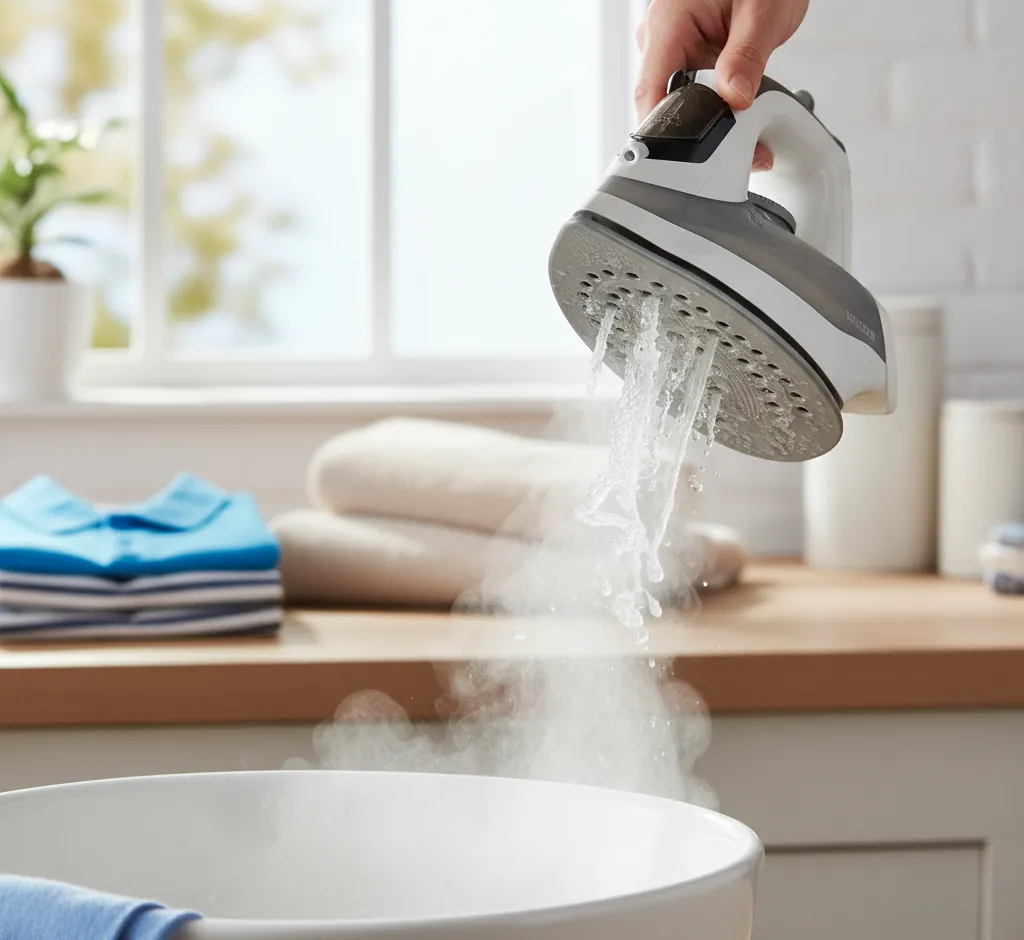
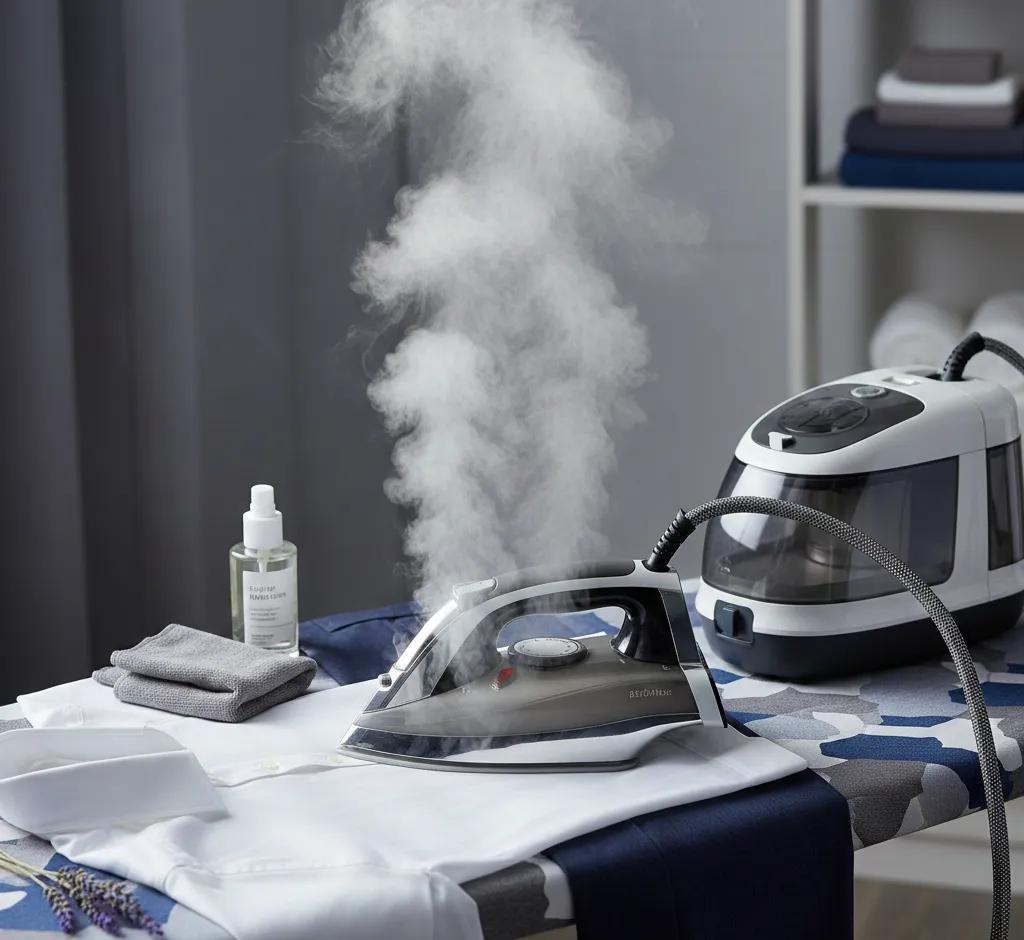
- Clothes steamers: Fast-heating steamers can be ready in under a minute, allowing last‑minute wrinkle removal without setting up an ironing board.
- Hair styling tools: Irons and curlers with rapid heat-up and temperature control shorten grooming time while improving safety by reducing the need to leave tools on for long periods.
- Compact espresso and coffee machines: Devices designed to reach brewing temperature quickly support predictable morning routines even when time is short.
By combining several of these quick-heat tools, households create a layered ecosystem where small time savings in multiple tasks add up to smoother days. The result is less rushing out the door and fewer delays caused by waiting for equipment to warm up.
Energy Efficiency and Quick Heat-Up Times
It is a common concern that faster heating might always equal higher energy consumption, but that is not necessarily the case. Many modern appliances and systems are engineered to reach operating temperature quickly while using less energy overall.
Key design and usage factors support this balance:
- Targeted heating: Technologies that focus heat where it is needed (for example, induction cooktops heating pans directly) minimize waste.
- Shorter duty cycles: When devices reach the required temperature rapidly, they can spend more time in efficient maintenance modes rather than running at full power for long warm-up periods.
- Better insulation and sensors: Improved materials and smart sensors help retain heat and prevent overshooting target temperatures, reducing both energy and time costs.
Used thoughtfully, quick-heat systems can contribute to lower overall energy usage while still delivering the convenience and speed busy families need. Choosing models with strong efficiency ratings and using timers or smart controls helps realize these benefits in real‑world conditions.
Practical Strategies to Save Minutes Every Day
Technology alone does not guarantee time savings; habits and planning play an equally important role. By combining the right equipment with smart routines, households unlock the full value of quick heat-up capabilities.
- Pre-program key devices: Use timers or smart schedules on heating systems, coffee machines, and some ovens so that they are ready at the exact times you usually need them.
- Batch and prep ahead: Prepare ingredients the night before and use fast-heating appliances to finish cooking quickly during busy periods.
- Zone your time and spaces: Decide which rooms must be warm first thing in the morning and prioritize fast-response heating there instead of the entire home.
- Keep frequently used tools accessible: Position kettles, steamers, and quick-heat gadgets where they can be used immediately without digging through cupboards.
- Review and adjust schedules: Revisit heating and appliance schedules seasonally or when family routines change, ensuring systems are not heating or preheating unnecessarily.
These practices magnify the benefits of fast equipment and reduce the frustration of having advanced features that are not used effectively. Over time, small tweaks to routines can reclaim meaningful amounts of free time each week.
Choosing Quick-Heat Appliances for Your Home
When selecting new appliances or upgrading existing systems, paying attention to heat-up characteristics can significantly improve daily life. Many manufacturers now list preheat times, recovery speeds, and efficiency metrics that indicate how quickly and effectively products reach working temperature.
Some helpful selection criteria include:
- Clear preheat or warm-up specifications: Look for published times to reach common temperature settings for ovens, cooktops, and coffee machines.
- Power rating and control features: Higher power can support faster heating, but smart controls, multiple modes, and sensors prevent unnecessary energy use.
- Compatibility with smart home systems: Integration with apps and automation platforms makes it easier to schedule warm-up phases around real-life routines.
- Reliability and safety features: Auto‑shutoff, temperature limiters, and quality components ensure that speed does not come at the expense of long‑term durability or safety.
Balancing budget, performance, and long‑term operating costs leads to choices that deliver both faster daily routines and strong value over the life of the appliance or system.
Designing a Home Around Quick Heat-Up Efficiency
Beyond individual products, the overall layout and design of a home can support or undermine quick heat-up benefits. Thoughtful placement of equipment, careful routing of hot water lines, and the use of insulating materials all contribute to faster, more consistent comfort.
For example, locating bathrooms closer to hot water sources reduces the time needed for warm water to reach taps and showers. Similarly, placing thermostats away from drafts or direct sunlight helps heating systems respond more accurately and avoid unnecessary delays or overshoots. In kitchens, arranging fast-heating appliances within easy reach of prep areas keeps cooking workflows smooth and avoids wasted motion.
Gaining Back Time in Busy Households
Quick heat-up times are not just a technical specification; they are a practical tool for improving quality of life in busy households. When cooking, bathing, and heating processes start and finish more quickly, families feel less rushed and more in control of their days.
By combining efficient appliances, responsive heating systems, smart controls, and supportive routines, households can reclaim minutes during their most hectic moments. Over time, these small improvements add up to calmer mornings, less stressful evenings, and more time available for rest, connection, and the activities that make a house truly feel like home.