Raw Cacao Ceremonial Use: Unlocking Ancient Wisdom for Modern Hearts
Discover the ancient art of raw cacao ceremonies: history, preparation, benefits, and modern practices for heart-opening rituals. Unlock spiritual wisdom with this sacred plant medicine.
In the heart of ancient Mesoamerican cultures, raw cacao was more than a simple ingredient for chocolate—it was a sacred plant medicine revered as the 'Food of the Gods.' Today, the ceremonial use of raw cacao is experiencing a profound resurgence, blending indigenous traditions with contemporary wellness practices. This article delves into the rich history, spiritual significance, and practical guide for incorporating raw cacao ceremonies into your life, offering a pathway to heart-opening experiences and deep personal transformation.
The Sacred Origins of Cacao Ceremonies
Cacao ceremonies trace their roots back over 5,000 years to the ancient civilizations of the Olmecs, Mayans, and Aztecs in Central and South America. Archaeological evidence, including cacao residue found in pottery from as early as 1900 BCE, confirms its use in rituals. The Mayans called cacao Ka'kau, associating it with the god Ek Chuah, while the Aztecs referred to it as xocolātl, a bitter drink reserved for priests, warriors, and nobility.
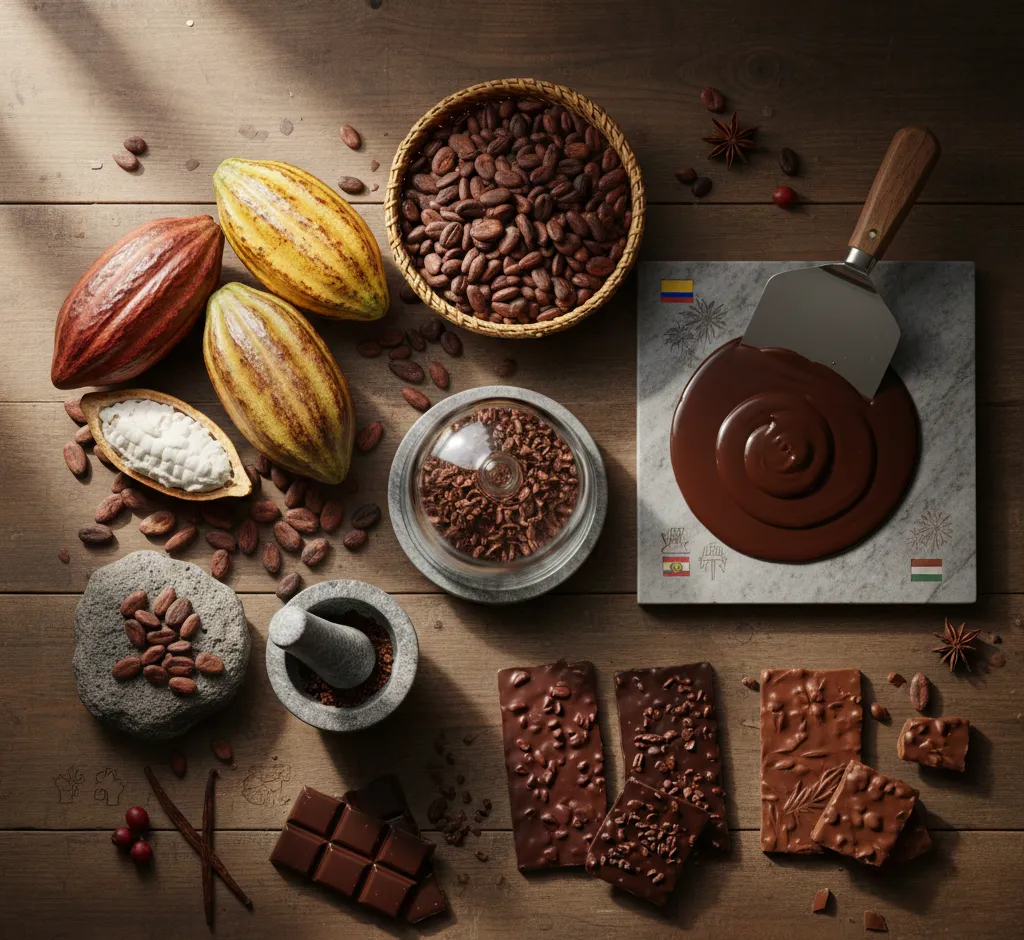
Unlike the processed chocolate we know today, ceremonial cacao is made from minimally processed, heirloom cacao beans—often from indigenous varieties like Criollo or Trinitario. These beans are fermented, lightly roasted (or left raw), peeled, and stone-ground into a paste, preserving the full spectrum of bioactive compounds. In ceremonies, this paste is prepared as a thick, frothy drink, infused with intention and shared in communal settings to foster connection, healing, and divine communion.

Why Raw Cacao? The Science Behind the Spirit
Raw cacao's ceremonial power lies in its unparalleled nutritional and psychoactive profile. Unlike alkalized cocoa powder, raw cacao retains over 1,200 active compounds, including:
- Theobromine: A mild stimulant that gently uplifts mood and energy without the crash of caffeine.
- Anandamide: Dubbed the 'bliss molecule,' it promotes feelings of joy and euphoria.
- Magnesium: The highest plant source, supporting relaxation and heart health.
- Phenylethylamine (PEA): Triggers endorphin release, mimicking the 'love' chemical.
- MAO Inhibitors: Enhance neurotransmitter availability, amplifying emotional openness.
Studies, such as those published in the Journal of Nutritional Biochemistry, highlight cacao's cardiovascular benefits, reducing blood pressure and improving endothelial function. Spiritually, these compounds synergize to open the heart chakra—an energetic center linked to love, compassion, and vulnerability—making cacao a bridge between body and soul.
Heart-Opening Effects: A Bridge to the Divine
In ceremonial contexts, participants often report profound emotional releases, heightened intuition, and a sense of unity. Shamans describe cacao as a 'plant teacher' that dissolves ego barriers, allowing access to higher consciousness. Modern practitioners, from yoga studios in Bali to retreats in Peru, echo these experiences, using cacao to facilitate shadow work, grief processing, and relational healing.
How to Prepare and Host a Raw Cacao Ceremony
Hosting a cacao ceremony is accessible yet sacred. Start with high-quality, ethically sourced ceremonial-grade cacao from indigenous cooperatives, ensuring fair trade and sustainability—key for honoring the plant's spirit.
Ingredients (Serves 4-6)
- 100-150g ceremonial cacao paste (adjust for potency)
- 1-2 liters spring water or plant milk
- Optional: spices like cayenne, cinnamon, cardamom; natural sweeteners like honey or maple syrup; vanilla or chili
Step-by-Step Preparation
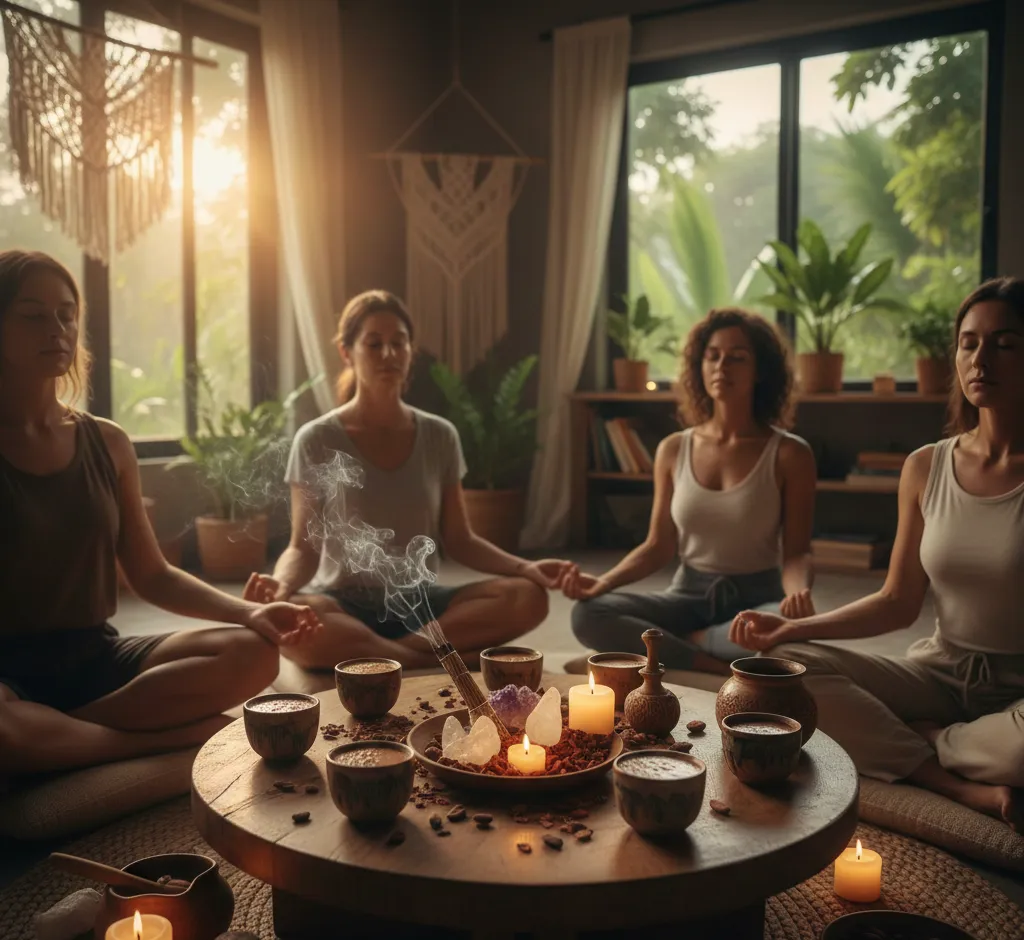
- Set a Sacred Space: Cleanse the area with sage, palo santo, or sound (e.g., singing bowls). Arrange cushions, candles, flowers, and altars with cacao symbols.
- Melt the Cacao: Gently heat water/milk to 40-50°C (avoid boiling to preserve raw properties). Break cacao into pieces and stir until dissolved into a smooth paste.
- Infuse Intention: Add spices and sweeteners. Hold the pot, close your eyes, and set collective intentions—e.g., 'We open our hearts to healing and love.'
- Froth and Serve: Use a traditional molinillo (wooden whisk) or blender for froth. Serve in small cups, starting with the east direction in a circle.
Dosage matters: 20-40g per person for a gentle opening; 42g+ for deeper work. Always check for allergies (cacao contains caffeine and oxalates).
The Ceremony Structure: A Journey of the Heart
A traditional cacao ceremony unfolds in phases, creating a container for transformation.
1. Opening Circle (10-15 minutes)
Participants share names, intentions, and offerings. Play soft music like icaros (medicine songs) or heart chakra frequencies (639Hz).
2. Invocation and Offering (5 minutes)
Call in the four directions, ancestors, and cacao's spirit. Pour a libation to the earth.
3. Drinking and Integration (30-60 minutes)
Sip mindfully, feeling the warmth spread. Guide breathwork, meditation, or free-form movement. Emotions may surface—hold space without judgment.
4. Sharing and Closing (20-30 minutes)
Circle shares insights. Close with gratitude, grounding (e.g., rooted feet visualization), and a group hug or song.

Modern Adaptations and Global Revival
The cacao renaissance began in the 2010s, fueled by shamans like those from the Shipibo tradition in Peru and facilitators trained in Mayan lineages. Today, festivals like the Cacao Festival in New Zealand draw thousands. Urban adaptations include solo home rituals, corporate team-buildings for empathy, and pairings with yoga or sound baths.
Celebrities like Reese Witherspoon and wellness influencers have popularized it on Instagram, but authenticity matters. Seek facilitators trained by indigenous elders to avoid cultural appropriation.
Benefits and Precautions: Wisdom in Balance
Regular ceremonial use yields cumulative benefits:
- Emotional resilience and reduced anxiety
- Enhanced creativity and intuition
- Improved relationships through heart coherence
- Physical vitality from antioxidants (ORAC score 95,000+ per 100g)
Precautions: Consult a doctor if pregnant, heart conditions, or on MAOIs/SSRIs due to interactions. Hydrate well and integrate post-ceremony with journaling or nature time.
Ethical Sourcing: Honoring the Cacao Spirit
True ceremonial cacao supports regenerative farming in biodiversity hotspots like Ecuador and Guatemala. Look for labels like 'Heirloom Criollo,' 'Ceremonial Grade,' and direct-from-origin. Brands like Keith's Cacao or Firefly Chocolate prioritize ritual purity and farmer empowerment.
By choosing ethically, you sustain the ancient wisdom that cacao carries—a reminder that healing comes full circle.
Conclusion: Awaken Your Inner Cacao Shaman
Raw cacao ceremonial use invites you to reclaim a primordial connection to joy, community, and the divine feminine. In a world craving authenticity, this ancient elixir offers a simple yet profound medicine. Start small—prepare a cup tonight with intention—and let your heart lead the way.