Reducing Static Electricity in Bedroom Air: Practical Ways to Create a More Comfortable Space
Learn practical, science-backed ways to reduce static electricity in bedroom air. Discover how humidity, fabrics, flooring, and daily habits affect static and how to create a more comfortable, shock-free sleep environment.
Static electricity in the bedroom can be more than just an annoying series of tiny shocks. It can make your sleeping environment feel dry, uncomfortable, and even contribute to restless nights. Fortunately, there are many simple and effective ways to reduce static electricity in bedroom air using a mix of moisture control, better materials, and smarter habits.
What Causes Static Electricity in Bedroom Air?
Static electricity happens when an imbalance of electrical charges builds up on the surface of materials. In bedrooms, this imbalance usually comes from movement, friction, and dry air. When you touch a conductive surface, the charge suddenly equalizes, and you feel a small shock.
The Role of Dry Air
Dry air is the primary driver of static buildup indoors. When humidity is low, especially in winter, electrons move more freely across surfaces and fabrics. Moist air, by contrast, helps dissipate charges more evenly.
Bedrooms are particularly prone to dry air because of:
- Winter heating: Central heating systems often lower indoor humidity to uncomfortable levels.
- Air conditioning: Cooling systems can also dry out the air, especially in well-insulated rooms.
- Lack of ventilation: Closed windows and doors prevent fresh, slightly more humid air from circulating.
Fabrics, Flooring, and Furniture
Static buildup is also strongly influenced by the materials in your bedroom. Some surfaces hold onto charges more than others, and certain combinations of materials generate more friction.
Common static-causing contributors include:
- Synthetic bedding: Polyester, nylon, and acrylic sheets and blankets tend to generate more static than natural fibers.
- Carpeting and rugs: Synthetic carpets amplify static when you walk across them, especially in socks.
- Upholstered furniture: Fabric-covered chairs and headboards made from synthetics can accumulate charge.
- Clothing: Synthetic pajamas and socks create friction against sheets and carpets.
Why Reducing Static Electricity in the Bedroom Matters
For many people, static electricity is just a small nuisance. However, lowering static charges in your bedroom can meaningfully improve comfort and even help protect your electronics and furnishings.
Comfort and Sleep Quality
Static shocks can be surprising and disruptive, especially when they happen at night. You might feel a zap when you touch a light switch, reach for a metal bed frame, or brush against a blanket. Reducing static can help create a more relaxing, spa-like bedroom environment.
Also, the dry air that encourages static can irritate your skin, nose, and throat, contributing to restless sleep. By addressing static, you often improve humidity and overall comfort at the same time.
Protection of Electronics and Surfaces
Static discharges can also be problematic for sensitive electronics in your bedroom, such as laptops, smartphones, or smart home devices. While occasional small shocks are rarely catastrophic, long-term exposure to electrostatic discharge can stress delicate components.
Moreover, dry, static-prone air can accelerate wear on fabrics and surfaces, making them appear more worn, pilled, or dusty over time.
Control Indoor Humidity to Reduce Static
Humidity management is one of the most powerful ways to reduce static electricity in bedroom air. A modest increase in moisture can dramatically lower the frequency and intensity of static shocks.
Find the Ideal Humidity Range
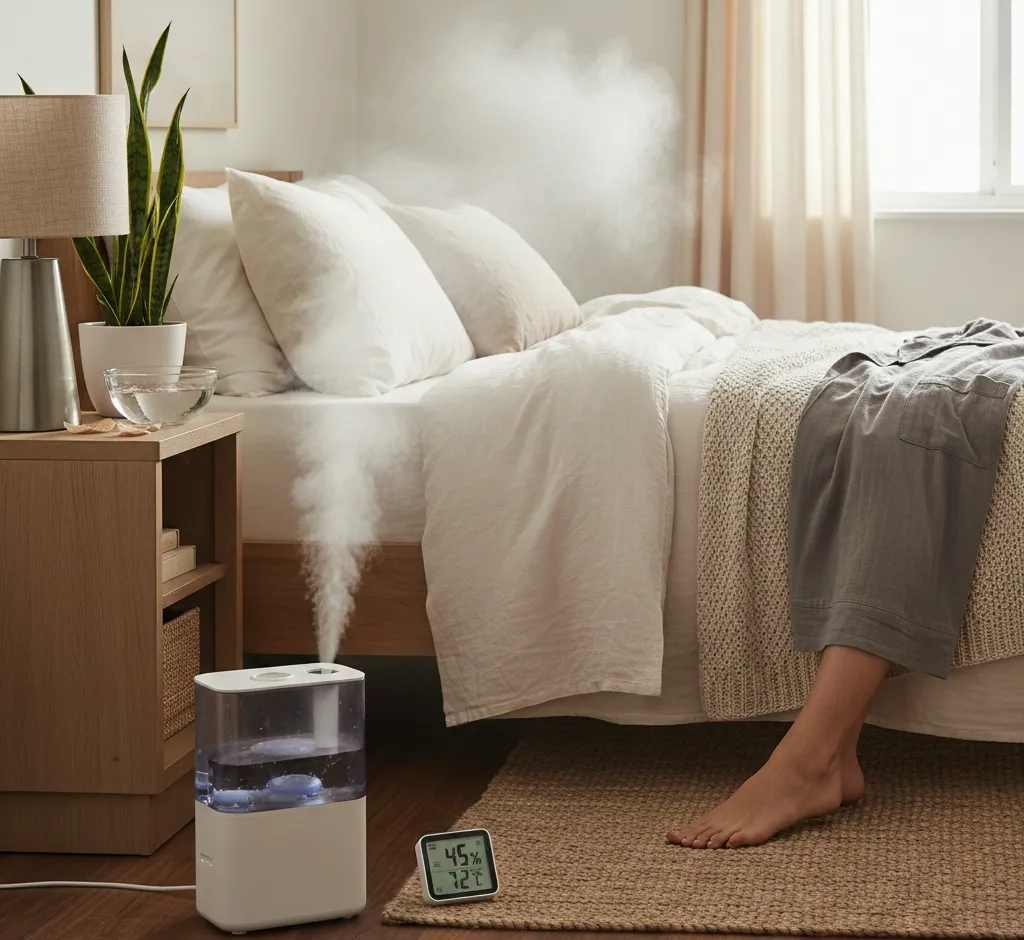
For both comfort and static control, aim for a relative humidity level between 40% and 50%. Below about 30%, static electricity tends to increase significantly; above 60%, your room may feel stuffy and promote mold growth.
To monitor humidity, use a simple digital hygrometer. Place it in your bedroom away from direct sunlight, vents, and windows for the most accurate reading.
Use a Humidifier Safely
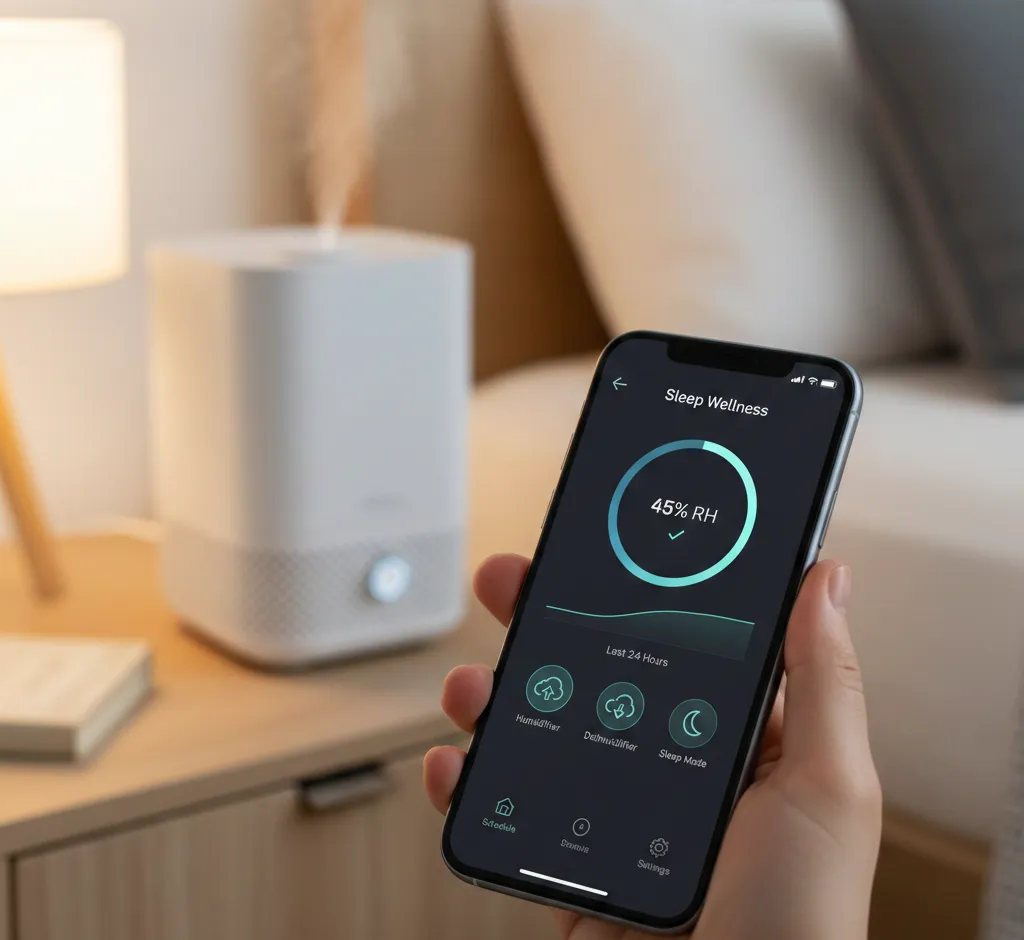
A humidifier is one of the most direct tools for raising bedroom humidity and reducing static electricity. When used correctly, it can make the air feel more comfortable and help relieve dry skin, lips, and nasal passages.
Follow these guidelines for safe, effective humidifier use:
- Choose the right size: Select a humidifier rated for the approximate square footage of your bedroom.
- Use clean water: Preferably use distilled or filtered water to minimize mineral dust and buildup.
- Clean regularly: Follow the manufacturer’s instructions to prevent mold, bacteria, and mineral scaling.
- Monitor humidity: Avoid over-humidifying, which can create condensation on windows and support dust mites or mold.
Low-Tech Ways to Add Moisture
If you do not have a humidifier, you can still slightly boost humidity through low-tech methods:
- Dry a small load of laundry on a rack in the bedroom.
- Place a bowl or shallow dish of water near a heat source (but not where it can spill or cause damage).
- Leave the bathroom door open after a warm shower to allow some steam into the bedroom area.
These methods are less precise but can offer incremental improvements in dry environments.
Choose Anti-Static Bedding and Fabrics
Since you spend many hours each night in direct contact with bedding and sleepwear, your fabric choices have a big impact on static buildup. Selecting certain materials can significantly reduce static electricity in your bedroom.
Switch to Natural Fibers
Natural fibers tend to generate less static and feel more breathable on the skin. Consider the following options:
- Cotton sheets and pillowcases: Soft, affordable, and widely available, cotton is a great first step away from high-static synthetics.
- Linen bedding: Linen has excellent moisture-wicking properties and typically holds less static, though it can feel crisper.
- Bamboo and TENCEL: These regenerated cellulose fabrics are usually low-static and very comfortable in a wide range of temperatures.
If you prefer certain synthetic blends for durability or cost, look for products labeled as anti-static or low-static.
Upgrade Sleepwear
Your pajamas can either contribute to or help relieve static electricity in bed. To reduce static:
- Choose cotton, bamboo, silk, or other natural fiber pajamas instead of polyester or nylon.
- Avoid fleece sleepwear in very dry bedrooms, as it can build up charge quickly.
- Skip synthetic socks in bed when you can; bare feet or cotton socks generate less static on sheets.
Use Fabric Softeners and Anti-Static Aids
Fabric softeners and anti-static products can help make your bedding and clothing less prone to static:
- Liquid fabric softener: Use as directed in the wash cycle to reduce static and add softness.
- Dryer sheets: These can deposit anti-static agents on fabrics as they tumble.
- Wool dryer balls: A more natural option that helps separate fabrics and reduce friction in the dryer.
If you want to minimize chemicals, look for fragrance-free or eco-labeled softeners and dryer products.
Improve Flooring and Rugs
The surface you walk on before getting into bed strongly influences static buildup, particularly when combined with certain socks or slippers. Adjusting your bedroom flooring can make a real difference.
Understand Carpet and Static
Wall-to-wall carpeting, especially made from synthetic fibers, is one of the biggest contributors to static shocks. Each step you take can charge your body, and that charge discharges when you touch metal, electronics, or another person.
If you experience frequent shocks in a carpeted bedroom, consider these adjustments:
- Use anti-static sprays: Lightly treat the carpet following product instructions to reduce static buildup.
- Place natural fiber rugs: Add wool or cotton rugs on top of synthetic carpets in high-traffic areas near the bed.
- Go barefoot: Bare feet or leather-soled slippers typically create less static than synthetic socks.
Consider Flooring Changes When Possible
If you plan to renovate your bedroom, choosing low-static flooring can help:
- Hardwood, laminate, or tile: These tend to generate less static overall than synthetic carpets.
- Natural area rugs: Place wool, jute, or cotton rugs where you step out of bed for comfort without excessive static.
Even if a full flooring replacement is not practical, adding natural-fiber rugs and minimizing synthetic floor coverings can reduce static shocks.
Adjust Bedroom Habits and Daily Routines
Small changes in your daily habits can also help reduce static electricity in bedroom air. By modifying how you move, dress, and manage fabrics, you can prevent many static-prone situations.
Moisturize Your Skin
Dry skin is more likely to contribute to static issues, and static discharges can feel more noticeable on dehydrated skin. Using a gentle, fragrance-free moisturizer after showering can support both skin health and comfort.
Focus on hands, legs, and feet, which often interact with bedding and carpeting. Maintaining hydrated skin helps the body dissipate small charges more evenly.
Ground Yourself Before Bed
If you routinely get shocked when you touch your bed, lamp, or partner, try grounding yourself just before you settle in:
- Briefly touch a large metal object, such as a metal door hinge or a grounded metal lamp base.
- If you work with electronics, consider an anti-static wrist strap when handling sensitive devices in the bedroom.
Grounding allows built-up charge to dissipate gradually instead of releasing as a sharp zap when you touch something in bed.
Launder Bedding Strategically
The way you wash and dry your bedding can increase or reduce static electricity:
- Avoid over-drying: Running the dryer too long can strip moisture from fabrics and increase static.
- Use lower heat: Moderate heat settings are often enough to dry sheets without creating excessive static.
- Remove bedding promptly: Take sheets and blankets out of the dryer while they are slightly warm, not overly dry.
These simple changes can make your bedding feel softer and less clingy.
Manage Electronics and Metal Objects
Electronics and metal surfaces are usually where you feel the discharge of static electricity. While they do not cause static by themselves, you can adjust how they are arranged to minimize shocks.
Position Electronics Thoughtfully
Many bedrooms now contain laptops, smartphones, tablets, smart speakers, and televisions. To help reduce static-related annoyances:
- Keep electronic devices off your bed when possible, especially when you notice frequent static shocks.
- Use protective cases and covers made from materials that feel comfortable and are less prone to static.
- Ensure device chargers and power strips are in good condition and plugged into grounded outlets.
Soften Contact with Metal Surfaces
Metal bed frames, lamps, or nightstands are common discharge points. You can reduce the surprise factor of static shocks by:
- Adding a fabric cover or wrap to metal headboards or rails.
- Using bedside lamps with fabric shades and non-metal touch points.
- Placing a small fabric mat between metal surfaces and frequently touched areas.
These steps do not completely eliminate static, but they can make contact surfaces feel warmer and more inviting.
Natural and DIY Anti-Static Solutions
If you prefer low-cost or natural strategies, several DIY approaches can support your effort to reduce static electricity in bedroom air.
Homemade Anti-Static Sprays
An easy DIY anti-static spray combines water and a small amount of fabric softener. To use:
- Fill a clean spray bottle with water.
- Add a teaspoon or two of liquid fabric softener.
- Shake gently to mix and lightly mist carpets, rugs, or synthetic upholstery.
Always test on a small, hidden area first to ensure it does not stain or damage the material. Avoid soaking surfaces; a light mist is usually enough.
Use Houseplants for Gentle Humidity
Houseplants release small amounts of moisture through a process called transpiration. While they are not a substitute for a humidifier, plants can contribute to a slightly more humid microclimate and create a calming atmosphere.
Choose plants suited to bedroom light levels and always place them safely away from electronics.
When Static Issues Might Signal Bigger Problems
In most cases, static electricity in the bedroom reflects normal seasonal changes and material choices. However, in rare situations, persistent or unusual static problems may point toward other issues.
Very Low Humidity and Health Concerns
If your hygrometer consistently shows humidity below 25%, you may experience:
- Very dry skin and lips.
- Increased coughing or throat irritation.
- More frequent static shocks throughout your home.
In these cases, you may want to review your home’s insulation, ventilation, and heating settings, or consult an HVAC professional for more advanced humidity solutions.
Static and Sensitive Medical Devices
If your bedroom contains sensitive medical or monitoring devices, such as certain types of respiratory equipment or wearable sensors, strong static discharges may interfere with readings. Always consult your healthcare provider or device manufacturer if you suspect static electricity is affecting medical equipment performance.
Practical Checklist to Reduce Static Electricity in Your Bedroom
If you are unsure where to start, use this simple checklist to prioritize changes that will quickly reduce static electricity in your bedroom:
- Measure bedroom humidity with a hygrometer and aim for 40–50%.
- Use a well-maintained humidifier during very dry seasons.
- Switch to cotton or other natural fiber sheets and pillowcases.
- Choose natural fiber pajamas and avoid fleece in very dry conditions.
- Use fabric softener, dryer sheets, or wool dryer balls when laundering bedding.
- Add natural fiber rugs on top of synthetic carpets, especially near the bed.
- Walk barefoot or in cotton socks instead of synthetic socks on carpets.
- Moisturize skin daily, focusing on hands, legs, and feet.
- Ground yourself by touching metal before getting into bed.
- Arrange electronics and metal surfaces to minimize sharp contact points.
Creating a Calmer, Less Static Bedroom
Reducing static electricity in bedroom air does not require expensive equipment or major renovations. Often, a combination of slightly higher humidity, better fabric choices, and a few simple habit changes can dramatically decrease those annoying shocks.
By paying attention to the air, materials, and routines in your bedroom, you can create a space that feels softer, more comfortable, and more conducive to deep, restorative sleep. Over time, these changes not only reduce static but also support healthier air and a more relaxing environment where you can truly unwind.