Seaweed Masks: Deep Hydration Hero or Clever Marketing Gimmick?
Seaweed masks promise deep hydration, detox, and glow—but do they really work? Discover the science behind seaweed skincare, who benefits most, how to choose a good mask, and whether these trendy treatments are genuine hydration heroes or just marketing gimmicks.
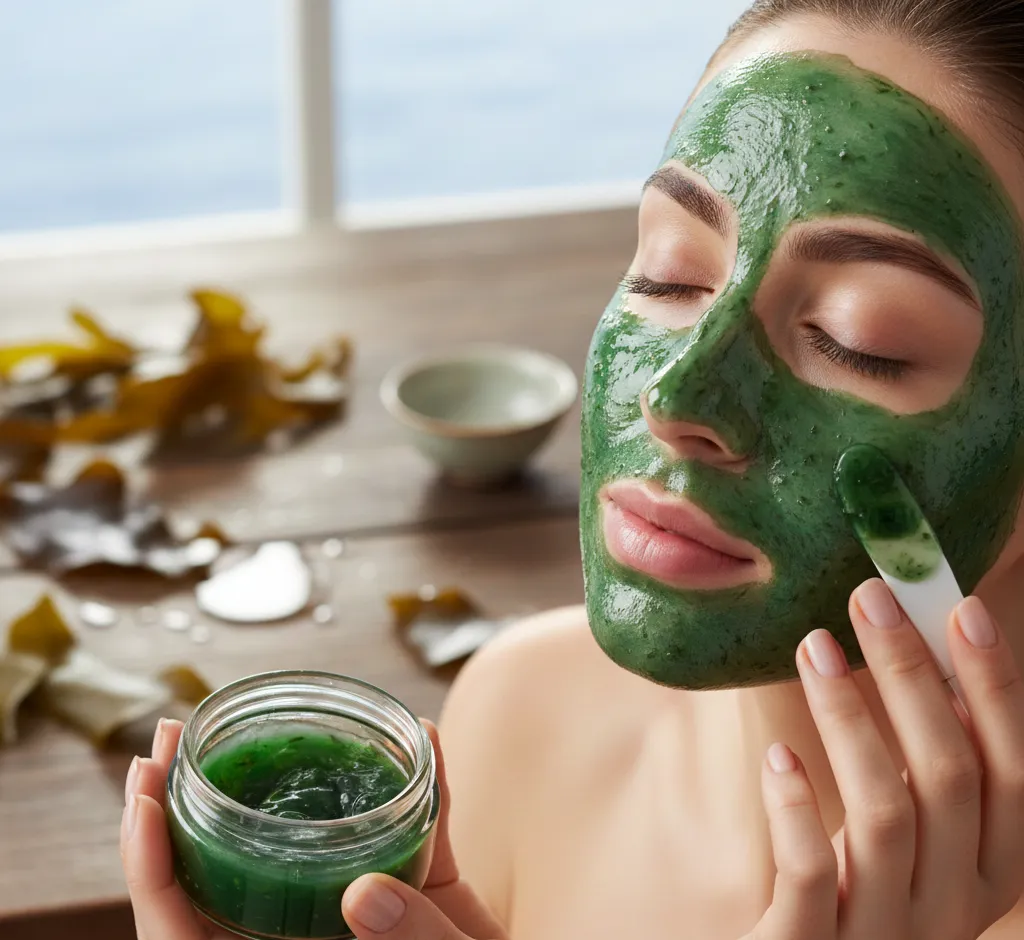
Seaweed face masks have exploded in popularity, promising deep hydration, detoxification, and that elusive "glass skin" glow. From luxury spa treatments to budget-friendly sheet masks, seaweed has become a star ingredient in modern skincare. But are seaweed masks truly effective, or are they just another clever marketing gimmick riding the wave of natural beauty trends?
In this article, we will take a balanced, science-informed look at seaweed masks: what they are, how they work, what research actually says, and which skin types may benefit the most. By the end, you will be able to decide whether a seaweed mask deserves a permanent place in your skincare routine—or just an occasional cameo.
What Exactly Are Seaweed Masks?
"Seaweed mask" is a broad term that can describe several types of products, all centered around marine algae. These algae can come from the sea (marine seaweed) or from freshwater sources (such as spirulina or chlorella). In skincare products, they are usually included as:
- Extracts (e.g., laminaria extract, kelp extract)
- Powdered forms (often mixed with water to create a paste)
- Sheet masks soaked in seaweed-infused essence
- Gel or cream masks enriched with marine algae complexes
Despite their different textures and formats, these products all leverage the same idea: that seaweed is packed with hydrating polysaccharides, vitamins, minerals, and antioxidants that can support skin health.
Why Seaweed? The Science Behind the Hype
Seaweed thrives in some of the harshest environments on Earth: exposed to salt, UV radiation, shifting tides, and constant water movement. To survive, it produces protective compounds—many of which have potential skincare benefits. This is one reason why seaweed and algae extracts are common in high-end moisturizers, serums, and anti-aging formulas.
Key beneficial components in seaweed
- Polysaccharides (like alginates, fucoidans, carrageenans): These long-chain sugars help seaweed retain water and protect its cells, and they can also form a hydrating film on the skin’s surface.
- Minerals and trace elements (e.g., magnesium, calcium, iodine, zinc): These support the skin barrier, hydration balance, and overall skin vitality.
- Amino acids: Building blocks that can support skin repair and help maintain moisture.
- Antioxidants (such as carotenoids and polyphenols): Help neutralize free radicals from UV exposure and pollution, which can contribute to premature aging.
- Vitamins (notably A, C, E, some B vitamins): Support collagen production, skin brightness, and protection against oxidative stress.
On paper, this cocktail of ingredients looks impressive—and many studies do suggest that certain seaweed extracts have moisturizing, soothing, and antioxidant effects on the skin. However, the real question is whether your typical face mask can deliver these benefits in a meaningful way.
Hydration Claims: What Seaweed Masks Can (and Cannot) Do
Most seaweed mask marketing centers around hydration. To evaluate whether that claim is fair, it helps to understand how skin hydration works.
How skin hydration actually works
Healthy hydration depends on three key factors:
- Water content in deeper layers of the skin (especially the dermis).
- The skin barrier (stratum corneum), which prevents water from escaping.
- Humectants and occlusives on the surface, which attract and lock in moisture.
Most masks, including seaweed masks, work mainly on the outermost layer of the skin. That means they provide surface hydration and temporary plumping, rather than permanently altering your skin’s hydration levels from the inside out.
How seaweed masks support hydration
Seaweed masks can support hydration in several ways:
- Film-forming polysaccharides: Some seaweed-derived polysaccharides can create a light, breathable film on the skin, reducing water loss and giving a smoother feel.
- Humectant-like action: Seaweed extracts often behave like humectants, helping draw and hold water on the skin’s surface.
- Barrier support: Antioxidants and minerals may support the skin barrier, which indirectly helps with long-term hydration.
The result? After using a seaweed mask, many people do notice:
- Skin that feels softer and more supple
- A temporary plumping effect, especially on fine dehydration lines
- A more radiant, refreshed appearance
These effects are very real, but they are also largely temporary. As with most wash-off or one-time mask treatments, the benefits fade over hours or days. Consistent skincare habits—like a gentle cleanser, daily moisturizer, and sunscreen—still matter far more than any single mask.
Marketing Gimmick or Legit Treatment?
So, are seaweed masks just a marketing trick? The truth lies somewhere in the middle. Seaweed-based skincare has a scientific basis, but not all products or claims are created equal.
Where seaweed masks deliver
- Short-term hydration and glow: Most well-formulated seaweed masks can boost surface hydration and give the skin a fresher look.
- Soothing effect: Some seaweed extracts appear to calm redness and mild irritation, which can benefit sensitive or post-sun skin.
- Antioxidant support: Regular use of antioxidant-rich products may support the skin’s defense against environmental stressors.
Where the hype goes too far
- Overblown anti-aging promises: Claims that a weekly seaweed mask will erase wrinkles or dramatically tighten the skin are exaggerated. Long-term texture and firmness depend more on sun protection, retinoids, lifestyle, and overall routine.
- Detox myths: Skin does not need external "detox" from masks in the way marketing suggests. Your liver and kidneys handle detoxification; masks can only help cleanse the skin’s surface.
- One-ingredient miracle narratives: No single ingredient, including seaweed, can solve all skin concerns. Formulation, concentration, and your skin type all matter.
In other words, seaweed masks are not snake oil—but they are also not magic. The more extravagant the claim, the more skeptical you should be.
Benefits of Seaweed Masks by Skin Type
Whether a seaweed mask feels like a hero or a gimmick often depends on your skin type and expectations. Here is how different skin types might experience these products.
Dry or dehydrated skin
Dry and dehydrated skin types are the most likely to appreciate seaweed masks. The film-forming and humectant properties can:
- Enhance immediate softness and smoothness
- Boost the effectiveness of your regular moisturizer if used beforehand
- Reduce the look of flakiness or tightness, at least temporarily
For very dry skin, cream or gel-cream seaweed masks often work better than thin sheet masks, because they can be more nourishing and occlusive.
Oily and combination skin
Oily or combination skin can still benefit from seaweed masks, especially formulas labeled as lightweight or oil-free. In this case, look for products that highlight:
- Balancing hydration without heaviness
- Non-comedogenic or "won’t clog pores" claims
- Minimal added oils or butters
Some seaweed masks are combined with clays (like kaolin or bentonite) to help absorb excess oil while still providing hydration. These hybrid formulas can work particularly well for combination or acne-prone skin that is both oily and dehydrated.
Sensitive or reactive skin
Seaweed can be soothing, but not everyone tolerates marine ingredients. Sensitive skin users should:
- Patch test first, especially if the formula has strong fragrances or essential oils.
- Avoid masks with alcohol denat. high on the ingredient list, as it can compromise the skin barrier.
- Look for labels like "for sensitive skin" or "dermatologist-tested" as a starting filter.
If your skin reacts well, you may notice reduced redness and a calming, cooling effect after a seaweed mask—particularly gel-based formulas kept in the fridge before use.
How to Read the Ingredient List of a Seaweed Mask
To decide if a seaweed mask is worth your money, you need to look beyond the front label. The ingredient list tells the real story.
Common names for seaweed and algae
Seaweed might appear under various names, such as:
- Laminaria Digitata Extract (kelp)
- Fucus Vesiculosus Extract (bladderwrack)
- Chondrus Crispus (carrageenan or Irish moss)
- Ascophyllum Nodosum Extract
- Algae Extract (generic term)
- Spirulina Platensis Extract (blue-green algae)
- Chlorella Vulgaris Extract
Seeing these closer to the top half of the ingredient list suggests that they are present in higher concentrations. If "algae extract" appears near the very end, the product may contain only a token amount for marketing appeal.
Supporting ingredients that matter
A seaweed mask is only as good as its overall formula. For true hydration and skin support, look for:
- Humectants like glycerin, hyaluronic acid, sorbitol, betaine.
- Barrier-supporting lipids like ceramides, squalane, fatty alcohols, or natural oils (if your skin tolerates them).
- Soothing agents like panthenol (pro-vitamin B5), allantoin, bisabolol.
On the other hand, be cautious with products that combine seaweed with:
- High amounts of denatured alcohol
- Strong fragrances or essential oils
- Harsh exfoliating acids when your skin is already sensitive
The presence of seaweed does not automatically make the product gentle or hydrating—the whole composition matters.
How to Use Seaweed Masks for Best Results
If you decide to try a seaweed mask, your technique can influence how well it performs. A simple routine can make a noticeable difference.
Step-by-step application guide
- Cleanse thoroughly: Start with a gentle cleanser to remove makeup, SPF, and impurities.
- Optional: exfoliate lightly: 1–2 times per week, use a mild exfoliant (chemical or physical) beforehand to remove dead skin cells. This can help the mask work more effectively.
- Apply the mask evenly: Avoid the immediate eye and lip areas unless the product specifies it’s safe there.
- Follow the recommended time: Leaving a mask on for longer than suggested does not always give better results and can sometimes irritate the skin.
- Rinse gently or remove: For wash-off masks, use lukewarm water and soft circular motions. For sheet masks, remove and pat in remaining essence.
- Seal with moisturizer: Lock in the hydration boost by applying your regular moisturizer afterward.
Used 1–3 times a week, seaweed masks can be a pleasant addition to your skincare routine, especially when you want a quick pick-me-up before an event or after a long day.
Are DIY Seaweed Masks Worth It?
With the popularity of DIY skincare, many people wonder if they can mix their own seaweed masks using food-grade seaweed or powdered algae. While this is possible, there are pros and cons.
Potential advantages of DIY seaweed masks
- Cost savings: Buying dried seaweed or algae powder in bulk is often cheaper over time.
- Ingredient control: You decide exactly what goes onto your skin, avoiding irritants you know you are sensitive to.
- Customization: You can experiment with combinations like aloe vera gel, honey, or yogurt.
Drawbacks and safety considerations
- Stability and hygiene: Home mixtures are not preserved properly and should be used immediately. Bacteria and mold growth are real risks if stored.
- Texture and absorption: Cosmetic-grade extracts are designed for skin penetration and pleasant texture; food-grade products may not feel or perform the same.
- Allergy risk: Without patch testing and standardization, it’s easier to overdo concentration and trigger irritation.
If you enjoy DIY, start with very simple recipes, always patch test on a small area first, and discard any leftovers instead of storing them. For most people, a professionally formulated seaweed mask is safer and more reliable.
Who Should Avoid Seaweed Masks?
Despite their benefits, seaweed masks are not suitable for everyone. You may want to be cautious or avoid them if you:
- Have a known allergy to iodine, shellfish, or marine plants (consult your doctor or dermatologist).
- Have very reactive or compromised skin and react easily to new products.
- Are under strict medical advice regarding iodine exposure (for example, certain thyroid conditions).
When in doubt, consult a dermatologist—especially if you have chronic skin conditions like eczema, rosacea, or psoriasis. Seaweed may still be usable in some cases, but professional guidance helps reduce risks.
Seaweed Masks vs. Other Hydrating Masks
To decide if seaweed masks are right for you, it helps to compare them with other common hydrating mask types.
Seaweed masks vs. hyaluronic acid masks
Hyaluronic acid (HA) masks focus heavily on humectant action—drawing water to the skin. Seaweed masks often offer a more complex blend of humectants, minerals, and antioxidants. In practice:
- HA masks may provide strong immediate plumping, especially in dry climates if you apply moisturizer afterwards.
- Seaweed masks can offer a broader soothing and protective effect, with added antioxidant benefits.
Seaweed masks vs. cream or sleeping masks
Cream or overnight sleeping masks are typically richer and more occlusive. They are designed to seal in moisture over several hours. Seaweed masks, especially wash-off gels or sheets, usually act in a shorter window.
For intense barrier repair, a thick overnight mask may outperform a quick seaweed treatment. For refreshing, spa-like sessions and a visible short-term glow, a seaweed mask can be a more pleasant and versatile option.
Are Seaweed Masks Worth Your Money?
Whether a seaweed mask is a smart investment depends on your expectations and your existing routine. Consider these questions before buying:
- Do you already have the basics? If you do not regularly use a gentle cleanser, daily moisturizer, and broad-spectrum SPF, those should come first.
- Are you expecting permanent results? Masks are boosters, not cures. Expect temporary improvements, not a complete transformation.
- Do you enjoy the ritual? If masking helps you relax, unwind, and stick to a self-care routine, the psychological benefits can be just as important as the physical ones.
For many people, seaweed masks are best thought of as a supporting player: a pleasant, beneficial treatment that complements a solid skincare routine rather than replacing it.
Practical Tips for Choosing a Good Seaweed Mask
To avoid falling for pure marketing gimmicks, keep these practical tips in mind when shopping:
- Check the first 5–10 ingredients on the list. If seaweed or algae extracts appear there, you are more likely getting a meaningful amount.
- Match the texture to your skin type: gel or light sheet masks for oily/combo skin; creamier formulas for dry or mature skin.
- Look for supporting hydrators like glycerin and hyaluronic acid to enhance moisturizing effects.
- Avoid heavy fragrance if you have sensitive or redness-prone skin.
- Start slow: Use once a week at first and observe how your skin responds.
Final Verdict: Hydration Hero or Marketing Gimmick?
So where do seaweed masks land on the spectrum between genuine skincare tool and marketing gimmick?
They are neither miracle cures nor useless fads. Seaweed-based masks can provide real, measurable benefits such as improved surface hydration, a temporary plumping effect, increased radiance, and mild soothing for many skin types. Their rich content of polysaccharides, minerals, and antioxidants has a solid scientific foundation.
However, the marketing often oversells what a mask can do. Seaweed masks will not permanently erase wrinkles, radically tighten sagging skin, or replace a dermatologist’s care. They work best as a supportive treatment, especially for those seeking an extra dose of hydration, a brighter complexion before special occasions, or an enjoyable self-care ritual.
If you choose wisely, manage your expectations, and pair seaweed masks with a consistent, evidence-based skincare routine, they can absolutely be more than just a gimmick. They can be a valuable—if modest—ally on your journey to healthier, better-hydrated skin.