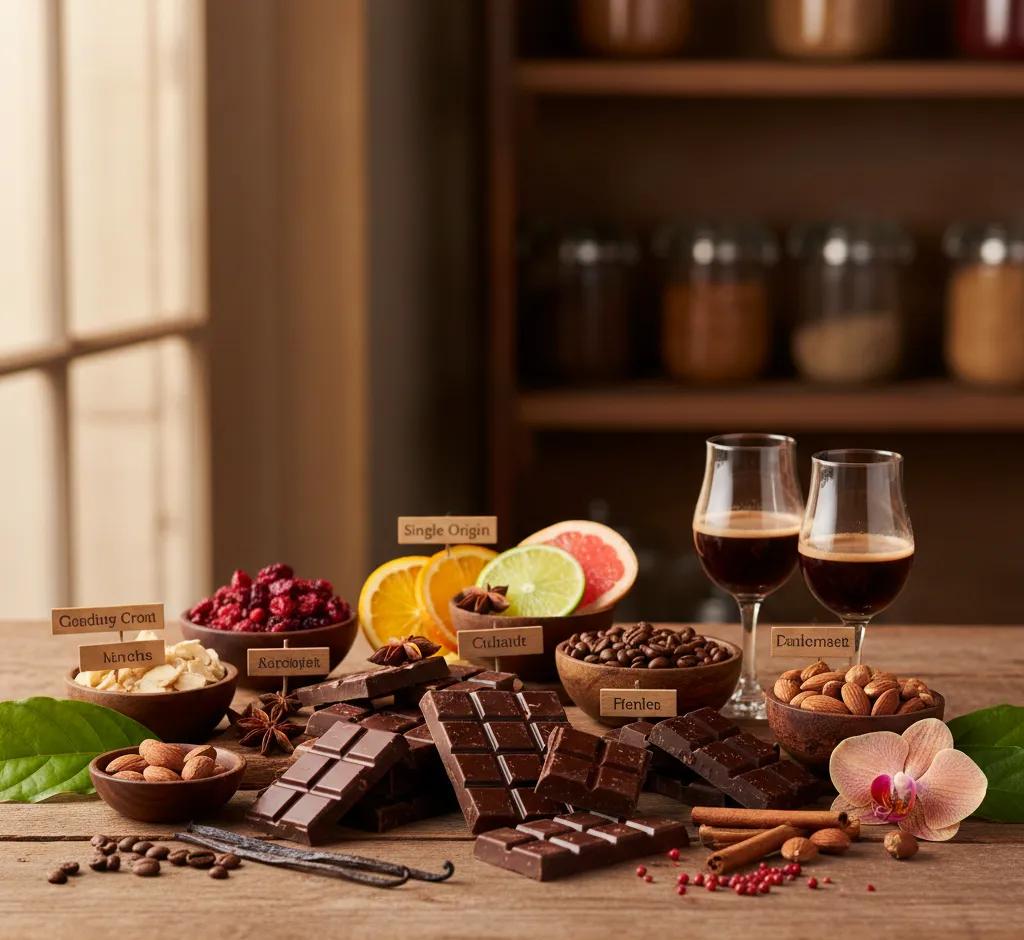
Single Origin Cacao Terroir: How Place Shapes Chocolate Flavor
Discover how single origin cacao terroir—soil, climate, altitude, and local culture—shapes the flavor, ethics, and quality of fine chocolate, and learn how to taste it like a pro.
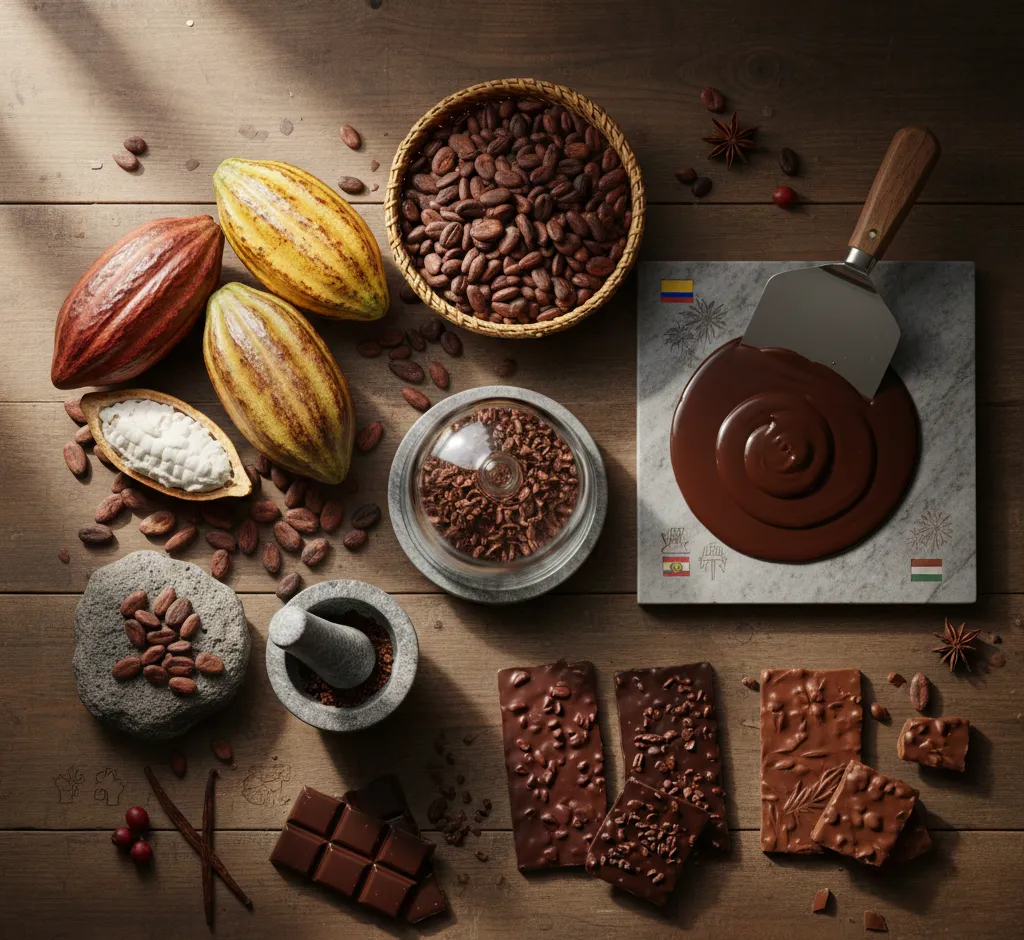
Single origin cacao has transformed the way chocolate lovers think about flavor, provenance, and quality. Instead of treating chocolate as a uniform product, single origin bars highlight how soil, climate, and local culture imprint a distinct personality on every cacao bean. Terroir, a concept long used in wine, now sits at the heart of fine chocolate and reveals just how expressive cacao can be.
What Is Single Origin Cacao?
Single origin cacao refers to cacao beans sourced from one clearly defined place, such as a single country, region, cooperative, or even a specific farm. This focus on origin contrasts with commodity chocolate, where beans from many countries are blended to create a consistent but often less distinctive flavor. By narrowing the geographic scope, single origin chocolate allows the unique characteristics of that location to shine through in the finished bar.
For chocolate makers and consumers, this approach brings greater transparency and traceability. When beans come from one origin, it becomes easier to understand how they were grown, who cultivated them, and what conditions shaped their development. Single origin cacao also encourages long-term relationships with farmers and cooperatives, supporting more sustainable and equitable supply chains.
Understanding Terroir in Cacao
Terroir is often described as the "taste of place"—the idea that environmental and human factors combine to give an agricultural product its particular character. In cacao, terroir includes elements such as soil composition, climate, altitude, surrounding vegetation, and local farming traditions. Each variable subtly affects how cacao trees grow, how pods mature, and how beans develop their inherent flavor potential.
Just as wine made from the same grape variety can taste completely different when grown in distinct regions, cacao of the same genetic type will express different flavor notes depending on its terroir. One origin might yield bright, red-fruit acidity, while another produces deep nuttiness or warm spice tones. Appreciating terroir means recognizing that chocolate is not a standardized commodity but an agricultural expression of a particular landscape and community.
Key Environmental Factors That Shape Cacao Terroir
Soil and Mineral Composition
The soil in which cacao trees grow plays an essential role in flavor development. Rich, well-drained soils can support vigorous trees and balanced flavor profiles, while mineral content influences nuances like bitterness, acidity, and aromatic intensity. Volcanic soils, for instance, may contribute to more pronounced, complex flavors compared with heavily degraded or nutrient-poor soils.
Micronutrients, organic matter, and soil microbiology all affect how cacao trees absorb water and minerals. Healthy, living soils often correlate with beans that have vibrant and layered flavor potential. Conversely, soils that are exhausted by intensive agriculture can result in flatter-tasting cacao, even if the genetic material of the trees is excellent.
Climate, Rainfall, and Temperature
Cacao thrives in tropical climates near the equator, but even within this band, temperature, rainfall patterns, and humidity vary widely. Regions with evenly distributed rainfall may produce cacao with more consistent flavor year-round, while places with marked dry and wet seasons can yield harvests that differ noticeably between seasons. Extended drought or excessive rain can stress trees and alter bean size, sugar content, and acidity.
Temperature ranges also shape ripening speed and disease pressure. Slightly cooler, higher-altitude climates may lead to slower maturation and more concentrated flavors, while hotter lowland areas can produce faster-growing trees but sometimes less complex beans. Climate change is increasingly influencing these patterns, pushing farmers to adapt cultivation practices to protect both yield and flavor.
Altitude and Microclimates
Altitude influences both temperature and sunlight exposure, creating microclimates that can dramatically affect cacao quality. Higher elevations often provide cooler nights and more moderate daytime temperatures, which can slow fruit development and encourage more nuanced flavor profiles. Lower altitudes may allow for faster growth but can also increase susceptibility to pests and diseases.
Even within a single valley or hillside, variations in slope orientation, shade cover, and wind exposure can create micro-terroirs. Two plots separated by only a few hundred meters might yield beans with noticeably different fruitiness, floral notes, or body, especially when handled carefully during fermentation and drying.
Surrounding Vegetation and Agroforestry
Cacao is naturally an understory tree, thriving in the filtered light of tropical forests. When grown in agroforestry systems under shade trees, cacao benefits from more stable temperatures, improved soil health, and enhanced biodiversity. The surrounding vegetation can influence flavor indirectly by affecting soil nutrients, humidity, and pest populations.
In diversified systems, cacao may share space with fruit trees, hardwoods, and native plants, creating a complex ecological network. These conditions often produce beans with more expressive flavors and can support wildlife and ecosystem resilience. In contrast, monoculture plantations tend to prioritize volume over flavor expression and may rely more heavily on chemical inputs that can degrade overall terroir over time.
Human Factors: Post-Harvest Practices and Culture
Fermentation as a Flavor Catalyst
While terroir begins in the field, it is amplified—or diminished—through post-harvest practices, especially fermentation. Fresh cacao beans are fermented in boxes, baskets, or heaps, and during this period, natural yeasts and bacteria break down sugars and pulp. This process generates heat and biochemical changes that create the flavor precursors for chocolate’s complex aromas.
Variables such as fermentation length, turning frequency, box design, and ambient temperature all influence the final profile. Two farms in the same region with identical cacao varieties can produce wildly different results depending on how skillfully they ferment and dry their beans. In this sense, fermentation is often compared to winemaking, where the producer’s technique transforms raw grapes into an expressive finished product.
Drying, Storage, and Processing
After fermentation, beans must be dried slowly and evenly to prevent mold and off-flavors. Sun-drying on raised beds allows good airflow and gentle heat, often preserving delicate aromatics and acidity. Overly fast drying or exposure to smoke and contaminants can mute or distort the characteristics gifted by terroir and fermentation.
Storage conditions and transport also matter. Beans that absorb moisture or odors from their environment can lose clarity and cleanliness of flavor. Later, during roasting and conching, chocolate makers decide how to showcase the origin’s qualities. Light roasting may emphasize fruity and floral notes, while darker roasts bring out nuttiness and caramelization. Each step either respects or obscures the original terroir.
Cultural Heritage and Local Knowledge
Terroir is not only about physical conditions; it is also shaped by people and traditions. In many cacao-growing regions, communities have cultivated cacao for generations, passing down specific ways of planting, pruning, fermenting, and drying. These practices are often adapted to local climate patterns and available resources, building a unique cultural fingerprint onto the beans.
As specialty chocolate grows, collaborations between farmers, cooperatives, and craft makers help refine these traditions. Training in sensory evaluation, fermentation techniques, and quality control enables producers to make deliberate choices that enhance their terroir’s strengths rather than simply chasing yield. The result is cacao that carries both a geographical and cultural identity.
How Terroir Shows Up in the Chocolate
Common Flavor Profiles by Origin
Different cacao origins tend to be associated with recurring flavor tendencies, though each farm and harvest will vary. For example, some regions are known for bright red-berry and citrus notes, others for deep earthiness, nutty richness, or warm spices. Coastal areas may produce more saline or mineral impressions, while rainforest environments might lean toward lush tropical fruit and floral aromas.
These patterns are not rigid rules but starting points for exploration. When tasting single origin chocolate, the goal is not to check boxes on a flavor wheel but to notice how acidity, sweetness, bitterness, texture, and aroma come together. Over time, tasters can learn to recognize the signatures of particular regions or even estates, much like devoted wine or coffee enthusiasts do.
Acidity, Body, and Aromatics
Three key dimensions help describe terroir in chocolate: acidity, body, and aromatics. Acidity refers to the perception of brightness or tang, which can range from gentle to intense and often brings notes of fruits or yogurt. Body describes the weight and mouthfeel of the chocolate, from light and silky to dense and fudgy, influenced by both fat content and processing.
Aromatics include the scents and retronasal flavors detected while tasting, such as floral tones, nuts, spices, wood, or dried fruit. A cacao with high aromatic complexity might reveal different notes as it melts, while a simpler profile feels more straightforward but still satisfying. Together, these dimensions express how terroir, variety, and craft intersect.
Single Origin vs. Blended Chocolate
Blended chocolate combines beans from multiple regions to achieve a consistent flavor profile and cost structure. This approach is common in large-scale production, where predictability is more important than expressing a specific place. Blends can be excellent, especially when crafted to balance acidity, sweetness, and bitterness into a harmonious whole.
Single origin chocolate, in contrast, prioritizes character over uniformity. A bar might be more surprising, with vivid highs and lows, but that individuality is precisely what many enthusiasts seek. For makers, single origin bars become a way to tell stories about the farmers, landscapes, and cultures behind each cacao, turning each bar into an edible snapshot of its origin.
Why Single Origin Terroir Matters
Transparency and Ethics
Focusing on origin often goes hand-in-hand with greater transparency. When chocolate labels specify farms, cooperatives, or regions, they invite questions about how farmers are paid, what agricultural practices are used, and how communities benefit. Many single origin projects involve direct relationships or shorter supply chains that can deliver better prices and support for growers.
This transparency does not automatically guarantee perfect ethics, but it does create pathways for accountability and improvement. Consumers who care about social and environmental impact can look for information on certifications, direct trade models, or regenerative agroforestry initiatives connected to specific origins.
Preserving Biodiversity and Heritage
Single origin cacao can also help preserve genetic diversity and traditional varieties. When farmers receive recognition and higher prices for distinctive flavor profiles, they are more likely to maintain rare or heirloom cacao types rather than replacing them with higher-yield but less interesting hybrids. This diversity is vital for resilience against pests, diseases, and climate shifts.
Highlighting terroir supports cultural heritage too. Regional processing techniques, ceremonial uses of cacao, and local recipes become part of the narrative that accompanies single origin chocolate. The result is a richer, more respectful connection between consumers and the communities that have cared for cacao for centuries.
How to Taste Single Origin Cacao Like a Pro
Setting Up a Tasting
To appreciate terroir, set up a simple side-by-side tasting of two or more single origin chocolates. Choose bars with similar cacao percentages and processing styles so that differences come mainly from origin, not sugar level or added ingredients. Break the chocolate into small pieces and serve it at room temperature to allow aromas to develop fully.
Have water and a neutral palate cleanser like plain crackers on hand, and taste in a calm environment with minimal strong smells. Take a moment to look at the surface and color of each piece, then gently smell before tasting. These small rituals help shift attention from casual snacking to active sensory exploration.
Step-by-Step Tasting Technique
- Observe: Examine the color, shine, and snap of the chocolate when you break it. These clues can reveal aspects of tempering and cacao content.
- Smell: Bring the piece to your nose and inhale slowly. Notice any initial impressions such as fruit, nuts, spice, or wood.
- Taste: Place the chocolate on your tongue and let it melt rather than chewing immediately. Pay attention to how the flavor evolves from the first contact to the finish.
- Reflect: Consider acidity, sweetness, bitterness, texture, and aftertaste. Ask what the chocolate makes you think of—berries, dried fruit, toasted nuts, flowers, or something more savory.
- Compare: Move between different origins and see how each expresses its terroir differently. Note which profiles you enjoy most and why.
Choosing and Enjoying Single Origin Cacao
When selecting single origin chocolate, start with a few regions and percentages that appeal to you, then branch out as your palate grows. Read labels to learn not only where the cacao comes from but also how it was processed and who produced it. Makers who highlight origin and terroir usually provide tasting notes and background stories that can guide your exploration.
Single origin cacao can be enjoyed on its own, used in drinking chocolate, or incorporated into desserts and savory dishes. When cooking, consider pairing recipes with origins that complement the dish: a bright, fruity cacao for fruit-based desserts, or a deeper, nutty origin for rich cakes or sauces. Treating cacao as a nuanced ingredient rather than a generic “chocolate flavor” opens up a world of creative possibilities.
The Future of Single Origin Terroir
As more people discover the diversity of flavors that terroir brings to cacao, demand for single origin chocolate continues to grow. This momentum encourages investment in high-quality fermentation centers, better drying infrastructure, and farmer training, all of which can raise incomes and improve quality of life in cacao-growing regions. At the same time, it challenges the industry to maintain integrity and avoid using origin language as mere marketing.
For consumers, embracing single origin cacao terroir is an invitation to slow down and savor. Every bar becomes a chance to taste a landscape, support a community, and deepen understanding of how climate, culture, and craft come together in something as seemingly simple as a square of chocolate.