Skin Care Routine With Essential Oils: A Complete Beginner-Friendly Guide
Learn how to safely build a skin care routine with essential oils. Discover the best oils for your skin type, dilution guidelines, step-by-step routines, and beginner-friendly blend ideas.
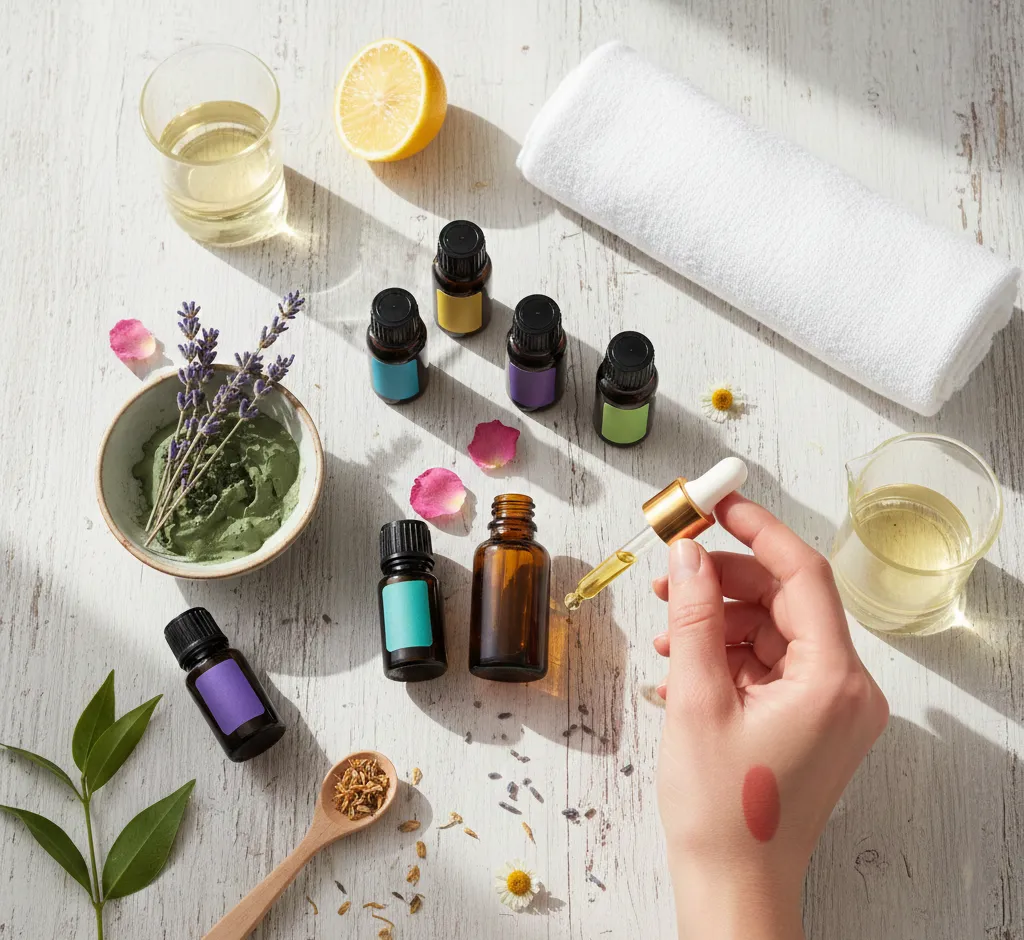
Essential oils have become a popular addition to modern skin care routines, and for good reason. When used correctly, these highly concentrated plant extracts can support a clearer, brighter, and more balanced complexion. However, they must be chosen carefully and always used safely. This guide walks through how to build a simple, effective skin care routine with essential oils, step by step.
What Are Essential Oils And How Do They Help Skin?
Essential oils are volatile, aromatic compounds extracted from plants, usually through steam distillation or cold pressing. They are highly concentrated, which means a few drops can deliver powerful effects. In skin care, essential oils may help:
- Support a more even-looking skin tone.
- Reduce the appearance of blemishes and breakouts.
- Provide a soothing, calming sensation to sensitive or stressed skin.
- Offer an invigorating, brightening feel to dull or tired skin.
- Deliver a spa-like aroma that can enhance your self-care ritual.
Because essential oils are potent, they should never be used undiluted directly on the skin. Instead, always mix them with a carrier oil such as jojoba, sweet almond, grapeseed, or fractionated coconut oil to make them safer and more comfortable to use.
Safety First: How To Use Essential Oils In Skin Care
Before adding essential oils to any skin care routine, it is crucial to follow a few basic safety rules. These practices help reduce the risk of irritation, redness, or allergic reactions.
Always Dilute Essential Oils
Never apply essential oils directly to the face or body without dilution. A good general guideline for facial skin is:
- 0.5%–1% dilution for sensitive or reactive skin (about 1–3 drops of essential oil per 2 teaspoons of carrier oil).
- 1%–2% dilution for normal or combination skin (about 3–6 drops per 2 teaspoons of carrier oil).
For the body, slightly stronger dilutions are sometimes used, but for daily facial care, it is safer to stay on the lower end. More is not always better, especially with the delicate skin on the face.
Perform A Patch Test
Each person’s skin is unique, and even gentle essential oils can cause reactions in some individuals. Before using any blend on your face, perform a patch test:
- Mix your diluted essential oil blend as you intend to use it.
- Apply a small amount to the inside of your forearm or behind your ear.
- Wait 24 hours and observe any redness, itching, stinging, or discomfort.
If irritation occurs, wash the area with mild cleanser and water, discontinue use, and consider trying a different oil or lower dilution.
Be Aware Of Phototoxic Oils
Certain citrus essential oils, especially expressed (cold-pressed) bergamot, lime, lemon, and bitter orange, can increase sensitivity to UV light when applied to the skin. This is known as phototoxicity. If using potentially phototoxic oils on exposed areas of skin:
- Use lower dilutions and only at night, or
- Avoid direct sunlight or tanning beds for at least 12–18 hours after application.
To minimize risk, many people prefer steam-distilled citrus oils labeled as non-phototoxic or reserve citrus for wash-off products like cleansers rather than leave-on serums.
Choose High-Quality Oils
Not all essential oils are created equal. For skin care applications, look for:
- 100% pure essential oils with no synthetic fragrances or fillers.
- Clear labeling with the botanical Latin name and extraction method.
- Dark glass bottles stored away from heat and sunlight.
Quality matters because adulterated or low-grade oils may increase the risk of irritation or simply deliver fewer benefits.
Matching Essential Oils To Your Skin Type
Different essential oils offer different properties. Choosing the right ones for your skin type can make your routine more effective and pleasant.
For Oily Or Acne-Prone Skin
If you struggle with shine, clogged pores, or frequent breakouts, consider oils traditionally used to support clearer-looking skin.
- Tea tree (Melaleuca alternifolia): Often used for blemish-prone skin to help reduce the appearance of spots and imperfections.
- Lavender (Lavandula angustifolia): Gentle and balancing, commonly used for skin that looks red, irritated, or stressed.
- Geranium (Pelargonium graveolens): Helps support a more balanced-looking complexion and can be especially beneficial for combination skin.
- Clary sage (Salvia sclarea): Frequently used in blends aimed at balancing oiliness and supporting a more refined appearance of pores.
Use these oils in very low dilutions, especially along the T-zone, and avoid applying strong blends directly over active, open blemishes.
For Dry Or Dehydrated Skin
Dry skin often feels tight, rough, or flaky. Essential oils cannot replace moisturizers, but they can complement hydrating products and support skin comfort.
- Roman chamomile (Chamaemelum nobile): Known for a soothing, calming sensation, especially on tight or chapped-feeling skin.
- Sandalwood (Santalum album or related species): Often used to provide a soft, smoothing feel and a luxurious, comforting aroma.
- Frankincense (Boswellia carterii, serrata, or sacra): Traditionally used in mature skin blends to support a firmer, more refined appearance.
- Rose (Rosa damascena or centifolia): A premium oil often added in tiny amounts to help the skin feel more supple and pampered.
Pair these essential oils with nourishing carrier oils like jojoba, avocado, or argan for an extra-rich night treatment.
For Sensitive Or Reactive Skin
Sensitive skin needs particular care. Always work with very low dilutions and simple, minimal ingredient lists.
- Lavender: One of the most versatile essential oils, often used for soothing, gentle skin support.
- German chamomile (Matricaria recutita): Deep blue in color and frequently used in blends designed to calm the appearance of redness.
- Neroli (Citrus aurantium var. amara): A delicate, floral oil that can help skin feel comforted and soft.
Even with these gentler oils, sensitive skin types should stay around 0.5% dilutions and always perform a patch test first.
For Mature Or Dull-Looking Skin
Mature skin may show fine lines, uneven tone, or loss of firmness. Essential oils can help support a more radiant, smooth appearance when combined with a consistent routine and sun protection.
- Frankincense: Frequently used in age-supportive blends to help the skin look smoother and more refined.
- Rose: Often chosen for premium serums that target a more luminous, plump look.
- Helichrysum (Helichrysum italicum): Sometimes called “immortelle,” this oil is often used in blends aimed at supporting a more even-looking complexion.
- Carrot seed (Daucus carota): Commonly featured in formulations designed to give the skin a brighter-looking, revitalized appearance.
Building A Daily Skin Care Routine With Essential Oils
Adding essential oils to your skin care routine does not mean you must overhaul everything. Instead, think of them as targeted boosters. The following steps outline a simple morning and evening routine that can be tailored to your skin type.
Step 1: Gentle Cleansing
Cleansing removes makeup, sunscreen, excess oil, and impurities, helping the rest of your products work more effectively. Essential oils can be incorporated in small amounts into:
- Oil cleansers: A blend of carrier oils with a drop or two of essential oils suitable for your skin type.
- Foaming or gel cleansers: Pre-formulated products that contain essential oils like tea tree, lavender, or geranium.
If you prefer a DIY method, try an oil cleanser for normal to dry skin by mixing a neutral carrier oil such as jojoba with a low amount of lavender or chamomile oil, massaging into the skin, and then removing with a warm, damp cloth. For oily or acne-prone skin, keep essential oil content low and follow with a gentle water-based cleanser.
Step 2: Toning Or Mist
A toner or facial mist helps remove any cleanser residue and prepares your skin for serums and moisturizers. Hydrosols, which are aromatic waters produced during essential oil distillation, are a gentle alternative to pure essential oils in this step.
- Rose hydrosol: Lovely for dry, mature, or sensitive skin.
- Lavender hydrosol: Versatile and calming for most skin types.
- Witch hazel distillate (alcohol-free): Often used for combination or oily skin.
Hydrosols can be misted directly onto the face after cleansing without additional dilution, making them convenient and user-friendly.
Step 3: Targeted Serums With Essential Oils
Serums are concentrated formulas designed to address specific concerns, such as dullness, uneven tone, or fine lines. This is where essential oils shine as part of a skin care routine.
To create a simple facial oil serum:
- Choose a carrier oil suitable for your skin type (jojoba for combination, rosehip for dull or uneven-looking skin, argan for dry or mature skin).
- Add 2–4 drops of compatible essential oils per tablespoon of carrier oil for about a 1% dilution.
- Store the blend in a dark glass bottle and use 2–4 drops on damp skin after toning.
Use this serum once per day at first, preferably at night, to see how your skin responds before introducing it into your morning routine.
Step 4: Moisturizing And Protecting
A moisturizer helps lock in hydration and maintain a healthy skin barrier. Many moisturizers already contain botanical extracts or essential oils. If using a simple, fragrance-free cream, you can enhance it by adding a drop of pre-diluted facial oil serum just before application rather than mixing essential oils directly into the jar.
During the day, always follow your moisturizer with a broad-spectrum sunscreen. Essential oils do not replace SPF and should not be relied upon to protect skin from UV damage.
Step 5: Weekly Treatments
Once or twice a week, consider adding a special treatment featuring essential oils:
- Clay mask: For oily or congested skin, add 1–2 drops of tea tree or lavender to a clay-and-water or clay-and-hydrosol mixture. Apply for 5–10 minutes and rinse before it dries completely to avoid over-drying.
- Overnight recovery oil: For dry or mature skin, create a slightly richer night oil with a blend of frankincense, chamomile, and rose in nourishing carriers such as argan and avocado oil.
- Spot treatment: For the occasional blemish, use a very low-dilution blend of tea tree and lavender applied only to the affected area for a short period.
Example Essential Oil Blends For Different Skin Goals
The following sample blends illustrate how to combine essential oils for specific skin concerns. Adjust dilutions and ingredients based on your skin type and tolerance.
Balancing Facial Oil For Combination Skin
Approximate 1% dilution for daily use.
- 1 tablespoon jojoba oil (carrier)
- 2 drops lavender essential oil
- 1 drop geranium essential oil
- 1 drop frankincense essential oil
Gently massage 2–3 drops onto clean, slightly damp skin at night. This blend is designed to help balance the look of oily zones while providing light moisture.
Comforting Facial Oil For Dry Or Mature Skin
Approximate 1% dilution for night-time use.
- 1 tablespoon argan or rosehip oil (carrier)
- 2 drops frankincense essential oil
- 1 drop rose essential oil
- 1 drop Roman chamomile essential oil
Apply a few drops over a hydrating serum or mist in the evening to support a more supple, luminous look by morning.
Clarifying Blemish-Spot Blend
Approximate 2% dilution, short-term and localized use only.
- 1 teaspoon jojoba oil (carrier)
- 1 drop tea tree essential oil
- 1 drop lavender essential oil
Apply a tiny amount directly to the blemish, once or twice daily for a few days. Do not use this stronger dilution all over the face.
Tips For An Effective Essential Oil Skin Care Routine
Consistency and simplicity often matter more than complicated formulas. To get the best results from a skin care routine that includes essential oils, keep these tips in mind:
- Introduce one new product at a time. This makes it easier to detect what works for your skin and what may cause irritation.
- Keep your routine minimal at first. A gentle cleanser, hydrosol or toner, facial oil serum, and moisturizer with SPF are enough for many people.
- Track how your skin responds. Notice changes in texture, tone, and comfort over at least two to four weeks.
- Store oils properly. Keep essential oils and facial oils in a cool, dark place to help preserve their quality.
- Consult a professional if needed. If you have chronic skin issues or conditions such as eczema, rosacea, or severe acne, seek guidance from a dermatologist or qualified skin care professional before introducing essential oils.
Common Mistakes To Avoid With Essential Oils
Even well-intentioned routines can go wrong if key guidelines are ignored. Avoid these frequent mistakes:
- Using undiluted essential oils directly on the face. This is one of the fastest ways to irritate or overwhelm the skin.
- Layering too many potent oils at once. Multiple strong essential oils can add up and overwhelm even resilient skin.
- Ignoring sun safety with phototoxic oils. Always treat citrus oils with caution on sun-exposed areas.
- Expecting instant transformations. Essential oil skin care works best as part of a long-term, consistent routine combined with healthy lifestyle habits.
- Skipping patch tests. A few minutes of testing can save weeks of discomfort.
When To Seek Professional Advice
Essential oils can be a supportive, enjoyable addition to a skin care routine, but they are not a cure-all. If you experience persistent irritation, sudden breakouts, or worsening of existing skin conditions after adding new products, stop using them and consult a health professional.
Those who are pregnant, breastfeeding, dealing with hormonal concerns, or taking medication should check with a qualified practitioner before using essential oils regularly on the skin. Some essential oils interact with medications or may not be appropriate for certain life stages.
Bringing It All Together
Essential oils can enrich a daily skin care routine by offering customized, aromatic, and targeted support. When chosen carefully for your skin type, diluted properly, and used consistently, they may help your complexion appear clearer, calmer, and more radiant over time.
Start small, respect your skin’s limits, and enjoy the self-care ritual that comes from thoughtfully incorporating plant-based ingredients into your day. With patience and attention, an essential oil skin care routine can become both effective and deeply relaxing.