Smart Tips for Buying Complete Bedding Sets
Learn how to choose complete bedding sets like a pro: materials, sizes, thread count, climate, care and budget tips for a comfortable, stylish bedroom.
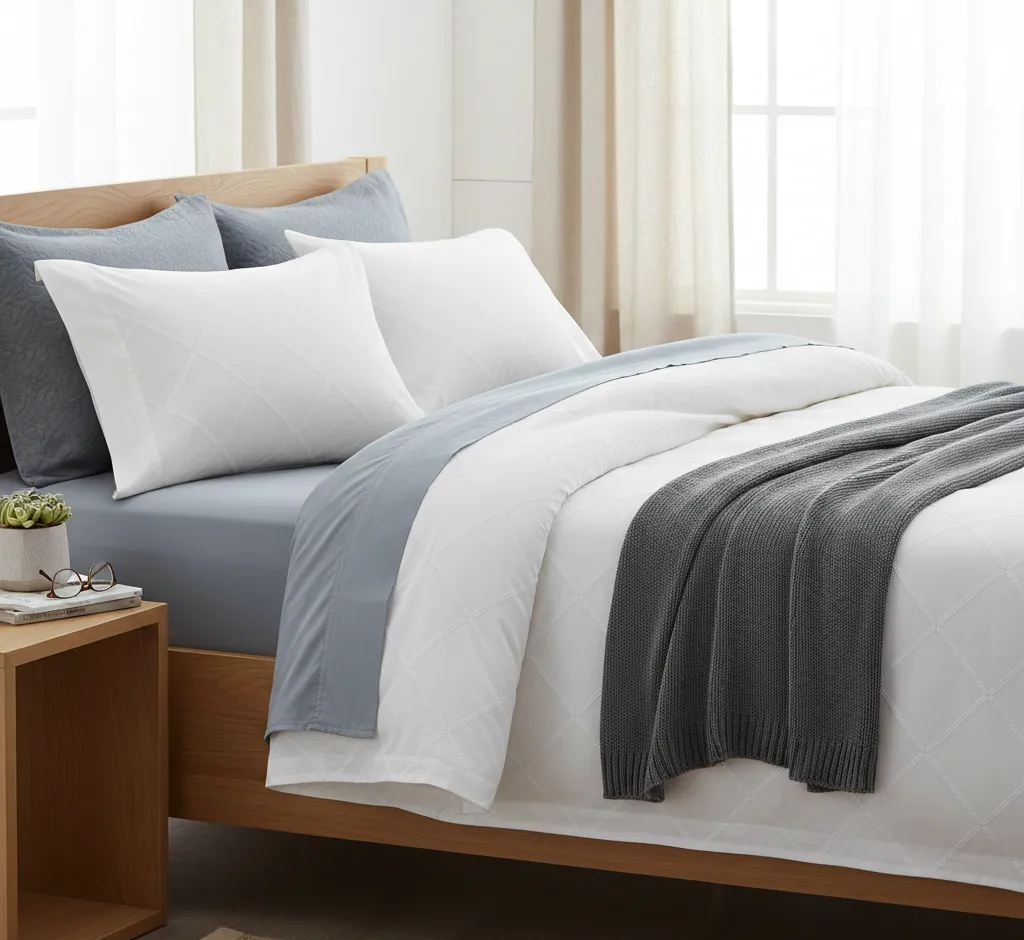
Buying a complete bedding set can transform your bedroom in a single purchase, but it is easy to feel overwhelmed by all the options, fabrics and buzzwords. A little knowledge about what goes into a set, how it is constructed and which features actually matter will help you invest in bedding that looks beautiful, feels comfortable and lasts for years. This guide walks through the key tips for choosing complete bedding sets with comfort, practicality and style in mind.
Understand What a Complete Bedding Set Includes
Before comparing colors or patterns, it is important to understand what most complete bedding sets actually contain. A typical set usually includes a fitted sheet, a flat sheet, two to four pillowcases, and either a duvet cover with an insert or a comforter, while some collections also offer extras such as shams, bedspreads or decorative cushion covers.[web:1][web:17] Knowing exactly which pieces are included helps prevent duplicate purchases and ensures that you have everything needed to dress the bed properly from top to bottom.[web:1][web:13]
Sets are often organized by bed size, such as twin, full, queen, king and sometimes specialty sizes like California king, so checking that the components match your mattress is essential. Some brands sell coordinating accessories like extra pillowcases or matching blankets separately, which can be useful if your bed has more pillows or if you like layered looks without purchasing multiple full sets.[web:7][web:11]
Common Bedding Set Components
- Fitted sheet: Designed with elastic corners to grip the mattress and stay in place through the night.[web:7][web:11]
- Flat sheet: A top sheet that sits between you and the duvet, comforter or blanket and helps keep the outer layers cleaner for longer.[web:1][web:9]
- Pillowcases or shams: Standard or king-size pillow covers, sometimes in both plain and decorative versions, depending on the set style.[web:1][web:17]
- Duvet cover and insert or comforter: The main warm layer, either as a removable cover with an insert or as a sewn-through comforter that is used as-is.[web:3][web:13]
- Optional decorative pieces: Bedspreads, extra shams or cushion covers for a more styled, hotel-like look.[web:1][web:11]
Measure Your Mattress for the Right Fit
Even the highest-quality bedding will feel frustrating if it does not fit your mattress properly. Standard mattress labels include length and width, but depth is often overlooked, and deeper mattresses or toppers require specially sized fitted sheets or deep-pocket designs to avoid corners popping off during sleep.[web:2][web:7] Measuring length, width and thickness before shopping ensures your bedding fits smoothly without excess strain on seams or elastic.[web:1][web:13]
Deep-pocket fitted sheets are typically labeled for mattresses up to specific depths, often around 15 to 17 inches, and some brands list exact measurements so you can compare them to your mattress dimensions.[web:2][web:7] If you use mattress toppers, protectors or pads, factor them into your measurements, because these layers can add several centimeters of height and significantly change how a fitted sheet behaves.[web:7][web:11]
Size and Fit Checklist
- Confirm your mattress size (twin, full, queen, king, etc.) and check that the bedding set is labeled for that specific size.[web:7][web:9]
- Measure mattress depth including toppers and choose fitted sheets advertised as deep-pocket if your bed is tall.[web:2][web:13]
- Check pillow sizes so that pillowcases from the set match your standard, queen or king pillows without excess sagging or overstretching.[web:7][web:11]
Choose the Right Fabric for Comfort and Climate
Fabric choice has a bigger impact on comfort than any other feature in a bedding set. Cotton remains a popular option because it is breathable, absorbent and comfortable for most climates, especially when woven from long-staple fibers and finished smoothly.[web:1][web:3] Linen, bamboo-derived fabrics, microfiber and silk each offer different benefits, so choosing the right material depends on whether you run hot or cold and how much maintenance you are comfortable with.[web:3][web:9]
Linen and certain cotton weaves tend to feel cooler and more breathable, making them ideal for warm sleepers or humid environments. In contrast, denser cotton, brushed fabrics and certain blends can provide a cozier feel for cooler climates, while silk can offer a smoother surface that some people find gentle on skin and hair, though it usually requires more delicate care.[web:3][web:11]
Popular Bedding Fabrics Explained
- Regular and long-staple cotton: Versatile, breathable and relatively easy to care for; long-staple and Egyptian or Pima cottons often feel softer and resist pilling better.[web:1][web:3]
- Linen: Highly breathable and moisture-wicking with a relaxed, textured look that softens over time; excellent for hot climates and warm sleepers.[web:3][web:9]
- Bamboo or viscose from bamboo: Often marketed as silky and cool, with good drape and softness, though quality can vary depending on manufacturing.[web:3][web:13]
- Microfiber and polyester blends: Typically very soft and budget-friendly, often wrinkle-resistant, but they may trap more heat and can feel less breathable than natural fibers.[web:1][web:9]
- Silk: Smooth and luxurious, often appreciated for its gentle feel, but usually more expensive and requiring delicate washing or special care instructions.[web:3][web:11]
Understand Thread Count, Weave and Quality
Thread count is often used as a marketing term, but it is not the only measure of sheet quality. For most cotton bedding, a moderate thread count in the range of roughly 200 to 800 is generally considered suitable, while extremely high numbers can sometimes indicate thinner threads packed together rather than genuinely better fabric.[web:1][web:3]
The type of weave also affects how bedding feels and behaves. Percale, usually a plain weave, tends to feel crisp and cool, while sateen, a satin-like weave, often feels smoother and slightly warmer with more sheen, so the best option comes down to personal preference and climate.[web:7][web:11]
Signs of Better Construction
- Clear labeling of fabric content and thread count without exaggerated claims.[web:1][web:13]
- Long-staple or extra-long-staple cotton listed for higher-end cotton sheets.[web:3][web:11]
- Even stitching, securely sewn hems and strong elastic around fitted sheets.[web:7][web:13]
- Certifications such as OEKO-TEX or similar standards indicating the textiles have been tested for certain substances.[web:3][web:11]
Match Warmth Level to Your Sleep Style
When buying a complete bedding set that includes a duvet or comforter, it is essential to think about warmth level in relation to your sleep habits and local climate. Comforters and inserts vary in weight and insulation, so choosing one that is too heavy can lead to overheating, while a set that is too light may leave you cold and uncomfortable.[web:3][web:9]
Down-filled comforters often indicate warmth through fill power, with higher numbers providing more loft and insulation, while down-alternative options may rely on fiber density or weight descriptions. If your climate changes significantly between seasons, a mid-weight insert that can be layered with blankets or a dual-weight or all-season design can provide flexibility without needing separate sets for summer and winter.[web:3][web:9]
Warmth and Fill Considerations
- Look for fill specifications or warmth ratings on duvet inserts and comforters within bedding sets to estimate how warm they will feel.[web:3][web:9]
- Down alternatives can be a good choice for allergy-sensitive sleepers or those who prefer animal-free products.[web:3][web:13]
- Layering a quilt, coverlet or blanket with the main comforter allows more control over temperature throughout the year.[web:3][web:9]
Consider Allergies and Sensitivities
Allergies and skin sensitivities play a major role in bedding comfort, especially when choosing fills and fabrics for a complete set. Some people react to dust mites, certain synthetic fibers or down fills, so choosing hypoallergenic materials, tightly woven covers and easily washable components can help maintain a healthier sleep environment.[web:1][web:3]
Many manufacturers offer bedding labeled as hypoallergenic, which can include alternative fills, natural fibers or special finishes that resist common allergens. Washing bedding regularly using gentle detergents and following care recommendations further supports a cleaner, more comfortable bed for those prone to irritation or respiratory issues.[web:1][web:9]
Check Care Instructions and Maintenance Needs
Care requirements vary widely between fabrics and constructions, so reading the care label before buying a bedding set can save time and money in the long run. Machine-washable sets with durable stitching and colorfast dyes are generally easier to maintain, especially for busy households or anyone who prefers low-maintenance routines.[web:1][web:9]
Delicate materials such as silk, high-end linen or intricate embroidery may require gentle cycles, special detergents or even professional cleaning, which adds ongoing cost and effort. Choosing bedding that matches your willingness to follow specific care routines helps preserve the look and feel of the set while preventing shrinkage, color fading or fabric damage.[web:7][web:11]
Maintenance-Friendly Features
- Machine-washable fabrics that tolerate regular laundering without losing shape or softness when following label directions.[web:1][web:9]
- Colorfast dyes and finishes that resist fading when washed at recommended temperatures.[web:7][web:11]
- Wrinkle-resistant or easy-care materials for those who prefer minimal ironing and quick bed-making.[web:1][web:9]
Balance Budget, Quality and Longevity
Price differences between bedding sets often reflect variations in fabric quality, construction and brand reputation. While low-cost sets can be appealing, they may be more prone to pilling, fading or losing elasticity quickly, which could lead to more frequent replacements and higher costs over time.[web:2][web:13]
Investing in a well-constructed set made from reliable materials may cost more upfront but often provides better comfort and durability, especially when backed by clear descriptions and user reviews. Paying attention to stitching, fabric content and practical features like deep pockets or reinforced seams helps identify sets that offer the best value at any price point.[web:2][web:13]
How to Get Better Value
- Compare fabric type, weave and thread count rather than focusing only on brand name or promotional images.[web:1][web:3]
- Read reviews that mention actual feel, durability and color accuracy instead of only shipping or packaging details.[web:2][web:13]
- Consider purchasing one high-quality complete set and adding a few extra pillowcases or blankets instead of several inexpensive sets that need frequent replacement.[web:2][web:13]
Choose Colors and Patterns That Suit Your Space
Once the technical details are covered, style becomes the finishing touch that ties everything together. Bedding occupies a large visual area in the bedroom, so the color palette and patterns you choose will strongly influence the overall mood, whether calm and minimalist or bold and expressive.[web:9][web:11]
Neutral sets in whites, creams or soft grays provide flexibility and timeless appeal, allowing easy updating with accent pillows or throws. On the other hand, patterned or richly colored sets can add personality and become a focal point, especially when coordinated with curtains, rugs or artwork for a cohesive look.[web:9][web:11]
Style Tips for Bedding Sets
- Use solid basics for sheets and pillowcases, then introduce prints or textures through duvet covers, shams or throws.[web:9][web:11]
- Consider how often you like to change decor; classic colors may feel fresh longer, while trend-driven designs might suit shorter refresh cycles.[web:9][web:11]
- Think about how the bedding will look in natural and artificial light, as bright or dark tones can appear different at night versus during the day.[web:9][web:11]
Pay Attention to Certifications and Safety
For those concerned about chemicals and environmental impact, certifications can provide additional reassurance. Textile standards such as OEKO-TEX and similar programs indicate that bedding has been tested for certain substances within specified limits, which can be particularly important for children’s rooms or sensitive sleepers.[web:3][web:11]
Some companies also highlight organic materials or sustainable sourcing, especially when using organic cotton or eco-focused manufacturing processes. Evaluating these labels alongside comfort, price and design helps you choose a complete bedding set that aligns with both your personal values and practical needs.[web:3][web:9]
Recap: How to Buy the Right Complete Bedding Set
Choosing a complete bedding set becomes much easier when you break the decision into a few key steps. Start by confirming what the set includes, ensuring that sizes match your mattress and pillows, and selecting fabrics that feel good against your skin in your specific climate.[web:1][web:7]
Then look at construction quality, care instructions, warmth level and any certifications or allergy-friendly features that matter to you. By balancing these practical details with color, pattern and overall style, you can invest in bedding that not only looks inviting but also supports better sleep and long-term comfort night after night.[web:3][web:9]