Steam Iron Grip Materials: How to Maximize Comfort During Long Ironing Sessions
Discover how steam iron grip materials like rubber, silicone, and soft-touch coatings impact comfort over long ironing sessions. Learn what to look for to reduce fatigue and improve control.
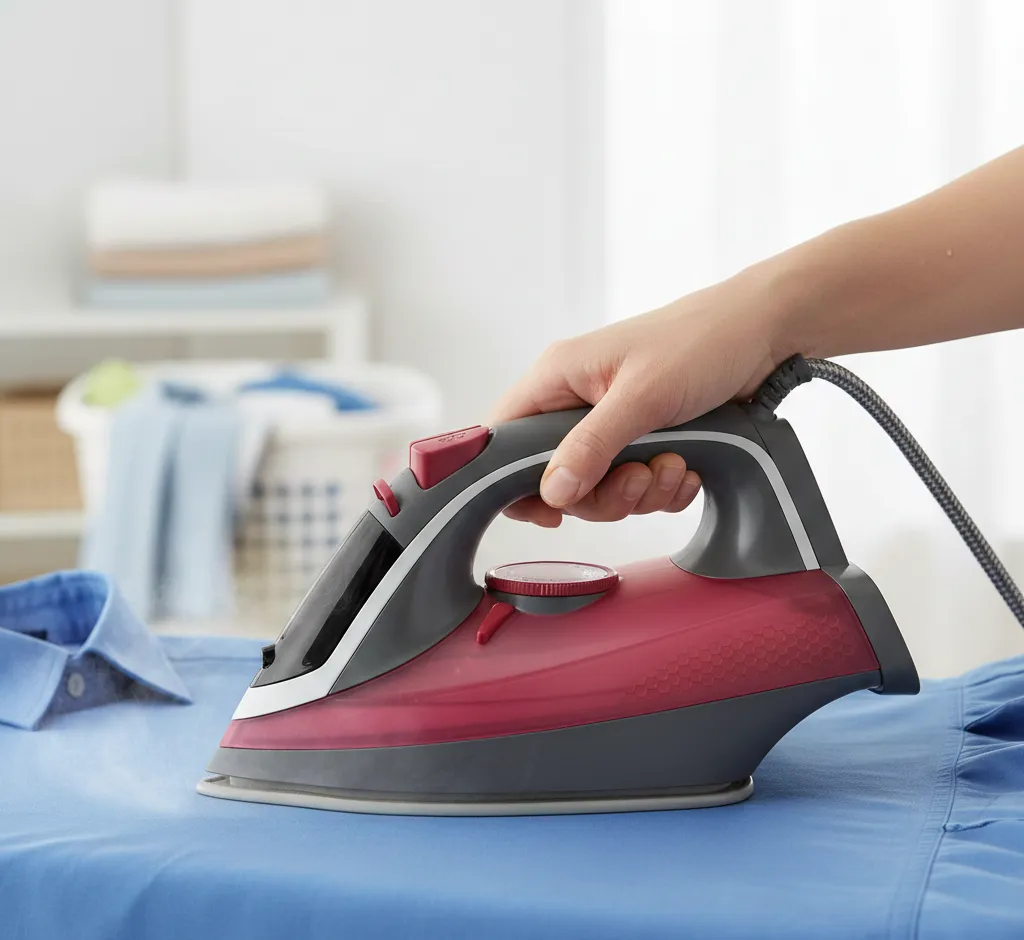
Spending a lot of time with a steam iron in hand can quickly turn from a simple household chore into a source of fatigue and discomfort. While most people focus on steam power, soleplate type, or water tank capacity, one critical factor is often overlooked: the grip material. The way an iron feels in the hand, how it manages heat, and how securely it sits in your grip can dramatically impact comfort over long ironing sessions.
This guide explores the most common steam iron grip materials, how they affect comfort and performance, and what to look for when choosing an iron designed for extended use. Whether you iron daily for professional reasons or tackle big laundry loads on the weekend, understanding grip materials will help you choose an iron that is not only effective, but also pleasant to use.
Why Grip Material Matters for Long Sessions
The grip is the main contact point between you and your steam iron. Over 30–60 minutes or more of ironing, small details such as texture, temperature, and ergonomics add up. A well-designed grip can reduce fatigue, prevent slipping, and keep your hand cooler and drier. A poorly designed one can lead to tension in your fingers, aching wrists, and even minor blisters in extreme cases.
Key comfort factors influenced by grip materials
- Heat insulation: Good grip materials protect your hand from rising heat generated by the iron’s body.
- Moisture control: Materials that handle sweat effectively reduce stickiness and slipping.
- Texture and friction: The surface pattern and hardness determine how securely the iron sits in your hand.
- Shock and vibration absorption: Some materials dampen micro-vibrations from continuous movement, which can otherwise cause fatigue.
- Long-term durability: High-quality grip materials resist cracking, peeling, or becoming slippery over time.
Manufacturers rely on a mixture of plastics, rubbers, silicones, and composite materials to find the ideal balance between comfort, cost, and durability. Understanding the differences helps you select the right combination for your ironing habits.
Most Common Steam Iron Grip Materials
Modern steam irons rarely use a single material for the entire handle. Instead, they combine a structural core (usually a hard plastic) with overmoulded softer materials for comfort. Below are the most common materials you will encounter and how they behave in real-world use.
Hard plastic (ABS, polycarbonate)
Hard plastic is the base material in most steam irons because it is strong, lightweight, and easy to shape. You will often find it forming the main frame of the handle, with or without additional coatings.
Advantages of hard plastic grips
- Durability: Resistant to cracks and deformities under normal household use.
- Lightweight: Helps keep the overall weight of the iron manageable during long sessions.
- Cost-effective: Keeps the product price within a reasonable range.
Disadvantages of hard plastic grips
- Poor friction when wet: Can become slippery when hands sweat, especially in warm rooms.
- Limited cushioning: The rigid surface transmits more strain to fingers and joints.
- Temperature transfer: Some designs do not insulate well from the iron’s internal heat.
Hard plastic alone is rarely ideal for long ironing sessions. For occasional quick touch-ups, it is acceptable, but for extended comfort, you will usually want a grip that includes rubberized or soft-touch sections.
Rubberized grips (TPE, elastomer blends)
Rubberized materials, often thermoplastic elastomers (TPE), are among the most popular solutions for long-use comfort. They are commonly overmoulded onto a plastic handle to create a dual-material grip.
Benefits of rubberized steam iron handles
- Enhanced grip: The slightly tacky surface increases friction even when hands are slightly damp.
- Cushioning effect: Softer than plastic, reducing pressure points on fingers and palms.
- Noise and vibration dampening: The material absorbs micro-shocks from repetitive movements.
Potential drawbacks
- Wear over time: Lower-quality rubber may become shiny, hardened, or peel after years of use.
- Dust attraction: Some rubber blends attract lint and dust, which can affect aesthetics and grip feel.
- Chemical sensitivity: Harsh cleaners may damage the rubber surface.
For anyone who regularly irons large batches of laundry, a well-designed rubberized grip is often the best balance between comfort and control.
Soft-touch coatings (silicone, polyurethane)
Many modern irons advertise a soft-touch handle. This can refer to silicone-based or polyurethane coatings applied over hard plastic, sometimes combined with rubber inserts for extra cushioning.
Advantages of soft-touch grip coatings
- Pleasant tactile feel: The surface feels warm and smooth, reducing the sensation of holding a hard tool.
- Improved control: Slightly matte or textured finishes offer good grip without feeling sticky.
- Better temperature comfort: Soft-touch materials often provide a layer of insulation from heat.
Limitations to consider
- Long-term durability: Cheaper coatings may wear off, fade, or become patchy in high-contact areas.
- Cleaning complexity: Aggressive scrubbing or chemical cleaners may damage the finish.
- Sensitivity to UV and heat: Prolonged exposure to strong sunlight or excessive heat can accelerate aging.
Soft-touch coatings significantly enhance comfort during long ironing sessions, especially for users who prefer a smoother, less rubbery feel in the hand.
Full silicone grips
Silicone is sometimes used as a more robust alternative to thin soft-touch coatings. It is flexible, heat resistant, and naturally grippy, making it suitable for irons designed for frequent and heavy use.
Strengths of silicone handles
- Excellent heat resistance: Silicone can handle high temperatures without degrading, adding safety and comfort.
- Secure grip: Provides a stable hold, even with slightly sweaty hands.
- Longevity: High-quality silicone remains elastic and comfortable longer than many coatings.
Possible disadvantages
- Perceived thickness: If too thick, the handle may feel bulky for users with smaller hands.
- Dust and lint: Just like some rubbers, silicone can attract fabric fibers and dust.
- Cost: Adding full silicone grips can slightly raise the total price of the iron.
For users who iron daily or professionally, silicone grips often deliver the best combination of insulation, comfort, and grip stability over long sessions.
Textured plastic and hybrid designs
Not all comfort improvements come from soft materials. Some irons rely on textured plastic surfaces with raised patterns, grooves, or indentations to improve grip. Others use a hybrid design combining hard plastic, rubber inserts, and soft-touch zones.
- Textured plastic: Adds friction without additional soft materials, ideal for users who prefer a firmer, more precise feel.
- Hybrid grips: Strategically place softer materials where the fingers and palm apply pressure, while keeping a rigid core for control.
These designs can be comfortable for long sessions when executed well. The key is how the textures align with the natural curves of the hand and the weight distribution of the iron.
Ergonomic Design vs. Material: Both Matter
While grip material is crucial, ergonomic design is equally important. Even the best rubber or silicone will not help if the handle shape forces your wrist into an awkward angle or requires excessive grip strength.
Ergonomic factors that interact with grip materials
- Handle angle: A natural angle reduces wrist strain, especially during long back-and-forth strokes.
- Handle thickness: Too thin, and you must grip too tightly; too thick, and your hand tires quickly.
- Weight distribution: A balanced iron concentrates less strain on your wrist and fingers.
- Button placement: Steam triggers and spray buttons should be reachable without stretching or twisting your fingers.
When choosing an iron for comfort over long sessions, test both the material feel and the handle geometry. Ideally, the grip materials enhance an already well-balanced, ergonomic shape.
How Grip Materials Affect Comfort Over Time
Comfort during a quick five-minute ironing task is very different from comfort during a 45-minute session. Over time, grip material characteristics become more noticeable.
Heat buildup and insulation
As the iron operates, heat naturally rises toward the upper body. Good grip materials insulate your hand from this warmth. Silicone, rubber, and high-quality soft-touch coatings tend to outperform bare plastic in this regard.
- If the handle feels warm but not hot after 30 minutes, the material is doing its job.
- If you feel continuous heat on your palm or fingers, the insulation might be insufficient.
Moisture and slip resistance
Long ironing sessions often lead to mild hand perspiration. Grip materials with slightly textured or matte finishes handle this better than glossy plastics.
- Rubberized and silicone grips: Usually maintain traction even with light moisture.
- Soft-touch coatings: Provide a balanced, non-slippery surface when designed well.
- Glossy plastic: Most likely to become slippery and uncomfortable over time.
A secure grip means less effort is needed to control the iron, which reduces muscle fatigue in your hand, wrist, and forearm.
Pressure points and muscle fatigue
Cushioning materials such as rubber and silicone can distribute pressure more evenly across the hand. This is especially useful if you frequently iron heavier fabrics like denim, linen, or thick cotton, which require more pressure from the user.
- Softer materials: Reduce sharp pressure on finger joints and palm, helping you iron longer without discomfort.
- Hard-only grips: May lead to sore spots where the handle edges dig into the skin.
For people with mild joint pain, arthritis, or repetitive strain issues, investing in a steam iron with a cushioned, ergonomically shaped grip can make a significant difference.
Choosing the Right Grip for Your Ironing Style
The best steam iron grip material for you depends on how often and how long you iron, as well as your sensitivity to heat and weight. Below are practical scenarios and recommendations.
Occasional users (short sessions)
If you iron mainly for quick touch-ups or once a week for a small pile of clothes, you may not need the most advanced grip materials.
- Recommended: Textured plastic or basic rubberized grips.
- Focus on: Overall weight, ease of use, and simple maintenance rather than premium grip technologies.
Regular home users (medium to long sessions)
For weekly or multi-weekly ironing that lasts 20–60 minutes, comfort becomes more important.
- Recommended: Soft-touch or rubberized grip with ergonomic shaping and good insulation.
- Focus on: Balanced weight distribution, secure grip when hands are slightly damp, and heat management.
Heavy users and professionals
Professionals such as tailors, dry cleaning staff, or individuals who iron for large families need high durability and maximum comfort.
- Recommended: High-quality silicone or advanced rubberized grips, often in hybrid designs.
- Focus on: Long-term durability, thick but ergonomic cushioning, and consistent non-slip performance throughout the day.
In this category, paying more for a professional-grade iron with a premium grip is often worthwhile, as it reduces fatigue and potential strain injuries.
Care and Maintenance of Grip Materials
Even the best grip materials need proper care to stay comfortable and hygienic. Residue from detergents, fabric softeners, or skin oils can build up over time, affecting texture and grip.
General cleaning tips
- Use mild soap: Clean the handle with a soft cloth and a little warm water mixed with mild soap.
- Avoid harsh chemicals: Do not use strong solvents, bleach, or abrasive cleaners on rubber, silicone, or soft-touch coatings.
- Dry thoroughly: After cleaning, dry the handle completely to preserve grip and prevent moisture damage.
Preventing premature wear
- Store properly: Keep the iron in a cool, dry place away from direct sunlight to protect materials from UV and heat damage.
- Avoid sharp objects: Do not place heavy or sharp items on the handle that might cut or dent the grip.
- Follow manufacturer instructions: Some brands recommend specific cleaning methods for their grip materials.
With basic care, high-quality grip materials should remain comfortable and effective for many years of regular use.
Key Features to Look For When Buying
To get the most comfort from your steam iron over long sessions, pay attention to these grip-related features during your next purchase.
Checklist for comfort-focused buyers
- Dual-material or hybrid handle: Look for a combination of hard plastic for structure and rubber or silicone for cushioning.
- Soft-touch zones: Check whether the areas where your fingers and palm rest are covered with a softer, anti-slip material.
- Ergonomic contouring: The handle should follow the natural curvature of your hand rather than being completely straight.
- Heat isolation: After reading reviews, ensure that users do not report the handle becoming uncomfortably hot.
- Weight and balance: Pick up the iron (if possible) and simulate ironing movements to evaluate how balanced it feels.
- Button accessibility: Steam and spray buttons should be integrated into the handle area in a way that does not disturb your grip.
Reading user reviews and expert tests can also give valuable insights into real-world comfort over long sessions, beyond what the product specifications state.
Conclusion: Comfort Is in the Details
Steam iron performance is not just about watts, steam output, or soleplate technology. The grip material plays a crucial role in how enjoyable and sustainable long ironing sessions feel. From basic hard plastics to advanced silicone and hybrid designs, each material offers a different balance of comfort, durability, and control.
When comfort over long sessions is a priority, choose an iron with:
- A cushioned, rubberized, or silicone-enhanced grip
- Ergonomic handle shaping and balanced weight distribution
- Good heat insulation and non-slip surface textures
Paying attention to these details helps reduce fatigue, protects your joints, and transforms ironing from a tiring chore into a smoother, more manageable task. The right steam iron grip material can make all the difference when you spend serious time at the ironing board.