Steam Iron Steam Lock for Continuous Output: The Complete Guide to Effortless, Professional-Quality Ironing
Learn everything about steam irons with a steam lock for continuous output. Discover how continuous steam works, its benefits, safety tips, maintenance, and how to choose the best steam iron for smooth, professional results at home.
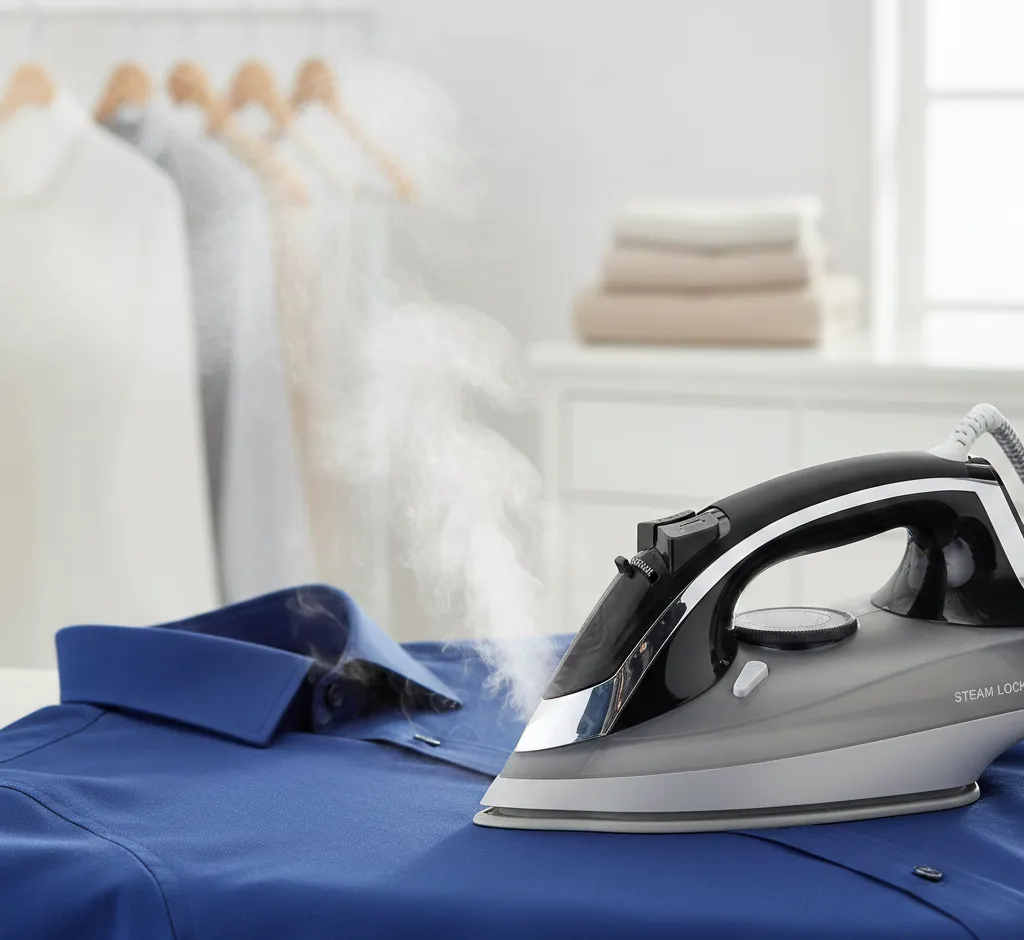
Modern steam irons have transformed the way we care for our clothes, and one of the most useful features is the steam lock for continuous output. Instead of constantly pressing a steam trigger, you can lock the flow of steam and focus on smooth, efficient ironing. This not only saves time and effort but also improves the final result on a wide range of fabrics.
In this comprehensive guide, you will learn what the steam lock feature is, how it works, why it matters for everyday ironing, and how to use it safely and effectively. We will also cover maintenance tips, common mistakes, and key buying considerations if you are looking for a steam iron with continuous steam output.
What Is a Steam Lock for Continuous Output?
The steam lock is a function built into many modern steam irons that allows you to keep continuous steam output without holding down the steam button. Once activated, the iron maintains a steady flow of steam through the soleplate, helping you remove stubborn wrinkles faster and with less physical effort.
How the Steam Lock Works
While designs vary between brands and models, most irons with a steam lock share the same basic principles:
- Steam trigger or slider: You first select the desired steam output level, usually via a dial or slider on the body of the iron.
- Lock mechanism: A dedicated button, switch, or slider activates the continuous steam feature so you do not have to hold the trigger.
- Thermostat and pump system: Inside the iron, heating and water delivery systems work together to maintain consistent temperature and steam production.
- Safety controls: Many irons combine steam lock with auto shut-off and anti-drip systems to prevent overheating and water leakage.
When all these elements work together, you get a reliable, continuous flow of steam ideal for tackling large piles of laundry or heavier fabrics like linen, cotton, and denim.
Key Benefits of Continuous Steam Output
Choosing a steam iron with a steam lock for continuous output offers several practical advantages, especially if you iron regularly or handle a variety of fabric types.
1. Faster Ironing Sessions
Continuous steam helps soften fibers and relax wrinkles more quickly than dry ironing. With a steady flow of steam, you often need fewer passes over each area, which can significantly reduce total ironing time.
- You can glide the iron smoothly across shirts, trousers, dresses, and table linens.
- Stubborn creases in collars, cuffs, and seams respond better to uninterrupted steam.
- Large items like duvet covers or curtains become easier to manage.
2. Less Hand and Wrist Fatigue
Without a steam lock, you must hold a button or trigger every time you want steam. Over long sessions, this can cause strain in your fingers and wrist. A steam lock eliminates that constant pressure, making ironing physically less demanding.
This is especially beneficial for people with arthritis, joint pain, or other mobility issues, for whom repetitive gripping motions can be uncomfortable.
3. More Consistent Results
Manual steam bursts can be inconsistent: some areas receive more steam than others, leading to uneven results. Continuous output provides a steady level of moisture across the fabric, which helps:
- Prevent shiny spots and scorching caused by overly dry heat.
- Achieve a uniformly smooth finish across the entire garment.
- Improve results on thicker fabrics where brief bursts of steam are not enough.
4. Versatility for Different Fabrics
A steam lock for continuous output is ideal when you need adjustable steam for different textiles. You can typically choose between low, medium, and high steam levels depending on the material.
- Low steam: Suitable for synthetic fabrics like polyester or delicate blends.
- Medium steam: Good for everyday cotton shirts, blouses, and light trousers.
- High steam: Ideal for linen, denim, thick cotton, and heavily wrinkled items.
When combined with the correct temperature setting, continuous steam helps protect fibers while still delivering a crisp, polished look.
How to Use the Steam Lock Feature Safely
Using continuous steam correctly maximizes performance and minimizes risks. Always read your iron’s manual, as designs differ, but the general process follows a few common steps.
Step-by-Step: Activating Continuous Steam
- Fill the water tank: Ensure the iron is unplugged and cool before filling. Use clean tap water, or a mix of tap and distilled water if your area has very hard water.
- Set the temperature: Plug in the iron and choose the appropriate heat level based on fabric labels. Continuous steam usually requires medium to high temperatures.
- Wait for heating: Allow the iron to reach the selected temperature. Many models indicate readiness with a light or sound.
- Select steam level: Turn the steam control to the desired output (low, medium, or high).
- Engage the steam lock: Press the steam trigger and slide or press the lock mechanism, depending on your model. You should feel or hear a click when it locks.
- Begin ironing: Glide the iron smoothly over the fabric, moving continuously to avoid overheating any single area.
- Disengage the lock: When you finish or pause, release the steam lock to stop steam flow before setting the iron upright.
Safety Precautions
Continuous steam means continuous heat and moisture. To protect yourself, your garments, and your ironing board, keep these safety principles in mind:
- Never leave the iron unattended while the steam lock is engaged.
- Always keep the iron moving on the fabric; avoid resting it flat on the garment while steam is flowing.
- Use an ironing board cover that can handle high heat and moisture.
- Keep hands and face away from the steam vents to prevent burns.
- Turn off steam and unplug the iron when you finish, even if the model has auto shut-off.
Common Mistakes to Avoid with Continuous Steam
Even with a steam lock, ironing can go wrong if you overlook a few key details. Avoid these common errors to get the most from your iron.
Ironing at the Wrong Temperature
Steam alone cannot protect delicate fabrics from heat damage. If you use continuous steam on a temperature setting that is too high, you may cause:
- Shiny marks on dark or synthetic fabrics.
- Warped or melted fibers on sensitive materials.
- Color fading or uneven texture.
Always match fabric labels with the suggested heat level, then adjust steam output accordingly.
Overusing Steam on Delicates
Delicate fabrics like silk, rayon, chiffon, or fine wool do not always respond well to heavy, continuous steam. Instead of locking steam on high, you may need to:
- Switch to low steam or no steam at all.
- Iron the garment inside out.
- Use a pressing cloth between the iron and the fabric.
In some cases, you may prefer to use the iron’s vertical steaming function at a distance rather than direct contact with the soleplate.
Ignoring Water Quality and Limescale
Continuous steam output uses more water than occasional bursts, which can accelerate limescale buildup if you live in an area with hard water. Over time, this can:
- Clog steam vents.
- Reduce steam output and cause irregular bursts.
- Leave mineral stains on light-colored fabrics.
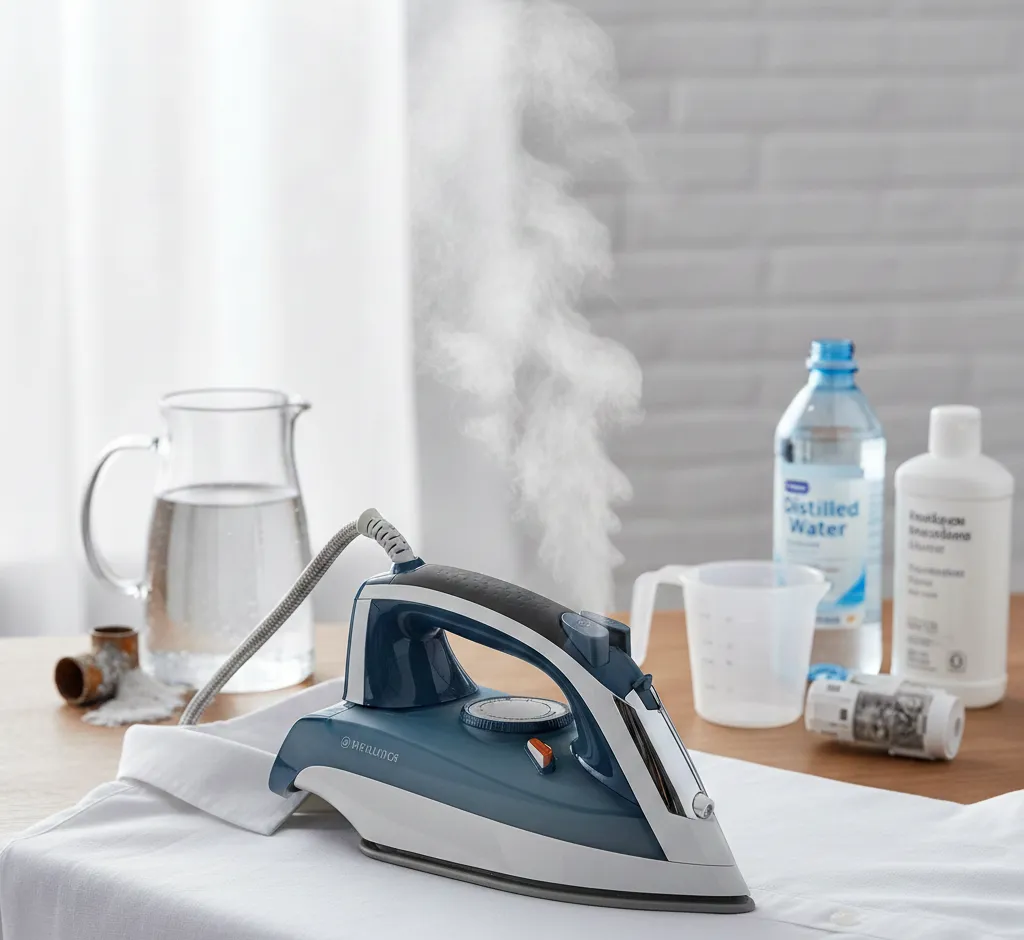
Follow the manufacturer’s recommendations for water type and descaling. Many irons offer a self-clean or anti-scale feature that you should use regularly.
Maintenance Tips for Reliable Continuous Steam
Good maintenance extends the life of your steam iron and keeps the steam lock working smoothly. With routine care, you can maintain consistent performance and avoid costly repairs or replacements.
Regular Descaling
If your iron has a dedicated self-clean function, activate it according to the manual—usually once a month or more frequently if you use the iron heavily.
- Empty the tank: After each ironing session, empty the water tank to reduce mineral buildup.
- Use self-clean: Fill with water, heat the iron, then trigger the cleaning cycle as directed.
- Shake and drain: During the self-clean cycle, steam and water will flush limescale from internal channels. Hold the iron over a sink to drain.
Cleaning the Soleplate
The soleplate plays a crucial role in even steam distribution. If it gets dirty or sticky, performance will suffer. To keep it clean:
- Wipe a cooled soleplate with a soft cloth and mild detergent.
- Avoid abrasive pads that can scratch the surface and affect gliding.
- Remove melted residues from synthetic fabrics promptly, following the manufacturer’s guidelines.
Checking the Steam Vents
Inspect the soleplate regularly. If you see clogged vents, gently clean around them with a soft brush or cloth. Never insert metal objects into the vents, as this may damage internal components.
Choosing a Steam Iron with Steam Lock
If you are shopping for a new steam iron, the steam lock for continuous output should be one of your key selection criteria. However, you should also consider other important features that affect everyday usability and overall ironing performance.
Essential Features to Look For
- Adjustable continuous steam: Look for an iron that offers multiple steam settings, not just an on/off option.
- Robust steam lock mechanism: The lock should be easy to engage and disengage, with a firm, reliable feel.
- Power rating: Higher wattage (e.g., 2,000–3,000 W) typically means faster heating and more powerful steam output.
- High-quality soleplate: Ceramic, stainless steel, and advanced non-stick coatings generally provide better gliding and heat distribution.
- Anti-drip and anti-scale systems: These help prevent water spots on garments and internal limescale buildup.
- Auto shut-off: An important safety feature, especially when using continuous steam.
Comfort and Ergonomics
A steam lock is only useful if the iron is comfortable to handle. Pay attention to ergonomics, especially if you iron for long periods:
- Weight and balance: The iron should feel solid but not too heavy, with a balanced center of gravity.
- Handle design: A soft-grip, non-slip handle reduces fatigue and increases control.
- Cord length and flexibility: A long, swivel cord or cordless design offers better maneuverability.
Extra Functions That Complement Continuous Steam
Some additional features can enhance the effectiveness of continuous steam output:
- Vertical steam: Allows you to steam hanging garments, curtains, and upholstery.
- Precision steam tip: Directs steam into tight areas such as collars, pleats, and around buttons.
- Steam boost: Provides an extra burst of steam for stubborn wrinkles in addition to continuous output.
When to Use Continuous Steam vs. Steam Bursts
Even with a convenient steam lock, continuous output is not always the best choice. Understanding when to use each mode helps you protect your clothes and improve ironing efficiency.
Best Situations for Continuous Steam
- Large batches of ironing: When you have many shirts, trousers, or linens to press in one session.
- Thick or heavily wrinkled fabrics: Items that need sustained steam to relax fibers effectively.
- High-cotton or pure linen garments: Fabrics that respond well to high heat and moisture.
Best Situations for Steam Bursts
- Localized wrinkles: Small creases that need targeted treatment.
- Delicate areas: Places such as lace trims, decorative details, or fragile seams.
- Touch-ups: Quick corrections when a garment has only a few minor wrinkles.
By switching strategically between continuous steam and bursts, you can customize your approach for each garment and fabric type.
Environmental and Energy Considerations
Continuous steam output uses more water and energy than occasional steaming. While the difference is modest for individual households, mindful use can still reduce environmental impact and lower your energy bill.
Tips for More Efficient Ironing
- Iron in batches: Group similar fabrics and iron them together to reduce temperature adjustments and reheating cycles.
- Use appropriate steam levels: Do not use maximum steam if a lower setting is sufficient.
- Turn off early: Unplug the iron a few minutes before finishing; residual heat is often enough for the last few items.
An efficient steam iron with a well-designed steam lock can also contribute to waste reduction by helping you keep clothes in better condition for longer, thus extending their lifespan.
Frequently Asked Questions About Steam Lock and Continuous Output
Does continuous steam damage clothes?
Continuous steam by itself does not damage clothes when you use the correct temperature and steam setting for each fabric. Problems arise when high heat and high steam are applied to delicate materials that cannot handle those conditions. Always check garment care labels and adjust settings accordingly.
Can I use continuous steam on all fabrics?
No. Some fabrics such as silk, acetate, or certain synthetics may require low steam or no steam at all. When in doubt, test a small, inconspicuous area first. If the fabric reacts badly—such as puckering, shrinking, or leaving water rings—switch to a lower steam setting or dry iron with a pressing cloth.
Why does my iron drip when using continuous steam?
Dripping usually occurs when the iron is not hot enough to convert water into steam, or when the steam level is set too high for the current temperature. Make sure the iron has fully heated before activating the steam lock and avoid using high steam settings at low temperatures. If the problem persists, check for limescale buildup or a faulty anti-drip system.
Is a steam lock the same as a steam generator?
No. A steam lock is a feature on a standard or steam generator iron that controls continuous output. A steam generator refers to a separate water tank and boiler system that delivers much higher steam pressure and volume. Many steam generator irons also include a steam lock, but not all standard irons are steam generators.
Conclusion: Is a Steam Lock Worth It?
If you iron regularly, a steam iron with a steam lock for continuous output can dramatically improve your experience. You gain faster wrinkle removal, reduced hand fatigue, and more consistent results across a range of fabrics. As long as you use the feature correctly—matching heat and steam to fabric type, maintaining the iron, and following safety guidelines—it is a practical upgrade that pays off in everyday convenience.
When choosing your next iron, prioritize models with a reliable steam lock, adjustable continuous steam, and solid safety features. Combined with good maintenance habits and smart ironing techniques, this feature can help you achieve professional-quality results at home with less effort, time, and stress.