Steam Irons with Continuous Fill: The Ultimate Guide to Non‑Stop Ironing
Discover how steam irons with continuous fill technology deliver powerful, non‑stop ironing. Learn how they work, key features, benefits, and tips for choosing and maintaining the right model for your home or small business.
Steam irons with continuous fill have transformed the way we tackle large piles of laundry. Instead of stopping every few minutes to refill a tiny water tank, these irons let you add water on the go for truly non‑stop ironing. For busy households, home-based businesses, or anyone who values efficiency, continuous fill steam irons can save time, reduce hassle, and deliver professional-looking results.
What Is a Continuous Fill Steam Iron?
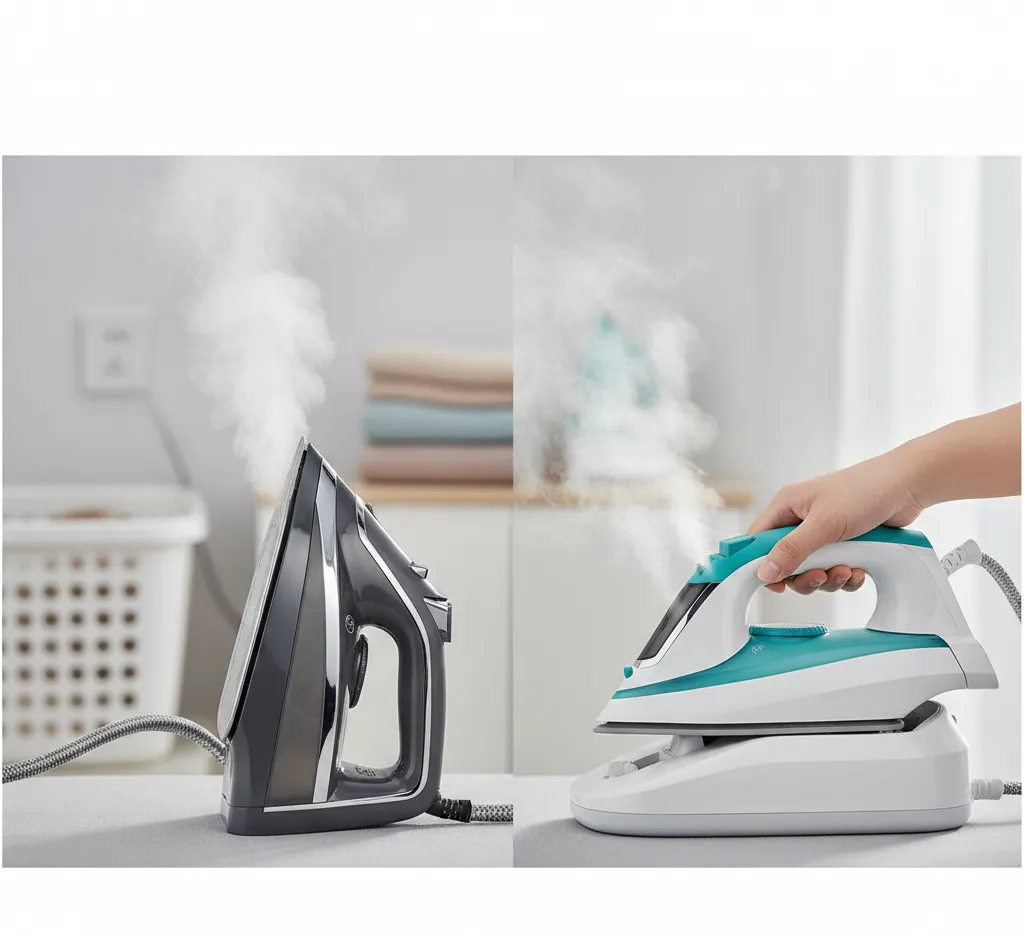
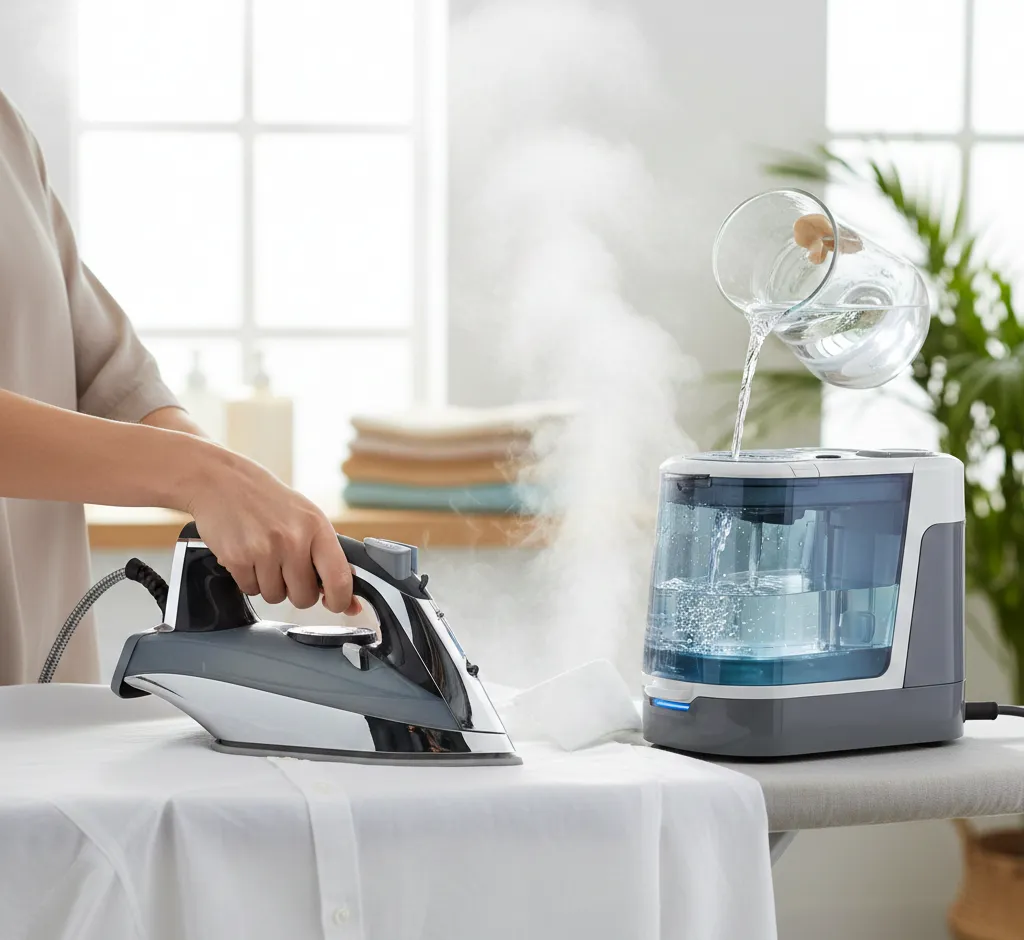
A continuous fill steam iron is a steam iron or steam station that allows you to refill the water tank at any moment without turning the appliance off or waiting for it to cool down. The key advantage is uninterrupted steam production: while you keep ironing, the system keeps generating steam as you top up the water tank.
Unlike traditional irons, where you must switch the iron off and wait before opening the reservoir, continuous fill systems use clever engineering—often with a separate boiler or removable tank—to keep steam pressure stable and the iron safe to use during refills.
How Continuous Fill Technology Works
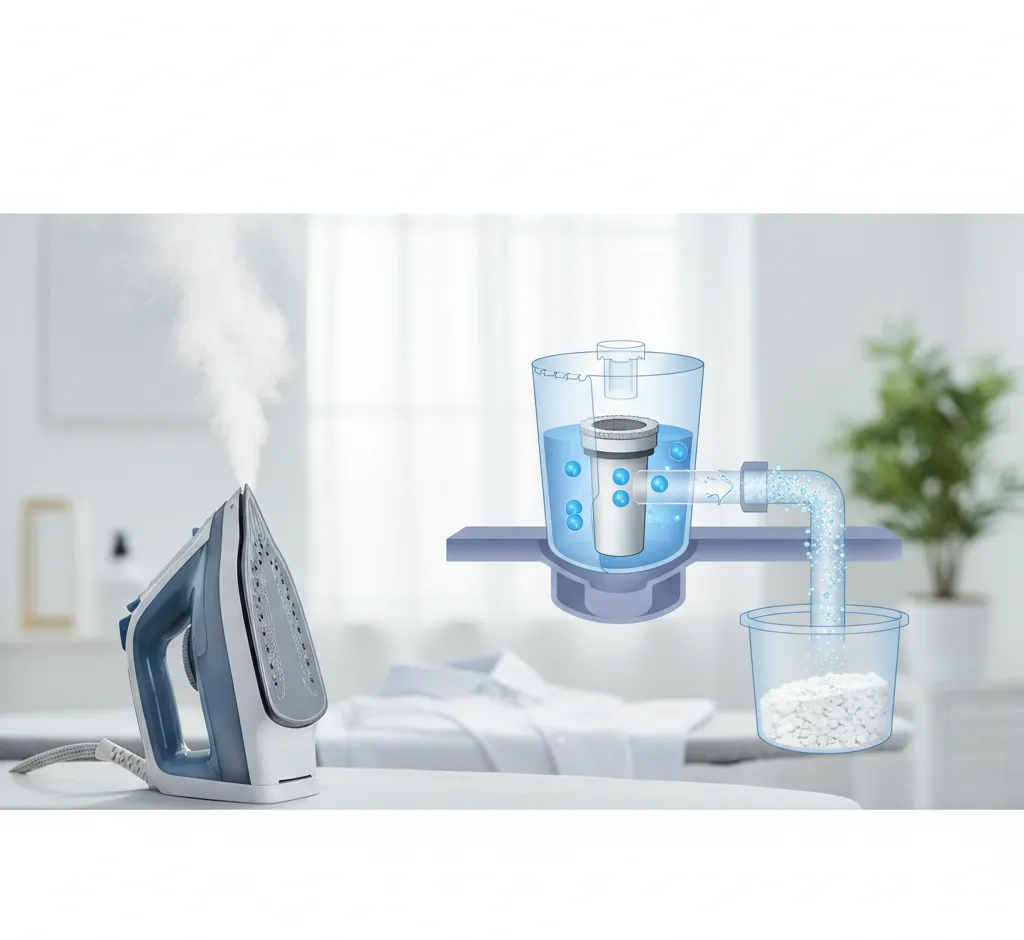
While designs vary between brands and models, most continuous fill steam irons share a similar principle: they separate the user‑accessible water supply from the heated steam generation chamber.
Key Components
- Cold-water tank: The refillable reservoir users can open safely at any time during ironing.
- Heating chamber or boiler: A pressurized or semi‑pressurized unit that converts water into steam.
- Pump system: Transfers water from the tank into the boiler when needed.
- Steam control system: Regulates temperature, pressure, and steam output for consistent results.
Step‑by‑Step Operation
- You fill the cold‑water tank and switch on the iron.
- The pump feeds water from the tank into the boiler or heating element.
- The boiler heats the water to produce pressurized steam.
- Steam travels through the hose and soleplate vents to your fabrics.
- When the tank level drops, you simply open it, add water, and continue ironing—no shutdown required.
Because the boiler and water tank are separate, opening the tank does not release steam pressure, which is why you can safely top up as you go.
Benefits of Steam Irons with Continuous Fill
Continuous fill steam irons offer a range of practical advantages over conventional models, especially when dealing with demanding ironing tasks.
1. Truly Non‑Stop Ironing
The most obvious benefit is the ability to iron without interruptions. If you regularly process multiple laundry loads—such as shirts, bedding, tablecloths, or work uniforms—you no longer need to plan around tank capacity. Just refill whenever convenient and keep going.
2. Time and Energy Savings
Stopping to let a traditional iron cool down, refilling it, then reheating all over again can waste both time and electricity. Continuous fill systems stay at operating temperature while you refill. That means:
- Faster completion of large ironing sessions.
- Less energy wasted on repeated heat‑up cycles.
- Smoother workflow with fewer breaks.
3. Consistent Steam Output
Many continuous fill models are designed to deliver high, stable steam output for longer periods. Constant steam helps relax fabric fibers quickly, making creases easier to remove and reducing the number of passes needed.
This is particularly beneficial for:
- Heavy cotton shirts and trousers.
- Linen garments and table linens.
- Bed sheets, duvet covers, and curtains.
4. Ideal for Large Households and Small Businesses
If you run a guesthouse, Airbnb, small hotel, tailoring shop, or simply manage laundry for a big family, non‑stop ironing capability can be a game changer. You can power through baskets of linens and clothing in a single, efficient session.
Some continuous fill steam irons are essentially compact professional systems, providing near commercial‑grade performance without the size or cost of industrial equipment.
5. Improved Comfort and Ergonomics
Many continuous fill units pair a larger, separate water tank with a lighter hand iron. Because the water sits in the base unit rather than inside the iron itself, the part you hold can be easier to maneuver, reducing wrist and arm fatigue during long ironing sessions.
Types of Continuous Fill Steam Irons
Not all continuous fill systems look or feel the same. Understanding the main types will help you choose the best option for your needs and budget.
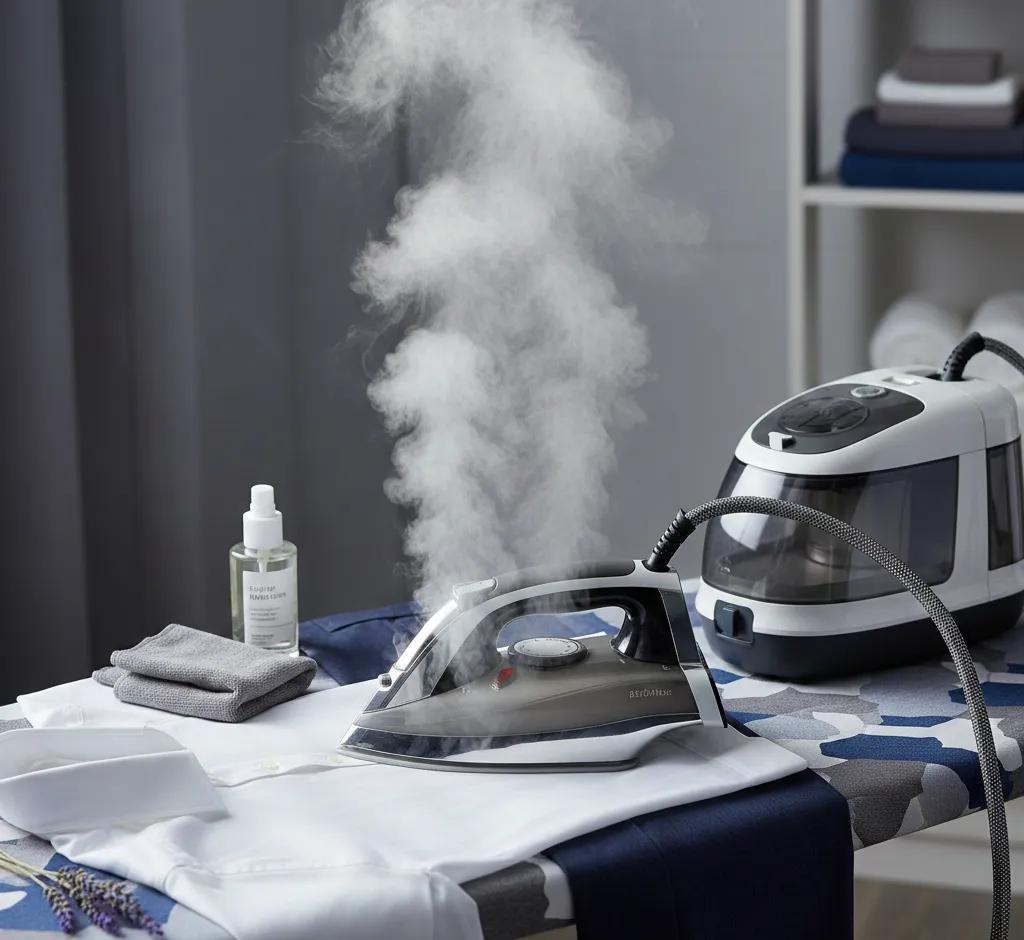
1. Steam Generator Irons (Steam Stations)
Steam generator irons, also known as steam stations, are the most common form of continuous fill systems.
- Separate base unit: Contains the large water tank and boiler.
- Light iron head: Connected by a hose, designed mainly for pressing, not water storage.
- High steam output: Ideal for tough fabrics and large loads.
Many steam generators feature removable or detachable tanks that you can refill directly at the sink, making maintenance and use more convenient.
2. Advanced Traditional Irons with Continuous Refill
Some advanced conventional irons integrate a version of continuous refill technology. They may not have a full external boiler, but they manage heat and pressure so you can open the tank safely even while the iron is hot.
These models can be a good compromise if you:
- Have limited storage space.
- Prefer the feel of a classic iron.
- Do not need the absolute highest steam pressure.
Key Features to Look For
Not all continuous fill steam irons are equal. When shopping, pay attention to features that affect convenience, performance, and safety.
Steam Power and Pressure
Higher steam output makes ironing faster and more efficient. Look for:
- Continuous steam rate: Measured in grams per minute; higher values usually mean faster crease removal.
- Steam boost: A temporary burst of extra steam to tackle stubborn wrinkles.
- Steam pressure (for steam generators): Higher bar ratings typically lead to more penetrating steam, ideal for thick fabrics and multiple layers.
Tank Capacity and Refilling Ease
The whole point of continuous fill is non‑stop ironing, so the tank design matters.
- Generous capacity: Larger tanks mean fewer refills over time.
- Removable tank: Easy to carry to the sink and more convenient to fill.
- Transparent or backlit tank: Lets you see the water level at a glance.
Soleplate Quality
The soleplate determines glide, heat distribution, and durability.
- Materials: Stainless steel, ceramic, or high‑end coatings (such as anodized aluminum or multi‑layer non‑stick).
- Shape and tip: A well‑shaped tip helps reach collars, pleats, and around buttons.
- Steam hole pattern: Evenly spaced vents help distribute steam uniformly across the fabric.
Temperature and Fabric Settings
Look for clear, intuitive controls.
- Multiple fabric modes: Settings for synthetics, silk, wool, cotton, and linen.
- Automatic temperature control: Some models optimize heat and steam automatically for mixed loads.
- Vertical steaming: Useful for refreshing hanging garments and curtains.
Descaling and Water Filters
Limescale is the enemy of any steam system. In hard‑water areas, it can clog steam pathways and reduce performance.
- Built‑in anti‑scale systems: Cartridges, filters, or self‑clean cycles extend the life of your iron.
- Descale indicators: Visual or audio alerts that remind you when it is time to clean.
- Tap water compatibility: Some models allow the use of ordinary tap water, while others require a mix with distilled water.
Safety Features
Continuous fill irons reach high temperatures and use pressurized steam, so safety is crucial.
- Auto shut‑off: Turns the iron off after a period of inactivity.
- Stable base: Reduces the risk of tipping and accidents.
- Locking systems: Secure the iron to the base for transport and storage.
- Cool‑touch areas and insulated hose: Help prevent burns during use.
How to Use a Continuous Fill Steam Iron Effectively
To get the most out of your non‑stop ironing setup, follow a few simple best practices.
1. Sort Your Laundry First
Group items by fabric type and recommended temperature. Start with low‑heat fabrics and progress to higher‑heat materials. This minimizes adjustments and avoids scorching delicate textiles.
2. Preheat Properly
Give your iron or steam station enough time to reach operating temperature and steam pressure. Many models have clear lights or indicators that show when they are ready. Starting too early often leads to drips and weak steam.
3. Use the Right Steam Mode
- Continuous steam: For everyday shirts, trousers, and linens.
- Steam boost: For thick seams, stubborn creases, and heavier fabrics.
- Vertical steam: For suits, dresses, and hanging curtains.
Adjust the steam level according to the garment’s care label to avoid over‑dampening thin or delicate fabrics.
4. Refill the Tank Safely
Although continuous fill systems are designed for safe refilling, always follow the manufacturer’s instructions.
- Place the iron securely on its base or stand.
- Open the tank cap or remove the tank carefully.
- Add fresh water up to the indicated maximum level.
- Reattach the tank or close the cap securely before resuming.
Using cool or room‑temperature water helps the system maintain stable performance.
5. Maintain and Descale Regularly
To preserve steam performance and extend the lifespan of your iron:
- Run self‑clean or descale programs as recommended.
- Empty the tank before long storage periods.
- Use filtered or partially distilled water in very hard‑water regions.
Continuous Fill vs. Traditional Steam Irons
If you are deciding whether to upgrade, it helps to compare continuous fill systems with classic steam irons.
Advantages Over Traditional Irons
- Non‑stop operation: Refill on the go without cooling down.
- More steam power: Often significantly higher continuous steam and boost.
- Faster results: Fewer passes needed, especially on heavy fabrics.
- Better for large loads: Ideal for weekly family ironing or business use.
Potential Drawbacks
- Higher price: Technology and power come at a premium.
- More space required: Steam generator bases can be bulky.
- Slightly longer heat‑up time: Especially with powerful boilers.
For occasional ironers with small laundry loads, a standard steam iron may still be sufficient. But for regular, high‑volume ironing, the advantages of continuous fill often outweigh these drawbacks.
Choosing the Right Continuous Fill Steam Iron
With so many options on the market, picking the right model can feel overwhelming. Focus on how and how often you iron.
Questions to Ask Yourself
- How many hours per week do I spend ironing?
- Do I mostly iron shirts and everyday wear, or heavy linens and thick fabrics?
- How much storage space do I have?
- Is my water very hard, requiring better anti‑scale features?
- Do I need professional‑level performance for a business?
Balancing Budget and Performance
Entry‑level continuous fill systems can already provide solid steam power and convenience, while premium models offer faster heat‑up, higher pressure, and smarter controls. Decide early on which features are essential and which are nice‑to‑have.
- On a tight budget: Prioritize safety features, decent steam output, and a reliable brand.
- Mid‑range: Look for removable tanks, strong steam boosts, and robust anti‑scale systems.
- High‑end: Consider advanced temperature management, ultra‑glide soleplates, and very high steam pressure for professional results.
Care and Maintenance Tips
Proper care keeps your continuous fill steam iron performing like new.
Preventing Limescale Build‑Up
Even with anti‑scale technology, prevention is better than cure.
- Use filtered or mixed (tap plus distilled) water if your tap water is very hard.
- Empty standing water from the tank after each long session.
- Follow the manufacturer’s schedule for filter changes or descaling cycles.
Cleaning the Soleplate
A clean soleplate glides more smoothly and prevents marks on fabrics.
- Wipe the soleplate with a soft, damp cloth when the iron is cool.
- Avoid abrasive pads or harsh chemicals that can damage coatings.
- If residue builds up, use a cleaner approved by the manufacturer.
Safe Storage
After ironing:
- Switch the iron off and unplug it.
- Allow the system to cool completely.
- Empty the tank if you will not use it for several days.
- Store the iron and hose neatly on or in the base according to the manual.
Who Should Choose a Continuous Fill Steam Iron?
Steam irons with continuous fill are not just for professionals. They are ideal for:
- Large families: Regularly handling big piles of clothes and linens.
- Home businesses: Tailors, seamstresses, crafters, and resellers who press garments frequently.
- Hospitality and rental hosts: Guesthouses, B&Bs, and Airbnb hosts maintaining crisp bedding and towels.
- Detail‑oriented users: Anyone who values perfectly pressed clothing with minimal effort.
If you iron only a few pieces occasionally, a basic steam iron may still meet your needs. But once you experience the freedom of non‑stop steam and the speed of a well‑designed continuous fill system, it can be hard to go back.
Conclusion: Is a Continuous Fill Steam Iron Worth It?
Steam irons with continuous fill technology offer a compelling mix of efficiency, power, and convenience. By allowing you to refill water at any time, they eliminate one of the biggest frustrations of traditional ironing: forced breaks and repeated heat‑up cycles.
For households and small businesses that iron frequently, these systems can significantly reduce the time and effort required to keep clothes and linens looking their best. With the right combination of steam power, tank design, safety features, and maintenance habits, a continuous fill steam iron can become one of the most valuable tools in your laundry routine, delivering professional‑quality, non‑stop ironing from the comfort of your own home.