Sugar Free Chocolate Alternatives: A Complete Guide to Healthier Indulgence
Discover the best sugar free chocolate alternatives, how they are sweetened, their health benefits and drawbacks, and tips for choosing and enjoying low-sugar chocolate mindfully.
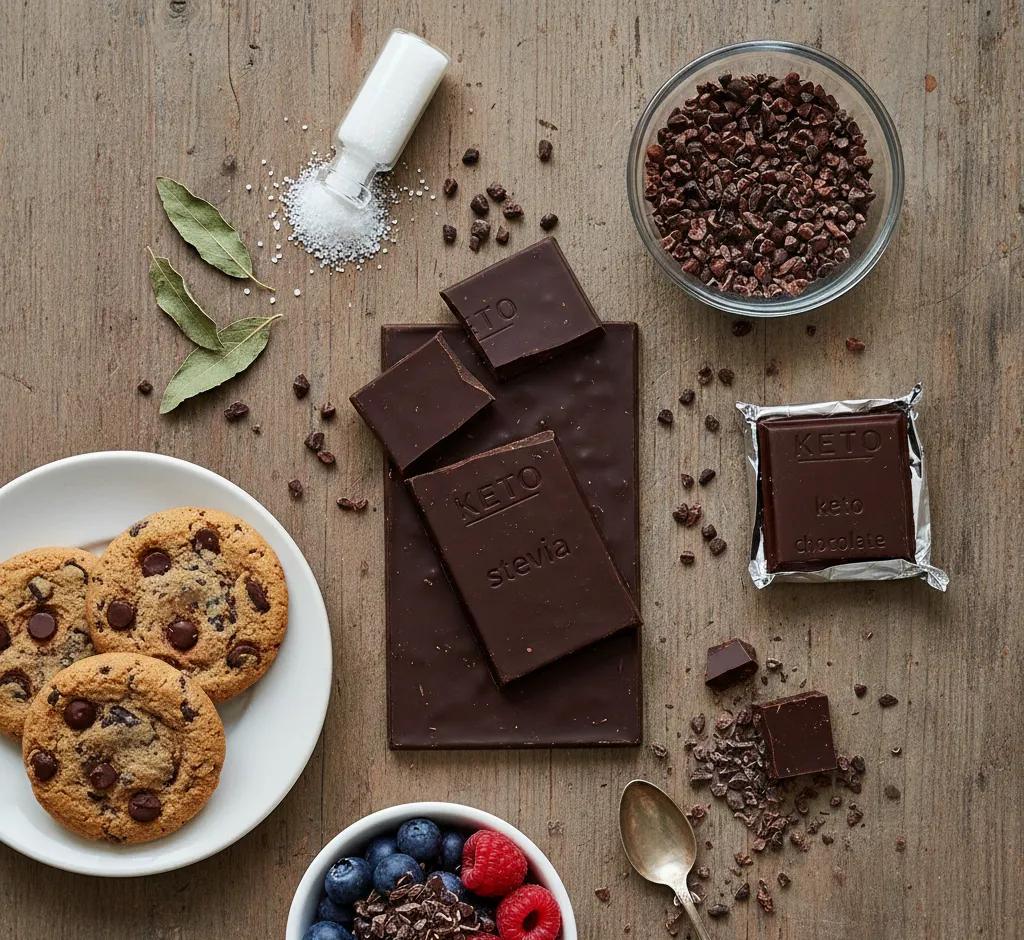
For many chocolate lovers, cutting back on sugar does not mean giving up the pleasure of a rich, cocoa-filled treat. Thanks to a growing range of sugar free chocolate alternatives, you can still satisfy your sweet tooth while better supporting your health goals. Whether you are managing diabetes, following a low-carb or keto lifestyle, or simply trying to reduce added sugars, there are more options than ever before.
In this article, we will explore the most popular sugar free chocolate alternatives, how they are sweetened, what to watch out for on labels, and how to choose the best option for your lifestyle. You will also discover practical tips on how to enjoy these treats in a balanced, mindful way.
What Does “Sugar Free Chocolate” Really Mean?
Before diving into specific alternatives, it is important to understand what sugar free actually means on a chocolate label. In many regions, a product labeled "sugar free" must contain less than a regulated amount of sugar per serving, often less than 0.5 g of sugar.
However, sugar free does not always mean carb free or calorie free. Many sugar free chocolates contain alternative sweeteners or sugar alcohols that still contribute some carbohydrates or calories. The key is to read the ingredient list and nutrition facts carefully to understand what you are really getting.
Sugar Free vs. No Added Sugar vs. Unsweetened
- Sugar free: Contains no traditional sugar, but may include alternative sweeteners, sugar alcohols, or naturally occurring sugars in very small amounts.
- No added sugar: No sugar is added during manufacturing, but the product may still contain naturally occurring sugars (for example, from milk or certain fibers).
- Unsweetened: Contains no sweeteners of any kind, including sugar, sugar alcohols, or low-calorie sweeteners. Unsweetened chocolate is usually bitter and often used in cooking or baking.
Understanding these distinctions helps you choose the chocolate that best matches your health needs and taste preferences.
Types of Sugar Free Chocolate Alternatives
There is no single “best” sugar free chocolate. Instead, you will find a variety of products that differ in sweetness, texture, ingredients, and nutritional profile. Below are some of the most common types and how they compare.
1. Stevia-Sweetened Chocolate
Stevia is a natural, zero-calorie sweetener derived from the Stevia rebaudiana plant. It is many times sweeter than sugar, so only a small amount is needed in chocolate.
- Pros: Very low in calories; does not raise blood sugar; suitable for most low-carb and keto diets; widely available.
- Cons: Some people notice a slightly bitter or licorice-like aftertaste; quality can vary among brands; often blended with other sweeteners for better flavor.
Stevia-sweetened chocolate can be a great option if you prefer plant-based sweeteners and want to minimize both sugar and calories. It often pairs well with higher-cocoa chocolate, which naturally balances the sweetness.
2. Erythritol or Monk Fruit Chocolate
Erythritol and monk fruit are two popular low-calorie sweeteners often used together in sugar free chocolate.
- Erythritol: A sugar alcohol that occurs naturally in some fruits and is almost calorie free. It has a clean, sweet taste and a cooling sensation in the mouth.
- Monk fruit: A natural sweetener derived from the monk fruit plant. It is much sweeter than sugar and usually blended with erythritol or other carriers.
When combined, erythritol and monk fruit can create a sweetness profile that is closer to sugar without adding significant calories or carbohydrates.
- Pros: Minimal impact on blood sugar; relatively natural origin; often tastes closer to traditional chocolate; commonly used in keto chocolate bars and baking chips.
- Cons: Erythritol can cause digestive discomfort in large amounts for some people; monk fruit products can be more expensive; the cooling effect may be noticeable.
3. Xylitol or Other Sugar Alcohol Chocolates
Xylitol, maltitol, and other sugar alcohols are commonly used to sweeten sugar free chocolate because they taste similar to sugar but provide fewer calories.
- Xylitol: Often used in dental-friendly products, as it does not contribute to tooth decay. It has a sweetness level similar to sugar.
- Maltitol: Frequently used in sugar free chocolates due to its sugar-like taste and texture.
However, sugar alcohols can affect digestion, especially when consumed in larger quantities.
- Pros: Taste very similar to sugar; help create a smooth, familiar chocolate texture; widely available and often more affordable.
- Cons: May cause gas, bloating, or laxative effects when eaten in excess; maltitol in particular can impact blood sugar more than other sugar alcohols; not ideal for everyone with digestive sensitivities.
4. Dark Chocolate with No Added Sugar
High-cocoa dark chocolate with no added sugar can be considered a more natural sugar free alternative, especially when sweetened with small amounts of alternative sweeteners or left nearly unsweetened.
Some bars use a combination of cocoa solids, cocoa butter, and small amounts of natural sweeteners like stevia or erythritol, while others rely on the natural bitterness of cocoa itself.
- Pros: Rich in cocoa flavanols and antioxidants; typically lower in carbohydrates than milk chocolate; intense flavor allows smaller portions to feel satisfying.
- Cons: Can be too bitter for those used to very sweet chocolate; some products still contain small amounts of sugar unless clearly labeled sugar free; may not be suitable for those who dislike dark chocolate.
5. Cocoa Nibs and Unsweetened Cocoa Products
Cocoa nibs are small pieces of crushed cocoa beans with no added sugar or sweeteners. They are crunchy, intensely chocolatey, and completely unsweetened.
Unsweetened cocoa powder and baking chocolate also fall into this category, offering all the chocolate flavor without sugar.
- Pros: Completely free of added sugar; rich in fiber and beneficial plant compounds; versatile for baking, smoothies, and toppings.
- Cons: Naturally bitter; usually best when combined with other ingredients or sweeteners; not a direct swap for milk chocolate in terms of taste.
6. Keto and Low-Carb Chocolate Bars
Specialized keto chocolate bars are designed to be very low in net carbohydrates. They often use blends of stevia, erythritol, or monk fruit, and are usually high in cocoa and fat.
- Pros: Formulated to fit strict low-carb macros; ideal for people following ketogenic or low-carb diets; often clearly labeled with net carb counts.
- Cons: Can be more expensive; ingredient lists may be longer and more processed; flavor varies widely among brands.
Choosing the Best Sugar Free Chocolate for You
With so many sugar free chocolate alternatives available, it can be overwhelming to decide which one to try. A few clear criteria can make choosing much easier and help you avoid common pitfalls.
1. Read the Ingredient List Carefully
Not all sugar free chocolates are created equal. Some may be low in sugar but high in unhealthy fats, additives, or artificial ingredients. To choose a higher-quality option, look for:
- Cocoa or cocoa mass listed among the first ingredients.
- Cocoa butter instead of cheaper vegetable oils.
- Minimal use of artificial flavors, colors, and preservatives.
- Sweeteners you recognize and tolerate well, such as stevia, erythritol, or monk fruit.
2. Consider Your Health Goals
Your ideal sugar free chocolate option depends on your personal health profile and goals.
- For blood sugar management: Look for products sweetened with non-nutritive sweeteners like stevia, monk fruit, or erythritol, and avoid maltitol-heavy bars.
- For weight management: Choose options that are not only low in sugar but also moderate in calories. Even sugar free chocolate is still energy dense.
- For digestive comfort: Be cautious with sugar alcohols if you are prone to bloating or have irritable digestion. Start with small portions and see how your body responds.
3. Pay Attention to Net Carbs
If you follow a low-carb or keto lifestyle, you may already be familiar with net carbs, which generally subtract fiber and some sugar alcohols from the total carbohydrate count. While this approach can be helpful, it is important to remember that not all sugar alcohols behave the same way in the body.
For stricter carb control, prioritize chocolates that use erythritol, stevia, or monk fruit, which tend to have minimal impact on blood glucose compared to others like maltitol.
4. Taste and Texture Preferences
Even the healthiest sugar free chocolate is not useful if you do not enjoy it. Pay attention to:
- Sweetness level: Some alternatives taste less sweet than traditional chocolate, which can be an adjustment at first.
- Texture: Certain sugar alcohols give a cooling sensation, and some sweeteners can change how the chocolate melts.
- Cocoa intensity: Higher cocoa percentages tend to taste richer and more bitter, but often require less sugar or sweetener.
Experiment with a few brands and types to find one that matches your palate.
Health Benefits and Considerations
Sugar free chocolate alternatives can bring several potential benefits, but they are not without trade-offs. Understanding both sides helps you make more informed choices.
Potential Benefits of Sugar Free Chocolate
- Lower sugar intake: Swapping traditional milk chocolate for sugar free alternatives can significantly reduce daily added sugar consumption.
- Support for blood sugar control: People with diabetes or insulin resistance may find sugar free chocolate easier to fit into their meal plan.
- Fewer cavities: Unlike sugar, many alternative sweeteners do not feed oral bacteria, potentially reducing the risk of tooth decay.
- Antioxidant support: Dark and high-cocoa sugar free chocolates still provide flavanols and other beneficial plant compounds naturally present in cocoa.
Important Cautions and Limitations
- Overeating risk: The term "sugar free" can create a health halo, tempting you to eat more than you would of regular chocolate.
- Digestive issues: Some individuals experience gas, cramping, or loose stools when consuming sugar alcohols like maltitol or excessive erythritol.
- Highly processed ingredients: A few sugar free chocolates rely heavily on artificial sweeteners or additives to mimic the taste and texture of sugar.
- Calorie content: Many sugar free chocolates are still high in fat and calories, so portion control remains important.
How to Enjoy Sugar Free Chocolate Mindfully
Embracing sugar free chocolate alternatives works best when you combine them with mindful eating habits. Instead of viewing them as “diet food,” treat them as a more balanced way to enjoy something you love.
1. Keep Portions Reasonable
Even though sugar free chocolate may fit better within your health goals, it is still a concentrated source of energy. Aim for modest servings, such as a few squares of a bar or a small handful of sugar free chocolate chips.
Eating slowly and savoring each bite can make smaller portions feel more satisfying. Pay attention to mouthfeel, aroma, and flavor so you genuinely enjoy the experience.
2. Pair Chocolate with Nutrient-Dense Foods
You can turn sugar free chocolate into a more balanced snack by pairing it with foods that provide protein, fiber, or healthy fats. For example:
- A few pieces of sugar free dark chocolate with a small handful of nuts.
- Greek yogurt topped with a sprinkle of cocoa nibs.
- Fresh berries with grated sugar free chocolate on top.
These combinations provide longer-lasting energy and help stabilize blood sugar.
3. Use Sugar Free Chocolate in Recipes
Sugar free chocolate alternatives can also be used creatively in the kitchen. Consider:
- Adding sugar free chocolate chips to low-carb muffins or cookies.
- Melting sugar free dark chocolate for a simple dip for strawberries or sliced fruit.
- Blending unsweetened cocoa powder into smoothies and then sweetening with stevia or monk fruit.
Experimenting with recipes allows you to control sweetness levels and ingredients while still enjoying chocolate flavor.
Common Mistakes to Avoid
Switching to sugar free chocolate is not complicated, but there are some frequent missteps that can undermine your progress or cause discomfort.
Assuming “Sugar Free” Equals Unlimited
One of the biggest mistakes is assuming sugar free chocolate can be eaten in unlimited amounts because it seems healthier. Overeating can lead to digestive issues and slow down weight-loss or metabolic goals.
Ignoring the Rest of Your Diet
While sugar free chocolate can help reduce overall sugar intake, it is only one piece of the puzzle. A balanced lifestyle still includes:
- Plenty of whole foods like vegetables, fruits, whole grains, and lean proteins.
- Regular physical activity.
- A focus on overall calorie balance and nutrient density.
Not Checking for Hidden Carbohydrates
Some products marketed as sugar free or low sugar contain starches, fillers, or sweeteners that still impact blood glucose. Always check the nutrition label for total and net carbohydrates, and be cautious with products that rely heavily on maltitol or similar sweeteners.
How to Transition from Regular to Sugar Free Chocolate
If you are used to very sweet milk chocolate, sugar free alternatives may taste different at first. A gradual transition makes the shift more enjoyable and sustainable.
Step 1: Move Toward Higher-Cocoa Chocolate
Start by choosing dark chocolate with a moderately higher cocoa percentage (for example, 60–70%), even if it still contains some sugar. This helps your taste buds adjust to a less sugary, more cocoa-forward flavor.
Step 2: Introduce Sugar Free Options Slowly
Once you are comfortable with darker chocolate, begin incorporating sugar free bars or stevia/erythritol-sweetened chocolates. Try different brands in small quantities, noting which ones have the best flavor and texture for you.
Step 3: Reduce Overall Sweetness Over Time
As your palate adapts, you may find you need less sweetness overall. Many people discover that very sugary chocolate becomes overwhelming once they get used to richer, lower-sugar alternatives.
Who Should Be Cautious with Sugar Free Chocolate?
Although sugar free chocolate alternatives can fit into most people’s diets, certain individuals should pay closer attention.
- People with digestive sensitivities: Those prone to bloating, gas, or irritable bowel symptoms may react to sugar alcohols and should test tolerance with small servings.
- Individuals managing chronic conditions: Anyone with diabetes, metabolic syndrome, or heart disease should consult a healthcare professional to see how sugar free chocolate fits into their overall plan.
- Pet owners: Some sugar alcohols, particularly xylitol, can be highly toxic to dogs. Keep sugar free chocolate well out of reach of pets.
Final Thoughts: Enjoying Chocolate the Smarter Way
Sugar free chocolate alternatives offer a practical and enjoyable way to reduce sugar while still celebrating the taste of cocoa. From stevia- and monk fruit–sweetened bars to rich dark chocolate and versatile cocoa nibs, you have more choices than ever before.
The key is to look beyond the "sugar free" label and consider ingredients, sweeteners, portion sizes, and your personal health goals. When chosen wisely and enjoyed mindfully, sugar free chocolate can become a satisfying part of a balanced lifestyle rather than a compromise.
If you are curious, start by sampling a few different types—perhaps a stevia-sweetened dark chocolate, a keto-friendly bar, and some cocoa nibs—and notice how they fit your taste preferences and daily routine. Over time, you can find the sweet spot where pleasure and health meet in every chocolate bite.