Teeth Grinding at Night: Effective Solutions for Protecting Your Smile
Learn what causes teeth grinding at night (sleep bruxism) and discover proven solutions: night guards, stress management, jaw exercises, sleep hygiene, and when to see a dentist.
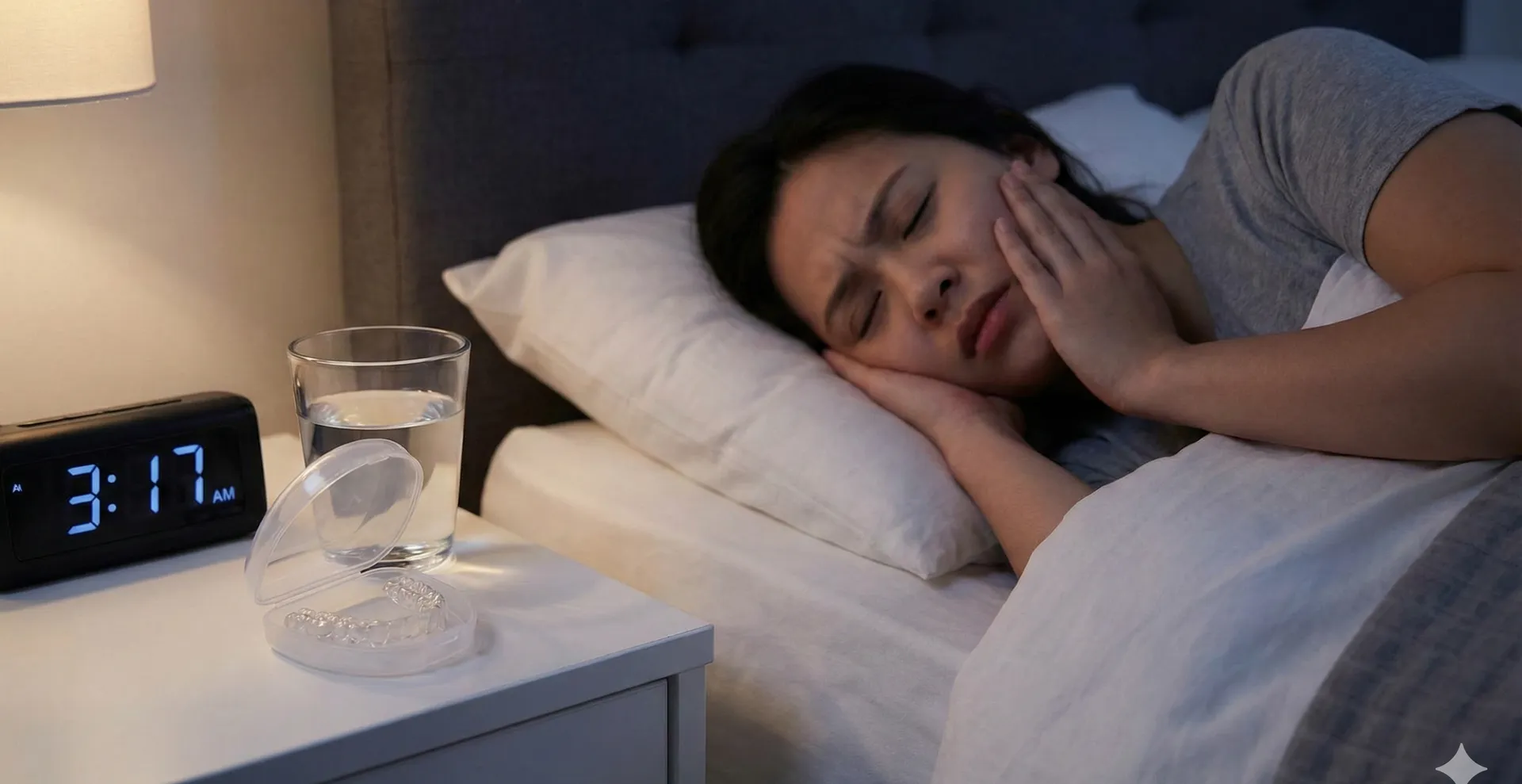
Waking up with a sore jaw, headache, or sensitive teeth can be a sign that you grind your teeth at night. Sleep bruxism, as this condition is called, can damage teeth, irritate the jaw joints, and disturb your sleep if it is not treated properly. Understanding why teeth grinding happens and how to manage it is essential for protecting your smile and improving your overall well-being.
What Is Nighttime Teeth Grinding?
Teeth grinding at night is a type of bruxism that occurs during sleep and often goes unnoticed until symptoms appear, such as pain or worn teeth. [web:2][web:3] Because the grinding happens unconsciously, many people only learn about it when a partner mentions the noise or when a dentist sees signs of wear on the teeth. [web:2][web:11]
Sleep bruxism can involve grinding, clenching, or a combination of both, and it tends to occur in episodes during lighter stages of sleep. [web:3][web:13] Over time, this repeated pressure can overload teeth, jaw joints, and the surrounding muscles, leading to discomfort and dental problems. [web:2][web:4]
Common Signs and Symptoms
Because nighttime teeth grinding is involuntary, recognizing the warning signs is an important first step in finding a solution. [web:2][web:11] Early detection helps prevent extensive damage and makes treatment more effective.
- Sore or tight jaw muscles on waking, sometimes with difficulty opening the mouth fully. [web:2][web:4]
- Dull morning headaches or pain around the temples and ears. [web:2][web:11]
- Chipped, flattened, or worn teeth, and sometimes increased tooth sensitivity. [web:4][web:9]
- Clicking, popping, or discomfort in the temporomandibular joints (TMJ). [web:2][web:4]
- Partners or family members complaining about grinding noises at night. [web:2][web:5]
Why Do People Grind Their Teeth at Night?
There is rarely a single cause of sleep bruxism; instead, several factors tend to overlap. [web:2][web:18] Understanding what might be driving your own grinding can guide you toward the most effective solutions.
- Stress and anxiety: Emotional tension is one of the most frequently cited triggers, as stress can activate muscle tension and micro-arousals during sleep. [web:2][web:3][web:7]
- Sleep disorders: Conditions like obstructive sleep apnea and fragmented sleep are associated with higher rates of sleep bruxism. [web:3][web:13]
- Bite and jaw alignment: Some people have misaligned teeth or jaw structures that may contribute to grinding in certain cases. [web:4][web:18]
- Medications and substances: Caffeine, alcohol, nicotine, and certain medications can increase muscle activity and arousals from sleep. [web:2][web:6]
- Genetic factors: Bruxism often runs in families, suggesting a genetic component to how the nervous system responds during sleep. [web:13][web:18]
Why Nighttime Teeth Grinding Is a Problem
Occasional grinding may not cause serious issues, but frequent or intense bruxism can lead to significant oral and general health problems. [web:2][web:9] The sooner it is addressed, the easier it is to prevent long-term complications.
- Tooth damage: Enamel wear, cracks, fractures, and increased risk of cavities can all stem from prolonged grinding. [web:2][web:4]
- Jaw disorders: Ongoing strain on the TMJ may cause pain, restricted movement, and clicking or popping sounds. [web:2][web:4]
- Restless sleep: Micro-arousals, pain, and muscle tension may disrupt normal sleep architecture, leaving you tired during the day. [web:3][web:13]
- Headaches and neck pain: The muscles used for grinding connect with neck and head structures, so chronic tension can cause widespread discomfort. [web:2][web:6]
Professional Solutions: Dental and Medical Treatments
For moderate to severe nighttime grinding, working with a dental or medical professional is often the most effective way to protect your teeth and relieve symptoms. [web:2][web:4] A personalized plan may combine several approaches depending on your symptoms and underlying causes. [web:4][web:10]
Custom Night Guards and Splints
A custom-made night guard (or occlusal splint) is one of the most common and reliable tools for reducing the impact of teeth grinding at night. [web:3][web:7] Fitted by a dentist, these devices sit over your upper or lower teeth and act as a protective barrier to absorb and redistribute the forces of grinding. [web:4][web:5]
- Benefits: Protects enamel from wear, reduces tooth fractures, and can decrease muscle strain and TMJ pain. [web:3][web:7]
- Custom vs. over-the-counter: Custom devices tend to fit better, last longer, and provide more even pressure distribution than generic options. [web:5][web:7]
Mandibular Advancement Devices
For people whose grinding is linked to snoring or sleep apnea, a mandibular advancement device (MAD) may be recommended. [web:3][web:10] These devices hold the lower jaw slightly forward, opening the airway and sometimes reducing the episodes of bruxism associated with breathing disruptions. [web:3][web:13]
Dental Corrections
In certain cases, uneven bites or significantly worn teeth may require restorative dental work to improve the way the upper and lower teeth meet. [web:4][web:18] Dentists might use bonding, crowns, or reshaping to distribute biting forces more evenly and stabilize the bite. [web:4][web:10]
Medications and Injections
Medication is not usually the first line of treatment but may be considered when other strategies are not enough. [web:2][web:4] Short-term use of muscle relaxants at bedtime or, in some cases, targeted botulinum toxin injections into the jaw muscles can reduce the intensity of grinding and clenching. [web:3][web:6]
Because these options can carry side effects and must be tailored to the individual, they should always be discussed with a healthcare professional who understands both your oral health and medical history. [web:2][web:18]
Home Strategies to Reduce Teeth Grinding at Night
Alongside professional care, there are many self-care strategies that can help lower the frequency and intensity of night grinding. [web:3][web:6] These approaches aim to relax the jaw, calm the nervous system, and remove common triggers from your routine. [web:7][web:8]
Jaw Relaxation and Stretching
Gentle jaw stretches and massage can help release muscle tension before bedtime. [web:1][web:3] Simple exercises, such as slowly opening and closing the mouth or moving the jaw from side to side within a comfortable range, can encourage relaxation instead of clenching. [web:7][web:10]
Warm compresses applied to the cheeks and sides of the jaw for several minutes in the evening can also soothe tense muscles and reduce discomfort from earlier grinding episodes. [web:1][web:7]
Stress Management Techniques
Because stress is a major contributor to sleep bruxism, building a daily stress-management routine can significantly improve symptoms. [web:2][web:7] Relaxation practices train the body to shift away from constant tension and may reduce grinding episodes during lighter stages of sleep. [web:3][web:8]
- Deep breathing exercises or guided relaxation before bed. [web:3][web:7]
- Meditation, mindfulness, or journaling to unwind from the day. [web:3][web:6]
- Gentle yoga, stretching, or tai chi in the evening to release physical tension. [web:3][web:7]
Improving Sleep Hygiene
Healthy sleep habits reduce nighttime arousals and help stabilize the nervous system, which may decrease teeth grinding. [web:3][web:8] Small changes to your evening routine can make a big difference over time.
- Keep a consistent sleep and wake schedule, even on weekends. [web:3][web:8]
- Create a calming pre-sleep routine that avoids intense work or screen time before bed. [web:3][web:6]
- Limit caffeine, nicotine, and alcohol, especially in the hours leading up to bedtime. [web:2][web:6]
- Make the bedroom dark, quiet, and cool to support deep, restorative sleep. [web:3][web:8]
Watching Daytime Habits
Some people notice that they also clench their jaw during the day, especially when concentrating or under pressure, which can reinforce nighttime grinding. [web:2][web:6] Building awareness of jaw position and muscle tension while awake helps retrain the body not to default to clenching. [web:6][web:18]
- Check in regularly during the day and gently relax your jaw by keeping your lips together and teeth slightly apart. [web:6][web:10]
- Avoid chewing on pencils, ice, or gum for long periods, which can overwork the jaw muscles. [web:6][web:7]
- Set reminders on your phone or computer to scan for jaw tension and release it. [web:6][web:8]
At-Home vs. Professional Solutions
Choosing the right combination of home strategies and professional care depends on how severe your bruxism is and whether you already have signs of dental damage. [web:2][web:4] The table below highlights how common solutions compare in terms of focus, advantages, and limitations. [web:3][web:7]
| Solution | Main Goal | Key Benefits | Considerations |
|---|---|---|---|
| Custom night guard | Protect teeth from grinding forces at night. [web:3] | Reduces wear, fractures, and jaw strain with a tailored fit. [web:4] | Requires dental visit and replacement over time. [web:5] |
| Mandibular advancement device | Improve airway and reduce apnea-related grinding. [web:3] | Helps breathing and may lower bruxism linked to sleep apnea. [web:10] | Not suitable for everyone; needs professional assessment. [web:13] |
| Stress-management techniques | Lower overall muscle tension and nighttime arousals. [web:2] | Supports mental health and may reduce grinding episodes. [web:3] | Requires consistency and time to see full benefits. [web:7] |
| Jaw stretches and massage | Relax jaw muscles before sleep. [web:1] | Easy to do at home and can reduce soreness. [web:7] | Helps symptoms but does not protect teeth on its own. [web:3] |
| Improved sleep hygiene | Promote deeper, more stable sleep. [web:3] | Benefits energy, mood, and may ease bruxism. [web:8] | Needs long-term lifestyle changes, not a quick fix. [web:6] |
| Medication or injections | Reduce muscle activity in selected cases. [web:2] | May help in severe or resistant bruxism. [web:3] | Potential side effects; must be supervised by a clinician. [web:4] |
When You Should See a Dentist or Doctor
Occasional light grinding may not be urgent, but certain warning signs indicate that a professional evaluation is important. [web:2][web:11] Getting help early can prevent the need for complex and costly dental treatments later on. [web:4][web:10]
- Persistent jaw, face, or ear pain, or difficulty opening and closing the mouth. [web:2][web:4]
- Chipped, cracked, or visibly shortened teeth, or new tooth sensitivity. [web:4][web:9]
- Loud grinding noises reported by a partner, especially if combined with snoring or pauses in breathing. [web:3][web:13]
- Morning headaches, daytime fatigue, or poor concentration that may reflect disrupted sleep. [web:2][web:8]
During an evaluation, a dentist may examine your teeth and jaw, ask about your sleep and stress levels, and recommend imaging or a sleep study if a disorder like sleep apnea is suspected. [web:2][web:10] From there, a tailored plan can be developed that may include a night guard, lifestyle changes, and referrals to other specialists when needed. [web:4][web:18]
Putting It All Together
Teeth grinding at night is common, but it is not something you have to live with or ignore. [web:2][web:9] Combining protective devices such as night guards with stress reduction, jaw relaxation, and healthy sleep habits provides a powerful, long-term strategy for reducing damage and discomfort. [web:3][web:7]
If you suspect you grind your teeth, consider tracking your symptoms, discussing them with your dentist or doctor, and taking small daily steps to support a calmer body and better sleep. [web:2][web:8] With a thoughtful, consistent approach, most people can significantly reduce the impact of nighttime bruxism and protect their smile for years to come. [web:3][web:4]