The Complete Guide to Using Rice Socks for Localized Moisture: Safe, Simple, and Effective
Learn how to use rice socks for safe, localized moist heat therapy. Get step-by-step instructions, safety tips, benefits, and FAQs to relieve tension, stiffness, and cramps at home.
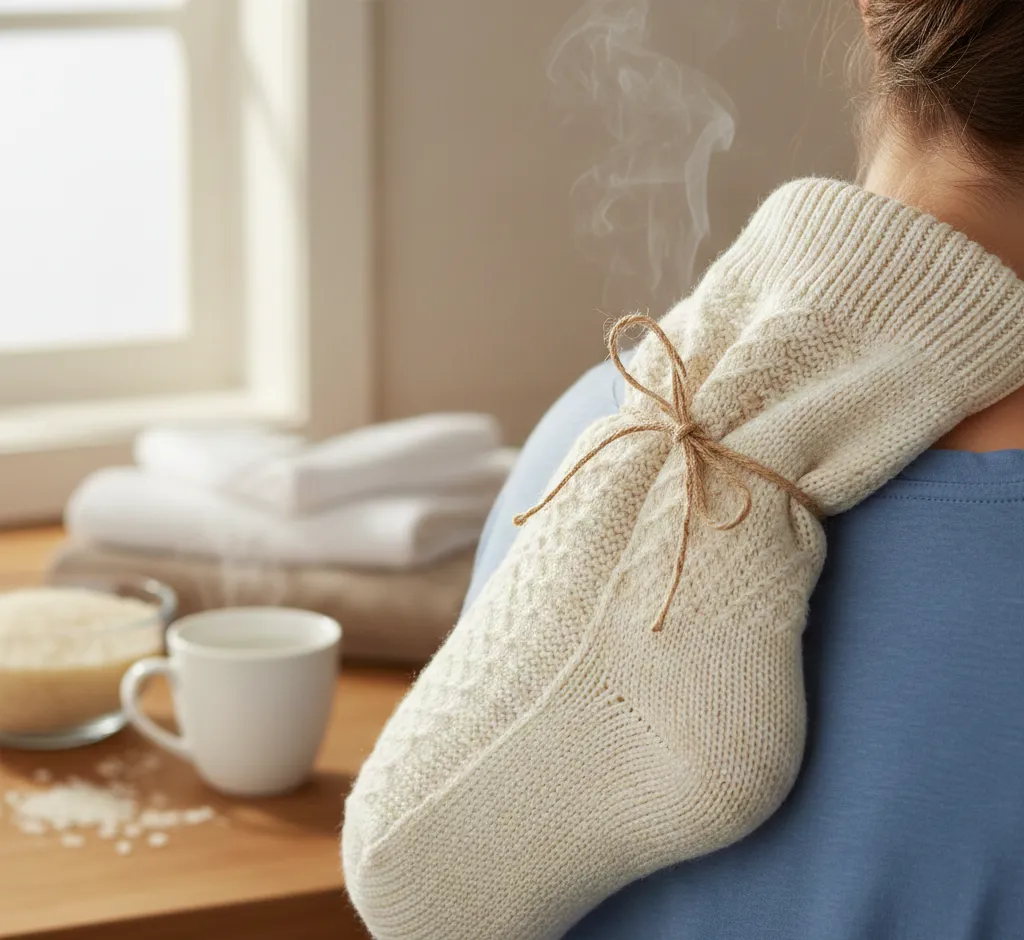
Localized moist heat therapy can ease muscle tension, calm joint stiffness, and support recovery from minor strains. A time-tested, budget-friendly way to deliver this heat and gentle humidity is the humble rice sock. When made and used correctly, a rice sock can provide targeted, moist warmth in minutes—without special equipment. This guide explains how rice socks work, how to make them safely, when to use them, and how to get the best results while minimizing risks.
What Is a Rice Sock?
A rice sock is a simple, reusable heat pack made by filling a clean cotton sock or pouch with uncooked rice and heating it briefly in a microwave. The rice traps heat and releases a light, comforting moisture as it warms, creating a form of localized moist heat. You can then place the warmed pack on the area that needs soothing—for example, the neck, shoulder, lower back, or knee.
Why Moist Heat Works
Moist heat is often preferred over dry heat because water transfers heat more efficiently than air. The gentle humidity can help:
- Increase local blood flow, delivering oxygen and nutrients.
- Relax tight muscles and reduce spasms.
- Improve joint flexibility and ease stiffness.
- Promote comfort without excessively drying the skin.
While dry heat pads also help, the subtle moisture from a rice sock can feel more penetrating and comfortable for many people, especially in areas with muscle knots or chronic tightness.
When to Use a Rice Sock
Moist heat tends to be most helpful for subacute or chronic discomforts rather than fresh injuries. Common use cases include:
- Muscle tension and knots from desk work, driving, or poor posture.
- Chronic stiffness in the neck, shoulders, or lower back.
- Joint soreness related to osteoarthritis (when not acutely inflamed).
- Menstrual cramps and abdominal tension.
- Sinus pressure (apply to cheeks or forehead—ensure low heat and brief intervals).
Avoid or use caution with heat during the first 24–72 hours after an acute injury, when significant swelling, redness, or warmth is present. In those cases, cold therapy may be more appropriate initially. If you have circulatory problems, neuropathy, diabetes, open wounds, or reduced sensation, consult a clinician before using heat therapy.
How Rice Socks Create Localized Moisture
Rice contains a small amount of residual water. When heated, rice releases a mild vapor that adds humidity to the warmed surface. The breathable cotton fabric helps regulate heat release and allows vapors to pass through to the skin. This combination mimics a moist heating pad without added water, gels, or electricity near the body.
Materials and Safety Basics
Most households can make a rice sock with items on hand. Choosing the right materials improves safety and performance.
Recommended Materials
- 100% cotton sock or cotton pouch. Natural fibers tolerate microwave heat better than synthetics.
- Uncooked, plain white rice. Standard long- or medium-grain works well; avoid instant rice or flavored products.
- Optional inner liner. A thin cotton muslin bag can hold the rice, then slip into a decorative outer cover.
- Closure. Use a simple knot, tight stitch, heat-safe string, or sew the open end to prevent spills.
What to Avoid
- Synthetics and metal. Do not use socks with polyester, nylon, or metallic threads—they may melt or spark.
- Overfilling. Overly stuffed socks heat unevenly and can burn or tear.
- Excessive heating. Overheating may scorch rice, create hot spots, or pose a fire hazard.
- Added liquids or oils. Do not soak rice or add essential oils before microwaving, as they can intensify heat or ignite.
Step-by-Step: Making a Rice Sock
- Choose your sock. Select a clean, thick, 100% cotton sock without logos or metallic fibers. A crew or knee-high length offers more coverage.
- Fill with rice. Pour uncooked white rice into the sock until it’s about half to two-thirds full. This allows the pack to mold comfortably to the body.
- Secure the end. Tie a snug knot, stitch the end closed, or use a cotton drawstring. Ensure no rice can escape.
- Create sections (optional). For longer socks, sew two or three light seams across the sock to keep rice evenly distributed and prevent shifting.
- Label it. Mark the sock “HEAT ONLY” to prevent accidental washing or misuse.
Heating Instructions and Temperature Safety
Microwave power and sock size vary, so start low and increase gradually to find your safe, comfortable range.
General Heating Guide
- Start at 20–30 seconds. For a standard, half-filled cotton crew sock (700–1000 W microwave), begin with 20–30 seconds.
- Shake and check. Remove carefully, shake to distribute heat, and press the sock against the inside of your forearm for 2–3 seconds to test comfort.
- Add in short bursts. If needed, reheat in 10–15 second increments until warm—not hot. Aim for comfortably warm, not steaming.
- Maximum cumulative time. Avoid exceeding 90 seconds total for most household microwaves and sock sizes. If a burnt smell appears, stop immediately.
Preventing Hot Spots
- Rotate midway. Pause halfway to flip the sock for even heating.
- Do not compress tightly in the microwave. Allow air circulation so heat distributes evenly.
- Add a small mug of water nearby. Placing a microwave-safe mug of water in the microwave can reduce drying and lower the risk of scorching.
How to Use for Localized Moisture
Once warmed, apply the rice sock over lightweight clothing or a thin towel for the first minute to ensure comfort, then place directly on skin if safe.
Application Tips
- Session length. Use 10–20 minutes per session, up to several times per day.
- Mold to the area. Drape over curved surfaces (neck/shoulder) or wrap around joints (knee/ankle) for close contact.
- Layering for humidity. For extra moisture, lightly dampen a separate thin cloth (not the rice sock) and place it between the skin and the sock.
- Stay present. Do not fall asleep with a heated rice sock on your body.
Target Areas and Techniques
- Neck and shoulders: Rest the sock across the upper trapezius. Gentle shoulder rolls afterward can help lengthen relaxed muscles.
- Lower back: Recline with a pillow under the knees and the sock across the lumbar area. Follow with gentle pelvic tilts.
- Knees and elbows: Wrap the sock around the joint and secure loosely with a cotton band or rest under a light blanket.
- Abdomen (cramps): Place over the lower abdomen. Keep the heat mild and limit to 10–15 minutes per session.
- Sinuses and jaw: Use very low heat and brief contact, avoiding eyes. Breathe through the nose to enjoy the humidity.
Adding Aromatics Safely
Aromatics can enhance relaxation, but heat concentrates scents and can irritate airways. If you enjoy fragrance, choose low-risk methods:
- External wrap: Slip the heated rice sock into a removable cotton cover lightly spritzed with water and a single drop of essential oil on the outside only. Do not add oils directly to the rice.
- Herbal sachet: Place a separate, thin herbal sachet (lavender buds, chamomile) between the sock and clothing, not inside the sock.
- Fragrance-free option: For sensitive users or children, avoid scents altogether.
Care, Storage, and Longevity
Proper care improves safety and extends the life of your rice sock.
- Cool completely before storage. Store in a dry area away from heat sources.
- Use a washable cover. Since the rice sock itself should not be laundered, a removable cotton cover keeps it clean.
- Deodorize if needed. If a musty smell develops, let the sock air out thoroughly. If odors persist or grains darken, replace the rice.
- Monitor for wear. Check seams and fabric for thinning, scorching, or leaks. Discard if compromised.
- Expected lifespan. With moderate use and proper heating, expect several months to a year of service.
Troubleshooting and FAQs
Why does my rice sock smell burnt?
It was likely overheated or heated too long in one stretch. Reduce microwave time, add a mug of water to the microwave, and shake/flip between bursts. If the rice has darkened or the odor persists, replace the contents.
Can I use other fillers?
Yes, many use flaxseed, barley, or cherry pits. Flaxseed holds heat well and can feel slightly more pliable; cherry pits are durable and less prone to scorching but may provide a drier heat. Always test heating times anew with any filler.
Is it safe for children or older adults?
Use extra caution with anyone who has delicate skin or reduced sensation. Test temperature carefully and place the sock over a layer of clothing. Never leave a child unattended with a heated pack.
Can I chill a rice sock for cold therapy?
Yes. Place it in a sealed bag in the freezer for at least two hours. The chilled pack provides gentle cold and may be used for acute sprains or after activity. Consider having separate socks for hot and cold to avoid moisture issues.
How often can I use it?
Use as needed, typically 2–4 times per day in short sessions. If pain persists beyond a week, worsens, or is accompanied by swelling, redness, numbness, or unexplained symptoms, seek medical guidance.
Safety Considerations and Contraindications
- Do not overheat. Start low and increase slowly, checking skin frequently.
- Avoid broken skin. Do not place heat on open wounds, infections, or severe dermatitis.
- Medical conditions. People with diabetes, vascular disease, neuropathy, or impaired sensation should consult a healthcare professional before use.
- Pregnancy. Mild external heat for short periods is generally considered safe, but avoid overheating the abdomen and discuss with a clinician if unsure.
Enhancing Results: Pairing With Gentle Movement
For tight muscles, heat often works best when followed by light mobility or stretching. Consider:
- Neck: After heat, perform slow chin tucks and side bends.
- Shoulders: Try scapular squeezes and shoulder circles.
- Lower back/hips: Do pelvic tilts, cat–cow motions, or a brief walk.
- Knees: Use quad sets and gentle hamstring stretches.
Moist heat reduces guarding, and movement helps maintain the improved range of motion, extending the relief window.
Eco-Friendly and Budget Benefits
Rice socks are inexpensive to make, require no electricity during use, and reuse household materials. Compared to plug-in heating pads or disposable heat wraps, they offer a low-waste, low-cost alternative that can be customized for size, shape, and coverage.
Key Takeaways
- Rice socks deliver quick, gentle, localized moist heat using simple materials.
- Start with short microwave intervals, test carefully, and avoid overheating.
- Use for muscle tension, stiffness, cramps, and select chronic aches; avoid acute inflamed injuries.
- Maintain a washable cover, store dry, and replace contents if scorched or smelly.
- Pair with light movement to reinforce flexibility and comfort.
With a few safety precautions and good habits, a rice sock can become a reliable, go-to tool in your self-care toolkit for soothing localized discomfort and promoting relaxation.