The Future of Smart Humidity Sleep Tech: How Connected Climate Control Will Transform Your Nights
Discover how next-generation smart humidity sleep tech will personalize your bedroom climate with AI, sensors, and connected devices to deliver deeper, more restorative sleep.
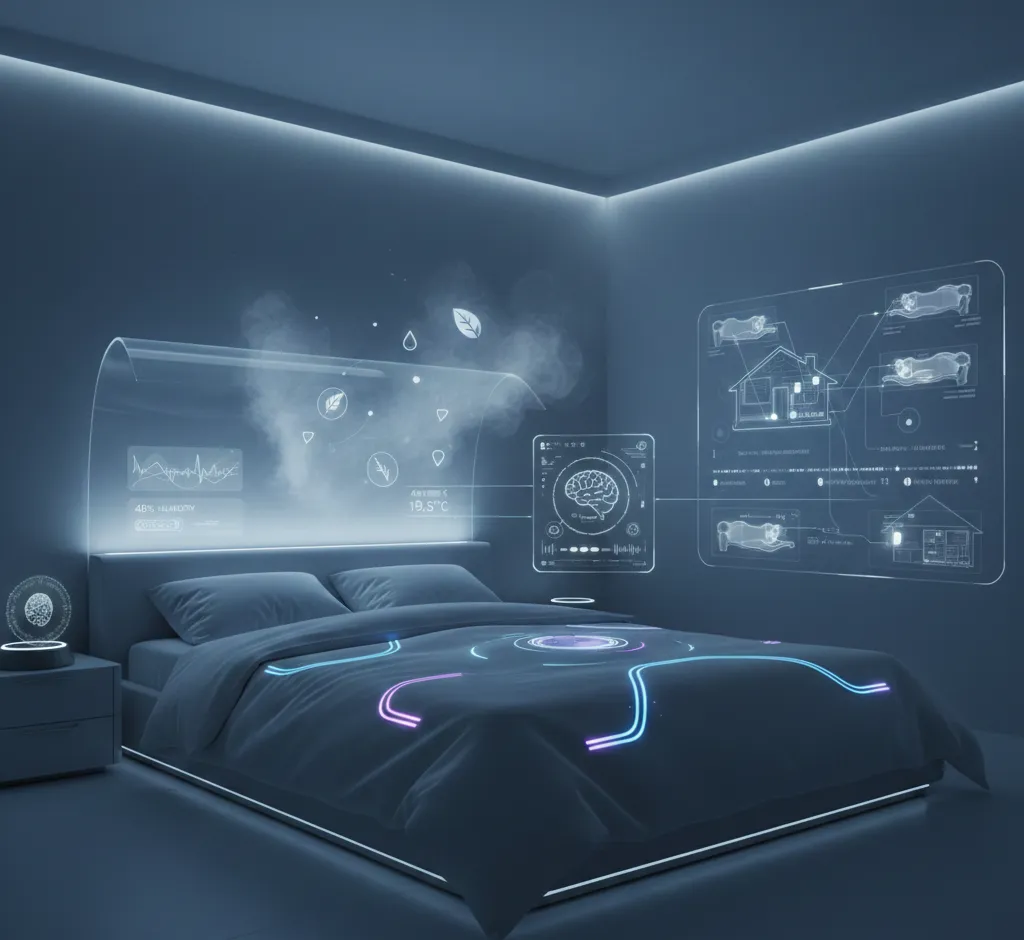
Smart home technology has already transformed the way we light, secure, and heat our homes. The next frontier is more intimate and personal: optimizing the air around us while we sleep. Smart humidity sleep tech is emerging as a powerful new category that combines sensors, algorithms, and connected devices to create the ideal microclimate for deep, restorative rest.
As research continues to highlight how temperature and humidity affect sleep quality, innovators are racing to build systems that can detect subtle changes in your environment and adjust in real time. The future of sleep will not be about a better alarm clock or a more comfortable mattress alone, but about an intelligent climate cocoon that wraps you in precisely the right warmth and moisture, moment by moment.
Why Humidity Matters More Than You Think
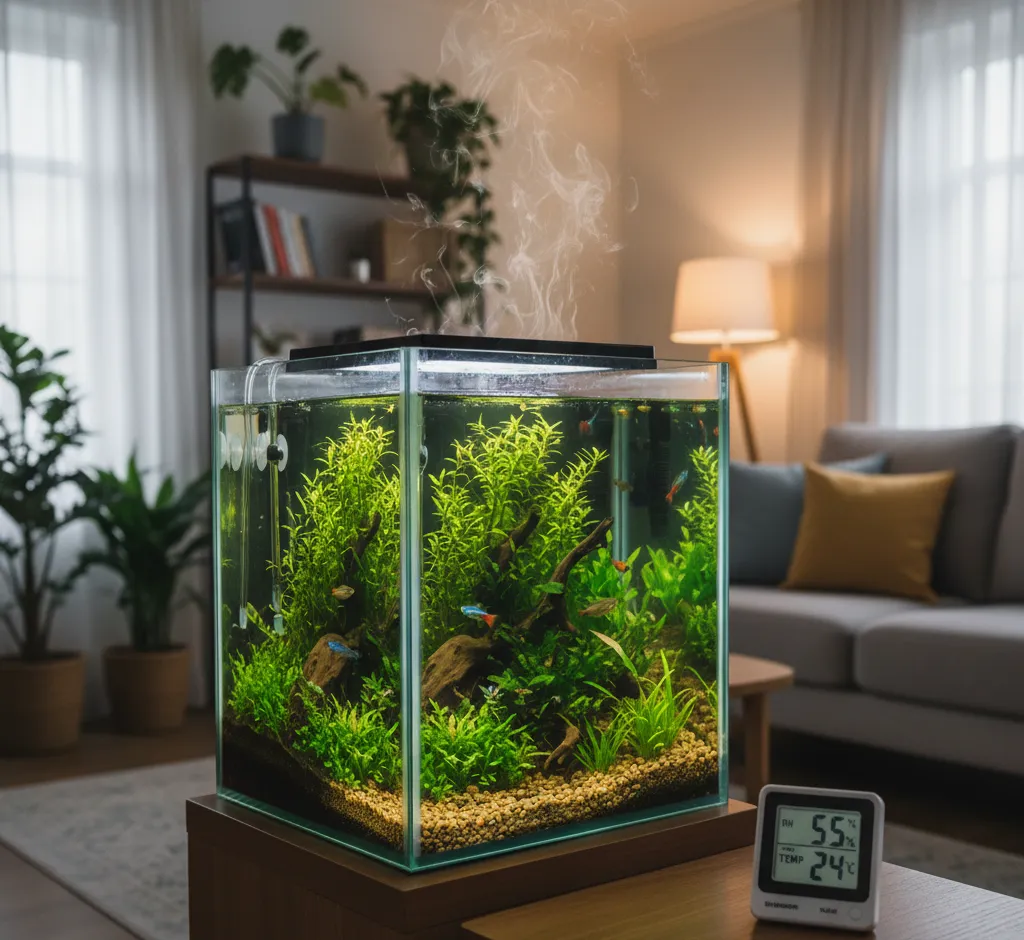
Most people focus on room temperature when they think about comfortable sleep, but humidity is just as important. Relative humidity influences how your body regulates heat, how easily you breathe, and even how your skin and sinuses feel throughout the night.
- Too dry: Low humidity can cause dry throat, itchy skin, irritated eyes, and nasal congestion that leads to snoring or mouth breathing.
- Too humid: High humidity makes it harder for sweat to evaporate, so your body struggles to cool down, leading to restlessness and overheating.
- Health impact: Extremes in humidity can worsen asthma and allergies and may increase the presence of dust mites, mold, and other irritants.
Most sleep experts recommend keeping bedroom humidity in the range of roughly 40–60% for comfort and health. The challenge is that this ideal range changes with seasons, weather, and each person’s unique physiology. That is where smart humidity sleep tech comes in.
What Is Smart Humidity Sleep Tech?
Smart humidity sleep tech refers to a new class of devices and systems designed to monitor and optimize humidity—and often temperature and air quality—specifically during sleep. Instead of manually turning on a humidifier or fan, these systems use sensors and automation to create a stable, personalized sleep microclimate.
Core components of smart humidity sleep systems
- Environmental sensors: Measure humidity, temperature, CO₂, and sometimes VOCs (volatile organic compounds) and particulate matter.
- Actuators: Devices that change the environment, such as smart humidifiers, dehumidifiers, fans, vents, or integrated HVAC systems.
- Sleep tracking: Wearables, smart rings, mattresses, or camera-based systems that track sleep stages, breathing, heart rate, and movement.
- Algorithms and AI: Software that links sleep data with environmental data to find patterns and automatically adjust conditions in real time.
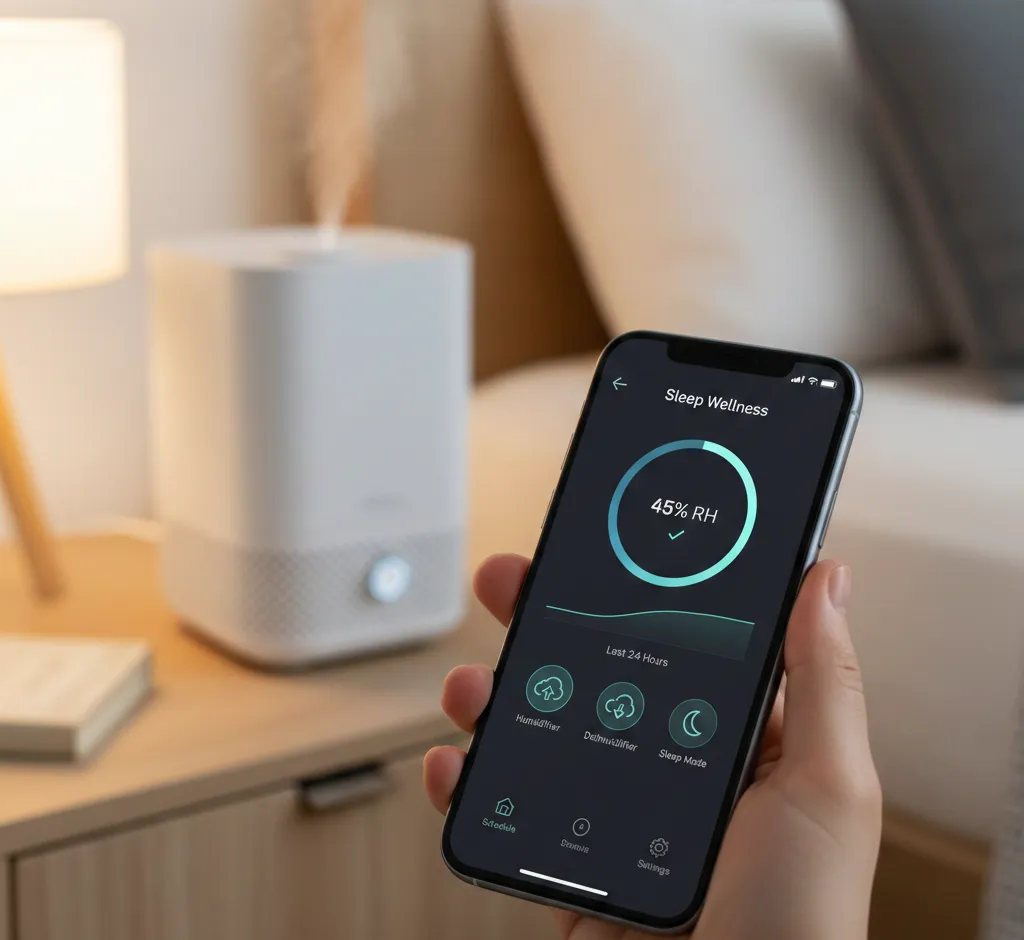
- Companion apps and dashboards: Interfaces where users can see insights, metrics, and recommendations and set preferences or schedules.
When these pieces work together, the bedroom environment can dynamically adapt to your body, rather than forcing your body to adapt to a static room climate.
How Smart Humidity Enhances Sleep Quality
Smart humidity sleep tech does more than keep your room comfortable. It actively optimizes conditions for different phases of your sleep and addresses common sleep challenges with data-driven precision.
Phase-based climate optimization
Your body temperature naturally drops as you fall asleep and fluctuates during different sleep stages. Smart systems can respond to these changes.
- Sleep onset: Slightly cooler temperatures and balanced humidity can help your body transition into sleep faster.
- Deep sleep: Stable humidity supports consistent breathing and reduces micro-awakenings caused by dryness or discomfort.
- REM sleep: Fine-tuned humidity can help prevent overheating or sweating, both of which can interrupt vivid dreaming phases.
Support for allergies, snoring, and breathing issues
People with allergies, asthma, or chronic nasal congestion often struggle to maintain deep sleep. Smart humidity systems can be particularly beneficial here.
- Airway comfort: Balanced moisture can help keep nasal passages from drying out and reduce throat irritation.
- Snoring reduction: By lowering dryness and sometimes integrating with positional or sound-based snore detection, these systems can subtly adjust the environment to minimize snoring.
- Allergen control: Some advanced systems integrate filtration, tracking pollen counts or indoor particulates and adjusting filtration intensity overnight.
Instead of a one-size-fits-all solution, smart humidity tech tailors the environment to your specific sensitivities and patterns.
Key Technologies Shaping the Future
Several emerging technologies are converging to make the next generation of smart humidity sleep solutions far more capable and personalized than today’s basic smart humidifiers.
AI-driven microclimate personalization
Artificial intelligence will sit at the heart of future sleep systems. By analyzing weeks and months of sleep and environment data, AI can identify your personal humidity and temperature “sweet spots” for different seasons and even hormonal cycles.
- Pattern recognition: AI can link poor sleep nights with spikes in humidity, temperature shifts, or air quality changes.
- Predictive adjustments: Instead of reacting after you wake up hot or dry, systems can proactively adjust the environment before your body starts to struggle.
- Multi-user intelligence: In shared beds, AI can manage different sides of the bed separately, creating dual zones with different humidity and temperature profiles.
Smart mattresses and bedding
Tomorrow’s smart beds will do more than track your heart rate and movement. They will actively manage heat and moisture around your body.
- Active climate layers: Integrated channels that circulate air or water to subtly warm, cool, or dry specific areas.
- Moisture-wicking and sensing fabrics: Bedding that detects sweat and communicates with the climate system to dry or cool the sleeper.
- Side-specific control: Couples will be able to choose completely different humidity and temperature settings on each side of the bed.
This combination of soft materials and embedded technology will turn your mattress into a living, responsive surface rather than a passive object.
Integrated HVAC and whole-home ecosystems
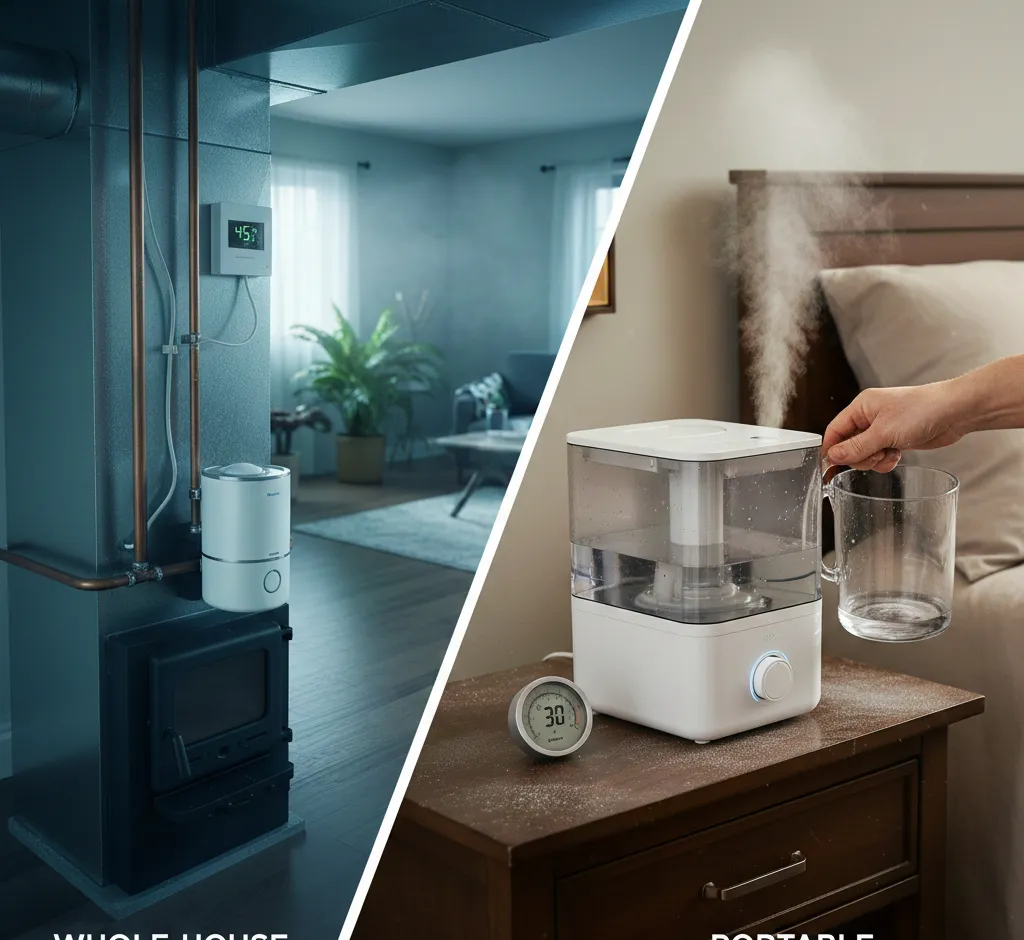
Bedroom devices will not exist in isolation. Smart humidity sleep tech will increasingly integrate with whole-home HVAC systems and broader smart home ecosystems.
- Room zoning: Systems will focus climate control on the bedroom during sleeping hours, saving energy while improving comfort.
- Weather-aware adjustments: By pulling in local weather forecasts, the system can pre-adjust humidity before a storm, heatwave, or cold front.
- Cross-device collaboration: Humidifiers, purifiers, fans, blinds, and HVAC will work together, orchestrated by a central sleep-focused algorithm.
The long-term vision is a unified platform where your home “knows” you are preparing for sleep and automatically prepares the ideal microclimate without manual input.
Data, Privacy, and Ethical Design
As smart humidity sleep tech becomes more sophisticated, it will collect increasingly detailed data about your body, routines, and health. This raises important questions about privacy and ethical design.
What data will be collected?
Future systems may gather data such as:
- Sleep stages, duration, wake times, and sleep efficiency metrics
- Heart rate, breathing rate, and movement patterns
- Room humidity, temperature, CO₂ levels, and air quality trends
- Historical correlations between environment and your sleep quality
While this data is useful for optimization and health insights, it must be protected carefully.
Designing for trust and control
Future-ready systems should be built around transparency and user control.
- Clear consent: Users should know exactly what is being tracked and why.
- Local processing where possible: Sensitive data, such as detailed sleep and biometric information, should be processed locally on devices whenever feasible.
- Granular sharing options: Users may want the benefits of aggregated insights (like comparing their sleep to anonymized averages) without exposing personal identifiers.
- Easy data export and deletion: People should be able to download their sleep data and delete it permanently if they choose.
In the future, brands that handle sleep data ethically and openly will stand out and earn lasting loyalty.
Emerging Use Cases and Scenarios
As smart humidity sleep tech becomes more advanced, it will unlock new use cases that go beyond simple comfort.
Personalized sleep coaching
Instead of generic tips like “keep your room cool,” future systems will offer specific, data-backed recommendations, such as: “On nights when humidity stays between 45–50% and your room is 19–20°C, your deep sleep increases by 18%. We will automatically maintain these conditions for you.”
Over time, the system might suggest habit changes synced with environment optimizations—for example, adjusting bedtime, lighting, or caffeine intake to complement your ideal climate profile.
Support for life stages and health conditions
Different life stages and conditions dramatically change how people experience temperature and humidity while sleeping.
- Infants and children: Babies are more sensitive to temperature and humidity swings. Smart systems can maintain stable microclimates in nurseries and alert parents when the environment drifts from safe ranges.
- Pregnancy and menopause: Hormonal shifts can cause night sweats or temperature fluctuations. Intelligent cooling and humidity adjustments can help reduce discomfort and nighttime awakenings.
- Chronic respiratory conditions: People with asthma, COPD, or allergies may benefit significantly from precise humidity control combined with filtration and air quality monitoring.
In these contexts, smart humidity tech becomes a form of passive, always-on support that works in the background while people sleep.
Travel and adaptive sleep environments
Future systems may extend beyond the home. Imagine hotel rooms, sleep pods, or even airplane cabins that recognize your profile (with your consent) and automatically configure humidity, temperature, and airflow to match your optimal conditions.
This kind of continuity would reduce the sleep disruption many people experience when traveling across climates, time zones, and unfamiliar environments.
Practical Steps to Prepare for the Future
You do not have to wait for fully integrated systems to start benefiting from smarter humidity and sleep tech. There are practical steps you can take now that will also position you to upgrade as the ecosystem matures.
1. Start measuring, not guessing
Begin with a reliable smart sensor that tracks temperature, humidity, and ideally CO₂ in your bedroom. Connect it to a sleep tracker if you have one. Even a few weeks of data can reveal patterns you would otherwise miss.
2. Add basic automation
Pair your sensors with a smart humidifier, dehumidifier, or fan and set simple rules, such as:
- Turn on the humidifier when humidity drops below 40% at night.
- Turn on the fan or cooling device when the temperature rises above your comfort range while you are asleep.
These simple automations offer a glimpse of what fully intelligent systems will eventually do on a much more advanced scale.
3. Prioritize interoperability
When choosing new devices, look for compatibility with popular smart home platforms and emerging interoperability standards. This will make it easier to link humidity control, lighting, HVAC, and sleep trackers into one coordinated system over time.
4. Keep privacy and longevity in mind
Opt for brands that clearly explain how they use and protect your data. Check whether their devices receive regular software updates and support, ensuring your setup is not obsolete in a year or two.
What the Next 5–10 Years May Look Like
Looking ahead, smart humidity sleep tech will evolve from standalone gadgets into integrated, intelligent ecosystems that feel almost invisible—but make a noticeable difference in how rested you feel each morning.
From reactive to anticipatory systems
Today’s devices mostly react to fixed thresholds. Future systems will anticipate needs using predictive models, adjusting humidity and temperature ahead of environmental changes or expected sleep stage transitions.
For example, your system might slightly lower humidity before you typically enter deep sleep, based on months of observing your patterns and outcomes.
From device control to outcomes-based optimization
Rather than focusing on the devices themselves, next-generation systems will optimize for outcomes like:
- Longer deep sleep duration
- Fewer nighttime awakenings
- Lower resting heart rate during sleep
- Reduced snoring episodes
Humidity, temperature, airflow, and even sound and light will become inputs in a larger optimization engine tuned to your personal definition of “great sleep.”
From luxury feature to everyday expectation
As costs fall and awareness grows, smart humidity sleep tech will likely follow the path of Wi-Fi or smart thermostats: moving from niche luxury to everyday standard. New homes, hotels, and even rental units may come with built-in sleep-optimized climate systems as a selling point.
Over time, manually filling a basic humidifier and guessing a comfortable temperature may feel as outdated as adjusting the TV antenna used to be.
Conclusion: Resting in a Responsive Climate
The future of smart humidity sleep tech is not about fancy gadgets for their own sake. It is about creating a responsive, evidence-based environment that quietly supports your body’s natural rhythms. By combining precise humidity control with temperature management, air quality insights, and AI-driven personalization, tomorrow’s sleep solutions will help more people wake up genuinely refreshed.
As this technology matures, the most powerful systems will be the ones you barely notice. You will simply set your goals—better recovery, fewer wake-ups, deeper rest—and let the invisible climate assistant surrounding your bed handle the rest, one comfortable, well-humidified night at a time.