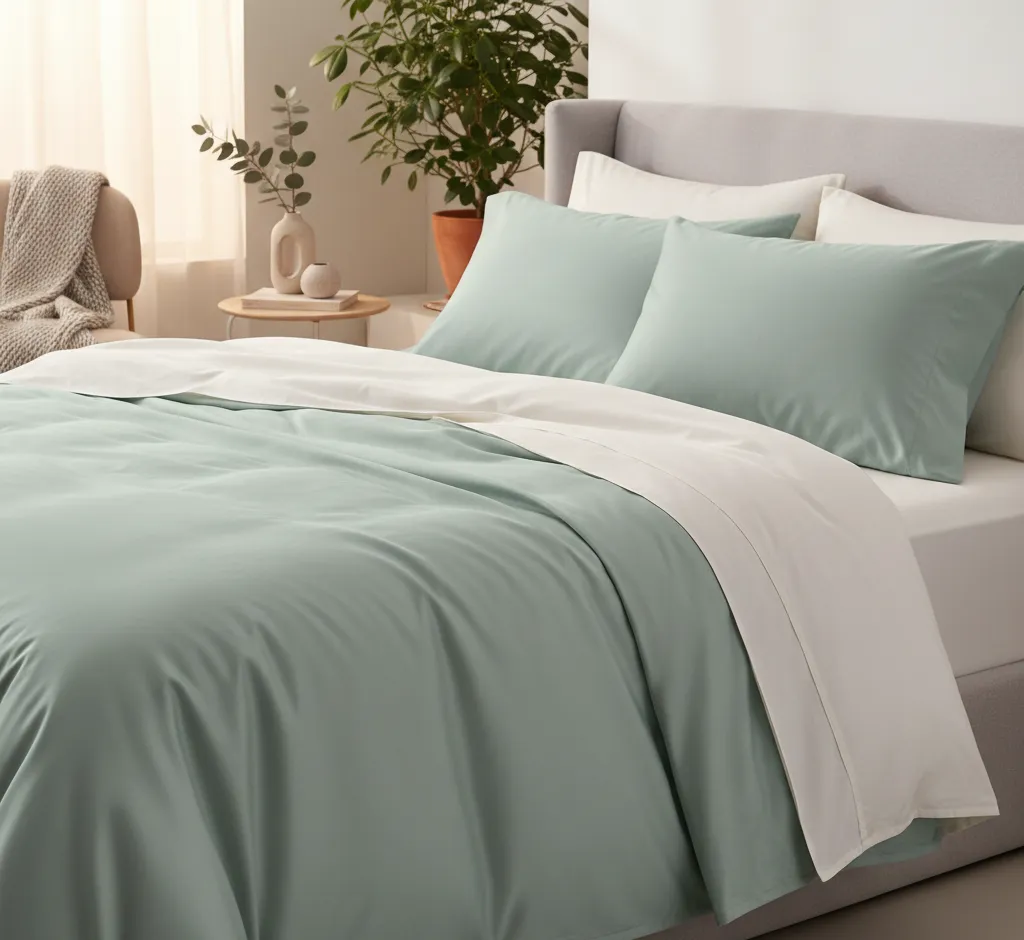
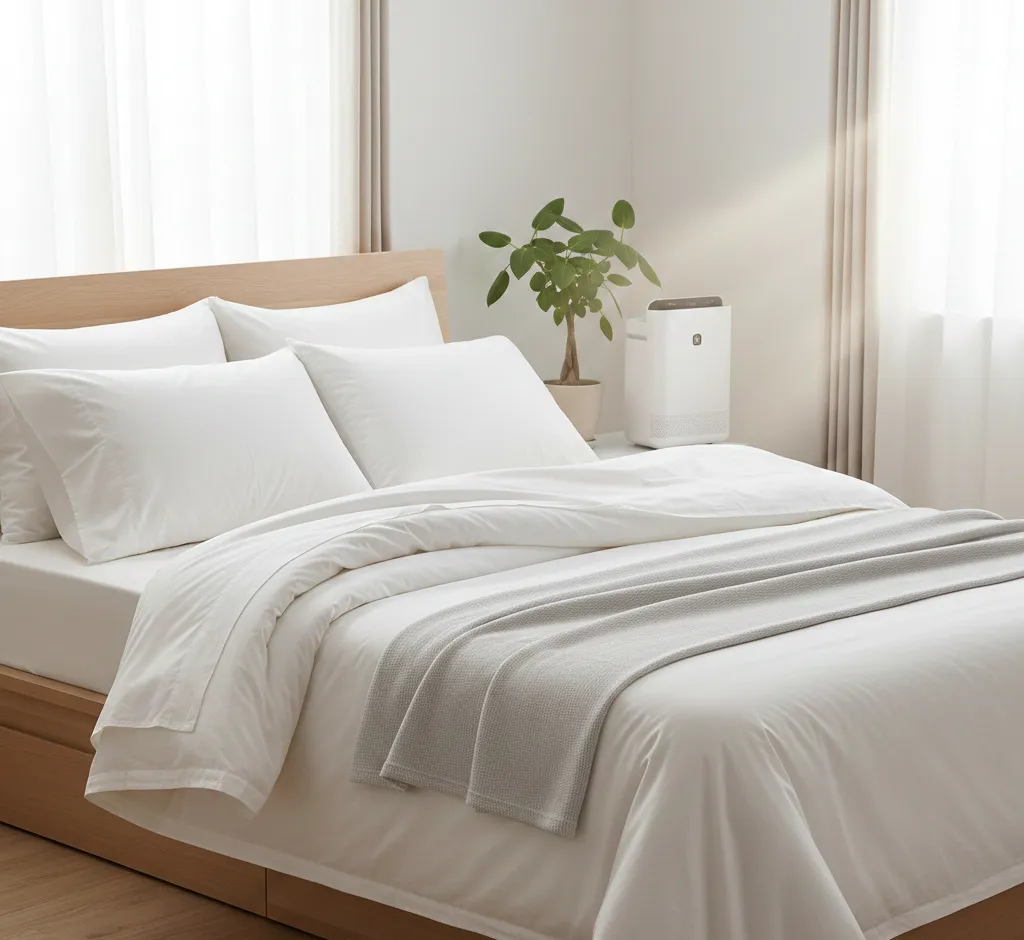
Tips for Choosing Non‑Toxic Dyed Bed Linens for a Healthier Sleep
Learn how to choose non-toxic dyed bed linens with this practical guide. Discover safe fabrics, trusted certifications, and shopping tips to create a healthier sleep environment.
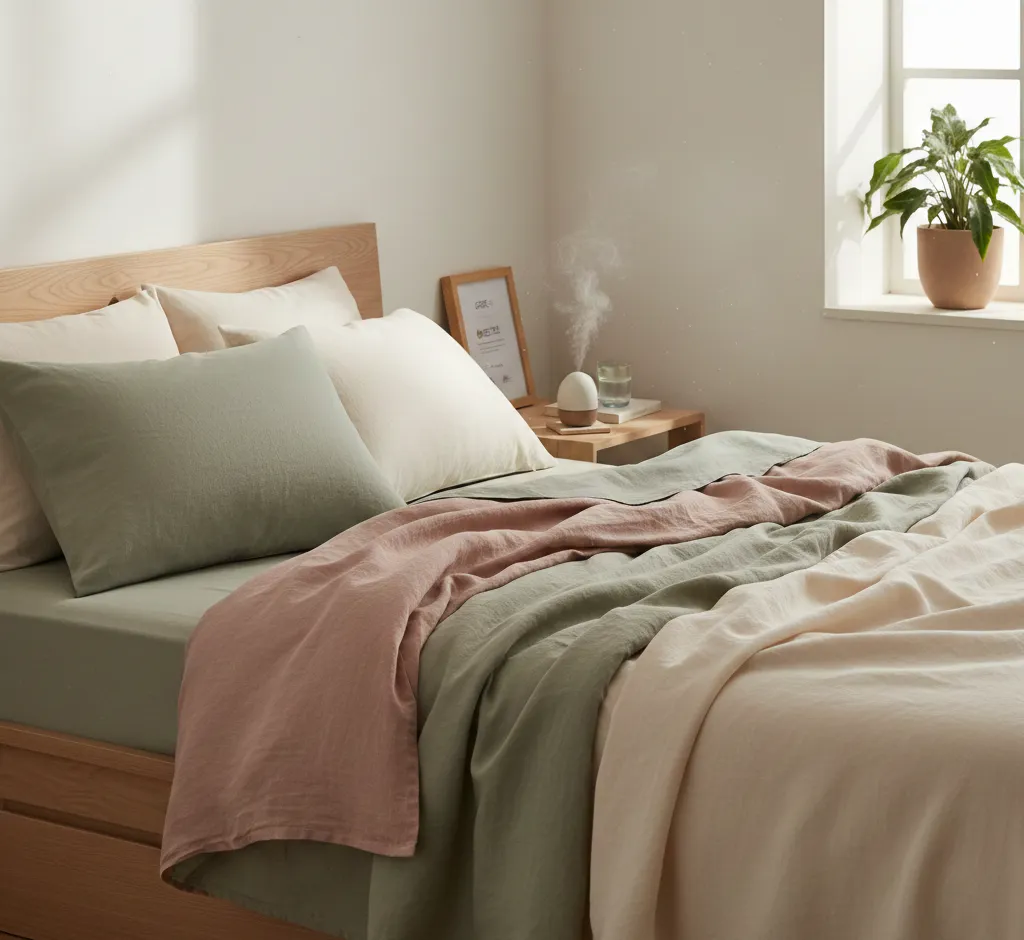
Most people spend around one-third of their lives in bed, yet rarely think about what their sheets are dyed with. Conventional linens often contain synthetic dyes, chemical finishes, and residues that can irritate the skin, trigger allergies, or contribute to poor indoor air quality. Switching to non-toxic dyed bed linens is a simple but powerful way to create a healthier sleep environment for you and your family.
This guide explains what “non-toxic” really means in the context of dyed textiles, which fabrics and certifications to look for, and how to shop smart so that your bed looks beautiful and supports your well-being.
Why Non-Toxic Dyed Bed Linens Matter
Chemicals commonly found in dyed bedding
Conventional dyed bed linens may contain or be treated with a range of chemicals, including:
- Formaldehyde-based resins used for wrinkle resistance and shrink control.
- Azo dyes, some of which can break down into aromatic amines that are considered potentially carcinogenic.
- Heavy metals like lead, cadmium, and chromium used as dye mordants or pigments.
- Optical brighteners that make whites and colors appear more vivid under UV light.
- Chlorine bleach residues from fabric preparation and whitening.
- Softeners and fragrance finishes that can emit volatile organic compounds (VOCs).
Not every conventional sheet set contains all of these, but without clear standards or certifications it is difficult for consumers to know what they are sleeping on every night.
Potential health and environmental impacts
For most people, occasional skin contact with conventionally dyed textiles might not cause obvious problems. However, prolonged and daily contact, especially in bed, can be more concerning. Possible issues include:
- Skin irritation and contact dermatitis, particularly for those with sensitive skin, eczema, or allergies.
- Respiratory irritation due to off-gassing of certain finishes and dyes.
- Hormonal or reproductive concerns associated with some chemical groups still under study.
- Environmental pollution from dye-house wastewater, which can contain persistent and bioaccumulative substances.
Choosing non-toxic dyed bed linens reduces your direct exposure and also supports more responsible textile production practices upstream.
Understanding What “Non-Toxic” Really Means
Marketing language vs. verified standards
“Non-toxic,” “eco-friendly,” and “green” are often used loosely in marketing. These terms are not always backed by strict rules, so it is important to look for concrete evidence rather than vague claims. Focus on:
- Third-party certifications that set measurable limits on hazardous substances.
- Transparent material descriptions such as organic cotton, linen, or bamboo viscose with clear processing details.
- Brand disclosure about dye types, finishing processes, and sustainability policies.
Key textile safety certifications to look for
Several reputable standards can help you identify genuinely safer dyed bed linens:
- OEKO-TEX Standard 100: Tests finished textiles for a long list of harmful substances, including banned azo dyes, formaldehyde, heavy metals, and certain phthalates. Bedding labeled with this standard has been tested at the component level (fabric, thread, buttons).
- OEKO-TEX MADE IN GREEN: Combines product safety (Standard 100) with verified environmentally friendly and socially responsible production facilities.
- GOTS (Global Organic Textile Standard): Requires that fibers such as cotton are certified organic and places strict limits on dyes, auxiliaries, and finishes. Many conventional synthetic dyes are restricted, and wastewater treatment is mandatory.
- bluesign approved textiles: Focuses on cleaner production processes and chemical management. More common in performance fabrics, but increasingly seen in home textiles.
If a product has at least one of these certifications, it is a strong sign that its dyes and finishes meet stringent non-toxic criteria.
Best Fabric Choices for Non-Toxic Dyed Linens
Organic cotton
Organic cotton is often the easiest and most accessible choice for non-toxic dyed bed linens. When combined with certifications like GOTS or OEKO-TEX Standard 100, it offers:
- Reduced pesticide and synthetic fertilizer use during cultivation.
- Restrictions on hazardous dyes and auxiliaries.
- Soft, breathable comfort suitable for most climates.
Organic cotton sheets are available in a wide range of weaves (percale, sateen, jersey) and colors, which makes it simple to find a style that matches your bedroom decor.
Linen (flax)
Linen made from flax is another excellent option, especially for those looking for a relaxed, breathable, and durable fabric. Benefits include:
- High breathability and moisture-wicking properties, ideal for hot sleepers.
- Natural resistance to bacteria and odors.
- Long lifespan when properly cared for, reducing overall consumption.
For non-toxic dyed linen bedding, look for OEKO-TEX Standard 100 or GOTS certification to ensure that the dyes and finishing agents meet strict safety criteria.
TENCEL Lyocell and modal
TENCEL Lyocell and similar regenerated cellulose fibers sourced from wood pulp can be a good option when produced responsibly. Look for:
- Brand names (like TENCEL) that indicate controlled and closed-loop processing.
- Certifications that confirm non-toxic dyeing and finishing.
- Clear statements about the absence of added formaldehyde resins or harsh finishing agents.
These fabrics tend to be smooth, drapey, and cool to the touch, making them popular for luxurious-feeling bedding.
Natural vs. synthetic fibers
Natural fibers like cotton, linen, and hemp are usually easier to certify under organic or low-toxicity standards. Synthetic fibers such as polyester and microfiber are petroleum-based and can shed microplastics during washing. While they can be dyed more efficiently and sometimes with fewer water resources, they are less desirable from a long-term environmental perspective.
If you do choose synthetic blends, prioritize products with strong safety certifications and avoid unnecessary chemical treatments like heavy wrinkle-resistance or antimicrobial finishes.
How to Recognize Safer Dyes and Finishes
Dye types used in bed linens
Most colored bed linens on the market are dyed with synthetic dyes. Some types typically considered safer (especially under certification schemes) include:
- Fiber-reactive dyes for cotton, linen, and other cellulosic fibers; they form strong chemical bonds with the fiber, which usually results in better wash-fastness and less dye bleeding.
- Low-impact synthetic dyes used within GOTS or OEKO-TEX frameworks; these exclude heavy metals and certain hazardous auxiliaries.
Natural dyes (plant-based or mineral) are sometimes used by small brands, but they are less common in mainstream bedding and not automatically safer unless the entire process is carefully managed.
Clues on product labels
Because dye information is rarely spelled out in detail, you can infer safety from other clues on the packaging or website:
- Look for clear mentions of formaldehyde-free finishes, especially for “wrinkle-free” or “easy care” claims.
- Seek phrases like azo dye–free or free from heavy metal–containing dyes when available.
- Prioritize brands that disclose their chemical management policies and list restricted substances.
- Verify that dyes and finishes are included under the scope of any OEKO-TEX or GOTS certification, not just the raw fiber.
Colors and patterns: Are some safer?
There is no universal rule that certain colors are always safer than others, but in practice:
- Very bright and neon shades may require more intensive dye processes or specific chemical classes.
- Deep blacks and navies occasionally rely on dye formulations that have historically contained problematic substances, though many have been improved.
- Undyed or minimally dyed fabrics in natural, off-white, or soft tones typically involve fewer processing steps and less chemical input overall.
When in doubt, choose medium or lighter shades from reputable brands with certifications. If you love rich color, make sure it is backed by strong third-party testing rather than just marketing language.
Practical Tips for Shopping Non-Toxic Dyed Bed Linens
1. Start with your priorities
Before shopping, decide what matters most to you:
- Health concerns: Sensitive skin, allergies, pregnancy, or children in the household may warrant stricter standards like GOTS.
- Budget: OEKO-TEX certified conventional cotton can be a more affordable step up from unverified bedding.
- Environmental impact: Organic fibers and certifications that cover wastewater treatment and energy use may be important.
Clarifying your priorities helps you focus on the best options within your price range and local availability.
2. Read labels and product descriptions closely
When evaluating a product page or package, look carefully for:
- The fiber type (e.g., 100% organic cotton, 100% linen, TENCEL Lyocell).
- Certifications and their exact scope (e.g., "GOTS certified organic cotton" vs. "made with organic cotton").
- Any indication of chemical-free finishing, “no formaldehyde,” or “no added flame retardants.”
- Explicit mention of non-toxic or low-impact dyes backed by a standard rather than just an unverified claim.
3. Prefer verified third-party certifications
As a general rule of thumb:
- GOTS offers one of the most comprehensive assurances combining organic fibers, restricted dyes, and environmentally responsible processing.
- OEKO-TEX Standard 100 is widely available and ensures the finished product meets strict chemical limits.
- MADE IN GREEN and bluesign provide additional insight into supply chain and production conditions.
Any of these is preferable to vague phrases such as “eco bedding” or “natural sheets” that do not explain how dyes and finishes are managed.
4. Be cautious with special performance claims
Some added features can increase your exposure to unnecessary chemicals. Approach the following claims with care:
- Wrinkle-free or permanent press: Often achieved using formaldehyde-based resins unless explicitly labeled otherwise.
- Antimicrobial or antibacterial: May rely on silver nanoparticles, quaternary ammonium compounds, or other biocides.
- Stain-resistant or water-repellent: Can involve fluorinated compounds, some of which are persistent in the environment.
- Strong fragrance or scented finishes: Additional VOCs that may irritate sensitive individuals.
If you value these features, seek brands that disclose exactly how they are achieved and whether they comply with trusted safety standards.
5. Choose the right weave and weight for comfort
Non-toxic linens should also feel good. Comfort reduces the temptation to switch frequently and buy more than you need. Consider:
- Percale: A crisp, matte weave ideal for hot sleepers and warm climates.
- Sateen: A smoother, slightly lustrous weave that feels warmer and silkier.
- Linen weave: Textured at first but softens beautifully over time; excellent temperature regulation.
- Thread count: Moderate counts (around 200–400 for cotton) are often more breathable than ultra-high thread counts.
Comfortable, breathable sheets can reduce sweating and skin irritation, making it easier to notice and appreciate the benefits of non-toxic dyes and fabrics.
6. Start with what touches your skin most
If converting your entire bedroom all at once is not feasible, prioritize the items that have the closest, most frequent contact with your body:
- Pillowcases
- Fitted sheets
- Duvet covers
You can upgrade mattress protectors, blankets, and decorative shams over time as budget allows.
Reducing Exposure Through Care and Maintenance
Wash before first use
Even with non-toxic dyed linens, washing before first use is a wise practice. A gentle wash can remove residual processing substances, loose dye particles, and shipping dust. Use a mild, fragrance-free detergent and avoid fabric softeners that may add unnecessary chemicals back to the fabric.
Adopt gentle, low-toxicity laundry habits
To maintain both your linens and your non-toxic goals:
- Choose fragrance-free, dye-free detergents with minimal additives.
- Avoid chlorine bleach whenever possible; use oxygen-based whiteners if needed.
- Skip synthetic fabric softeners and dryer sheets, which can leave residues. Wool dryer balls or simply line drying are good alternatives.
- Wash in cool or warm water rather than very hot to prolong dye fastness and fabric life.
These habits not only protect your skin but also help your non-toxic dyes remain vibrant for longer.
Recognizing and addressing reactions
If you experience itching, rashes, or respiratory discomfort after introducing new bed linens:
- Wash the linens a few more times to remove any remaining residues.
- Temporarily switch back to previously tolerated sheets to see if symptoms resolve.
- Consult a dermatologist or healthcare professional if reactions persist, bringing labels or product details when possible.
While certifications reduce risk, individual sensitivities vary. Being attentive to your body’s signals is part of creating a truly healthy sleep space.
Budget-Friendly Strategies for Non-Toxic Bedding
Prioritize and upgrade gradually
High-quality certified bedding can be more expensive upfront, but there are smart ways to make the transition manageable:
- Start with pillowcases and a fitted sheet, then add a flat sheet and duvet cover later.
- Watch for seasonal sales, clearance events, or bundle discounts from reputable brands.
- Opt for classic, timeless colors and styles that will not feel dated quickly, extending their useful life.
Invest in durability
Durable, well-made linens cost more but are usually better value in the long term. Features of durable, non-toxic linens include:
- Tightly woven fabrics with balanced thread counts.
- High-quality stitching on seams and hems.
- Brands that offer repair, recycling, or take-back programs.
By using your linens longer, you reduce both waste and the total number of products you need to purchase, easing the cost of choosing non-toxic dye standards.
Creating a Holistic Non-Toxic Sleep Environment
Look beyond just the sheets
Non-toxic dyed bed linens are a key piece of the puzzle, but your overall sleep environment also matters. Once you feel comfortable with your bedding choices, you may want to explore:
- Mattresses made with low-VOC materials and free of unnecessary flame retardants.
- Pillows filled with natural materials or certified foams.
- Bedroom air quality via ventilation, air purifiers, and minimizing synthetic fragrances.
- Low-toxicity furniture and finishes to reduce overall chemical load indoors.
Small, consistent steps make a difference
Transforming your bedroom does not have to happen overnight. Each thoughtful decision—choosing one set of certified, non-toxic dyed sheets, switching detergents, or skipping heavily treated fabrics—reduces your long-term exposure. Over time, these small changes add up to a genuinely healthier home environment.
Key Takeaways
- Non-toxic dyed bed linens minimize exposure to questionable chemicals commonly used in conventional textiles.
- Look for trustworthy certifications such as GOTS, OEKO-TEX Standard 100, MADE IN GREEN, or bluesign to verify safety claims.
- Prioritize natural fibers like organic cotton and linen, and be cautious with heavily marketed “wrinkle-free,” “antimicrobial,” or “stain-resistant” features.
- Adopt gentle, low-toxicity laundry practices to protect both your health and the longevity of non-toxic dyes.
- Upgrade gradually, starting with items that touch your skin the most, and focus on durability for better long-term value.
By understanding how dyes, finishes, and fabrics interact with your body and your home, you can make informed, practical choices. Non-toxic dyed bed linens are more than a trend—they are a meaningful step toward restful, safer sleep every night.