Tips for Selecting King Size Bed Sheets: The Complete Buyer’s Guide
Learn how to choose the best king size bed sheets with this complete buyer’s guide. Discover fabrics, thread counts, weaves, fit, and care tips to improve comfort and durability.
Choosing the right king size bed sheets can completely transform the way you sleep. The right sheets feel soft against your skin, regulate temperature throughout the night, and last for years without pilling or fading. The wrong ones, on the other hand, can feel scratchy, trap heat, and wear out after just a few washes.
This guide walks you through everything you need to know about selecting king size bed sheets: from materials and thread count to fit, care, and budget. Use it as a checklist before you buy, so you can invest in bedding that actually supports great sleep and looks beautiful in your bedroom.
1. Understand King Size Bed Sheet Dimensions
Before you look at fabrics or colors, make sure you understand the dimensions you need. Not all king size beds are the same, and even standard king mattresses can vary slightly in depth.
Standard king vs. other king sizes
- Standard king (Eastern king): Typically around 76 × 80 inches (193 × 203 cm).
- California king: Narrower and longer, usually around 72 × 84 inches (183 × 213 cm).
- Split king: Two separate twin XL mattresses side by side, each about 38 × 80 inches (96 × 203 cm).
Sheet sets are often labeled specifically as “King”, “California King”, or “Split King.” Choosing the wrong type means the fitted sheet either won’t stay on or will be too loose and bunch up.
Measure mattress depth
The depth of your mattress matters as much as the length and width. Modern mattresses, especially pillow-top or hybrid styles, can be significantly thicker than older models.
- Standard mattress depth: Around 9–12 inches (23–30 cm).
- Deep pocket: Around 13–16 inches (33–41 cm).
- Extra-deep pocket: 17 inches (43 cm) or more.
Check the product description of any king size sheet set for terms like deep pocket and confirm the maximum mattress height they fit. A fitted sheet that is too shallow will constantly pop off the corners, which is frustrating and can shorten the sheet’s lifespan.
2. Choose the Right Fabric for Your Needs
Fabric is one of the biggest factors that determine how your sheets feel, how they perform in different temperatures, and how long they last. There is no single “best” fabric; it depends on your preferences, climate, and budget.
Cotton: The versatile classic
Cotton remains the most popular sheet material for a reason: it is breathable, durable, and widely available at different price points.
- Egyptian cotton: Known for long, fine fibers that produce very smooth, soft, and strong fabric. Often premium-priced and ideal if you want a luxurious feel and long-term durability.
- Pima or Supima cotton: Another long-staple cotton variety, very soft and strong. Supima is a trademarked American-grown version, offering high quality without always reaching Egyptian cotton prices.
- Upland cotton: The most common and affordable type, used in many everyday sheet sets. Quality can vary, but it can be a good value for guest rooms or kids’ rooms.
Linen: Best for hot sleepers
Linen sheets, made from flax, are highly breathable and naturally temperature-regulating. They are ideal for warm climates or people who overheat at night.
- Advantages: Excellent airflow, moisture-wicking, very durable, and they soften with each wash.
- Considerations: Linen has a textured, casual look with natural wrinkles. If you prefer a perfectly smooth, crisp look, linen may not match your style.
Bamboo and other viscose-based fibers
Many “bamboo” sheets are made from bamboo-derived viscose or rayon. These fabrics are popular for their silky feel and cooling properties.
- Advantages: Very soft, drapey, and often described as cool to the touch. Good for hot sleepers.
- Considerations: Quality can vary widely. Look for reputable brands that emphasize responsible production. These fabrics may be less durable than high-quality cotton.
Microfiber and polyester blends
Microfiber and polyester blends are synthetic options that can be extremely budget-friendly and low maintenance.
- Advantages: Wrinkle-resistant, quick-drying, often very soft right out of the package.
- Considerations: They can trap heat and may not breathe as well as natural fibers, making them less ideal for very warm climates or hot sleepers.
Organic and eco-conscious options
If environmental impact matters to you, look for organic cotton, OEKO-TEX certified fabrics, or sheets with recognized eco-labels. These certifications can indicate fewer harmful chemicals and more sustainable production processes.
3. Understand Thread Count (and What Really Matters)
Thread count often appears in big, bold numbers on packaging, but high thread count alone doesn’t guarantee better sheets. In simple terms, thread count refers to how many threads are woven into one square inch of fabric.
Ideal thread count ranges
- Good quality cotton: Often falls in the 200–400 range for a comfortable, breathable feel.
- Premium cotton: 400–600 thread count can feel denser and more luxurious while still breathing well when made from long-staple fibers.
- Ultra-high counts (800+): Sometimes achieved by using multi-ply yarns or marketing tactics and may not always feel better or last longer.
Instead of chasing the highest possible number, focus on the fiber quality (like Egyptian or Supima cotton) and the weave type (such as percale or sateen). These factors affect comfort and durability more than thread count alone.
4. Compare Weave Types: Percale vs. Sateen and More
The weave of the fabric determines the texture, sheen, and warmth of your king size sheets. Two of the most common weaves are percale and sateen.
Percale: Crisp and breathable
Percale uses a simple one-over-one-under weave pattern. It produces a matte finish and a lightweight, crisp feel that many people compare to a freshly pressed shirt.
- Best for: Hot sleepers, warm climates, and anyone who loves a cool, hotel-style bed.
- Pros: Breathable, durable, usually softens with each wash, resists pilling when made from good cotton.
- Cons: Can wrinkle more easily than sateen and may feel slightly less silky at first.
Sateen: Smooth and luxurious
Sateen uses a three- or four-over-one-under weave pattern, which creates a softer, smoother surface with a subtle sheen.
- Best for: Cooler climates, people who like a cozy and slightly warmer sleep experience.
- Pros: Very soft against the skin, drapes beautifully, and looks luxe on the bed.
- Cons: Can run a bit warmer than percale and may be more prone to snagging if the yarns are very fine.
Other weaves and knits
- Jersey knit: Feels like a soft T-shirt. Very cozy and stretchy, great for cooler weather but may trap heat.
- Twill or dobby weaves: Can add subtle patterns, better drape, and visual interest without sacrificing comfort.
5. Prioritize Fit and Construction Details
Comfort isn’t just about softness. A well-fitting sheet that stays in place and holds up to regular use makes your nightly routine smoother and more pleasant.
Check fitted sheet specifications
- Elastic quality: Look for “all-around elastic” rather than just at the corners. This ensures the sheet grips your mattress securely.
- Pocket depth: Match the pocket depth to your measured mattress height, adding a couple of inches to accommodate mattress toppers or protectors.
- Labeling: Some fitted sheets include labels indicating the long or short side, making it faster to put on.
Consider flat sheet size and drape
For king beds, a larger flat sheet can provide better coverage for couples who share the bed. Check the dimensions, as some brands cut their flat sheets more generously than others.
- Look for enough width so both sleepers can move without constantly tugging the sheet.
- If you have an extra-deep mattress, a larger flat sheet helps maintain an elegant drape on all sides.
Inspect seams and stitching
Quality construction extends the life of your sheets and helps them maintain their shape.
- Double-stitched hems: Provide extra durability compared to single-stitched hems.
- Reinforced corners: Reduce the chance of tearing, especially on fitted sheets for thick or heavy mattresses.
6. Match Sheets to Your Sleep Style and Climate
Different materials and weaves perform better in different environments. Your body temperature, local climate, and even your bedroom’s insulation should influence your choice.
For hot sleepers and warm climates
- Choose lightweight cotton percale, linen, or bamboo-derived fabrics for maximum breathability.
- Avoid thick microfiber or very heavy sateen weaves that can trap heat.
- Opt for lighter colors, which can feel cooler and show less fading from frequent washing.
For cold sleepers and cooler climates
- Choose sateen, jersey knit, or slightly heavier cotton for a cozier feel.
- Layer with a quality blanket or duvet and make sure the sheets have enough drape to tuck in warmth effectively.
For sensitive skin and allergies
- Look for hypoallergenic, organic, or OEKO-TEX certified sheets to reduce exposure to potential irritants.
- Smoother weaves like sateen or high-quality percale can feel gentler on the skin.
- Wash new sheets before first use to remove residual finishes or manufacturing dust.
7. Consider Color, Style, and Bedroom Aesthetics
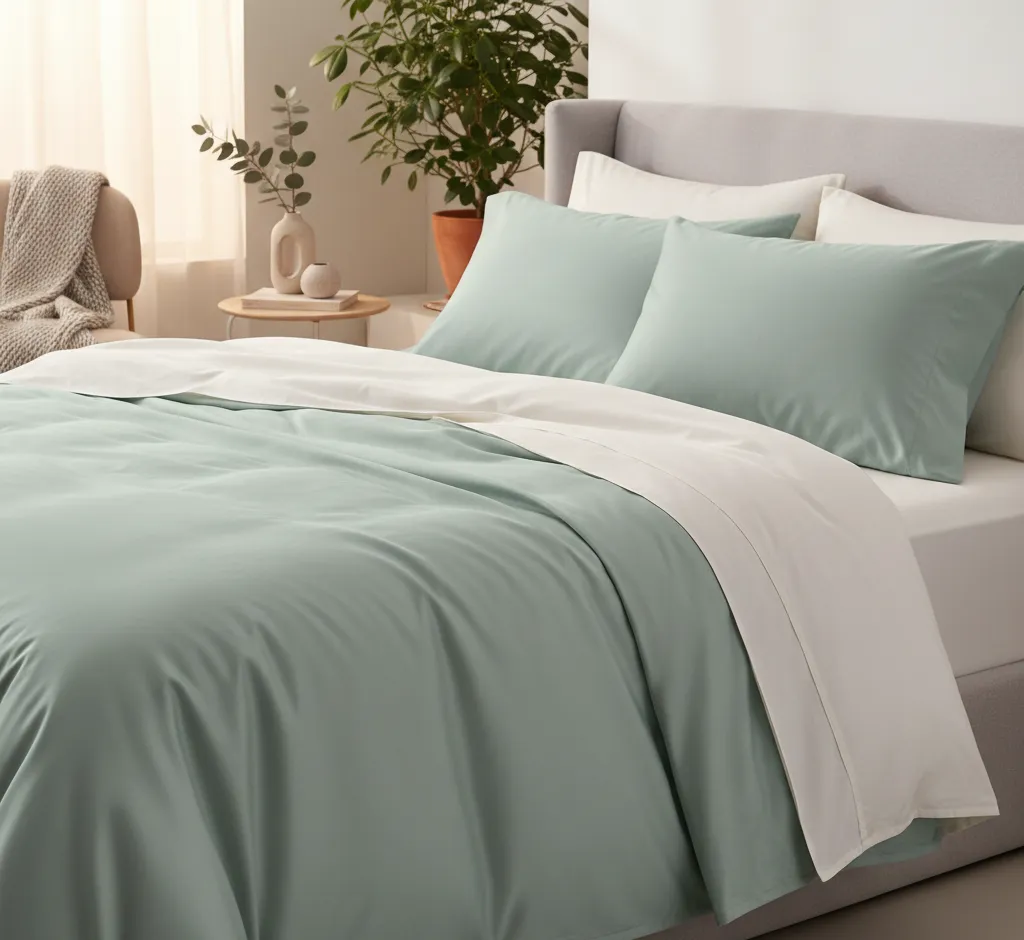
King size sheets make up a large visual portion of your bedroom, especially if you keep your bed made during the day. The right color and style can pull the entire room together.
Choosing colors and patterns
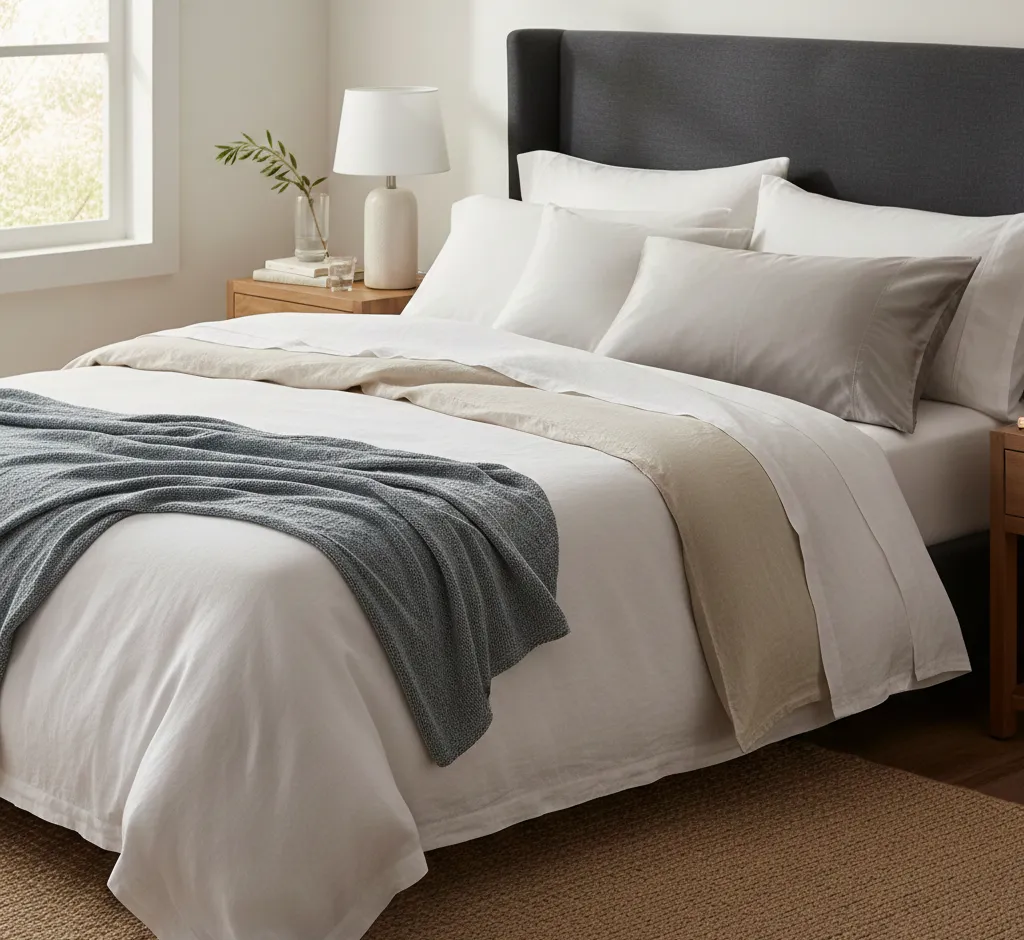
- Neutrals (white, beige, gray): Timeless, easy to coordinate with any decor, and often associated with a hotel-style look.
- Soft pastels: Create a calm, spa-like atmosphere that supports relaxation.
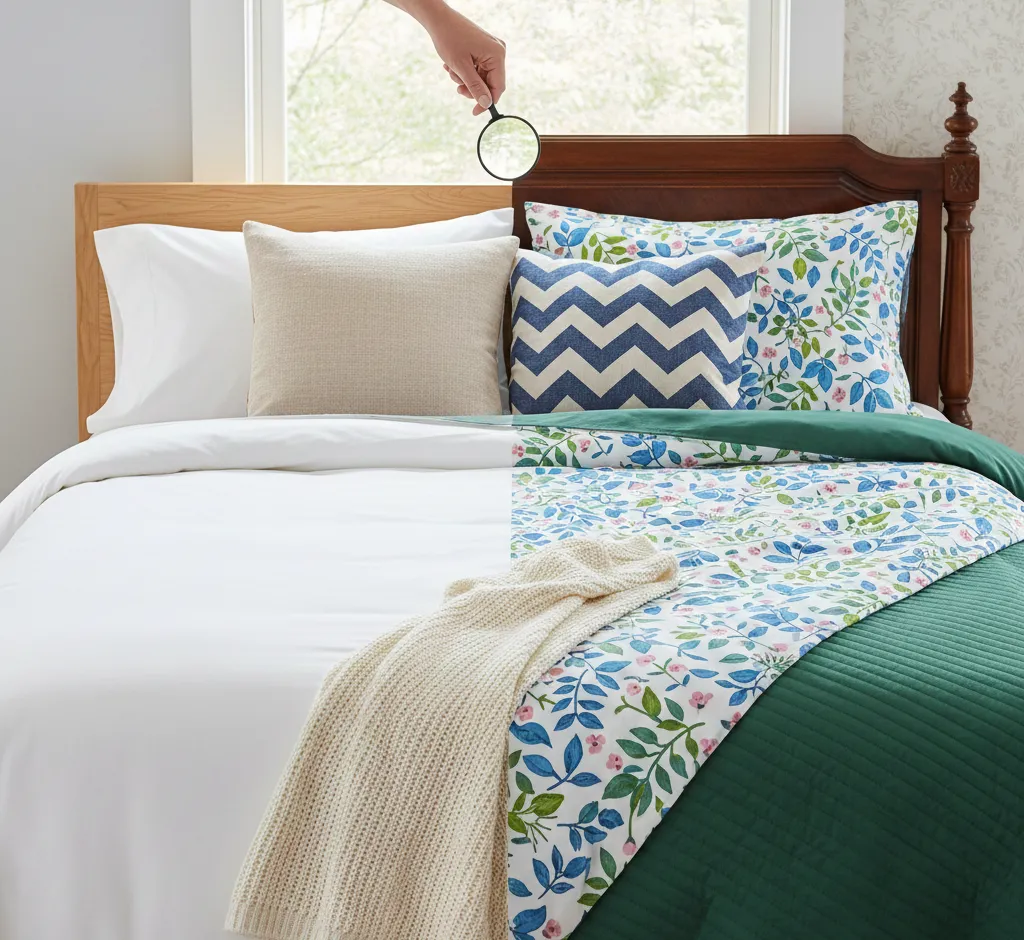
- Bold colors or patterns: Add personality and can serve as a focal point in minimalist spaces.
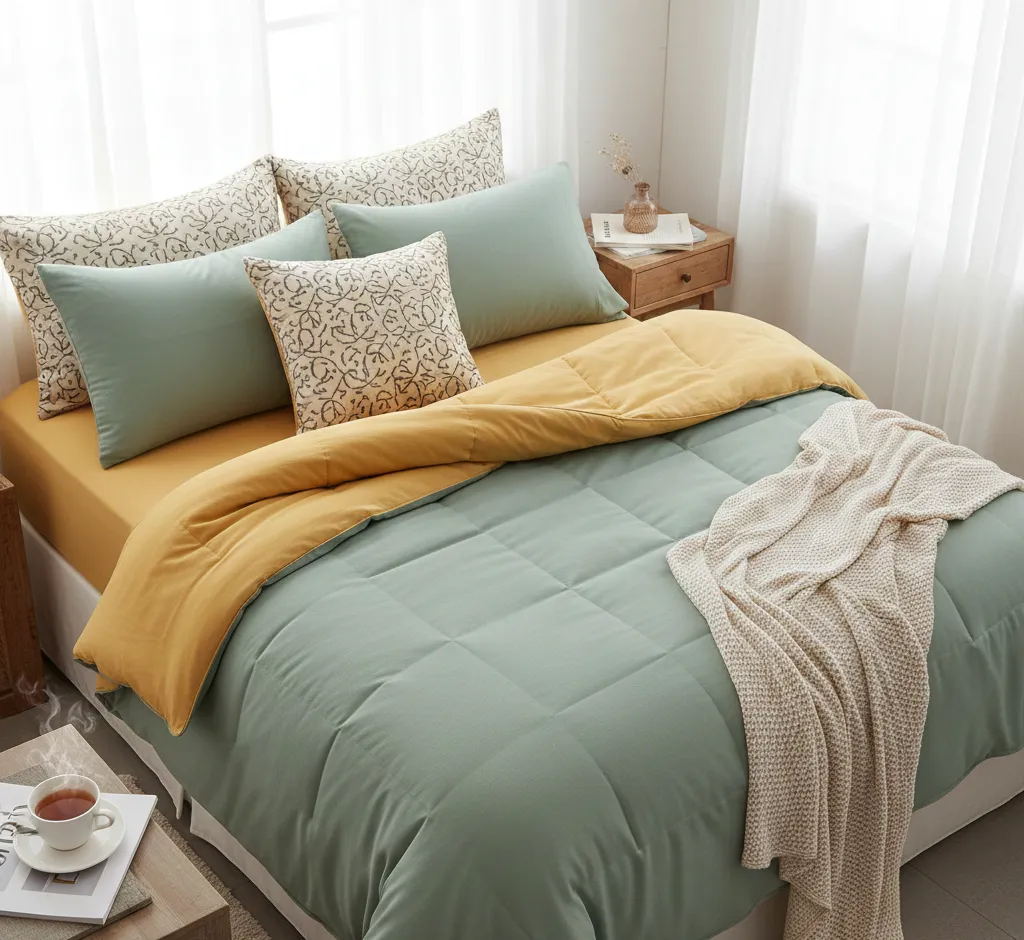
If you have multiple sheet sets, consider mixing and matching colors and patterns for variety. For example, a solid fitted sheet with a subtly patterned flat sheet and pillowcases can look elegant without feeling overwhelming.
Coordinate with pillows and bedding layers
Think about how your king size sheets will look alongside your duvet, comforter, throw blankets, and decorative pillows.
- Repeat accent colors from your artwork or rug in your pillowcases for a cohesive look.
- Use textured throws or quilts to add depth while keeping the sheets themselves simple and calm.
8. Balance Budget and Longevity
King size sheets require more material than smaller sizes, which often makes them more expensive. It can be tempting to go for the lowest price, but extremely cheap sheets may wear out quickly or feel uncomfortable, leading you to replace them more often.
When to invest more
- If you sleep hot or have sensitive skin, prioritize higher-quality natural fibers like long-staple cotton, linen, or bamboo-derived fabrics.
- If this is your main bed and you use the sheets daily, a durable set will offer better long-term value.
- Look at cost-per-use: a more expensive set that lasts years can be more economical than a cheap set replaced every few months.
Smart ways to save
- Watch for sales during major holidays or end-of-season clearances.
- Consider mid-range brands with good reviews rather than luxury labels if you want quality on a budget.
- Buy two sets and rotate them to reduce wear and tear on each set.
9. Read Reviews and Check Return Policies
Even when a king size sheet set looks perfect on paper, real-world performance can vary. Take a few minutes to read independent reviews and understand how the sheets hold up over time.
What to look for in reviews
- Comments about softness after several washes, not just out of the package.
- Reports of pilling, shrinking, or fading.
- Feedback from people with similar needs (hot sleepers, deep mattresses, sensitive skin).
Return and trial policies
Some brands offer sleep trials or generous return windows. This can be especially helpful when investing in premium king size sheets you haven’t tried before.
- Confirm whether you can return washed or used sheets within a certain time frame.
- Keep original packaging until you are sure you want to keep the set.
10. Care and Maintenance Tips for Long-Lasting King Sheets
Proper care can significantly extend the life of your bed sheets and help them stay soft, vibrant, and comfortable.
Washing guidelines
- Follow the manufacturer’s care instructions, especially for linen, bamboo-derived, or blended fabrics.
- Use a gentle, liquid detergent and avoid harsh bleach or heavy fabric softeners that can break down fibers.
- Wash king size sheets separately or with similarly lightweight items to prevent twisting and strain on seams.
Drying and storage
- Tumble dry on low or medium heat to protect fibers and reduce shrinkage.
- Remove sheets promptly to minimize wrinkles. If desired, iron percale or cotton sheets on a low setting for a hotel-like finish.
- Store clean, fully dry sheets in a cool, dry place. Avoid plastic containers that can trap moisture.
Rotation and replacement
- Rotate between at least two sets of king sheets to let each rest between uses.
- Inspect periodically for thinning areas, persistent stains, or excessive pilling, which signal it is time to replace.
11. Quick Checklist Before You Buy
Use this short checklist when selecting your next king size sheet set:
- Confirm your bed type: standard king, California king, or split king.
- Measure your mattress depth and choose standard, deep, or extra-deep pockets accordingly.
- Pick a fabric that matches your climate and sleeping style (cotton, linen, bamboo-derived, microfiber, etc.).
- Select a weave that suits your preferences: crisp percale or smooth sateen.
- Check thread count, but prioritize fiber quality and weave over ultra-high numbers.
- Review construction details like seams, hems, and elastic.
- Choose colors and patterns that complement your bedroom decor.
- Set a realistic budget and think in terms of cost-per-use.
- Read reviews and confirm the store or brand’s return policy.
By taking these factors into account, you can confidently select king size bed sheets that feel great night after night, fit your mattress perfectly, and enhance the overall look and comfort of your bedroom.