Tongue Scraper Types and Benefits: Complete Guide to a Cleaner Tongue
Learn about different types of tongue scrapers, how they work, and the proven oral health benefits of tongue scraping. Discover tips for choosing and using the best scraper.
Tongue scraping is a simple, low-cost habit that can dramatically improve your breath, oral hygiene, and overall comfort in your mouth. While brushing and flossing are non-negotiables, the tongue often gets ignored, even though it can trap large amounts of bacteria, food debris, and dead cells. Understanding the different types of tongue scrapers and how they work makes it easier to choose the right tool and integrate it into your daily routine.
What Is Tongue Scraping and Why It Matters
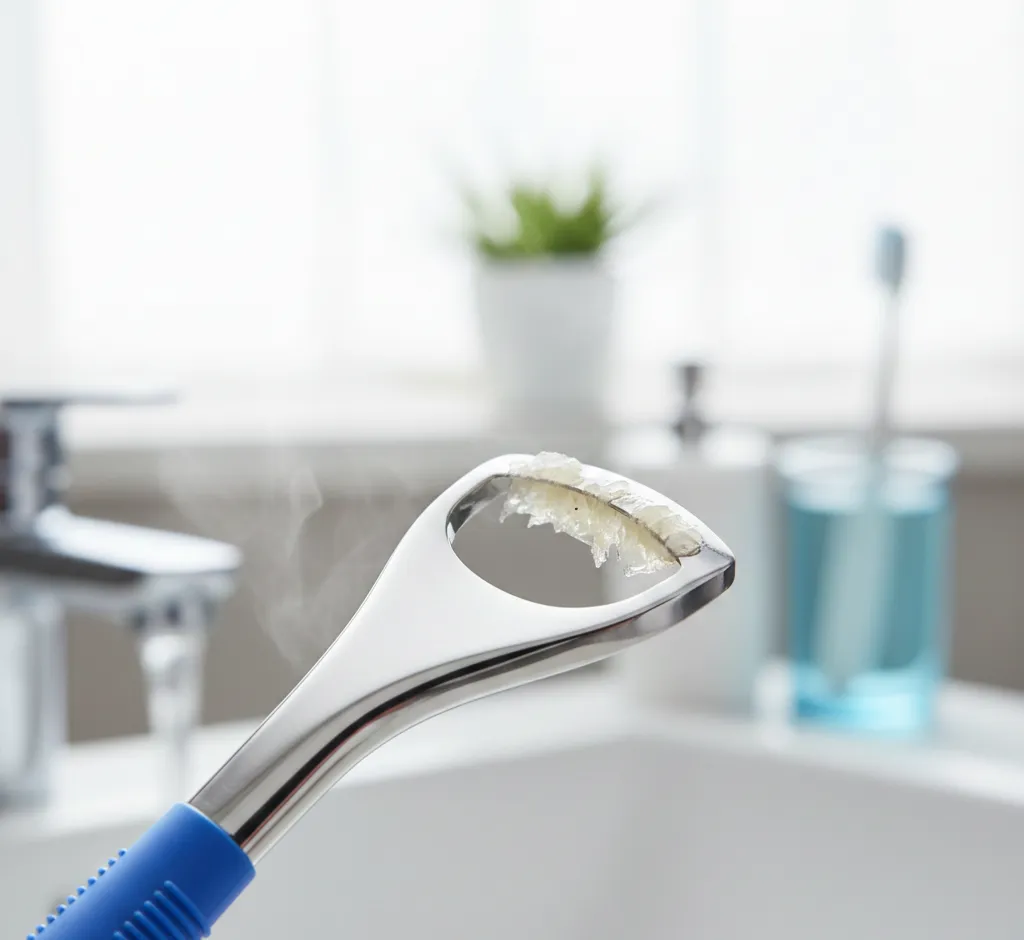
The surface of your tongue is covered with tiny bumps called papillae, which create grooves and spaces where bacteria and food particles can accumulate. This buildup forms a coating that can look whitish or yellowish and often contributes to bad breath and a stale taste in the mouth. Tongue scraping is the practice of gently removing this layer with a dedicated tool designed to clean the tongue more effectively than a toothbrush.
When performed correctly, tongue scraping physically lifts away the film on the tongue instead of just spreading it around. This mechanical removal of bacteria and debris supports fresher breath, a cleaner mouthfeel, and can complement the benefits of brushing, flossing, and mouthwash. Many people also report that food tastes better once the coating has been reduced because taste buds are less obstructed.
Main Types of Tongue Scrapers
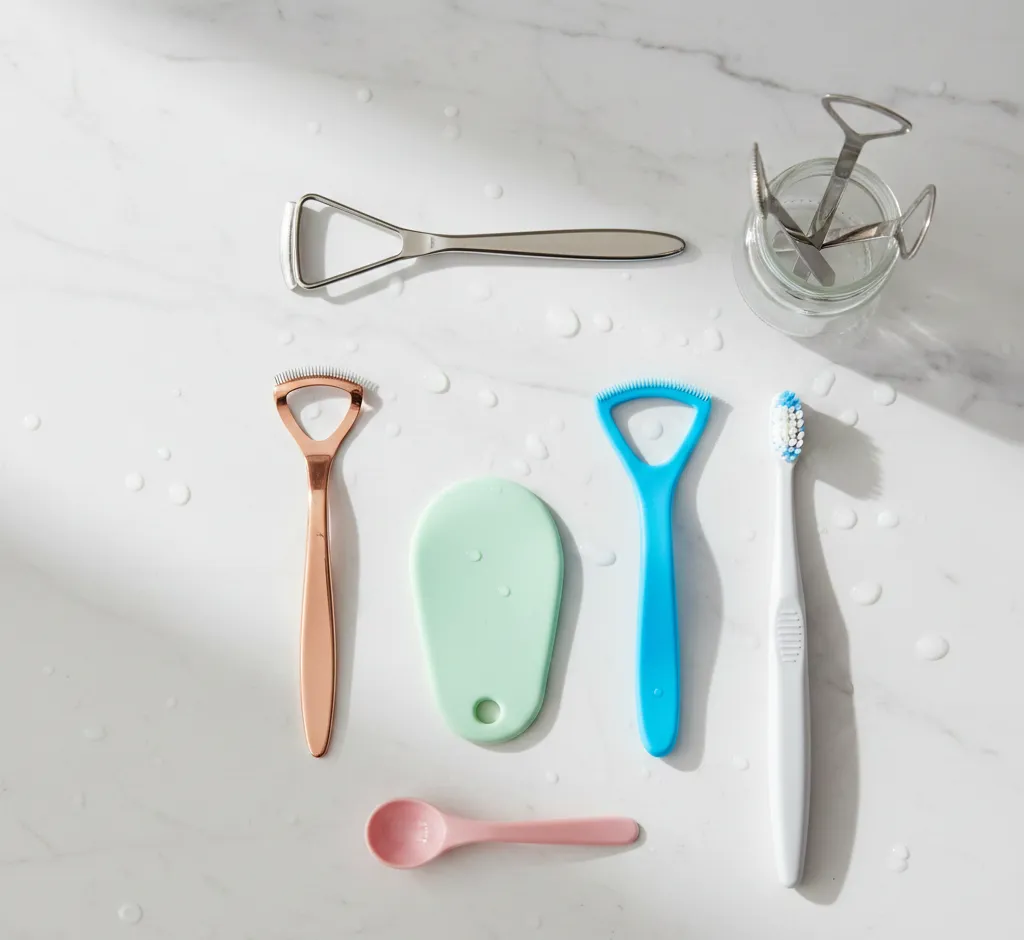
Tongue scrapers come in a variety of materials and shapes, each with its own strengths and ideal use cases. The most common categories are metal, plastic, and silicone scrapers, plus a few specialized designs that offer extra flexibility or reach. Choosing the right type depends on your sensitivity, budget, and how thorough you want your cleaning to be.
Below are the primary types of tongue scrapers you will see on the market, along with their key characteristics, pros, and considerations. Understanding these differences helps you match the tool to your comfort level and oral health goals.
Metal Tongue Scrapers
Metal tongue scrapers are widely recommended because they offer a firm, stable edge that can remove tongue coating efficiently with minimal pressure. The two most common metals are stainless steel and copper, each with unique benefits. Metal scrapers are typically shaped in a U or arch, allowing you to cover a broad area of the tongue in one or two passes.
- Stainless steel scrapers: Known for their durability and resistance to rust, stainless steel scrapers are long-lasting, easy to sterilize, and maintain their edge over time. They tend to feel solid in the hand, which can give more control and consistent pressure.
- Copper scrapers: Copper has a long history of use in traditional medicine for its antimicrobial properties. Many copper scrapers are flexible and can be gently shaped to match the curve of your tongue, while still providing a firm scraping edge.
Metal scrapers are ideal for people who prioritize effectiveness and longevity. With proper care, a good stainless steel or copper scraper can last for years, making it a cost-effective and eco-friendly choice compared to disposable options.
Plastic Tongue Scrapers
Plastic tongue scrapers are lightweight, inexpensive, and widely available, often sold in pharmacies or included as part of toothbrush designs. They may come as stand-alone U-shaped scrapers or be built into the backside of a toothbrush head. The scraping edge is generally softer and more flexible than metal, which can be gentler for beginners.
- Advantages: Low cost, easy to find, and less intimidating for people who are new to tongue scraping or concerned about using metal in their mouths.
- Drawbacks: Plastic can wear down faster, losing its sharpness and effectiveness over time, and may be more prone to harboring scratches where bacteria can settle if not replaced regularly.
Plastic scrapers are a good entry-level option if you want to test tongue scraping without committing to a long-lasting tool. However, they may need to be replaced more frequently, especially if you notice the edge becoming rounded or the surface accumulating stains.
Silicone Tongue Scrapers
Silicone tongue scrapers are designed for maximum comfort and gentleness. These tools usually feature soft, flexible silicone edges or ridges that glide over the tongue rather than pulling on it aggressively. Some are shaped like traditional U-style scrapers, while others resemble a small paddle or spoon with a curved edge.
- Best for sensitive tongues: If you have a strong gag reflex, a sore tongue, or are prone to irritation, silicone provides a softer contact surface and more forgiving pressure.
- Child-friendly options: Many silicone scrapers are marketed for children, with playful shapes and colors that make the habit more approachable.
The trade-off with silicone is that it may not remove extremely thick coatings as aggressively as a firm metal edge. For many users, though, the comfort benefits outweigh the slight reduction in scraping power, especially for daily maintenance.
U-Shaped, Triangular, and Spoon Designs
Beyond material, tongue scrapers also differ in shape, which affects how easy they are to control and how much of the tongue surface they can cover in a single movement. The three most common shapes are U-shaped (arched), triangular or Y-shaped, and spoon-shaped scrapers.
- U-shaped/arched scrapers: These use two handles and a curved central scraping edge. They can cover a wide area at once and reach farther back on the tongue, often providing a very thorough clean with fewer strokes.
- Triangular or Y-shaped scrapers: Typically used with one hand, these have a smaller scraping edge and a handle similar to a toothbrush. They are more compact, travel-friendly, and less likely to trigger gagging because the head is smaller.
- Spoon-shaped scrapers: These feature a shallow, curved edge that “scoops” the coating off the tongue. They can be useful for thick or localized coatings and are often very intuitive to use.
Your choice of shape often comes down to comfort and dexterity. People who prefer one-handed tools may gravitate toward triangular or spoon scrapers, while those who prioritize maximum efficiency may prefer a wide U-shaped metal scraper.
Key Benefits of Using a Tongue Scraper
Regular tongue scraping offers both immediate and long-term benefits. Many people notice fresher breath and a cleaner feeling in the mouth right away, while consistent use can positively influence oral health over time. Below are the most important advantages backed by clinical and practical experience.
1. Reduces Bad Breath (Halitosis)
One of the main sources of chronic bad breath is the bacterial coating on the back of the tongue. These bacteria break down proteins and release volatile sulfur compounds that smell unpleasant. Simply brushing the tongue can miss or smear this layer, while a scraper is designed to capture and remove it efficiently.
People who add tongue scraping to their routine often report that their breath stays fresher for longer between brushings. When combined with proper brushing, flossing, and hydration, scraping can significantly reduce the need for constant mints or gum to mask odors.
2. Improves Overall Oral Hygiene
The mouth is an ecosystem, and reducing bacterial load on the tongue can help lower the overall level of harmful microbes. By regularly removing the film of bacteria and debris, you decrease the amount of material that can spread to teeth and gums. This may support a healthier environment and complement efforts to prevent plaque, tartar buildup, and gum irritation.
While tongue scraping is not a replacement for brushing or flossing, it adds an extra layer of mechanical cleaning to parts of the mouth that are otherwise difficult to maintain. This integrated approach can make your entire oral care routine more effective.
3. Enhances Taste Perception
A coated tongue can interfere with taste buds, dulling your ability to fully enjoy flavors. Removing the buildup clears the surface so taste receptors are more exposed and responsive. Many users notice that food tastes more vibrant and distinct after a few days of consistent scraping.
This benefit can be especially noticeable if you previously had a thick whitish coating or persistent dryness in your mouth. As the tongue’s surface becomes cleaner and smoother, subtle flavors become easier to detect.
4. Supports a Fresher Mouthfeel and Confidence
Beyond measurable health benefits, tongue scraping simply makes the mouth feel cleaner. The rough, sticky sensation that often appears overnight or after certain meals can be reduced within seconds with a few gentle passes of a scraper. This fresher mouthfeel can boost confidence in social and professional settings.
People who are self-conscious about their breath often find that adding tongue scraping helps them worry less about odor during close conversations. This small ritual can have a surprisingly large impact on day-to-day comfort and self-assurance.
5. Complements Digestive and Overall Health Habits
In traditional wellness systems such as Ayurveda, tongue cleaning has long been viewed as part of a holistic daily ritual that supports digestion and overall well-being. The idea is that removing toxins and buildup from the tongue each morning prevents them from being swallowed and reabsorbed.
While modern scientific research focuses more on oral health and breath freshness, the practice integrates well with other healthy habits like drinking water first thing in the morning, eating a balanced diet, and avoiding tobacco. For many people, tongue scraping becomes a symbolic “reset” that starts the day feeling clean and intentional.
How to Use a Tongue Scraper Safely
Tongue scraping is quick and easy once you establish a simple technique. Most people take less than a minute to complete the process, and it is generally done once or twice a day, often in the morning before eating or drinking and optionally at night before bed.
- Start with clean hands and a clean scraper. Rinse the tongue scraper under warm water before use to remove any dust or residue.
- Extend your tongue gently. Stick out your tongue in front of a mirror so you can see the surface clearly.
- Place the scraper at the back of the tongue. Position the edge of the scraper near the back, without forcing it so far that it triggers gagging. If you are new, start a bit closer to the middle and gradually move farther back over time.
- Apply light, even pressure. Gently pull the scraper forward toward the tip of your tongue in a smooth motion, collecting the coating on the scraper’s edge.
- Rinse and repeat. Rinse the scraper under running water after each pass to wash away debris, then repeat the motion 3–5 times or until the surface looks and feels cleaner.
- Finish with rinsing your mouth. Spit out any residue, then rinse your mouth with water or mouthwash, and complete your usual brushing and flossing.
The key is to be gentle and consistent. Scraping should never be painful or cause bleeding; if it does, you are likely pressing too hard, using an unsuitable tool, or need to check in with a dental professional to rule out underlying issues.
Choosing the Right Tongue Scraper for You
The “best” tongue scraper varies from person to person, depending on sensitivity, budget, lifestyle, and how much buildup tends to form on the tongue. A practical way to find your ideal tool is to consider material, shape, and maintenance together rather than focusing on just one factor.
If you are unsure where to start, many people do well with a stainless steel U-shaped scraper because it combines durability, efficiency, and broad coverage. Those with very sensitive mouths, children, or strong gag reflexes may prefer a silicone or compact triangular design that offers more control and softness.
Comparison of Popular Tongue Scraper Types
| Type | Material | Main Advantages | Ideal For |
|---|---|---|---|
| Metal U-shaped scraper | Stainless steel or copper | Highly effective, durable, easy to clean | People who want strong performance and long-term use |
| Plastic scraper | Rigid or semi-rigid plastic | Affordable, lightweight, beginner-friendly | First-time users or travel kits |
| Silicone scraper | Soft silicone | Very gentle, flexible, good for sensitive tongues | Children, sensitive users, or strong gag reflex |
| Triangular/Y-shaped scraper | Metal, plastic, or silicone | One-handed use, compact, less likely to trigger gagging | People who prefer toothbrush-style tools |
| Spoon-shaped scraper | Metal or plastic | Good for targeted cleaning and thicker coatings | Users focusing on specific problem areas |
Cleaning and Maintaining Your Tongue Scraper
To keep your tongue scraper hygienic and effective, regular cleaning is essential. Rinse it thoroughly with warm water after every use to remove any leftover debris. For metal and some silicone scrapers, you can occasionally wash them with mild soap, then rinse and dry completely.
Plastic scrapers may need more frequent replacement because they can scratch or wear down over time. If you notice discoloration, rough edges, or a persistent film that does not wash away, it is a good sign that the scraper should be replaced. Storing your scraper in a clean, dry place away from standing water helps prevent bacterial growth.
Safety Tips and When to Seek Professional Advice
For most healthy people, tongue scraping is safe, but a few common-sense precautions help you avoid problems. Always use gentle pressure and stop if you feel pain, sharp discomfort, or see bleeding. Avoid scraping over open sores, cuts, or suspicious lesions, and do not share your scraper with others.
If you have persistent bad breath despite good oral hygiene, a thick coating that does not improve, or pain and discoloration on the tongue, consult a dentist or healthcare professional. These symptoms can sometimes signal underlying conditions that require medical evaluation rather than simply more aggressive scraping.
Integrating Tongue Scraping Into Your Daily Routine
The easiest way to maintain the habit is to link tongue scraping to something you already do every day, like brushing your teeth. Many people find it convenient to scrape first thing in the morning before eating or drinking, then follow with brushing, flossing, and mouthwash. Others prefer to scrape both morning and night, especially if they are prone to heavy coating.
Because tongue scraping only takes a few seconds, it offers an excellent return on investment: a modest daily effort that can significantly improve breath, comfort, and the overall feeling of cleanliness in your mouth. Over time, this small ritual becomes as natural as brushing—another cornerstone of a complete oral care routine.