Top Signs You Need to See a Dentist: Don’t Ignore These Oral Health Warnings
Discover the top signs you need to see a dentist, from tooth pain and bleeding gums to bad breath and jaw problems. Learn when to book a checkup and when to seek urgent dental care.
Your mouth rarely stays completely silent when something is wrong. Toothaches, bleeding gums, or even persistent bad breath are often your body’s way of saying it is time to see a dentist. Knowing the early warning signs can help you prevent small issues from becoming painful, expensive dental emergencies.
This guide explains the most common signs you need to book a dental appointment, why they matter, and what might be happening behind the scenes. Use it as a checklist, but remember: only a qualified dentist can give you an accurate diagnosis and proper treatment plan.
1. Tooth Pain or Sensitivity That Won’t Go Away
Tooth pain is one of the clearest signs that something is wrong. Whether it is a sharp, stabbing pain or a dull, constant ache, you should never ignore ongoing discomfort in your teeth or jaws.
Common types of tooth pain
- Sharp pain when biting: May indicate a cracked tooth, loose filling, or tooth decay.
- Constant throbbing pain: Often linked to deep decay, infection, or an abscess.
- Pain that comes and goes: Can be a sign of a cavity, nerve irritation, or grinding (bruxism).
Tooth sensitivity to hot or cold
If you feel a jolt of pain when you drink hot coffee or eat ice cream, your teeth may be sensitive. Occasional mild sensitivity is common, but if it is new, severe, or getting worse, it is time to see a dentist.
Possible causes of sensitivity include:
- Enamel erosion from acidic foods or aggressive brushing.
- Receding gums that expose the tooth roots.
- Tooth decay, cracks, or worn fillings.
Because pain is often a late-stage symptom, early evaluation can stop the problem before it reaches the nerve and requires root canal treatment or extraction.
2. Bleeding, Swollen, or Tender Gums
Healthy gums should look pink and firm, and they should not bleed when you brush or floss. If you see blood in the sink regularly, your gums are sending a warning.
Signs of gum disease
- Red, swollen, or puffy gums.
- Bleeding when brushing, flossing, or eating.
- Soreness or tenderness along the gumline.
- Gums that look like they are pulling away from the teeth.
These are classic symptoms of gingivitis or periodontitis (gum disease). In its early stage, gum disease is usually painless, which is why many people ignore the bleeding. Without treatment, it can damage the bone that supports your teeth and eventually lead to tooth loss.
A dentist or hygienist can remove plaque and tartar buildup that at-home brushing cannot reach and give you tailored advice to restore gum health.
3. Persistent Bad Breath or Unpleasant Taste
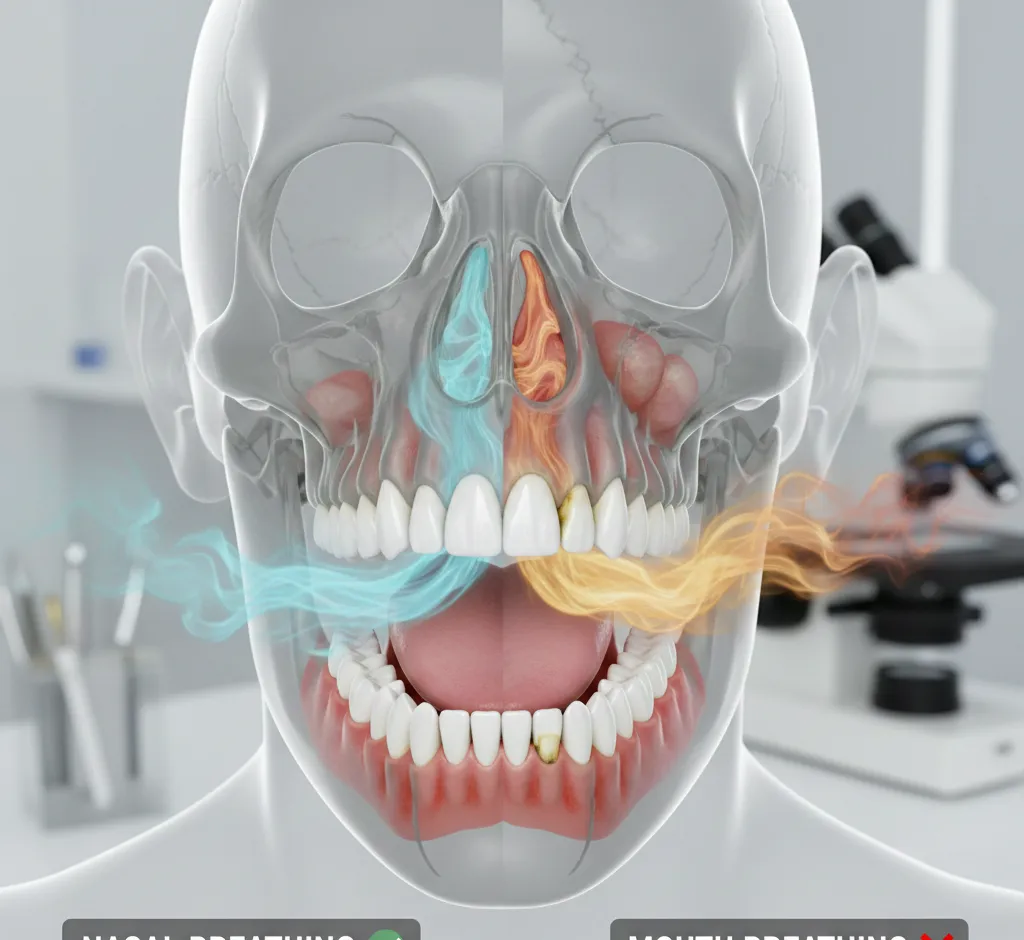
Occasional morning breath is normal. Persistent bad breath (halitosis) or a constant bad taste in your mouth is not. These symptoms often signal an underlying dental or medical issue.
Dental causes of bad breath
- Plaque and tartar buildup harboring bacteria.
- Untreated cavities trapping food and bacteria.
- Gum disease and infection.
- Poorly fitting crowns, bridges, or dentures where food gets stuck.
If brushing, flossing, and using mouthwash do not improve your breath, schedule a dental checkup. Treating the root cause usually improves both your oral health and your confidence.
4. Visible Changes in Your Teeth
Any new or sudden change in how your teeth look should be checked by a dentist, even if you are not in pain.
Common visible warning signs
- White, brown, or black spots: Can indicate early or advanced tooth decay.
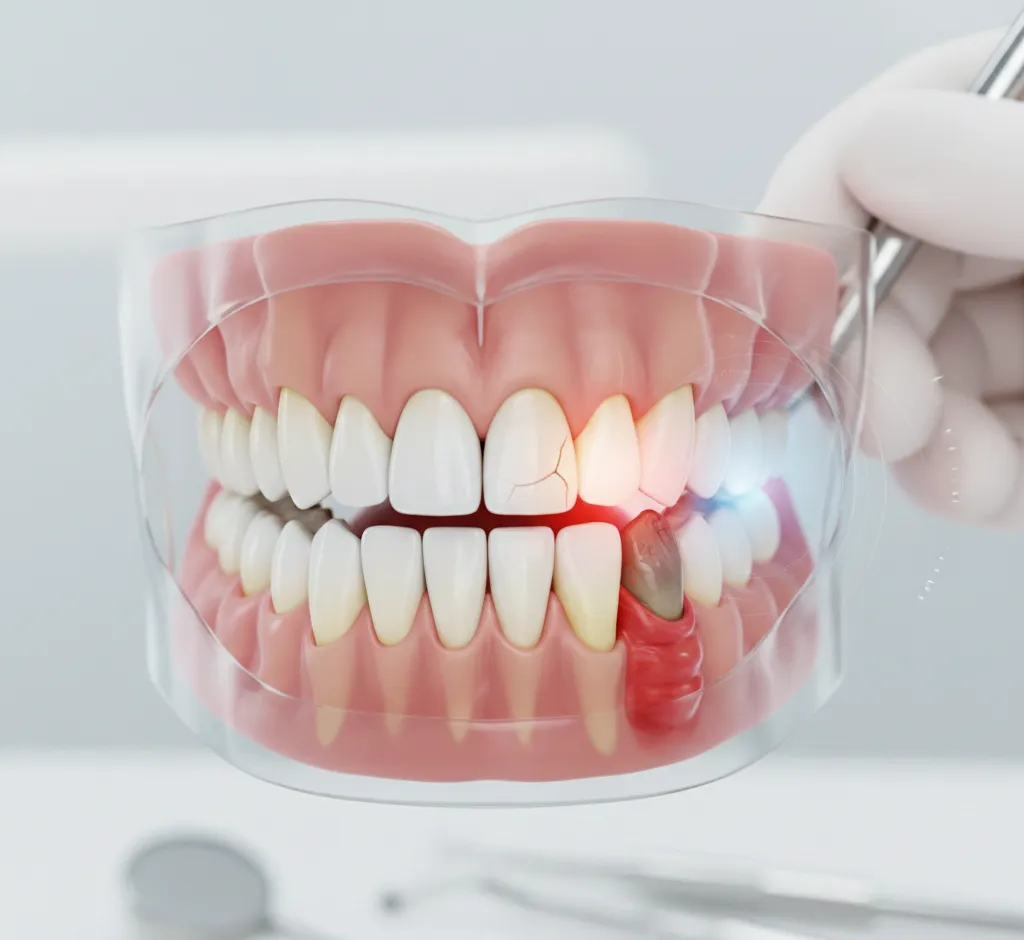
- Chips, cracks, or fractures: May result from trauma, grinding, or biting hard objects.
- Shortening or flattening of teeth: Often linked to nighttime grinding or clenching.
- Changes in color of a single tooth: A tooth turning gray or dark may have nerve damage.
Even small chips or hairline cracks can weaken a tooth and make it more prone to future breakage or decay. Dental evaluation can prevent further damage and restore both function and appearance.
5. Receding Gums or Longer-Looking Teeth
If your teeth look longer than they used to or you can see more of the tooth near the root, your gums may be receding. Gum recession can happen gradually, so many people do not notice it until it becomes significant.
Why receding gums matter
- They expose vulnerable root surfaces, causing sensitivity and a higher risk of decay.
- They may signal ongoing gum disease or bone loss.
- They can affect the stability and appearance of your smile.
A dentist can determine whether your recession is due to gum disease, aggressive brushing, misaligned teeth, or grinding. Early treatment might include deep cleaning, bite adjustments, or, in some cases, referral for gum grafting.
6. Loose Teeth or Changes in Your Bite
Adult teeth should not feel loose. If any tooth feels wobbly, shifts position, or your bite suddenly feels different, it is important to see a dentist promptly.
Warning signs to watch for
- Teeth that move slightly when you press them with your tongue or finger.
- Spaces appearing between your teeth that were not there before.
- Difficulty bringing your teeth together when you bite down.
- Clicking or discomfort in your jaw joints.
These symptoms can indicate advanced gum disease, bone loss, trauma, or issues with your jaw joint (TMJ). Early diagnosis can often save teeth that might otherwise be lost.
7. Sores, Lumps, or Patches in Your Mouth
Your mouth’s soft tissues—tongue, cheeks, gums, and palate—can also reveal important warning signs. Not every sore is serious, but anything unusual that does not heal should be evaluated.
Oral changes that need attention
- Sores, ulcers, or white or red patches lasting more than two weeks.
- Lumps, thickened areas, or rough spots inside your mouth or on your lips.
- Persistent soreness, numbness, or a feeling that something is stuck in your throat.
- Changes in how dentures fit or difficulty swallowing.
While many ulcers come from minor irritation or stress, some changes can be early signs of oral cancer or other conditions. Regular dental visits often include an oral cancer screening, which can detect problems at a more treatable stage.
8. Jaw Pain, Clicking, or Difficulty Opening Your Mouth
Problems with your jaw joint, known as the temporomandibular joint (TMJ), can affect how you chew, speak, and even sleep. Dental professionals often help identify and manage TMJ-related issues.
Common symptoms related to the jaw
- Pain or tenderness in the jaw, face, or around the ears.
- Clicking, popping, or grinding sounds when opening or closing your mouth.
- Difficulty or pain when chewing or yawning.
- Jaw locking open or closed.
- Frequent headaches or facial pain, especially in the morning.
These issues can stem from grinding, stress, misaligned teeth, arthritis, or injury. A dentist can recommend night guards, bite adjustments, or referrals to specialists if needed.
9. Dry Mouth That Does Not Improve
Saliva protects your teeth and gums by washing away food particles, neutralizing acids, and supporting enamel repair. If your mouth often feels dry, sticky, or uncomfortable, it is more than just annoying—it can increase your risk of cavities and gum disease.
Possible triggers for dry mouth
- Side effects of medications, such as antihistamines, antidepressants, or blood pressure drugs.
- Medical conditions like diabetes, Sjögren’s syndrome, or autoimmune diseases.
- Dehydration, smoking, or excessive alcohol use.
A dentist can help identify whether dry mouth is affecting your dental health, suggest saliva substitutes, fluoride products, and lifestyle changes, and collaborate with your physician if necessary.
10. Dental Work That Feels Different or Breaks
If you have fillings, crowns, bridges, implants, or dentures, changes in how they feel can signal a problem.
When to have dental work checked
- A filling that feels rough, sharp, or has fallen out.
- A crown that feels loose or no longer fits snugly.
- Cracks or chips in crowns, veneers, or bridges.
- Dentures that rub, slip, or cause sores.
Damaged or loose dental work can let bacteria in, cause decay under a restoration, or put extra stress on surrounding teeth. Quick repair or replacement protects your smile and prevents more complicated treatment later.
11. Difficulty Chewing, Biting, or Swallowing
Eating should not be painful or difficult. If chewing certain foods hurts, or you avoid one side of your mouth because of discomfort, something is wrong.
Possible causes include:
- Cavities or cracked teeth.
- Loose teeth or advanced gum disease.
- Ill-fitting dentures or partials.
- Jaw alignment issues.
Pain while eating can lead to poor nutrition and lower quality of life. A dentist can diagnose the cause and recommend treatments that restore comfortable chewing.
12. You Haven’t Seen a Dentist in Over a Year
Even if you do not have obvious symptoms, regular checkups are one of the strongest tools for preventing serious dental problems. Many conditions, including cavities and gum disease, develop quietly and do not cause pain until they are advanced.
Why routine checkups matter
- Professional cleanings remove hardened tartar that at-home care cannot.
- Early detection keeps treatment simpler, less invasive, and more affordable.
- Oral cancer screenings can catch changes early.
- Your dentist can update you on preventive options such as sealants and fluoride.
Most adults benefit from a dental visit every six months, although some may need more frequent care based on their oral health, medical conditions, or risk factors.
How to Prepare for Your Dental Visit
Recognizing the signs that you need to see a dentist is the first step. Preparing for your appointment helps you get the most from your visit and feel more at ease.
Before your appointment
- Make a list of symptoms, including when they started and what makes them better or worse.
- Write down all medications and supplements you take.
- Note any medical conditions, recent illnesses, or changes in your overall health.
- Prepare questions about treatment options, costs, and prevention.
During your visit
- Describe all your symptoms honestly, even if they seem minor.
- Share any fears or anxieties so the dental team can support you.
- Ask for explanations in clear, simple language if something is not clear.
- Discuss a personalized plan to maintain or improve your oral health.
When to Seek Urgent or Emergency Dental Care
Some dental signs require same-day or emergency attention. Do not wait if you experience:
- Severe, unrelenting toothache that does not improve with over-the-counter pain relief.
- Swelling of the face, jaw, or gums, especially with fever or difficulty breathing.
- Knocked-out tooth (try to keep it moist and see a dentist immediately).
- Heavy, uncontrolled bleeding from the mouth.
- Signs of spreading infection, such as feeling unwell, difficulty swallowing, or swollen lymph nodes.
Prompt treatment can relieve pain, stop infection from spreading, and sometimes save a tooth that might otherwise be lost.
Taking Action: Listen to What Your Mouth Is Telling You
Your mouth provides constant feedback about your overall health. Pain, bleeding, sensitivity, or changes in appearance are signals, not inconveniences to ignore. If you recognize any of the signs described in this guide, schedule a dental appointment as soon as you can.
With regular checkups, good daily habits, and timely treatment, you can protect your smile, preserve your natural teeth, and support your general health for years to come. Listening to the early whispers from your teeth and gums is far easier—and far less costly—than waiting until they are shouting for help.