Traditional Chinese Medicine Oils: Ancient Remedies for Modern Wellbeing
Discover how Traditional Chinese Medicine oils work, their key types, benefits, safety tips, and how to use them for natural pain relief, circulation, skin health, and modern self-care.
Traditional Chinese Medicine (TCM) has been refined over thousands of years, blending observation, philosophy, and practical healing. Among its many tools, medicinal oils hold a special place as convenient, fast-acting remedies used externally for pain relief, respiratory support, skin health, and overall balance. Today, TCM oils bridge ancient wisdom with modern lifestyles, offering natural support for everyday discomforts.
What Are Traditional Chinese Medicine Oils?
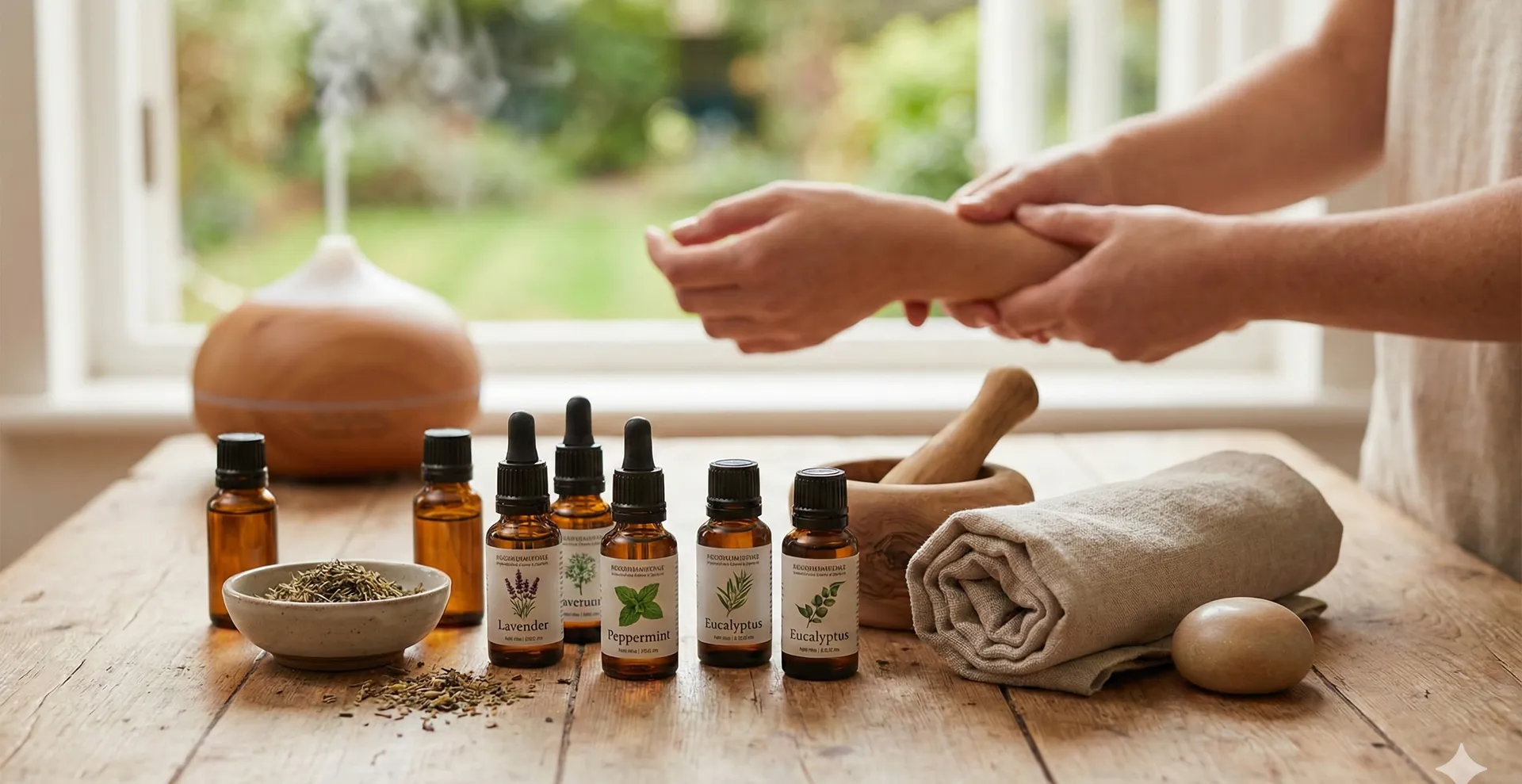
Traditional Chinese Medicine oils are herbal preparations infused into a carrier oil or formulated into liquid liniments, balms, or ointments. Instead of being taken internally, they are applied to the skin through massage, acupressure, or gentle rubbing. Their purpose is to influence the flow of Qi (vital energy), move blood, disperse stagnation, warm or cool specific areas, and support the body’s natural healing responses.
These oils are often based on classical formulas recorded in ancient Chinese medical texts. Over time, they have been adapted into modern branded products, but the underlying principles remain rooted in TCM theory, including the concepts of meridians, Yin and Yang, and the balance of the Five Elements.
Core TCM Principles Behind Herbal Oils
To understand how TCM oils are used, it helps to know the key principles guiding their formulation and application. In TCM, health is the result of dynamic balance. Pain or illness is usually seen as the outcome of stagnation, deficiency, or invasion of external factors such as cold, wind, dampness, or heat.
Qi and Blood Flow
In TCM, Qi and blood need to flow smoothly throughout the body. Stagnation of Qi or blood often manifests as pain, tightness, or swelling. Many TCM oils are designed to “move Qi and invigorate blood,” helping to disperse blockages and relieve discomfort locally.
Hot and Cold Nature
Herbs used in oils have an energetic temperature: warm, hot, neutral, cool, or cold. Warming oils are frequently used for chronic, dull pain worsened by cold or damp weather, while cooling or neutral oils may be used for acute injuries with redness, swelling, or heat.
Meridians and Acupoints
Instead of applying oils randomly, TCM practitioners often target specific channels (meridians) and acupoints. Massaging oil along these pathways is believed to enhance its effect, guiding the herbal actions directly to relevant organs or body systems.
Common Types of TCM Oils and Their Uses
There is a wide variety of TCM oils, each with its own combination of herbs, aromas, and therapeutic focus. Below are some of the most commonly used categories and representative ingredients.
1. Pain-Relief and Musculoskeletal Oils
Pain-relief oils are some of the best-known TCM preparations. They are widely used for muscle soreness, joint discomfort, sports injuries, and general aches and pains.
- Typical actions: Move Qi and blood, relax tendons, reduce swelling, alleviate pain.
- Common uses: Back pain, stiff neck, sprains, strains, bruises, arthritis-related discomfort, post-exercise soreness.
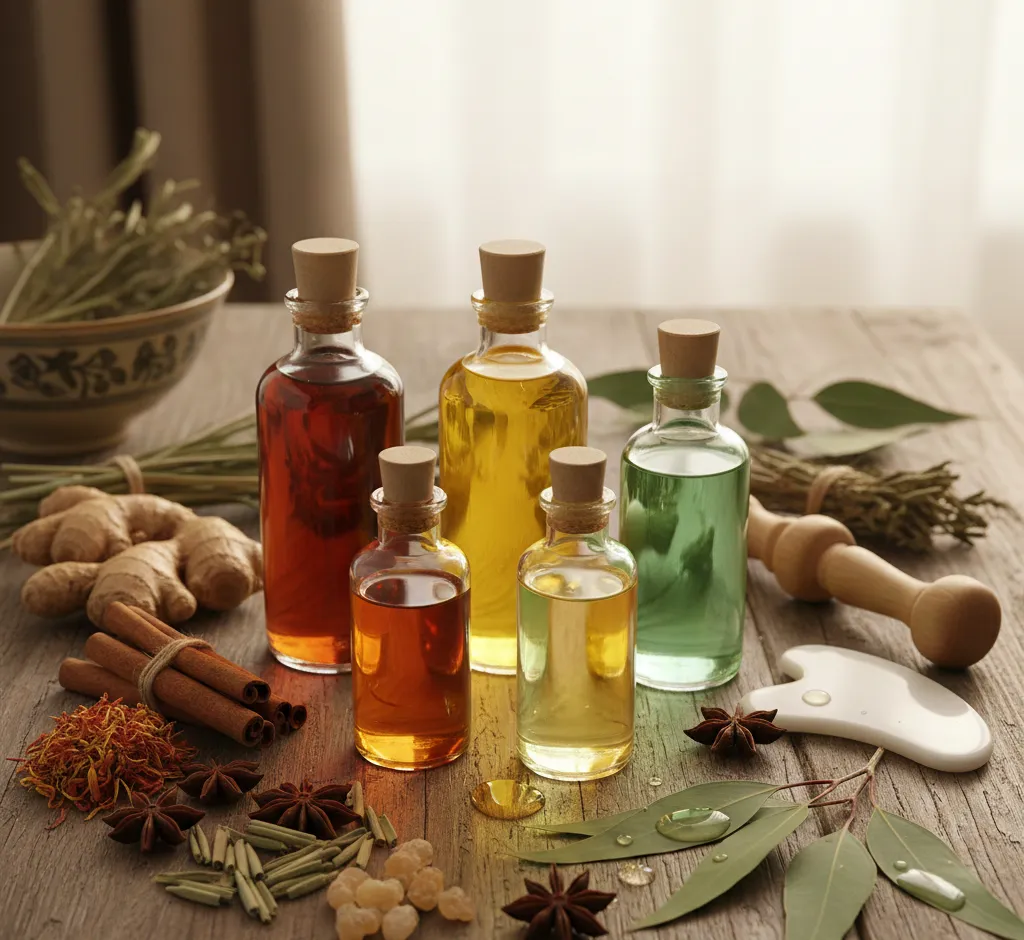
- Typical ingredients: Herbs like Ru Xiang (frankincense), Mo Yao (myrrh), Dang Gui (angelica root), Hong Hua (safflower), along with aromatic oils such as camphor, menthol, clove, or cinnamon.
These formulas often have a warming, penetrating sensation. They are usually massaged into the affected area several times per day to maintain circulation and support tissue recovery.
2. Warming Circulation Oils
Warming oils are designed to dispel cold and support circulation, particularly in people who feel cold easily, have chronic joint stiffness, or experience old injuries that worsen in cold weather.
- Typical actions: Warm the meridians, dispel cold and dampness, relieve pain.
- Common uses: Cold limbs, chronic dull joint pain, menstrual cramps (when externally applied to the abdomen), old injuries sensitive to weather changes.
- Typical ingredients: Cinnamon twig, ginger, clove, pepper extracts, and other warming herbs combined with carrier oils.
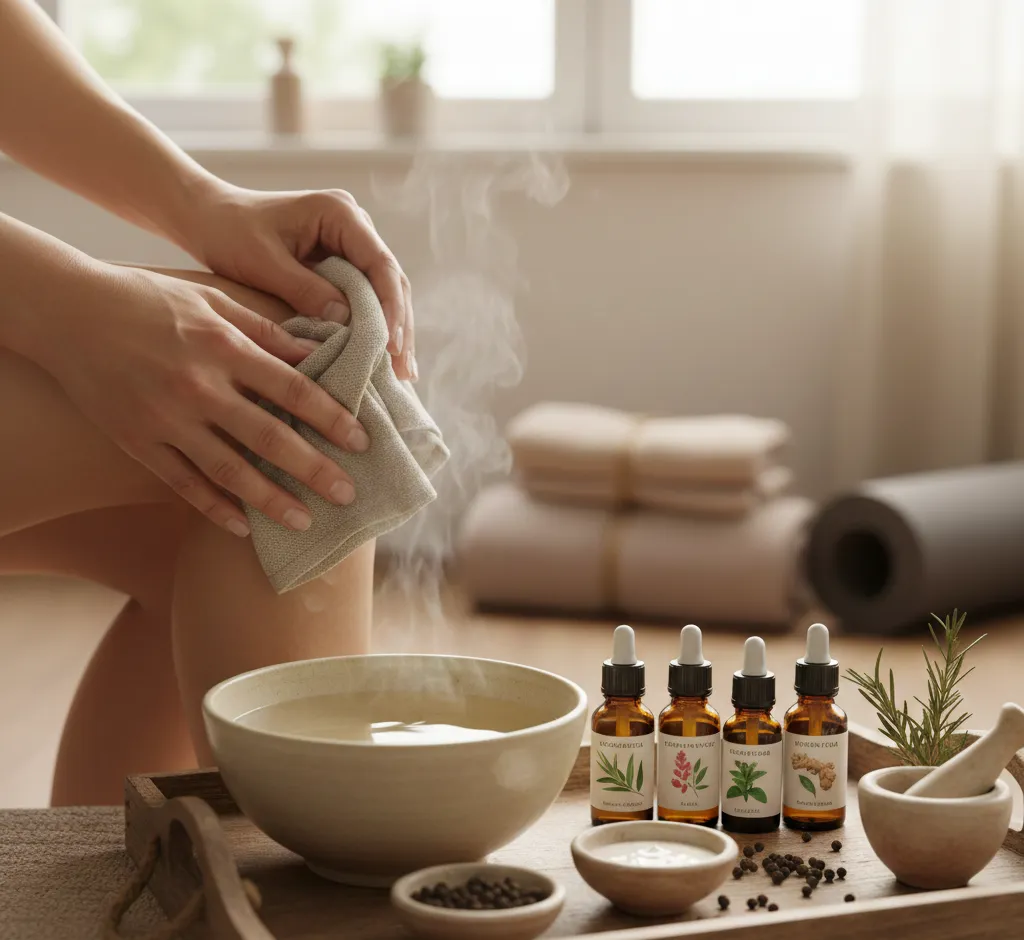
The warming nature of these oils can be especially soothing when used after a warm shower or gentle heat therapy, enhancing their circulation-boosting benefits.
3. Cooling and Soothing Oils
Cooling oils focus on clearing heat, soothing irritation, and calming the spirit. They are often used for tension headaches, mild sun-related discomfort, or nervous restlessness.
- Typical actions: Clear heat, calm the mind, relieve tension, open the orifices.
- Common uses: Mild headaches, dizziness, motion discomfort, irritability, mild skin heat or itchiness (when suitable for the skin type).
- Typical ingredients: Peppermint, eucalyptus, menthol, and aromatic herbs known in TCM for clearing heat and refreshing the senses.
These oils are often applied to the temples, forehead, neck, or pulse points. Only a small amount is needed, as the aromatic vapors are strong and fast-acting.
4. Respiratory Support Oils
Traditional Chinese Medicine places great emphasis on lung health and the smooth flow of Qi through the chest. Respiratory-support oils are formulated to open the chest, ease breathing, and disperse phlegm.
- Typical actions: Disperse Lung Qi, transform phlegm, open the chest, clear nasal passages.
- Common uses: Mild chest tightness, seasonal respiratory discomfort, stuffy nose, or tension felt in the upper back and chest.
- Typical ingredients: Eucalyptus, mint, camphor, and resins with aromatic dispersing properties.
These oils are usually rubbed on the chest, upper back, or the acupoints around the base of the neck and along the inner forearms corresponding to the Lung meridian.
5. Skin-Soothing and Cosmetic Oils
Some TCM oils are formulated specifically for the skin, aiming to nourish, moisturize, and support a healthy complexion while adhering to energetic principles.
- Typical actions: Nourish Yin and blood, moisten dryness, gently move Qi, reduce the appearance of stagnation.
- Common uses: Dry skin, sensitivity, appearance of uneven tone, mild scars, and as part of facial massage routines.
- Typical ingredients: Jojoba or sesame oil bases infused with herbs such as goji berry, licorice root, or pearl powder, depending on the formula.
When used with facial Gua Sha tools or gentle massage, these oils support circulation in the skin, which in TCM is linked to the health of the organs and the smooth flow of Qi and blood.
How TCM Oils Are Prepared
Although manufacturing methods vary, the general process of preparing TCM oils combines traditional herbal knowledge with careful extraction techniques.
Herbal Infusion and Extraction
In many traditional preparations, herbs are soaked in a carrier oil over a long period, sometimes gently warmed to encourage the release of active components. This slow infusion allows fat-soluble constituents and aromatic compounds to migrate into the oil.
In modern settings, manufacturers may use more advanced techniques like controlled-temperature extraction or combining essential oils with herbal tinctures to create consistent, stable products.
Choice of Carrier Oils
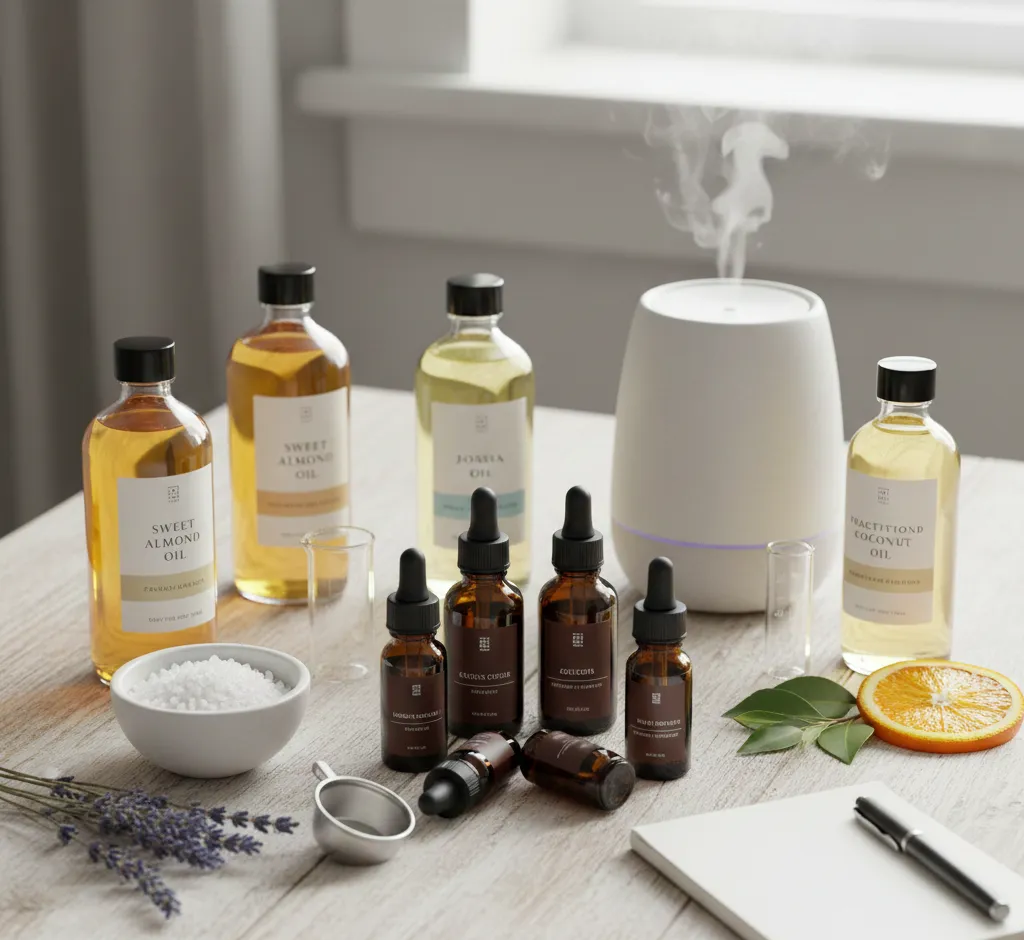
The base oil is more than just a neutral medium. In TCM-inspired formulations, the carrier itself can have properties:
- Sesame oil: Often considered warming and nourishing, suitable for stiff joints and dry skin.
- Jojoba oil: Light, skin-friendly, and stable, commonly used in facial and cosmetic blends.
- Olive or peanut oil: Sometimes used in traditional formulas for their emollient qualities.
Balancing the energetics of the herbs with the carrier helps create a harmonious formula aligned with TCM principles.
Benefits of Using Traditional Chinese Medicine Oils
TCM oils offer a unique combination of herbal therapy, aromatherapy, and tactile stimulation through massage. When used appropriately, they can complement conventional care and self-care routines.
Targeted Local Relief
Because TCM oils are applied directly to specific areas, they provide localized support. This makes them suitable for addressing particular muscles, joints, or acupoints without affecting the entire body in the way that internal herbs or medications might.
Non-Invasive and Easy to Use
External herbal oils are an accessible option for people who prefer non-invasive approaches. They can be incorporated into daily life: a few drops on the neck after a long day at a computer, massage into tired legs after exercise, or gentle application to the temples during times of tension.
Synergy With Massage and Bodywork
In TCM clinics, oils are often used alongside techniques such as Tui Na (Chinese medical massage), Gua Sha (scraping), and acupressure. The physical manipulation helps move Qi and blood, while the herbs provide additional energetic and physiological support.
Aromatherapeutic Effects
Many TCM oils contain aromatic components that can influence mood and perception of discomfort. Scents like mint, eucalyptus, or warming spices engage the senses, often promoting a feeling of relaxation, clarity, or gentle stimulation.
How to Use TCM Oils Safely and Effectively
While TCM oils are generally used externally and are considered gentle, they should still be applied with awareness and respect for both traditional guidelines and modern safety considerations.
Basic Application Guidelines
- Use a small amount: Start with a few drops and massage until absorbed. You can always add more if needed.
- Warm the oil: Rubbing the oil between your palms before application or applying it after a warm shower can enhance penetration and comfort.
- Follow meridians and acupoints: For deeper effects, gently massage along the direction of relevant meridians, such as along the back for Bladder channel work or along the arms for Lung and Heart channels.
- Apply consistently: For chronic issues, regular use over days or weeks may be more effective than a single application.
Matching the Oil to the Condition
In TCM, choosing the right oil is as important as the technique. A simple way to think about it is:
- Cold, dull, long-term pain: Often responds better to warming, moving oils.
- Acute, hot, swollen injury: May require neutral or gently cooling oils; heat-producing formulas are usually avoided in the early stages.
- Tension and stress: Aromatic cooling oils for the temples, neck, and shoulders can be helpful.
- Dry or sensitive skin: Mild, nourishing cosmetic-style oils are preferred.
For complex or chronic conditions, consulting a qualified TCM practitioner can help determine the best type of oil and application method.
Safety Precautions
- Perform a patch test: Apply a small amount on the inner forearm and wait 24 hours to check for irritation, especially if you have sensitive skin or allergies.
- Avoid mucous membranes: Do not apply near the eyes, inside the nose, mouth, or on open wounds unless a practitioner specifically advises it.
- Use caution during pregnancy: Some herbs and essential oils are not recommended during pregnancy. Always consult a healthcare professional.
- Check medication interactions: Even though used externally, some ingredients may be strong. If you take prescription medication or have serious health conditions, seek professional guidance.
- Store properly: Keep oils in dark, cool places, tightly closed to protect their potency and prevent oxidation.
Choosing Quality TCM Oils
As demand for natural health products grows, many brands market “traditional” or “herbal” oils. Focusing on quality and authenticity helps you find products that truly align with TCM principles and modern safety standards.
Key Factors to Consider
- Transparent ingredient lists: Look for products that clearly list all herbal components, carrier oils, and any additional substances such as preservatives or fragrances.
- Quality sourcing: Herbs should be sourced from reputable suppliers that test for contaminants like heavy metals and pesticides.
- Traditional formulation: Many high-quality oils are based on classical formulas, adapted within modern safety guidelines.
- Appropriate strength: More is not always better. Well-balanced formulas aim for harmony rather than overwhelming intensity.
Working With Professionals
TCM practitioners, acupuncturists, and herbalists can recommend specific brands and formulas based on your individual pattern. This personalized approach respects the holistic nature of TCM, which sees each person as unique, with distinct needs for balance and support.
Integrating TCM Oils Into Modern Self-Care
One of the strengths of Traditional Chinese Medicine is its adaptability. TCM oils can easily be woven into modern wellness routines, enriching them with centuries of therapeutic wisdom.
Daily Rituals and Relaxation
Incorporating a brief oil massage into your morning or evening routine can create a mindful pause in the day. For example, gently massaging warming oil into the lower back can support Kidney Qi in TCM theory, while applying a small amount of calming oil to the temples can mark the transition from work to rest.
Support for Active Lifestyles
For athletes or anyone with a physically active lifestyle, TCM pain-relief and circulation oils can be used before and after exercise. Applied beforehand, they help warm muscles and prepare joints; applied afterward, they support recovery, reduce stiffness, and disperse minor stagnation from exertion.
Complement to Conventional Care
TCM oils are not a replacement for needed medical treatment, but they can be a valuable complement. For many people, they offer a natural way to support comfort between physical therapy sessions, alongside stretching routines, or as part of rehabilitation under professional guidance.
Respecting Tradition While Embracing Innovation
Traditional Chinese Medicine oils embody a meeting point of ancient theory and modern practice. Their continued popularity around the world reflects both their practical usefulness and the deeper appeal of holistic, nature-based approaches to health.
By understanding the basic principles behind these oils, choosing high-quality products, and applying them thoughtfully, you can bring a touch of TCM into your daily life. Whether for easing tension, supporting recovery, or cultivating a moment of mindful self-care, TCM oils offer a gentle yet powerful way to work with the body’s own intelligence and capacity to rebalance.
Always remember that serious or persistent health concerns deserve professional evaluation. Used with respect and awareness, Traditional Chinese Medicine oils can become a meaningful part of a broader, integrative approach to modern wellbeing.