Travel-Sized Humidifiers for Hotel Room Sleep: The Ultimate Guide to Restorative Nights on the Road
Discover how travel-sized humidifiers can transform dry hotel rooms into comfortable sleep sanctuaries. Learn benefits, key features, setup tips, and maintenance for better hotel room sleep anywhere you go.
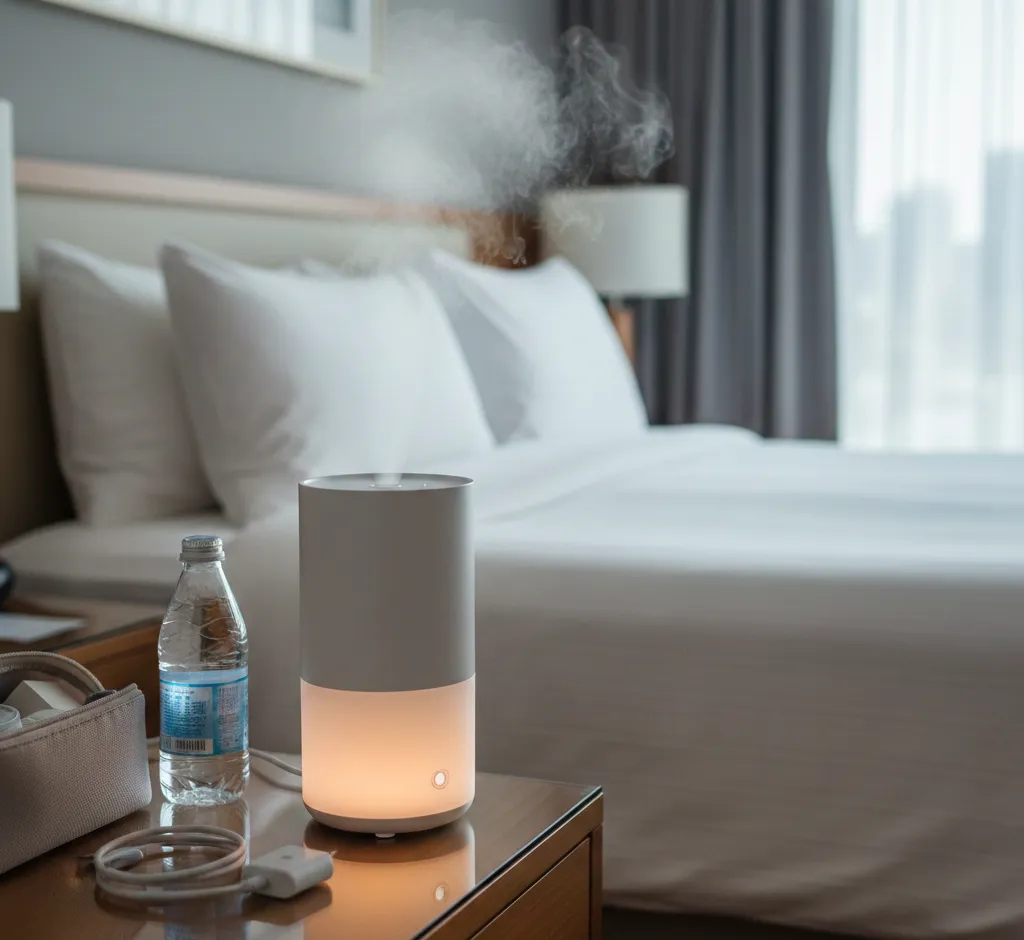
Waking up in a hotel room with a dry throat, stuffy nose, or itchy skin can turn an exciting trip into an exhausting experience. Travel-sized humidifiers offer a compact, effective way to add soothing moisture to dry hotel air so you can sleep more deeply, wake up refreshed, and actually enjoy your time away from home.
Why Hotel Rooms Feel So Uncomfortably Dry
Many travelers notice they sleep worse in hotel rooms, even when the bed is comfortable and the room is quiet. One of the main reasons is low humidity. Central heating and strong air conditioning systems pull moisture out of the air, leaving relative humidity far below the ideal range for healthy, restorative sleep.
When indoor air is too dry, your body compensates by pulling moisture from your skin and respiratory system. This can lead to dry nasal passages, irritated eyes, chapped lips, and a scratchy throat, all of which make it harder to fall asleep and stay asleep.
Benefits of Travel-Sized Humidifiers for Sleep
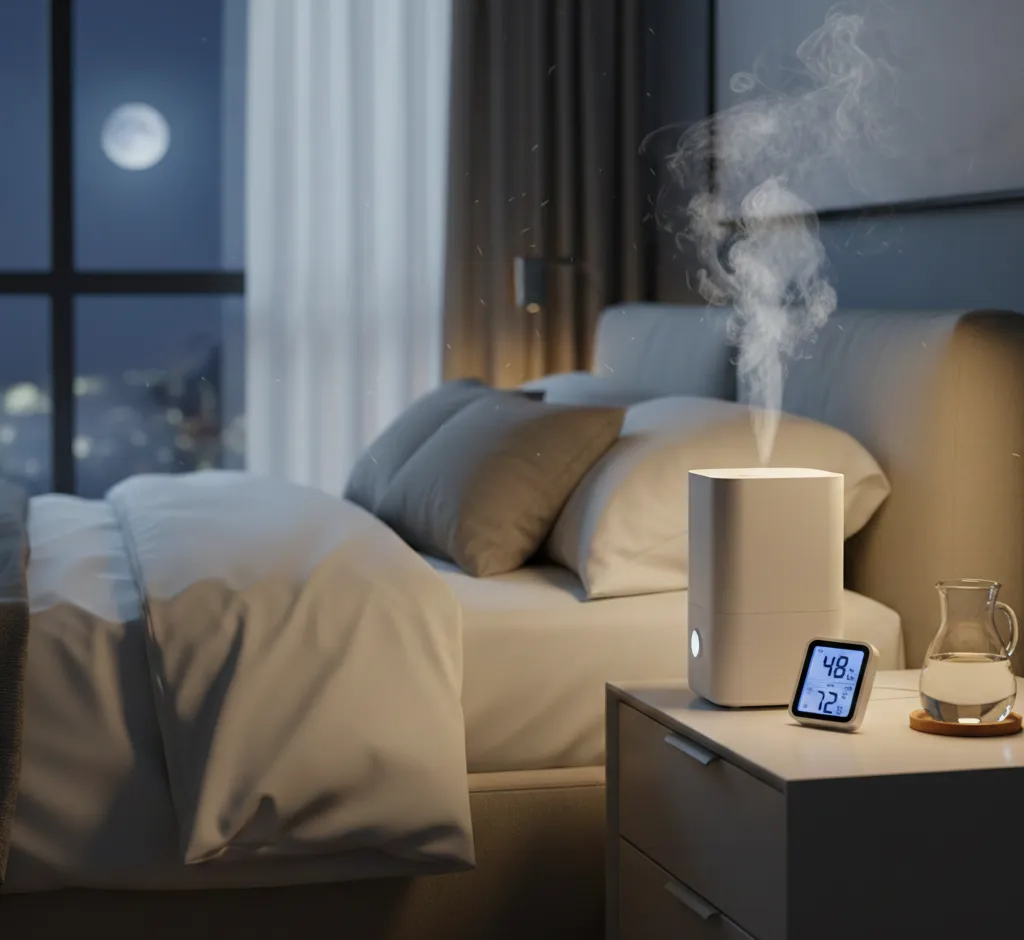
A travel-sized humidifier is specifically designed to add just enough moisture to a small space like a hotel room or your side of the bed. These compact devices can dramatically improve comfort without taking up much luggage space.
- Improved breathing: Adequate humidity helps keep nasal passages and airways from drying out, reducing congestion and nighttime coughing.
- Better sleep quality: When your throat and sinuses are comfortable, you’re less likely to wake up throughout the night, leading to more restorative sleep cycles.
- Happier skin and lips: Moist air helps prevent the tight, flaky feeling that often appears after a night in heated or air-conditioned hotel rooms.
- Reduced snoring triggers: For many people, dryness is a snoring trigger because the tissues in the throat become irritated; gentle humidity can sometimes ease this.
- Comfort in all climates: Whether you’re in a desert city, at high altitude, or in a centrally heated winter hotel, a travel humidifier helps keep conditions more consistent.
Types of Travel-Sized Humidifiers
Not all portable humidifiers are built the same. Understanding the main types will help you choose a model that fits your needs, luggage style, and destinations.
Ultrasonic Cool Mist Humidifiers
Ultrasonic models use high-frequency vibrations to turn water into a fine cool mist. They are the most common travel option because they are compact, energy-efficient, and typically very quiet—ideal for light sleepers.
- Pros: Whisper-quiet operation, low power use, cool mist that is safe around children and pets, and models in many shapes and sizes.
- Cons: Some require distilled water to avoid mineral buildup, and they need regular cleaning to prevent microbial growth.
Water-Bottle Humidifiers
Water-bottle humidifiers are designed to screw onto or sit on top of a standard plastic water bottle. The bottle becomes the tank, making the device extremely light and packable.
- Pros: Ultra-portable, no bulky tank to pack, easy to refill in most destinations, perfect for business travelers with minimal luggage.
- Cons: Limited run time depending on bottle size, stability can vary, and compatibility with local bottle types may differ from what you use at home.
USB-Powered Mini Humidifiers
USB humidifiers plug into a USB port on your laptop, power bank, or travel adapter. They often fit into a cup holder or sit easily on a nightstand, making them popular for both hotel rooms and flights where airline rules permit.
- Pros: Extremely flexible power options, compatible with power banks, often very affordable and lightweight.
- Cons: Smaller water reservoirs can mean frequent refills and shorter run times.
Battery-Operated and Rechargeable Humidifiers
Rechargeable models contain built-in batteries, so they don’t require an outlet during use. This is ideal in older hotels with limited sockets or when outlet placement is inconvenient.
- Pros: Cord-free setup, perfect for minimalist nightstands or shared outlets, great for camping or sleeper trains as well.
- Cons: Must remember to charge, run times depend on battery size, and some models lose power output as the battery drains.
Key Features to Look For
Choosing the right travel-sized humidifier means balancing portability with performance. Focus on a few critical features that matter most when you’re on the road.
Capacity and Runtime
Capacity determines how long the humidifier can run before a refill. For hotel sleep, aim for a model that can run at least 6–8 hours on one fill so it can cover an entire night.
- Smaller tanks (under 250 ml) are very compact but may require a mid-night refill if you use a high mist setting.
- Medium tanks (250–500 ml) can often provide a full night on a low or medium setting while still packing easily.
Noise Level
Noise is crucial for sleep. Most ultrasonic travel humidifiers are marketed as “whisper-quiet,” but there are still differences from model to model. If you are sensitive to sound, look for noise ratings and real-world user feedback that mention sleep comfort.
Some travelers even enjoy a soft hum like subtle white noise, while others want near-total silence. Knowing your preferences helps narrow your options.
Power Options and Voltage
When traveling internationally, voltage compatibility and plug style matter. Many USB-powered and low-wattage humidifiers can be used with a universal adapter, but it’s still smart to double-check your device’s requirements.
- USB-only models: Great for universal use when combined with a high-quality USB wall adapter and appropriate plug converter.
- AC-powered models: Make sure they support dual voltage (110–240 V) or use a suitable converter when traveling between regions.
Size, Weight, and Portability
Travel gear has to justify the space it takes. A good travel humidifier should be light enough for carry-on and compact enough to slip into a packing cube or toiletry bag.
- Choose designs with protective caps, travel cases, or foldable legs to reduce the risk of damage in transit.
- A rectangular or cylindrical shape typically packs more easily than irregular, bulky designs.
Safety Features
Hotel rooms are temporary spaces, so built-in safety features are non-negotiable. Look for an automatic shut-off when the water runs out to prevent overheating or damage to the device.
- Auto shut-off protects both the humidifier and hotel furnishings.
- Cool mist models are safer than warm mist versions around children or if you might bump the device in a small room.
Setting Up a Travel Humidifier in a Hotel Room
Proper placement and setup help you get the most sleep benefits from a compact device. The goal is to distribute moisture near where you sleep without creating damp spots or safety issues.
Choosing the Right Location
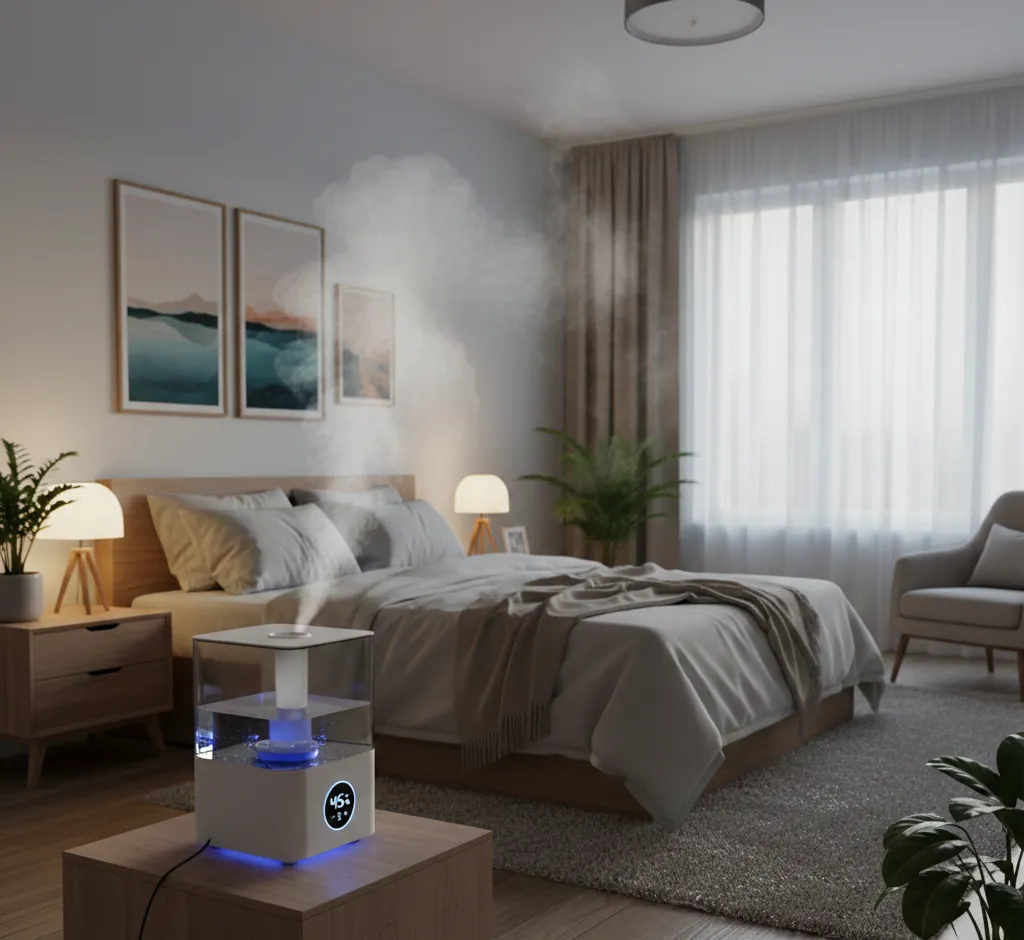
Place the humidifier on a stable, flat surface near your bed, such as a nightstand, desk, or small table. Keep it at least a few inches from walls, curtains, and electronics to allow the mist to disperse freely.
- Aim the mist toward the center of the room or gently toward your bed, not directly at bedding or furniture.
- Avoid placing it on the floor where it can be easily kicked, especially in tight rooms or when traveling with kids.
Using Hotel Water Safely
Many travelers use bottled water or filtered water for their humidifier to reduce mineral buildup and potential residue. In some areas, tap water may be safe for the device, but hard water can leave white dust or scale.
- Bottled water is often the easiest solution when you arrive late and need a quick setup.
- If you do use tap water, rinse the tank thoroughly each morning to limit deposits.
Adjusting Humidity for Comfort
More mist is not always better. Aim for comfortable, balanced humidity rather than a heavy, foggy environment. If your windows are fogging up or surfaces feel damp, the setting is too high.
- Start at a medium setting and adjust up or down based on how your skin, throat, and breathing feel by morning.
- If the room is small, a low setting is usually enough to make a noticeable difference in comfort.
Cleaning and Maintenance While Traveling
Even on short trips, basic maintenance keeps your humidifier hygienic and effective. A neglected tank can harbor bacteria or mold, which is the opposite of what you want when trying to improve your sleep environment.
Daily Rinsing Routine
Each morning, empty leftover water from the tank and base, then rinse with clean water. This quick step helps reduce residue and microbial growth.
- Use a soft cloth or tissue to gently wipe any visible film from surfaces you can reach.
- Avoid harsh hotel bathroom cleaners inside the tank; simple water is usually enough for short trips.
Deep Cleaning Between Trips
Once you return home, perform a deeper clean before storing your humidifier. This typically involves a gentle soak with a mild cleaning solution recommended by the manufacturer, then a thorough rinse and complete air-drying.
- Allow all parts to dry completely before sealing the device in a travel case or drawer to prevent odors.
- Replace any wicks or filters at the intervals suggested by the manufacturer for optimal performance.
Packing and Traveling with a Humidifier
A little planning ensures you can bring your travel humidifier without hassles at security checkpoints or in tight luggage configurations. Treat it like a valuable sleep accessory rather than an afterthought.
Luggage Placement
Most travelers pack humidifiers in carry-on bags to prevent damage, but checked baggage can work for sturdier units. Place the device inside a protective pouch or wrap it in soft clothing to cushion it.
- Always empty the tank completely and dry visible moisture before travel to avoid leaks.
- Keep cords, adapters, and small parts in a separate pouch so nothing gets lost in your bag.
Dealing with Airport Security
Humidifiers are usually allowed in carry-on luggage, but policies vary by airport and airline. Since they contain no batteries larger than typical electronics and no liquids once emptied, they rarely pose an issue.
- Be prepared to remove the device from your bag if asked, just as you might with a laptop or camera.
- Avoid traveling with the tank filled; any remaining water may be treated as a liquid subject to volume limits.
When a Travel Humidifier Is Especially Helpful
While anyone can benefit from more comfortable hotel air, certain travelers are particularly good candidates for a portable humidifier. For them, this small device can make the difference between a productive trip and a miserable one.
- Business travelers: Those who need to wake up sharp for meetings benefit from deeper, uninterrupted sleep.
- Families with young children: Kids often react strongly to dry air with coughs or nosebleeds, so stable humidity can calm overnight symptoms.
- People with allergies or mild asthma: While not a medical device, a humidifier can take some irritation out of the air and make breathing more comfortable.
- Frequent flyers: Airplane cabins are very dry, and a humidifier at the hotel helps counter the cumulative effects of multiple flights.
Simple Hotel Room Sleep Routine with a Humidifier
Integrating a travel humidifier into your evening routine doesn’t have to be complicated. A consistent pattern ensures you get the most benefit from the device without adding stress to your travel days.
- Unpack and inspect: Once you reach your room, quickly set the humidifier on a stable surface and confirm no parts were damaged in transit.
- Fill the tank: Use bottled or filtered water, fill to the recommended level, and secure any caps or lids.
- Choose a setting: Start with a low-to-medium mist level for the first night and adjust based on how you feel in the morning.
- Position for comfort: Aim the mist toward the general sleeping area but not directly at pillows or electronics.
- Power down safely: In the morning, turn the device off, empty remaining water, and leave components open to air out while you’re out of the room.
Common Mistakes to Avoid
Even the best travel humidifier can cause frustration if misused. Avoid a few common pitfalls to keep your experience smooth and your sleep quality high.
- Over-humidifying the room: Running the device at maximum power in a tiny room can leave surfaces damp and may create an uncomfortable environment.
- Ignoring cleaning: Skipping quick rinses or long-term maintenance can lead to bad odors and reduced performance.
- Using the wrong power adapter: Failing to match voltage or plug type can damage your device and potentially trip hotel breakers.
- Blocking the mist outlet: Placing the humidifier too close to walls or curtains limits its effectiveness and may lead to moisture buildup in one spot.
Final Thoughts: Turning Any Hotel into a Sleep Sanctuary
Travel-sized humidifiers are a small investment that can have an outsized impact on your comfort away from home. By gently restoring moisture to dry hotel air, they help protect your skin, ease your breathing, and support deeper, more restorative rest.
With the right combination of compact design, quiet operation, and reliable runtime, a travel humidifier can quickly become as essential as your favorite pillow or noise-canceling headphones. Pack one on your next trip, and you may never want to sleep in a hotel room without it again.