Turmeric in Beauty: The Real Anti-Inflammatory Power Behind the Glow
Discover the real anti-inflammatory power of turmeric in beauty. Learn how curcumin works on the skin, which concerns it can help, the limits of DIY masks, and how to safely add turmeric to your skincare routine for a calm, radiant complexion.
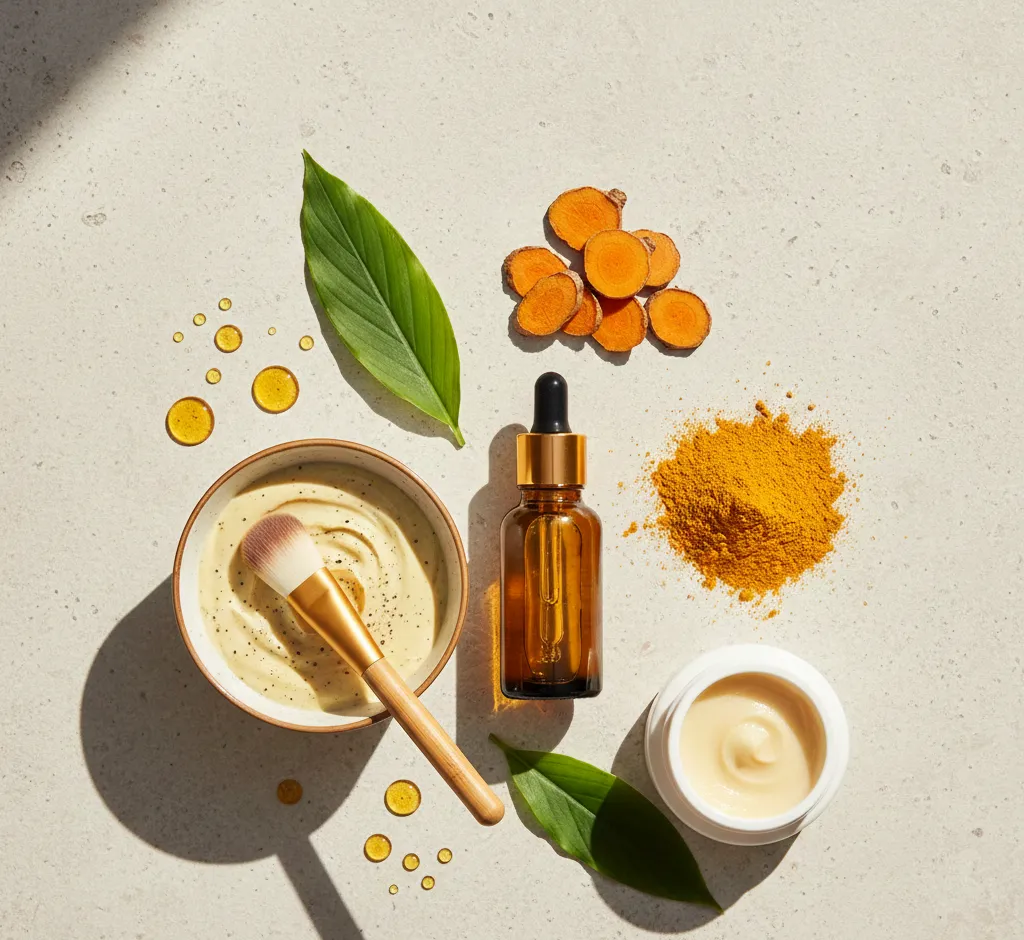
Turmeric has gone from a traditional kitchen spice to a star ingredient in modern beauty routines. From golden face masks to brightening serums, this vivid yellow powder is everywhere. But how much of the hype around turmeric in beauty, especially its anti-inflammatory effects, is backed by science—and how much is just clever marketing?
This article explores the real anti-inflammatory benefits of turmeric for the skin, how it works, what forms are most effective, and how to use it safely in your skincare routine. Whether you are a skincare beginner or a seasoned beauty enthusiast, understanding the reality behind turmeric will help you make smarter choices.
What Is Turmeric and Why Is It Used in Beauty?
Turmeric is a bright yellow-orange spice derived from the Curcuma longa plant, a member of the ginger family. It has been used for centuries in Ayurvedic and traditional Chinese medicine to support digestion, joint health, wound healing, and overall vitality.
In beauty and skincare, turmeric is popular for three main reasons:
- Anti-inflammatory properties: It may help calm redness, swelling, and irritation.
- Antioxidant activity: It helps neutralize free radicals that contribute to premature aging.
- Skin tone benefits: Traditionally used to brighten complexion and support a more even tone.
The key active compound responsible for many of turmeric’s benefits is curcumin, a polyphenol with strong anti-inflammatory and antioxidant effects shown in numerous lab and animal studies.
How Turmeric’s Anti-Inflammatory Effects Work
Inflammation in skin can come from many sources: UV exposure, pollution, harsh ingredients, acne, eczema, and even stress. Chronic, low-grade inflammation accelerates the breakdown of collagen and elastin, weakens the skin barrier, and contributes to redness, sensitivity, and premature aging.
Curcumin has been shown, in scientific research, to influence several inflammatory pathways in the body. While many studies are internal (oral) rather than topical, they give a good indication of why turmeric may be helpful in skincare.
Key mechanisms behind turmeric’s benefits
- Inhibiting inflammatory mediators: Curcumin can help reduce molecules like NF-κB and COX-2 that drive inflammation. This can translate into calmer, less reactive skin.
- Antioxidant protection: Turmeric helps neutralize free radicals, which cause oxidative stress and trigger inflammation and tissue damage.
- Supporting skin barrier function: By reducing inflammation and oxidative stress, turmeric may indirectly help the skin maintain a stronger, more resilient barrier.
These mechanisms offer a scientific basis for turmeric’s reputation as a soothing, calming ingredient—especially for skin concerns that have an inflammatory component.
Skin Concerns Turmeric May Help With
While turmeric is not a miracle cure, its anti-inflammatory and antioxidant properties make it a promising ally for several common skin issues. Evidence ranges from traditional use and anecdotal reports to small clinical trials and laboratory research.
1. Redness, sensitivity, and irritation
Inflamed or reactive skin often shows up as blotchy redness, stinging, or a constant feeling of discomfort. Turmeric’s ability to modulate inflammatory pathways suggests it may help:
- Calm visible redness
- Reduce the appearance of irritation
- Support recovery after mild skin stress (for example, wind, mild sun exposure, or over-exfoliation)
In some small studies, topical formulas containing curcumin or turmeric extracts improved comfort and reduced signs of skin irritation. However, results depend heavily on the formula, concentration, and individual skin sensitivity.
2. Acne-prone and blemish-prone skin
Acne is not only about clogged pores and excess oil; it is also driven by inflammation. Turmeric’s antibacterial and anti-inflammatory properties give it potential benefits for acne-prone skin:
- Anti-inflammatory action: Can help calm swollen, angry-looking breakouts.
- Antioxidant support: Helps counter oxidative stress that can worsen inflammation and post-acne marks.
- Microbial balance: Some lab studies suggest turmeric extracts can impact certain bacteria, though this does not replace conventional acne treatments.
For active, moderate-to-severe acne, turmeric should not be used as the sole treatment. It can, however, be a complementary ingredient in a routine that includes evidence-backed options such as benzoyl peroxide, salicylic acid, or retinoids, as recommended by a dermatologist.
3. Hyperpigmentation and uneven skin tone
Post-inflammatory hyperpigmentation (PIH)—those dark spots that remain after a pimple, rash, or insect bite—has an inflammatory component. Some research suggests curcumin may influence pathways involved in excess melanin production.
As a result, turmeric is often included in brightening and tone-evening products with goals such as:
- Supporting a more even complexion over time
- Softening the look of dark marks related to past breakouts or irritation
- Enhancing radiance and luminosity
Turmeric alone is unlikely to dramatically erase deep pigmentation issues. It tends to work best as a supporting ingredient alongside actives like vitamin C, niacinamide, azelaic acid, or gentle retinoids.
4. Signs of premature aging
Fine lines, dullness, and rough texture are influenced by chronic inflammation and oxidative stress. By addressing both, turmeric may offer subtle anti-aging benefits:
- Helping protect collagen from breakdown triggered by environmental stressors
- Supporting a smoother, more even skin texture
- Contributing to a brighter, less fatigued-looking complexion
Turmeric should be considered a supportive, protective ingredient, not a replacement for sunscreen, retinoids, or well-formulated antioxidants like vitamins C and E.
Forms of Turmeric Used in Beauty Products
Not all turmeric in skincare is equal. The form, concentration, and delivery system matter greatly for both efficacy and safety.
Whole turmeric powder
Kitchen turmeric powder is often used in DIY face masks. While traditional and accessible, it comes with limitations:
- Variable curcumin content and purity
- Potential for irritation, especially on sensitive or compromised skin
- Strong yellow staining on skin, nails, clothing, and bathroom surfaces
If used, it should always be combined with a soothing base (such as yogurt, honey, or aloe gel) and patch-tested before applying to the face.
Standardized turmeric extracts
Many modern skincare products rely on standardized turmeric or curcumin extracts, often listed as Curcuma longa root extract or curcumin in the ingredient list. These versions can be:
- More consistent in potency
- Better controlled for quality
- Formulated at tolerable concentrations for daily use
These extracts are often combined with other calming or hydrating ingredients to create balanced formulas that minimize the risk of irritation.
Advanced delivery systems
Because curcumin is naturally unstable and poorly soluble in water, modern cosmetic science sometimes uses technologies such as:
- Liposomal encapsulation
- Nanoparticles or nanoemulsions
- Complexes with oils or phospholipids
These systems aim to improve penetration, stability, and overall effectiveness while reducing irritation. They are more likely to appear in higher-end or science-driven formulations.
The Reality Check: Limits of Turmeric in Skincare
Turmeric is powerful, but it has real-world limitations that matter for anyone adding it to a beauty routine.
1. Most research is not on commercial creams
Many of turmeric’s anti-inflammatory effects are documented in lab, animal, or internal (oral supplement) studies. These do not always directly translate to what happens when a cream or mask is applied to the skin surface.
While some small human studies on topical turmeric show promising results—for example, in managing certain inflammatory skin conditions—more large, well-controlled clinical trials are needed to define optimal concentrations and long-term outcomes in cosmetic use.
2. Risk of irritation and contact dermatitis
Despite its soothing reputation, turmeric is not universally gentle. Some people may develop:
- Redness or burning sensations
- Itching or hives
- Allergic contact dermatitis
Sensitive, reactive, or barrier-compromised skin (for example, from over-exfoliation or conditions like eczema) may be more prone to irritation, especially with DIY or highly concentrated products.
3. Staining and cosmetic drawbacks
One of the most obvious downsides of turmeric is its intense pigment. Depending on the form and concentration, it can:
- Temporarily leave a yellow or golden tint on the skin
- Stain fabrics, towels, pillowcases, and applicators
- Be difficult to fully rinse off from dry areas or nails
Many commercial products use refined or color-reduced extracts to minimize staining, but DIY masks with kitchen turmeric can be quite messy.
4. Not a standalone cure
Turmeric can support skin health, but it does not replace well-established, evidence-based treatments for conditions like severe acne, rosacea, eczema, or psoriasis. In these cases, professional evaluation and medical-grade treatments are essential.
Think of turmeric as a helpful accessory in a routine—not the entire wardrobe.
How to Safely Use Turmeric in Your Beauty Routine
When used thoughtfully, turmeric can be a beneficial addition to a skincare regimen focused on calming inflammation and promoting a healthy glow.
Step 1: Choose the right type of product
- Leave-on products: Serums, creams, and oils with turmeric extracts are convenient for daily use and typically formulated to avoid intense staining.
- Wash-off treatments: Masks and cleansers provide a short contact time, which can be ideal for more sensitive skin types.
- Spot treatments: Some products target specific areas with redness, dark marks, or breakouts.
For beginners or sensitive skin, starting with a wash-off mask or a mild, low-concentration cream is usually safer than jumping into concentrated DIY mixtures.
Step 2: Patch test first
Before applying any new turmeric product to the face:
- Apply a small amount to a discreet area (such as behind the ear or on the inner forearm).
- Leave it on as directed (or 24 hours for leave-on products).
- Watch for redness, itching, burning, or rash.
If any significant irritation occurs, rinse thoroughly and discontinue use.
Step 3: Introduce gradually
When the patch test is clear, introduce turmeric into your routine slowly:
- Use once or twice a week at first.
- Monitor for changes in comfort, redness, or breakouts.
- Increase frequency only if your skin tolerates it well.
Especially when combining turmeric with active ingredients like acids or retinoids, a gradual approach reduces the risk of overwhelming the skin.
Step 4: Combine with barrier-supporting ingredients
Turmeric performs best in a well-rounded skincare routine that includes barrier-strengthening and hydrating ingredients such as:
- Ceramides
- Hyaluronic acid
- Glycerin
- Niacinamide
- Soothing plant extracts (for example, centella, oat, or aloe)
This combination helps keep the skin calm and resilient, ensuring that any active ingredient, including turmeric, is less likely to trigger irritation.
DIY Turmeric Masks: Pros and Cons
Homemade turmeric masks are widely shared online and rooted in traditional beauty rituals. While they can be appealing, it is important to weigh their advantages and drawbacks carefully.
Potential benefits of DIY turmeric masks
- Simple, inexpensive ingredients
- A sense of ritual and self-care
- Ability to customize the base (such as yogurt, honey, or aloe)
Common DIY bases can offer their own benefits: yogurt may provide gentle lactic acid and soothing fats; honey can attract moisture; aloe is known for its calming properties.
Drawbacks and safety considerations
- No control over concentration: It is easy to go too strong and trigger irritation.
- Hygiene concerns: Kitchen tools and ingredients may introduce bacteria if not handled carefully.
- Staining: Whole turmeric powder can heavily stain skin and fabrics.
- Inconsistent results: Different brands of turmeric powder can vary greatly in purity and potency.
If choosing to experiment with a DIY turmeric mask, keep the following tips in mind:
- Use a small amount of turmeric relative to the base (for example, a pinch or 1/4 teaspoon in several tablespoons of base).
- Avoid broken, freshly shaved, or irritated skin.
- Limit contact time to 5–10 minutes and rinse thoroughly.
- Always patch test first.
Who Should Be Cautious with Turmeric in Beauty?
Though generally safe for many people, turmeric is not suitable for everyone in topical form.
Skin types that need extra care
- Very sensitive or reactive skin: May react even to traditionally soothing ingredients.
- Active eczema, psoriasis, or dermatitis: Open, inflamed skin can be more easily irritated.
- History of spice allergies: Especially to turmeric, ginger, or related plants.
In these cases, consulting a dermatologist before using turmeric-based products is wise, especially in higher concentrations or leave-on formulas.
Interactions with other strong actives
Turmeric is often combined with other active ingredients in multi-tasking formulas. At home, be cautious about layering it with:
- Strong exfoliating acids (such as high-strength AHAs or BHAs)
- Retinoids (prescription or over-the-counter)
- Physical scrubs with harsh particles
Too many intense products at once can compromise the skin barrier, increasing sensitivity and undermining the very calming benefits you are seeking from turmeric.
How to Choose an Effective Turmeric Skincare Product
With so many turmeric-based products on the market, it helps to know what to look for on the label.
Check the ingredient list
Look for names such as:
- Curcuma longa (turmeric) root extract
- Curcuma longa root oil
- Curcumin (in advanced formulas)
Ideally, turmeric or its extract should appear somewhere in the first half of the ingredient list if it is intended as a key active, though some potent extracts are effective at lower concentrations.
Look at supporting ingredients
Effective anti-inflammatory skincare rarely relies on a single hero ingredient. Turmeric works best in formulas that also contain:
- Humectants like glycerin or hyaluronic acid
- Barrier lipids such as ceramides or plant oils
- Additional antioxidants (vitamin C derivatives, vitamin E, green tea, or resveratrol)
- Soothing agents like panthenol, allantoin, or centella asiatica
This synergy helps maximize benefits while reducing the risk of dryness or irritation.
Consider packaging and stability
Curcumin is light- and air-sensitive. To help preserve potency and reduce the chance of the product degrading:
- Choose opaque or dark-colored packaging.
- Prefer pumps or tubes over wide-mouth jars when possible.
- Store products away from direct sunlight and excess heat.
Turmeric and Sun Protection: An Important Note
Some people hope that turmeric’s antioxidant benefits might reduce the need for sunscreen. This is a dangerous misconception.
While turmeric can help neutralize some of the oxidative stress that follows UV exposure, it does not block UV rays. It cannot replace a broad-spectrum sunscreen with adequate SPF. For healthy, calm, and youthful-looking skin long-term, daily sun protection remains non-negotiable.
The most effective way to leverage turmeric’s benefits is to pair it with consistent sun protection. Antioxidants work best alongside, not instead of, sunscreen.
Bottom Line: The Anti-Inflammatory Reality of Turmeric in Beauty
Turmeric is more than a passing beauty trend. Its anti-inflammatory and antioxidant properties have meaningful scientific backing, and many people find it helps with redness, dullness, and overall skin comfort and radiance.
At the same time, turmeric is not an all-powerful cure for every skin issue. It comes with real-world constraints: limited human clinical data in cosmetic settings, potential for irritation and staining, and the need to be carefully formulated and used.
Used thoughtfully—as part of a balanced routine that includes gentle cleansing, barrier support, and daily sun protection—turmeric can be a valuable ally in calming inflammation and supporting a natural, healthy glow. The key is to embrace the science-backed reality: turmeric is a helpful supporting player in beauty, not a standalone miracle.